Casa Photo


-1- 2    Next ›››

Home   >   Natural History Photography Blog   >   Search   >   Casa
Cortez rainbow wrasse schooling over reef in mating display, Sea of Cortez, Baja California, Mexico, Thalassoma lucasanum The Children's Pool in La Jolla, also known as Casa Cove, is a small pocket cove protected by a curving seawall, with the rocky coastline and cottages and homes of La Jolla seen behind it Lily Pond, Casa de Balboa and House of Hospitality, infrared, Balboa Park, San Diego, California
Cortez rainbow wrasse schooling over reef in mating display, Sea of Cortez, Baja California, Mexico. Casa Photo.
Image ID: 27576  
Species: Rainbow wrasse, Thalassoma lucasanum
Location: Sea of Cortez, Baja California, Mexico
 
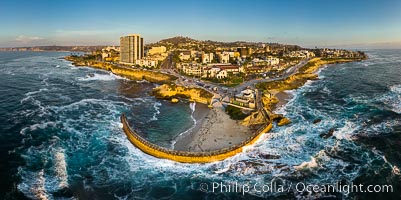
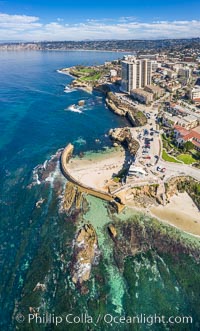
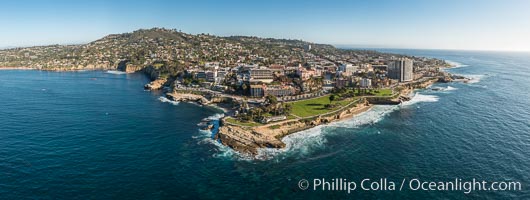
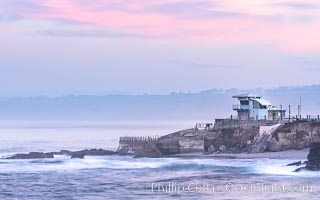
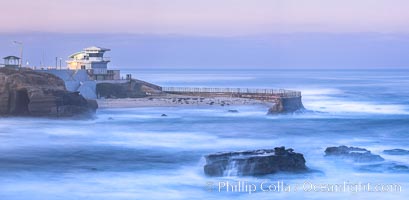
The Children's Pool in La Jolla, also known as Casa Cove, is a small pocket cove protected by a curving seawall, with the rocky coastline and cottages and homes of La Jolla seen behind it. Casa Picture.
Image ID: 22302  
Location: La Jolla, California, USA
 
Lily Pond, Casa de Balboa and House of Hospitality, infrared. Stock Photography of Casa.
Image ID: 23101  
Location: Balboa Park, San Diego, California, USA
 
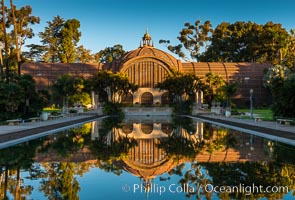
Cortez rainbow wrasse schooling over reef in mating display, Sea of Cortez, Baja California, Mexico, Thalassoma lucasanum The Botanical Building in Balboa Park, San Diego.  The Botanical Building, at 250 feet long by 75 feet wide and 60 feet tall, was the largest wood lath structure in the world when it was built in 1915 for the Panama-California Exposition. The Botanical Building, located on the Prado, west of the Museum of Art, contains about 2,100 permanent tropical plants along with changing seasonal flowers. The Lily Pond, just south of the Botanical Building, is an eloquent example of the use of reflecting pools to enhance architecture. The 193 by 43 foot pond and smaller companion pool were originally referred to as Las Lagunas de las Flores (The Lakes of the Flowers) and were designed as aquatic gardens. The pools contain exotic water lilies and lotus which bloom spring through fall.  Balboa Park, San Diego The Botanical Building in Balboa Park, San Diego.  The Botanical Building, at 250 feet long by 75 feet wide and 60 feet tall, was the largest wood lath structure in the world when it was built in 1915 for the Panama-California Exposition. The Botanical Building, located on the Prado, west of the Museum of Art, contains about 2,100 permanent tropical plants along with changing seasonal flowers. The Lily Pond, just south of the Botanical Building, is an eloquent example of the use of reflecting pools to enhance architecture. The 193 by 43 foot pond and smaller companion pool were originally referred to as Las Lagunas de las Flores (The Lakes of the Flowers) and were designed as aquatic gardens. The pools contain exotic water lilies and lotus which bloom spring through fall.  Balboa Park, San Diego
Cortez rainbow wrasse schooling over reef in mating display, Sea of Cortez, Baja California, Mexico. Photograph of Casa.
Image ID: 27577  
Species: Rainbow wrasse, Thalassoma lucasanum
Location: Sea of Cortez, Baja California, Mexico
 
The Botanical Building in Balboa Park, San Diego. The Botanical Building, at 250 feet long by 75 feet wide and 60 feet tall, was the largest wood lath structure in the world when it was built in 1915 for the Panama-California Exposition. The Botanical Building, located on the Prado, west of the Museum of Art, contains about 2,100 permanent tropical plants along with changing seasonal flowers. The Lily Pond, just south of the Botanical Building, is an eloquent example of the use of reflecting pools to enhance architecture. The 193 by 43 foot pond and smaller companion pool were originally referred to as Las Lagunas de las Flores (The Lakes of the Flowers) and were designed as aquatic gardens. The pools contain exotic water lilies and lotus which bloom spring through fall. Balboa Park, San Diego. Casa Photos.
Image ID: 14578  
Location: Balboa Park, San Diego, California, USA
 
The Botanical Building in Balboa Park, San Diego. The Botanical Building, at 250 feet long by 75 feet wide and 60 feet tall, was the largest wood lath structure in the world when it was built in 1915 for the Panama-California Exposition. The Botanical Building, located on the Prado, west of the Museum of Art, contains about 2,100 permanent tropical plants along with changing seasonal flowers. The Lily Pond, just south of the Botanical Building, is an eloquent example of the use of reflecting pools to enhance architecture. The 193 by 43 foot pond and smaller companion pool were originally referred to as Las Lagunas de las Flores (The Lakes of the Flowers) and were designed as aquatic gardens. The pools contain exotic water lilies and lotus which bloom spring through fall. Balboa Park, San Diego. Casa Image.
Image ID: 14582  
Location: Balboa Park, San Diego, California, USA
 
The Botanical Building in Balboa Park, San Diego. The Botanical Building, at 250 feet long by 75 feet wide and 60 feet tall, was the largest wood lath structure in the world when it was built in 1915 for the Panama-California Exposition. The Botanical Building, located on the Prado, west of the Museum of Art, contains about 2,100 permanent tropical plants along with changing seasonal flowers. The Lily Pond, just south of the Botanical Building, is an eloquent example of the use of reflecting pools to enhance architecture. The 193 by 43 foot pond and smaller companion pool were originally referred to as Las Lagunas de las Flores (The Lakes of the Flowers) and were designed as aquatic gardens. The pools contain exotic water lilies and lotus which bloom spring through fall The Children's Pool in La Jolla, also known as Casa Cove, is a small pocket cove protected by a curving seawall, with the rocky coastline and cottages and homes of La Jolla seen behind it The Children's Pool in La Jolla, also known as Casa Cove, is a small pocket cove protected by a curving seawall, with the rocky coastline and cottages and homes of La Jolla seen behind it
The Botanical Building in Balboa Park, San Diego. The Botanical Building, at 250 feet long by 75 feet wide and 60 feet tall, was the largest wood lath structure in the world when it was built in 1915 for the Panama-California Exposition. The Botanical Building, located on the Prado, west of the Museum of Art, contains about 2,100 permanent tropical plants along with changing seasonal flowers. The Lily Pond, just south of the Botanical Building, is an eloquent example of the use of reflecting pools to enhance architecture. The 193 by 43 foot pond and smaller companion pool were originally referred to as Las Lagunas de las Flores (The Lakes of the Flowers) and were designed as aquatic gardens. The pools contain exotic water lilies and lotus which bloom spring through fall. Professional stock photos of Casa.
Image ID: 23096  
Location: Balboa Park, San Diego, California, USA
 
The Children's Pool in La Jolla, also known as Casa Cove, is a small pocket cove protected by a curving seawall, with the rocky coastline and cottages and homes of La Jolla seen behind it. Pictures of Casa.
Image ID: 22360  
Location: La Jolla, California, USA
 
The Children's Pool in La Jolla, also known as Casa Cove, is a small pocket cove protected by a curving seawall, with the rocky coastline and cottages and homes of La Jolla seen behind it. Casa Photo.
Image ID: 22395  
Location: La Jolla, California, USA
 
The Children's Pool in La Jolla, also known as Casa Cove, is a small pocket cove protected by a curving seawall, with the rocky coastline and cottages and homes of La Jolla seen behind it The Botanical Building in Balboa Park, San Diego.  The Botanical Building, at 250 feet long by 75 feet wide and 60 feet tall, was the largest wood lath structure in the world when it was built in 1915 for the Panama-California Exposition. The Botanical Building, located on the Prado, west of the Museum of Art, contains about 2,100 permanent tropical plants along with changing seasonal flowers. The Lily Pond, just south of the Botanical Building, is an eloquent example of the use of reflecting pools to enhance architecture. The 193 by 43 foot pond and smaller companion pool were originally referred to as Las Lagunas de las Flores (The Lakes of the Flowers) and were designed as aquatic gardens. The pools contain exotic water lilies and lotus which bloom spring through fall.  Balboa Park, San Diego The Botanical Building in Balboa Park, San Diego.  The Botanical Building, at 250 feet long by 75 feet wide and 60 feet tall, was the largest wood lath structure in the world when it was built in 1915 for the Panama-California Exposition. The Botanical Building, located on the Prado, west of the Museum of Art, contains about 2,100 permanent tropical plants along with changing seasonal flowers. The Lily Pond, just south of the Botanical Building, is an eloquent example of the use of reflecting pools to enhance architecture. The 193 by 43 foot pond and smaller companion pool were originally referred to as Las Lagunas de las Flores (The Lakes of the Flowers) and were designed as aquatic gardens. The pools contain exotic water lilies and lotus which bloom spring through fall.  Balboa Park, San Diego
The Children's Pool in La Jolla, also known as Casa Cove, is a small pocket cove protected by a curving seawall, with the rocky coastline and cottages and homes of La Jolla seen behind it. Casa Picture.
Image ID: 22464  
Location: La Jolla, California, USA
 
The Botanical Building in Balboa Park, San Diego. The Botanical Building, at 250 feet long by 75 feet wide and 60 feet tall, was the largest wood lath structure in the world when it was built in 1915 for the Panama-California Exposition. The Botanical Building, located on the Prado, west of the Museum of Art, contains about 2,100 permanent tropical plants along with changing seasonal flowers. The Lily Pond, just south of the Botanical Building, is an eloquent example of the use of reflecting pools to enhance architecture. The 193 by 43 foot pond and smaller companion pool were originally referred to as Las Lagunas de las Flores (The Lakes of the Flowers) and were designed as aquatic gardens. The pools contain exotic water lilies and lotus which bloom spring through fall. Balboa Park, San Diego. Stock Photography of Casa.
Image ID: 11273  
Location: Balboa Park, San Diego, California, USA
 
The Botanical Building in Balboa Park, San Diego. The Botanical Building, at 250 feet long by 75 feet wide and 60 feet tall, was the largest wood lath structure in the world when it was built in 1915 for the Panama-California Exposition. The Botanical Building, located on the Prado, west of the Museum of Art, contains about 2,100 permanent tropical plants along with changing seasonal flowers. The Lily Pond, just south of the Botanical Building, is an eloquent example of the use of reflecting pools to enhance architecture. The 193 by 43 foot pond and smaller companion pool were originally referred to as Las Lagunas de las Flores (The Lakes of the Flowers) and were designed as aquatic gardens. The pools contain exotic water lilies and lotus which bloom spring through fall. Balboa Park, San Diego. Photograph of Casa.
Image ID: 14575  
Location: Balboa Park, San Diego, California, USA
 
The Botanical Building in Balboa Park, San Diego.  The Botanical Building, at 250 feet long by 75 feet wide and 60 feet tall, was the largest wood lath structure in the world when it was built in 1915 for the Panama-California Exposition. The Botanical Building, located on the Prado, west of the Museum of Art, contains about 2,100 permanent tropical plants along with changing seasonal flowers. The Lily Pond, just south of the Botanical Building, is an eloquent example of the use of reflecting pools to enhance architecture. The 193 by 43 foot pond and smaller companion pool were originally referred to as Las Lagunas de las Flores (The Lakes of the Flowers) and were designed as aquatic gardens. The pools contain exotic water lilies and lotus which bloom spring through fall.  Balboa Park, San Diego The Botanical Building in Balboa Park, San Diego.  The Botanical Building, at 250 feet long by 75 feet wide and 60 feet tall, was the largest wood lath structure in the world when it was built in 1915 for the Panama-California Exposition. The Botanical Building, located on the Prado, west of the Museum of Art, contains about 2,100 permanent tropical plants along with changing seasonal flowers. The Lily Pond, just south of the Botanical Building, is an eloquent example of the use of reflecting pools to enhance architecture. The 193 by 43 foot pond and smaller companion pool were originally referred to as Las Lagunas de las Flores (The Lakes of the Flowers) and were designed as aquatic gardens. The pools contain exotic water lilies and lotus which bloom spring through fall.  Balboa Park, San Diego The Botanical Building in Balboa Park, San Diego.  The Botanical Building, at 250 feet long by 75 feet wide and 60 feet tall, was the largest wood lath structure in the world when it was built in 1915 for the Panama-California Exposition. The Botanical Building, located on the Prado, west of the Museum of Art, contains about 2,100 permanent tropical plants along with changing seasonal flowers. The Lily Pond, just south of the Botanical Building, is an eloquent example of the use of reflecting pools to enhance architecture. The 193 by 43 foot pond and smaller companion pool were originally referred to as Las Lagunas de las Flores (The Lakes of the Flowers) and were designed as aquatic gardens. The pools contain exotic water lilies and lotus which bloom spring through fall.  Balboa Park, San Diego
The Botanical Building in Balboa Park, San Diego. The Botanical Building, at 250 feet long by 75 feet wide and 60 feet tall, was the largest wood lath structure in the world when it was built in 1915 for the Panama-California Exposition. The Botanical Building, located on the Prado, west of the Museum of Art, contains about 2,100 permanent tropical plants along with changing seasonal flowers. The Lily Pond, just south of the Botanical Building, is an eloquent example of the use of reflecting pools to enhance architecture. The 193 by 43 foot pond and smaller companion pool were originally referred to as Las Lagunas de las Flores (The Lakes of the Flowers) and were designed as aquatic gardens. The pools contain exotic water lilies and lotus which bloom spring through fall. Balboa Park, San Diego. Casa Photos.
Image ID: 14576  
Location: Balboa Park, San Diego, California, USA
 
The Botanical Building in Balboa Park, San Diego. The Botanical Building, at 250 feet long by 75 feet wide and 60 feet tall, was the largest wood lath structure in the world when it was built in 1915 for the Panama-California Exposition. The Botanical Building, located on the Prado, west of the Museum of Art, contains about 2,100 permanent tropical plants along with changing seasonal flowers. The Lily Pond, just south of the Botanical Building, is an eloquent example of the use of reflecting pools to enhance architecture. The 193 by 43 foot pond and smaller companion pool were originally referred to as Las Lagunas de las Flores (The Lakes of the Flowers) and were designed as aquatic gardens. The pools contain exotic water lilies and lotus which bloom spring through fall. Balboa Park, San Diego. Casa Image.
Image ID: 14577  
Location: Balboa Park, San Diego, California, USA
 
The Botanical Building in Balboa Park, San Diego. The Botanical Building, at 250 feet long by 75 feet wide and 60 feet tall, was the largest wood lath structure in the world when it was built in 1915 for the Panama-California Exposition. The Botanical Building, located on the Prado, west of the Museum of Art, contains about 2,100 permanent tropical plants along with changing seasonal flowers. The Lily Pond, just south of the Botanical Building, is an eloquent example of the use of reflecting pools to enhance architecture. The 193 by 43 foot pond and smaller companion pool were originally referred to as Las Lagunas de las Flores (The Lakes of the Flowers) and were designed as aquatic gardens. The pools contain exotic water lilies and lotus which bloom spring through fall. Balboa Park, San Diego. Professional stock photos of Casa.
Image ID: 14579  
Location: Balboa Park, San Diego, California, USA
 
The Botanical Building in Balboa Park, San Diego.  The Botanical Building, at 250 feet long by 75 feet wide and 60 feet tall, was the largest wood lath structure in the world when it was built in 1915 for the Panama-California Exposition. The Botanical Building, located on the Prado, west of the Museum of Art, contains about 2,100 permanent tropical plants along with changing seasonal flowers. The Lily Pond, just south of the Botanical Building, is an eloquent example of the use of reflecting pools to enhance architecture. The 193 by 43 foot pond and smaller companion pool were originally referred to as Las Lagunas de las Flores (The Lakes of the Flowers) and were designed as aquatic gardens. The pools contain exotic water lilies and lotus which bloom spring through fall.  Balboa Park, San Diego The Botanical Building in Balboa Park, San Diego.  The Botanical Building, at 250 feet long by 75 feet wide and 60 feet tall, was the largest wood lath structure in the world when it was built in 1915 for the Panama-California Exposition. The Botanical Building, located on the Prado, west of the Museum of Art, contains about 2,100 permanent tropical plants along with changing seasonal flowers. The Lily Pond, just south of the Botanical Building, is an eloquent example of the use of reflecting pools to enhance architecture. The 193 by 43 foot pond and smaller companion pool were originally referred to as Las Lagunas de las Flores (The Lakes of the Flowers) and were designed as aquatic gardens. The pools contain exotic water lilies and lotus which bloom spring through fall.  Balboa Park, San Diego The Botanical Building in Balboa Park, San Diego.  The Botanical Building, at 250 feet long by 75 feet wide and 60 feet tall, was the largest wood lath structure in the world when it was built in 1915 for the Panama-California Exposition. The Botanical Building, located on the Prado, west of the Museum of Art, contains about 2,100 permanent tropical plants along with changing seasonal flowers. The Lily Pond, just south of the Botanical Building, is an eloquent example of the use of reflecting pools to enhance architecture. The 193 by 43 foot pond and smaller companion pool were originally referred to as Las Lagunas de las Flores (The Lakes of the Flowers) and were designed as aquatic gardens. The pools contain exotic water lilies and lotus which bloom spring through fall.  Balboa Park, San Diego
The Botanical Building in Balboa Park, San Diego. The Botanical Building, at 250 feet long by 75 feet wide and 60 feet tall, was the largest wood lath structure in the world when it was built in 1915 for the Panama-California Exposition. The Botanical Building, located on the Prado, west of the Museum of Art, contains about 2,100 permanent tropical plants along with changing seasonal flowers. The Lily Pond, just south of the Botanical Building, is an eloquent example of the use of reflecting pools to enhance architecture. The 193 by 43 foot pond and smaller companion pool were originally referred to as Las Lagunas de las Flores (The Lakes of the Flowers) and were designed as aquatic gardens. The pools contain exotic water lilies and lotus which bloom spring through fall. Balboa Park, San Diego. Pictures of Casa.
Image ID: 14580  
Location: Balboa Park, San Diego, California, USA
 
The Botanical Building in Balboa Park, San Diego. The Botanical Building, at 250 feet long by 75 feet wide and 60 feet tall, was the largest wood lath structure in the world when it was built in 1915 for the Panama-California Exposition. The Botanical Building, located on the Prado, west of the Museum of Art, contains about 2,100 permanent tropical plants along with changing seasonal flowers. The Lily Pond, just south of the Botanical Building, is an eloquent example of the use of reflecting pools to enhance architecture. The 193 by 43 foot pond and smaller companion pool were originally referred to as Las Lagunas de las Flores (The Lakes of the Flowers) and were designed as aquatic gardens. The pools contain exotic water lilies and lotus which bloom spring through fall. Balboa Park, San Diego. Casa Photo.
Image ID: 14581  
Location: Balboa Park, San Diego, California, USA
 
The Botanical Building in Balboa Park, San Diego. The Botanical Building, at 250 feet long by 75 feet wide and 60 feet tall, was the largest wood lath structure in the world when it was built in 1915 for the Panama-California Exposition. The Botanical Building, located on the Prado, west of the Museum of Art, contains about 2,100 permanent tropical plants along with changing seasonal flowers. The Lily Pond, just south of the Botanical Building, is an eloquent example of the use of reflecting pools to enhance architecture. The 193 by 43 foot pond and smaller companion pool were originally referred to as Las Lagunas de las Flores (The Lakes of the Flowers) and were designed as aquatic gardens. The pools contain exotic water lilies and lotus which bloom spring through fall. Balboa Park, San Diego. Casa Picture.
Image ID: 14583  
Location: Balboa Park, San Diego, California, USA
 
The Botanical Building in Balboa Park, San Diego.  The Botanical Building, at 250 feet long by 75 feet wide and 60 feet tall, was the largest wood lath structure in the world when it was built in 1915 for the Panama-California Exposition. The Botanical Building, located on the Prado, west of the Museum of Art, contains about 2,100 permanent tropical plants along with changing seasonal flowers. The Lily Pond, just south of the Botanical Building, is an eloquent example of the use of reflecting pools to enhance architecture. The 193 by 43 foot pond and smaller companion pool were originally referred to as Las Lagunas de las Flores (The Lakes of the Flowers) and were designed as aquatic gardens. The pools contain exotic water lilies and lotus which bloom spring through fall.  Balboa Park, San Diego The Prado, or El Prado, the main east-west walkway through the heart of Balboa Park, is named for the Paseo del Prado in Madrid.  Balboa Park, San Diego, California The Prado, or El Prado, the main east-west walkway through the heart of Balboa Park, is named for the Paseo del Prado in Madrid.  Balboa Park, San Diego, California
The Botanical Building in Balboa Park, San Diego. The Botanical Building, at 250 feet long by 75 feet wide and 60 feet tall, was the largest wood lath structure in the world when it was built in 1915 for the Panama-California Exposition. The Botanical Building, located on the Prado, west of the Museum of Art, contains about 2,100 permanent tropical plants along with changing seasonal flowers. The Lily Pond, just south of the Botanical Building, is an eloquent example of the use of reflecting pools to enhance architecture. The 193 by 43 foot pond and smaller companion pool were originally referred to as Las Lagunas de las Flores (The Lakes of the Flowers) and were designed as aquatic gardens. The pools contain exotic water lilies and lotus which bloom spring through fall. Balboa Park, San Diego. Stock Photography of Casa.
Image ID: 14584  
Location: Balboa Park, San Diego, California, USA
 
The Prado, or El Prado, the main east-west walkway through the heart of Balboa Park, is named for the Paseo del Prado in Madrid. Balboa Park. Photograph of Casa.
Image ID: 14603  
Location: Balboa Park, San Diego, California, USA
 
The Prado, or El Prado, the main east-west walkway through the heart of Balboa Park, is named for the Paseo del Prado in Madrid. Balboa Park. Casa Photos.
Image ID: 14604  
Location: Balboa Park, San Diego, California, USA
 
The Prado, or El Prado, the main east-west walkway through the heart of Balboa Park, is named for the Paseo del Prado in Madrid.  Balboa Park, San Diego, California The Junior Theatre, part of the Casa del Prado in Balboa Park, San Diego, California Casa del Prado, South Facade, Balboa Park, San Diego, California
The Prado, or El Prado, the main east-west walkway through the heart of Balboa Park, is named for the Paseo del Prado in Madrid. Balboa Park. Casa Image.
Image ID: 14605  
Location: Balboa Park, San Diego, California, USA
 
The Junior Theatre, part of the Casa del Prado in Balboa Park. Professional stock photos of Casa.
Image ID: 14608  
Location: Balboa Park, San Diego, California, USA
 
Casa del Prado, South Facade. Pictures of Casa.
Image ID: 14609  
Location: Balboa Park, San Diego, California, USA
 
Casa del Prado, South Facade, Balboa Park, San Diego, California Casa del Prado, South Facade, Balboa Park, San Diego, California Detail of the ornate south facade of the Casa del Prado, Balboa Park, San Diego, California
Casa del Prado, South Facade. Casa Photo.
Image ID: 14610  
Location: Balboa Park, San Diego, California, USA
 
Casa del Prado, South Facade. Casa Picture.
Image ID: 14611  
Location: Balboa Park, San Diego, California, USA
 
Detail of the ornate south facade of the Casa del Prado. Stock Photography of Casa.
Image ID: 14612  
Location: Balboa Park, San Diego, California, USA
 
Detail of the ornate south facade of the Casa del Prado, Balboa Park, San Diego, California Casa del Prado, South Facade, Balboa Park, San Diego, California Casa del Prado, South Facade, Balboa Park, San Diego, California
Detail of the ornate south facade of the Casa del Prado. Photograph of Casa.
Image ID: 14613  
Location: Balboa Park, San Diego, California, USA
 
Casa del Prado, South Facade. Casa Photos.
Image ID: 14614  
Location: Balboa Park, San Diego, California, USA
 
Casa del Prado, South Facade. Casa Image.
Image ID: 14615  
Location: Balboa Park, San Diego, California, USA


Natural History Photography Blog posts (4) related to Casa


Related Topics:


Keywords:

Page:   -1- 2   Next ›››   New Search
Categories Appearing Among These Images:
Gallery  >  Canon 7D Samples
Gallery  >  La Jolla
Gallery  >  New Work - November 2011
Gallery  >  New Work November 2011
Gallery  >  Ocean And Motion
Gallery  >  San Diego
Gallery  >  San Diego Aerial
Location  >  USA  >  California  >  San Diego  >  Balboa Park
Location  >  USA  >  California  >  San Diego  >  Balboa Park  >  Botanical Building
Location  >  USA  >  California  >  San Diego  >  La Jolla
Location  >  World  >  Mexico  >  Sea of Cortez
Subject  >  Technique  >  Aerial Photo
Subject  >  Technique  >  Infrared Photography
Subject  >  Technique  >  Panasonic Lumix
Subject  >  Technique  >  Underwater

Species Appearing Among These Images:
Thalassoma lucasanum

Natural History Photography Blog posts (4) related to Casa
La Jolla Photos
Children's Pool, La Jolla
Rough Sex Redux
Photos of La Jolla Seals

Search for:     

Updated: February 9, 2012