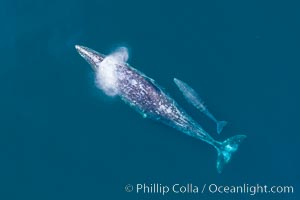
Mother and calf gray whale, aerial photo, embryonic folds visible on the very young calf.
Species: Gray whale, Eschrichtius robustus
Image ID: 37973
Species: Gray whale, Eschrichtius robustus
Image ID: 37973
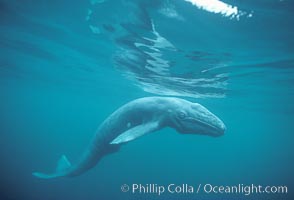
A neonate gray whale calf, born just hours before, still exhbiting embryonic folds in the skin along its side. This baby gray whale was born in the cold waters of Big Sur, far to the north of the Mexican lagoons of Baja California where most gray whale births take place.
Species: Gray whale, Eschrichtius robustus
Location: Monterey, California
Image ID: 01135
Species: Gray whale, Eschrichtius robustus
Location: Monterey, California
Image ID: 01135
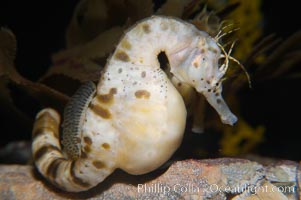
Pot-bellied seahorse, male, carrying eggs. The developing embryos are nourished by individual yolk sacs, and oxygen is supplied through a placenta-like attachment to the male. Two to six weeks after fertilization, the male gives birth. The babies must then fend for themselves, and few survive to adulthood.
Species: Pot-bellied seahorse, Hippocampus abdominalis
Image ID: 14472
Species: Pot-bellied seahorse, Hippocampus abdominalis
Image ID: 14472
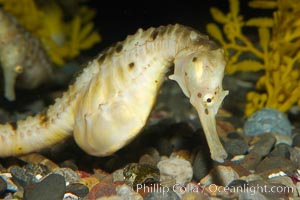
Pot-bellied seahorse, male, carrying eggs. The developing embryos are nourished by individual yolk sacs, and oxygen is supplied through a placenta-like attachment to the male. Two to six weeks after fertilization, the male gives birth. The babies must then fend for themselves, and few survive to adulthood.
Species: Pot-bellied seahorse, Hippocampus abdominalis
Image ID: 14558
Species: Pot-bellied seahorse, Hippocampus abdominalis
Image ID: 14558
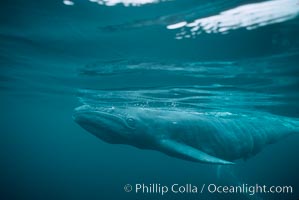
Gray whale, neonate calf with embryonic folds visible.
Species: Gray whale, Eschrichtius robustus
Location: Monterey, California
Image ID: 01129
Species: Gray whale, Eschrichtius robustus
Location: Monterey, California
Image ID: 01129
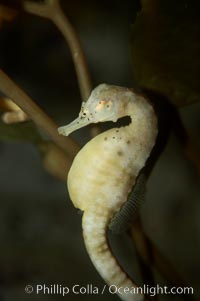
Pot-bellied seahorse, male, carrying eggs. The developing embryos are nourished by individual yolk sacs, and oxygen is supplied through a placenta-like attachment to the male. Two to six weeks after fertilization, the male gives birth. The babies must then fend for themselves, and few survive to adulthood.
Species: Pot-bellied seahorse, Hippocampus abdominalis
Image ID: 11027
Species: Pot-bellied seahorse, Hippocampus abdominalis
Image ID: 11027
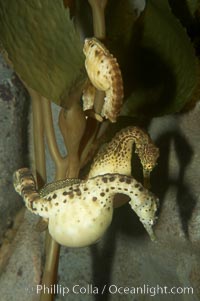
Pot-bellied seahorse, male, carrying eggs. The developing embryos are nourished by individual yolk sacs, and oxygen is supplied through a placenta-like attachment to the male. Two to six weeks after fertilization, the male gives birth. The babies must then fend for themselves, and few survive to adulthood.
Species: Pot-bellied seahorse, Hippocampus abdominalis
Image ID: 11031
Species: Pot-bellied seahorse, Hippocampus abdominalis
Image ID: 11031
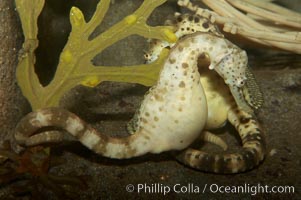
Pot-bellied seahorse, male, carrying eggs. The developing embryos are nourished by individual yolk sacs, and oxygen is supplied through a placenta-like attachment to the male. Two to six weeks after fertilization, the male gives birth. The babies must then fend for themselves, and few survive to adulthood.
Species: Pot-bellied seahorse, Hippocampus abdominalis
Image ID: 11032
Species: Pot-bellied seahorse, Hippocampus abdominalis
Image ID: 11032
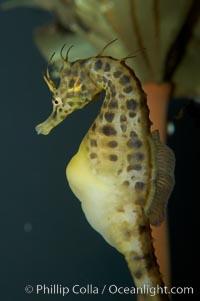
Pot-bellied seahorse, male, carrying eggs. The developing embryos are nourished by individual yolk sacs, and oxygen is supplied through a placenta-like attachment to the male. Two to six weeks after fertilization, the male gives birth. The babies must then fend for themselves, and few survive to adulthood.
Species: Pot-bellied seahorse, Hippocampus abdominalis
Image ID: 11897
Species: Pot-bellied seahorse, Hippocampus abdominalis
Image ID: 11897
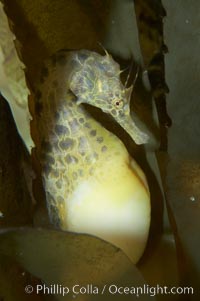
Pot-bellied seahorse, male, carrying eggs. The developing embryos are nourished by individual yolk sacs, and oxygen is supplied through a placenta-like attachment to the male. Two to six weeks after fertilization, the male gives birth. The babies must then fend for themselves, and few survive to adulthood.
Species: Pot-bellied seahorse, Hippocampus abdominalis
Image ID: 11898
Species: Pot-bellied seahorse, Hippocampus abdominalis
Image ID: 11898
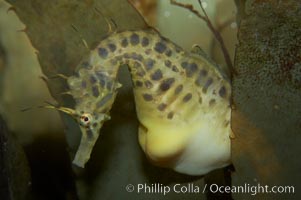
Pot-bellied seahorse, male, carrying eggs. The developing embryos are nourished by individual yolk sacs, and oxygen is supplied through a placenta-like attachment to the male. Two to six weeks after fertilization, the male gives birth. The babies must then fend for themselves, and few survive to adulthood.
Species: Pot-bellied seahorse, Hippocampus abdominalis
Image ID: 11900
Species: Pot-bellied seahorse, Hippocampus abdominalis
Image ID: 11900
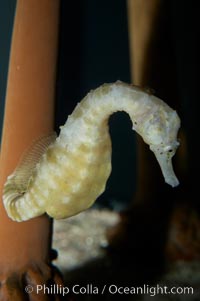
Pot-bellied seahorse, male, carrying eggs. The developing embryos are nourished by individual yolk sacs, and oxygen is supplied through a placenta-like attachment to the male. Two to six weeks after fertilization, the male gives birth. The babies must then fend for themselves, and few survive to adulthood.
Species: Pot-bellied seahorse, Hippocampus abdominalis
Image ID: 11901
Species: Pot-bellied seahorse, Hippocampus abdominalis
Image ID: 11901
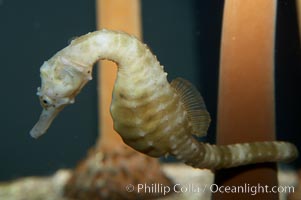
Pot-bellied seahorse, male, carrying eggs. The developing embryos are nourished by individual yolk sacs, and oxygen is supplied through a placenta-like attachment to the male. Two to six weeks after fertilization, the male gives birth. The babies must then fend for themselves, and few survive to adulthood.
Species: Pot-bellied seahorse, Hippocampus abdominalis
Image ID: 11902
Species: Pot-bellied seahorse, Hippocampus abdominalis
Image ID: 11902
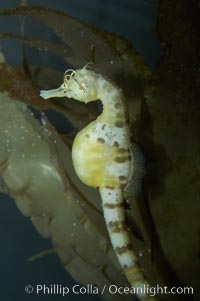
Pot-bellied seahorse, male, carrying eggs. The developing embryos are nourished by individual yolk sacs, and oxygen is supplied through a placenta-like attachment to the male. Two to six weeks after fertilization, the male gives birth. The babies must then fend for themselves, and few survive to adulthood.
Species: Pot-bellied seahorse, Hippocampus abdominalis
Image ID: 11903
Species: Pot-bellied seahorse, Hippocampus abdominalis
Image ID: 11903
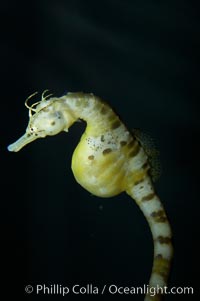
Pot-bellied seahorse, male, carrying eggs. The developing embryos are nourished by individual yolk sacs, and oxygen is supplied through a placenta-like attachment to the male. Two to six weeks after fertilization, the male gives birth. The babies must then fend for themselves, and few survive to adulthood.
Species: Pot-bellied seahorse, Hippocampus abdominalis
Image ID: 11904
Species: Pot-bellied seahorse, Hippocampus abdominalis
Image ID: 11904
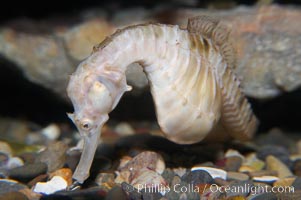
Pot-bellied seahorse, male, carrying eggs. The developing embryos are nourished by individual yolk sacs, and oxygen is supplied through a placenta-like attachment to the male. Two to six weeks after fertilization, the male gives birth. The babies must then fend for themselves, and few survive to adulthood.
Species: Pot-bellied seahorse, Hippocampus abdominalis
Image ID: 14473
Species: Pot-bellied seahorse, Hippocampus abdominalis
Image ID: 14473
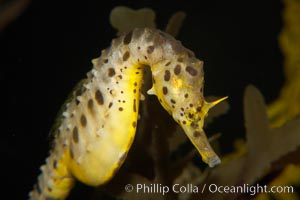
Pot-bellied seahorse, male, carrying eggs. The developing embryos are nourished by individual yolk sacs, and oxygen is supplied through a placenta-like attachment to the male. Two to six weeks after fertilization, the male gives birth. The babies must then fend for themselves, and few survive to adulthood.
Species: Pot-bellied seahorse, Hippocampus abdominalis
Image ID: 14474
Species: Pot-bellied seahorse, Hippocampus abdominalis
Image ID: 14474
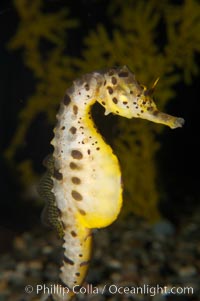
Pot-bellied seahorse, male, carrying eggs. The developing embryos are nourished by individual yolk sacs, and oxygen is supplied through a placenta-like attachment to the male. Two to six weeks after fertilization, the male gives birth. The babies must then fend for themselves, and few survive to adulthood.
Species: Pot-bellied seahorse, Hippocampus abdominalis
Image ID: 14475
Species: Pot-bellied seahorse, Hippocampus abdominalis
Image ID: 14475
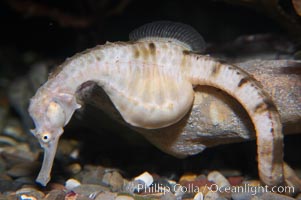
Pot-bellied seahorse, male, carrying eggs. The developing embryos are nourished by individual yolk sacs, and oxygen is supplied through a placenta-like attachment to the male. Two to six weeks after fertilization, the male gives birth. The babies must then fend for themselves, and few survive to adulthood.
Species: Pot-bellied seahorse, Hippocampus abdominalis
Image ID: 14476
Species: Pot-bellied seahorse, Hippocampus abdominalis
Image ID: 14476
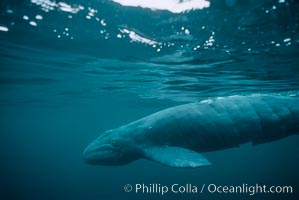
Gray whale, neonate calf with embryonic folds visible.
Species: Gray whale, Eschrichtius robustus
Location: Monterey, California
Image ID: 05773
Species: Gray whale, Eschrichtius robustus
Location: Monterey, California
Image ID: 05773
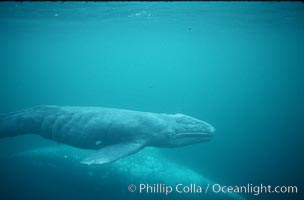
Gray whale, neonate calf, Monterey.
Species: Gray whale, Eschrichtius robustus
Location: Big Sur, California
Image ID: 05772
Species: Gray whale, Eschrichtius robustus
Location: Big Sur, California
Image ID: 05772
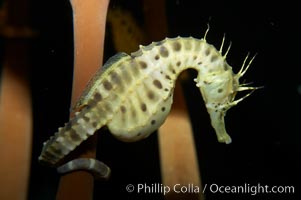
Pot-bellied seahorse, male, carrying eggs. The developing embryos are nourished by individual yolk sacs, and oxygen is supplied through a placenta-like attachment to the male. Two to six weeks after fertilization, the male gives birth. The babies must then fend for themselves, and few survive to adulthood.
Species: Pot-bellied seahorse, Hippocampus abdominalis
Image ID: 11895
Species: Pot-bellied seahorse, Hippocampus abdominalis
Image ID: 11895
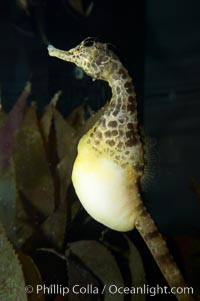
Pot-bellied seahorse, male, carrying eggs. The developing embryos are nourished by individual yolk sacs, and oxygen is supplied through a placenta-like attachment to the male. Two to six weeks after fertilization, the male gives birth. The babies must then fend for themselves, and few survive to adulthood.
Species: Pot-bellied seahorse, Hippocampus abdominalis
Image ID: 11896
Species: Pot-bellied seahorse, Hippocampus abdominalis
Image ID: 11896
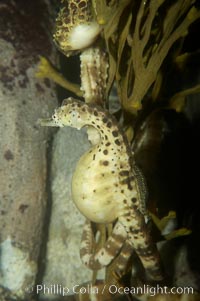
Pot-bellied seahorse, male, carrying eggs. The developing embryos are nourished by individual yolk sacs, and oxygen is supplied through a placenta-like attachment to the male. Two to six weeks after fertilization, the male gives birth. The babies must then fend for themselves, and few survive to adulthood.
Species: Pot-bellied seahorse, Hippocampus abdominalis
Image ID: 11029
Species: Pot-bellied seahorse, Hippocampus abdominalis
Image ID: 11029
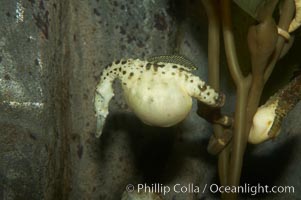
Pot-bellied seahorse, male, carrying eggs. The developing embryos are nourished by individual yolk sacs, and oxygen is supplied through a placenta-like attachment to the male. Two to six weeks after fertilization, the male gives birth. The babies must then fend for themselves, and few survive to adulthood.
Species: Pot-bellied seahorse, Hippocampus abdominalis
Image ID: 11030
Species: Pot-bellied seahorse, Hippocampus abdominalis
Image ID: 11030