Hot Spring Photo


-1- 2 3 4 5    Next ›››

Home   >   Blog   >   Search   >   Hot Spring
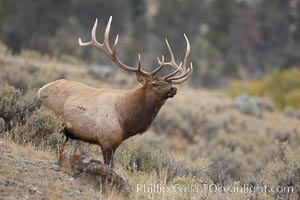
Male elk bugling during the fall rut. Large male elk are known as bulls. Male elk have large antlers which are shed each year. Male elk engage in competitive mating behaviors during the rut, including posturing, antler wrestling and bugling, a loud series of screams which is intended to establish dominance over other males and attract females, Cervus canadensis, Mammoth Hot Springs, Yellowstone National Park, Wyoming Grand Prismatic Spring (left) and Excelsior Geyser (right).  Grand Prismatic Spring displays a stunning rainbow of colors created by species of thermophilac (heat-loving) bacteria that thrive in narrow temperature ranges.  The blue water in the center is too hot to support any bacterial life, while the outer orange rings are the coolest water.  Grand Prismatic Spring is the largest spring in the United States and the third-largest in the world.  Midway Geyser Basin, Yellowstone National Park, Wyoming Male elk bugling during the fall rut. Large male elk are known as bulls. Male elk have large antlers which are shed each year. Male elk engage in competitive mating behaviors during the rut, including posturing, antler wrestling and bugling, a loud series of screams which is intended to establish dominance over other males and attract females, Cervus canadensis, Mammoth Hot Springs, Yellowstone National Park, Wyoming
Male elk bugling during the fall rut. Large male elk are known as bulls. Male elk have large antlers which are shed each year. Male elk engage in competitive mating behaviors during the rut, including posturing, antler wrestling and bugling, a loud series of screams which is intended to establish dominance over other males and attract females. Hot Spring Photo.
Image ID: 19693  
Species: Elk, Cervus canadensis
Location: Mammoth Hot Springs, Yellowstone National Park, Wyoming, USA
 
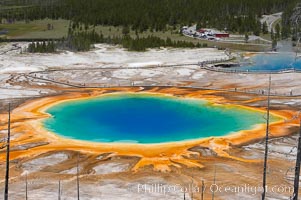
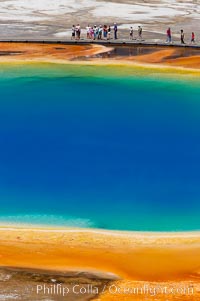
Grand Prismatic Spring (left) and Excelsior Geyser (right). Grand Prismatic Spring displays a stunning rainbow of colors created by species of thermophilac (heat-loving) bacteria that thrive in narrow temperature ranges. The blue water in the center is too hot to support any bacterial life, while the outer orange rings are the coolest water. Grand Prismatic Spring is the largest spring in the United States and the third-largest in the world. Midway Geyser Basin. Hot Spring Picture.
Image ID: 13571  
Location: Midway Geyser Basin, Yellowstone National Park, Wyoming, USA
 
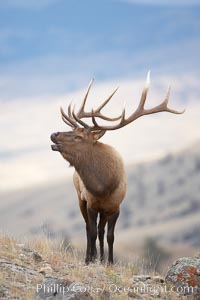
Male elk bugling during the fall rut. Large male elk are known as bulls. Male elk have large antlers which are shed each year. Male elk engage in competitive mating behaviors during the rut, including posturing, antler wrestling and bugling, a loud series of screams which is intended to establish dominance over other males and attract females. Stock Photography of Hot Spring.
Image ID: 19698  
Species: Elk, Cervus canadensis
Location: Mammoth Hot Springs, Yellowstone National Park, Wyoming, USA
 
Elk, bull elk, adult male elk with large set of antlers.  By September, this bull elk's antlers have reached their full size and the velvet has fallen off. This bull elk has sparred with other bulls for access to herds of females in estrous and ready to mate, Cervus canadensis, Mammoth Hot Springs, Yellowstone National Park, Wyoming Bull elk in sage brush with large rack of antlers during the fall rut (mating season).  This bull elk has sparred with other bulls to establish his harem of females with which he hopes to mate, Cervus canadensis, Mammoth Hot Springs, Yellowstone National Park, Wyoming Morning Glory Pool has long been considered a must-see site in Yellowstone.  At one time a road brought visitors to its brink.  Over the years they threw coins, bottles and trash in the pool, reducing its flow and causing the red and orange bacteria to creep in from its edge, replacing the blue bacteria that thrive in the hotter water at the center of the pool.  The pool is now accessed only by a foot path.  Upper Geyser Basin, Yellowstone National Park, Wyoming
Elk, bull elk, adult male elk with large set of antlers. By September, this bull elk's antlers have reached their full size and the velvet has fallen off. This bull elk has sparred with other bulls for access to herds of females in estrous and ready to mate. Photograph of Hot Spring.
Image ID: 19721  
Species: Elk, Cervus canadensis
Location: Mammoth Hot Springs, Yellowstone National Park, Wyoming, USA
 
Bull elk in sage brush with large rack of antlers during the fall rut (mating season). This bull elk has sparred with other bulls to establish his harem of females with which he hopes to mate. Hot Spring Photos.
Image ID: 19718  
Species: Elk, Cervus canadensis
Location: Mammoth Hot Springs, Yellowstone National Park, Wyoming, USA
 
Morning Glory Pool has long been considered a must-see site in Yellowstone. At one time a road brought visitors to its brink. Over the years they threw coins, bottles and trash in the pool, reducing its flow and causing the red and orange bacteria to creep in from its edge, replacing the blue bacteria that thrive in the hotter water at the center of the pool. The pool is now accessed only by a foot path. Upper Geyser Basin. Hot Spring Image.
Image ID: 13352  
Location: Upper Geyser Basin, Yellowstone National Park, Wyoming, USA
 
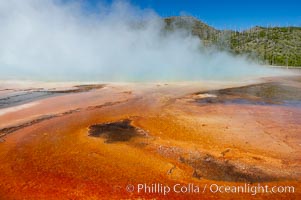
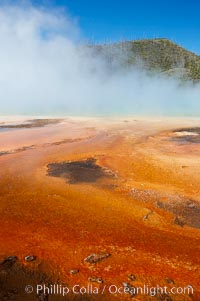
Grand Prismatic Spring displays a stunning rainbow of colors created by species of thermophilac (heat-loving) bacteria that thrive in narrow temperature ranges.  The blue water in the center is too hot to support any bacterial life, while the outer orange rings are the coolest water.  Grand Prismatic Spring is the largest spring in the United States and the third-largest in the world.  Midway Geyser Basin, Yellowstone National Park, Wyoming Grand Prismatic Spring displays brilliant colors along its edges, created by species of thermophilac (heat-loving) bacteria that thrive in narrow temperature ranges.  The outer orange and red regions are the coolest water in the spring, where the overflow runs off.  Midway Geyser Basin, Yellowstone National Park, Wyoming Grand Prismatic Spring displays brilliant colors along its edges, created by species of thermophilac (heat-loving) bacteria that thrive in narrow temperature ranges.  The outer orange and red regions are the coolest water in the spring, where the overflow runs off.  Midway Geyser Basin, Yellowstone National Park, Wyoming
Grand Prismatic Spring displays a stunning rainbow of colors created by species of thermophilac (heat-loving) bacteria that thrive in narrow temperature ranges. The blue water in the center is too hot to support any bacterial life, while the outer orange rings are the coolest water. Grand Prismatic Spring is the largest spring in the United States and the third-largest in the world. Midway Geyser Basin. Professional stock photos of Hot Spring.
Image ID: 13573  
Location: Midway Geyser Basin, Yellowstone National Park, Wyoming, USA
 
Grand Prismatic Spring displays brilliant colors along its edges, created by species of thermophilac (heat-loving) bacteria that thrive in narrow temperature ranges. The outer orange and red regions are the coolest water in the spring, where the overflow runs off. Midway Geyser Basin. Pictures of Hot Spring.
Image ID: 13587  
Location: Midway Geyser Basin, Yellowstone National Park, Wyoming, USA
 
Grand Prismatic Spring displays brilliant colors along its edges, created by species of thermophilac (heat-loving) bacteria that thrive in narrow temperature ranges. The outer orange and red regions are the coolest water in the spring, where the overflow runs off. Midway Geyser Basin. Hot Spring Photo.
Image ID: 13591  
Location: Midway Geyser Basin, Yellowstone National Park, Wyoming, USA
 
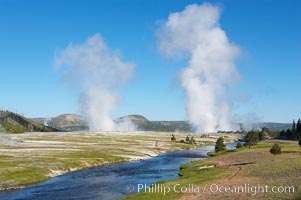
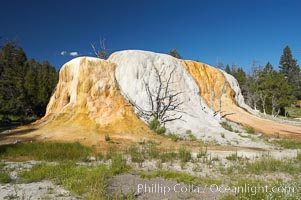
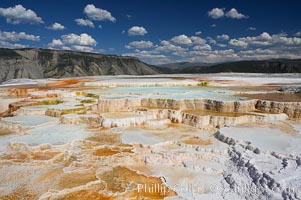
Steam rises above the Midway Geyser Basin, largely from Grand Prismatic Spring and Excelsior Geyser. The Firehole River flows by, Yellowstone National Park, Wyoming Orange Spring Mound.  Many years of mineral deposition has built up Orange Spring Mound, part of the Mammoth Hot Springs complex, Yellowstone National Park, Wyoming New Blue Spring and its travertine terraces, part of the Mammoth Hot Springs complex, Yellowstone National Park, Wyoming
Steam rises above the Midway Geyser Basin, largely from Grand Prismatic Spring and Excelsior Geyser. The Firehole River flows by. Hot Spring Picture.
Image ID: 13605  
Location: Midway Geyser Basin, Yellowstone National Park, Wyoming, USA
 
Orange Spring Mound. Many years of mineral deposition has built up Orange Spring Mound, part of the Mammoth Hot Springs complex. Stock Photography of Hot Spring.
Image ID: 13614  
Location: Mammoth Hot Springs, Yellowstone National Park, Wyoming, USA
 
New Blue Spring and its travertine terraces, part of the Mammoth Hot Springs complex. Photograph of Hot Spring.
Image ID: 13623  
Location: Mammoth Hot Springs, Yellowstone National Park, Wyoming, USA
 
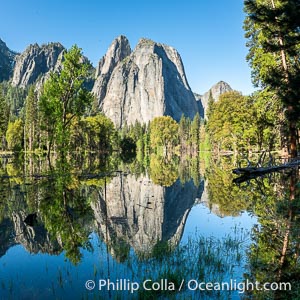
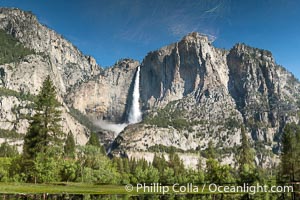
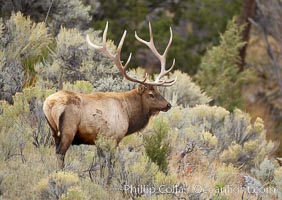
Bull elk in sage brush with large rack of antlers during the fall rut (mating season).  This bull elk has sparred with other bulls to establish his harem of females with which he hopes to mate, Cervus canadensis, Mammoth Hot Springs, Yellowstone National Park, Wyoming Lower Yosemite Falls in spring, Yosemite National Park, California Male elk bugling during the fall rut. Large male elk are known as bulls. Male elk have large antlers which are shed each year. Male elk engage in competitive mating behaviors during the rut, including posturing, antler wrestling and bugling, a loud series of screams which is intended to establish dominance over other males and attract females, Cervus canadensis, Mammoth Hot Springs, Yellowstone National Park, Wyoming
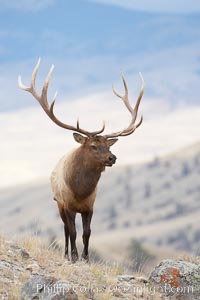
Bull elk in sage brush with large rack of antlers during the fall rut (mating season). This bull elk has sparred with other bulls to establish his harem of females with which he hopes to mate. Hot Spring Photos.
Image ID: 19702  
Species: Elk, Cervus canadensis
Location: Mammoth Hot Springs, Yellowstone National Park, Wyoming, USA
 
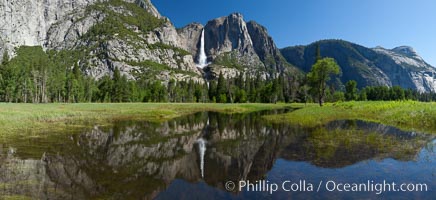
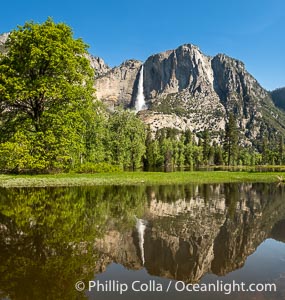
Lower Yosemite Falls in spring. Hot Spring Image.
Image ID: 22769  
Location: Yosemite Falls, Yosemite National Park, California, USA
 
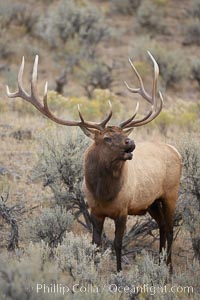
Male elk bugling during the fall rut. Large male elk are known as bulls. Male elk have large antlers which are shed each year. Male elk engage in competitive mating behaviors during the rut, including posturing, antler wrestling and bugling, a loud series of screams which is intended to establish dominance over other males and attract females. Professional stock photos of Hot Spring.
Image ID: 19715  
Species: Elk, Cervus canadensis
Location: Mammoth Hot Springs, Yellowstone National Park, Wyoming, USA
 
Bull elk in sage brush with large rack of antlers during the fall rut (mating season).  This bull elk has sparred with other bulls to establish his harem of females with which he hopes to mate, Cervus canadensis, Mammoth Hot Springs, Yellowstone National Park, Wyoming Male elk bugling during the fall rut. Large male elk are known as bulls. Male elk have large antlers which are shed each year. Male elk engage in competitive mating behaviors during the rut, including posturing, antler wrestling and bugling, a loud series of screams which is intended to establish dominance over other males and attract females, Cervus canadensis, Mammoth Hot Springs, Yellowstone National Park, Wyoming Male elk bugling during the fall rut. Large male elk are known as bulls. Male elk have large antlers which are shed each year. Male elk engage in competitive mating behaviors during the rut, including posturing, antler wrestling and bugling, a loud series of screams which is intended to establish dominance over other males and attract females, Cervus canadensis, Mammoth Hot Springs, Yellowstone National Park, Wyoming
Bull elk in sage brush with large rack of antlers during the fall rut (mating season). This bull elk has sparred with other bulls to establish his harem of females with which he hopes to mate. Pictures of Hot Spring.
Image ID: 19746  
Species: Elk, Cervus canadensis
Location: Mammoth Hot Springs, Yellowstone National Park, Wyoming, USA
 
Male elk bugling during the fall rut. Large male elk are known as bulls. Male elk have large antlers which are shed each year. Male elk engage in competitive mating behaviors during the rut, including posturing, antler wrestling and bugling, a loud series of screams which is intended to establish dominance over other males and attract females. Hot Spring Photo.
Image ID: 19788  
Species: Elk, Cervus canadensis
Location: Mammoth Hot Springs, Yellowstone National Park, Wyoming, USA
 
Male elk bugling during the fall rut. Large male elk are known as bulls. Male elk have large antlers which are shed each year. Male elk engage in competitive mating behaviors during the rut, including posturing, antler wrestling and bugling, a loud series of screams which is intended to establish dominance over other males and attract females. Hot Spring Picture.
Image ID: 19694  
Species: Elk, Cervus canadensis
Location: Mammoth Hot Springs, Yellowstone National Park, Wyoming, USA
 
Male elk bugling during the fall rut. Large male elk are known as bulls. Male elk have large antlers which are shed each year. Male elk engage in competitive mating behaviors during the rut, including posturing, antler wrestling and bugling, a loud series of screams which is intended to establish dominance over other males and attract females, Cervus canadensis, Mammoth Hot Springs, Yellowstone National Park, Wyoming Bull elk in sage brush with large rack of antlers during the fall rut (mating season).  This bull elk has sparred with other bulls to establish his harem of females with which he hopes to mate, Cervus canadensis, Mammoth Hot Springs, Yellowstone National Park, Wyoming Bull elk in sage brush with large rack of antlers during the fall rut (mating season).  This bull elk has sparred with other bulls to establish his harem of females with which he hopes to mate, Cervus canadensis, Mammoth Hot Springs, Yellowstone National Park, Wyoming
Male elk bugling during the fall rut. Large male elk are known as bulls. Male elk have large antlers which are shed each year. Male elk engage in competitive mating behaviors during the rut, including posturing, antler wrestling and bugling, a loud series of screams which is intended to establish dominance over other males and attract females. Stock Photography of Hot Spring.
Image ID: 19705  
Species: Elk, Cervus canadensis
Location: Mammoth Hot Springs, Yellowstone National Park, Wyoming, USA
 
Bull elk in sage brush with large rack of antlers during the fall rut (mating season). This bull elk has sparred with other bulls to establish his harem of females with which he hopes to mate. Photograph of Hot Spring.
Image ID: 19726  
Species: Elk, Cervus canadensis
Location: Mammoth Hot Springs, Yellowstone National Park, Wyoming, USA
 
Bull elk in sage brush with large rack of antlers during the fall rut (mating season). This bull elk has sparred with other bulls to establish his harem of females with which he hopes to mate. Hot Spring Photos.
Image ID: 19735  
Species: Elk, Cervus canadensis
Location: Mammoth Hot Springs, Yellowstone National Park, Wyoming, USA
 
Male elk bugling during the fall rut. Large male elk are known as bulls. Male elk have large antlers which are shed each year. Male elk engage in competitive mating behaviors during the rut, including posturing, antler wrestling and bugling, a loud series of screams which is intended to establish dominance over other males and attract females, Cervus canadensis, Mammoth Hot Springs, Yellowstone National Park, Wyoming Bull elk in sage brush with large rack of antlers during the fall rut (mating season).  This bull elk has sparred with other bulls to establish his harem of females with which he hopes to mate, Cervus canadensis, Mammoth Hot Springs, Yellowstone National Park, Wyoming Bull elk in sage brush with large rack of antlers during the fall rut (mating season).  This bull elk has sparred with other bulls to establish his harem of females with which he hopes to mate, Cervus canadensis, Mammoth Hot Springs, Yellowstone National Park, Wyoming
Male elk bugling during the fall rut. Large male elk are known as bulls. Male elk have large antlers which are shed each year. Male elk engage in competitive mating behaviors during the rut, including posturing, antler wrestling and bugling, a loud series of screams which is intended to establish dominance over other males and attract females. Hot Spring Image.
Image ID: 19736  
Species: Elk, Cervus canadensis
Location: Mammoth Hot Springs, Yellowstone National Park, Wyoming, USA
 
Bull elk in sage brush with large rack of antlers during the fall rut (mating season). This bull elk has sparred with other bulls to establish his harem of females with which he hopes to mate. Professional stock photos of Hot Spring.
Image ID: 19744  
Species: Elk, Cervus canadensis
Location: Mammoth Hot Springs, Yellowstone National Park, Wyoming, USA
 
Bull elk in sage brush with large rack of antlers during the fall rut (mating season). This bull elk has sparred with other bulls to establish his harem of females with which he hopes to mate. Pictures of Hot Spring.
Image ID: 19745  
Species: Elk, Cervus canadensis
Location: Mammoth Hot Springs, Yellowstone National Park, Wyoming, USA
 
Male elk bugling during the fall rut. Large male elk are known as bulls. Male elk have large antlers which are shed each year. Male elk engage in competitive mating behaviors during the rut, including posturing, antler wrestling and bugling, a loud series of screams which is intended to establish dominance over other males and attract females, Cervus canadensis, Mammoth Hot Springs, Yellowstone National Park, Wyoming Small group of female and juvenile elk, Cervus canadensis, Mammoth Hot Springs, Yellowstone National Park, Wyoming Bull elk in sage brush with large rack of antlers during the fall rut (mating season).  This bull elk has sparred with other bulls to establish his harem of females with which he hopes to mate, Cervus canadensis, Mammoth Hot Springs, Yellowstone National Park, Wyoming
Male elk bugling during the fall rut. Large male elk are known as bulls. Male elk have large antlers which are shed each year. Male elk engage in competitive mating behaviors during the rut, including posturing, antler wrestling and bugling, a loud series of screams which is intended to establish dominance over other males and attract females. Hot Spring Photo.
Image ID: 19750  
Species: Elk, Cervus canadensis
Location: Mammoth Hot Springs, Yellowstone National Park, Wyoming, USA
 
Small group of female and juvenile elk. Hot Spring Picture.
Image ID: 19758  
Species: Elk, Cervus canadensis
Location: Mammoth Hot Springs, Yellowstone National Park, Wyoming, USA
 
Bull elk in sage brush with large rack of antlers during the fall rut (mating season). This bull elk has sparred with other bulls to establish his harem of females with which he hopes to mate. Stock Photography of Hot Spring.
Image ID: 19779  
Species: Elk, Cervus canadensis
Location: Mammoth Hot Springs, Yellowstone National Park, Wyoming, USA
 
Female elk in early autumn snowfall, Cervus canadensis, Mammoth Hot Springs, Yellowstone National Park, Wyoming The Botanical Building in Balboa Park, San Diego. The Botanical Building, at 250 feet long by 75 feet wide and 60 feet tall, was the largest wood lath structure in the world when it was built in 1915 for the Panama-California Exposition. The Botanical Building, located on the Prado, west of the Museum of Art, contains about 2,100 permanent tropical plants along with changing seasonal flowers. The Lily Pond, just south of the Botanical Building, is an eloquent example of the use of reflecting pools to enhance architecture. The 193 by 43 foot pond and smaller companion pool were originally referred to as Las Lagunas de las Flores (The Lakes of the Flowers) and were designed as aquatic gardens. The pools contain exotic water lilies and lotus which bloom spring through fall Arizona lupine is a common early spring ephemeral wildflower of the Colorado Desert.  The purple-pink flowers show a yellow spot on the upper petal, which changes in color to red once the flower has been pollinated to discourage insects from visiting it after pollination.  This photo shows both red and yellow petals.  Anza Borrego Desert State Park, Lupinus arizonicus, Anza-Borrego Desert State Park
Female elk in early autumn snowfall. Photograph of Hot Spring.
Image ID: 19762  
Species: Elk, Cervus canadensis
Location: Mammoth Hot Springs, Yellowstone National Park, Wyoming, USA
 
The Botanical Building in Balboa Park, San Diego. The Botanical Building, at 250 feet long by 75 feet wide and 60 feet tall, was the largest wood lath structure in the world when it was built in 1915 for the Panama-California Exposition. The Botanical Building, located on the Prado, west of the Museum of Art, contains about 2,100 permanent tropical plants along with changing seasonal flowers. The Lily Pond, just south of the Botanical Building, is an eloquent example of the use of reflecting pools to enhance architecture. The 193 by 43 foot pond and smaller companion pool were originally referred to as Las Lagunas de las Flores (The Lakes of the Flowers) and were designed as aquatic gardens. The pools contain exotic water lilies and lotus which bloom spring through fall. Hot Spring Photos.
Image ID: 23096  
Location: Balboa Park, San Diego, California, USA
 
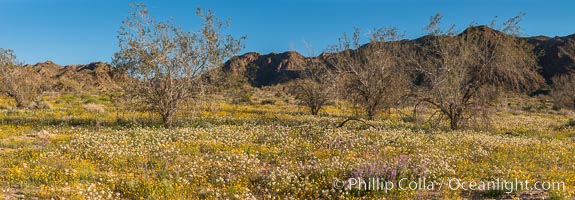
Arizona lupine is a common early spring ephemeral wildflower of the Colorado Desert. The purple-pink flowers show a yellow spot on the upper petal, which changes in color to red once the flower has been pollinated to discourage insects from visiting it after pollination. This photo shows both red and yellow petals. Anza Borrego Desert State Park. Hot Spring Image.
Image ID: 10526  
Species: Arizona lupine, Lupinus arizonicus
Location: Anza-Borrego Desert State Park, Anza Borrego, California, USA


Blog posts (20) related to Hot Spring


Related Topics:


Keywords:

Page:   -1- 2 3 4 5   Next ›››   New Search
Categories Appearing Among These Images:
Animal  >  Mammal  >  Elk  >  Bugling Elk
Animal  >  Mammal  >  Elk  >  Bull elk
Animal  >  Mammal  >  Elk  >  Elk Rut
Gallery  >  Panorama
Gallery  >  San Diego
Gallery  >  Wildlife Portraits
Gallery  >  Yellowstone National Park
Location  >  Oceans  >  Atlantic  >  Azores Islands
Location  >  Protected Threatened and Significant Places  >  National Parks  >  Yellowstone National Park (Wyoming)
Location  >  Protected Threatened and Significant Places  >  National Parks  >  Yellowstone National Park (Wyoming)  >  Geothermal Features  >  Spring
Location  >  Protected Threatened and Significant Places  >  National Parks  >  Yellowstone National Park (Wyoming)  >  Geothermal Features  >  Spring  >  Canary Spring
Location  >  Protected Threatened and Significant Places  >  National Parks  >  Yellowstone National Park (Wyoming)  >  Geothermal Features  >  Spring  >  Dragons Mouth
Location  >  Protected Threatened and Significant Places  >  National Parks  >  Yellowstone National Park (Wyoming)  >  Geothermal Features  >  Spring  >  Emerald Pool
Location  >  Protected Threatened and Significant Places  >  National Parks  >  Yellowstone National Park (Wyoming)  >  Geothermal Features  >  Spring  >  Grand Prismatic Spring
Location  >  Protected Threatened and Significant Places  >  National Parks  >  Yellowstone National Park (Wyoming)  >  Geothermal Features  >  Spring  >  Morning Glory Pool
Location  >  Protected Threatened and Significant Places  >  National Parks  >  Yellowstone National Park (Wyoming)  >  Geothermal Features  >  Spring  >  New Blue Spring
Location  >  Protected Threatened and Significant Places  >  National Parks  >  Yellowstone National Park (Wyoming)  >  Geothermal Features  >  Spring  >  Orange Spring Mound
Location  >  Protected Threatened and Significant Places  >  National Parks  >  Yellowstone National Park (Wyoming)  >  Geothermal Features  >  Spring  >  Sapphire Pool
Location  >  Protected Threatened and Significant Places  >  National Parks  >  Yellowstone National Park (Wyoming)  >  River / Waterfall  >  Firehole River
Location  >  Protected Threatened and Significant Places  >  National Parks  >  Yellowstone National Park (Wyoming)  >  River / Waterfall  >  Rustic Falls
Location  >  Protected Threatened and Significant Places  >  National Parks  >  Yosemite National Park (California)  >  Yosemite Valley  >  Yosemite Falls
Location  >  Protected Threatened and Significant Places  >  State Parks  >  Anza Borrego Desert State Park
Location  >  Protected Threatened and Significant Places  >  World Heritage Sites  >  Yellowstone National Park (USA)
Location  >  Protected Threatened and Significant Places  >  World Heritage Sites  >  Yosemite National Park (USA)
Location  >  USA  >  California
Location  >  USA  >  California  >  Desert  >  Anza Borrego
Location  >  USA  >  California  >  San Diego  >  Balboa Park  >  Botanical Building
Location  >  USA  >  Wyoming  >  Yellowstone National Park
Location  >  World  >  Portugal  >  Azores Islands
Natural World  >  Geothermal Features  >  Geyser
Natural World  >  Geothermal Features  >  Spring
Natural World  >  River  >  Firehole River (Yellowstone)
Natural World  >  Waterfall  >  Rustic Falls (Yellowstone)
Natural World  >  Waterfall  >  Yosemite Falls (Yosemite)
Plant  >  Wildflower  >  Desert Wildflower
Portfolio
Subject  >  Technique  >  Infrared Photography
Subject  >  Technique  >  Panasonic Lumix
Subject  >  Technique  >  Panoramic Photo

Species Appearing Among These Images:
Cervus canadensis
Eschscholzia californica
Lupinus arizonicus

Blog posts (20) related to Hot Spring
Raging Waters in Anza-Borrego Desert State Park
Anza-Borrego Desert Wildflower Update
Steeple Jason, West Falklands
Rose Atoll, A World Treasure in Peril
Kelp Forest Reminiscing
Fall Color in the Eastern Sierra
Photographing Birds at Bill Forbes Place, The Pond at Elephant Head
Photographing Antelope Canyon, The Wave, Buckskin Gulch and Horseshoe Bend
Burrowing Owl, Salton Sea
Midway Geyser Basin Panorama, Yellowstone
Panorama of the Wave, North Coyote Buttes
Snow on San Jacinto
Wind Turbines and Mount San Gorgonio
Star Field and Joshua Trees
Photo of Mono Lake
A Day At The Wave, North Coyote Buttes, Part II
A Day At The Wave, North Coyote Buttes, Part I
Photo of Badwater, Death Valley National Park
Photo of Dune Evening Primrose
Photos of Anza-Borrego Desert Wildflowers

Search for:     

Updated: March 21, 2010