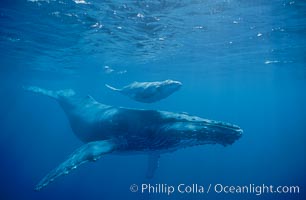
North Pacific humpback whales, a mother and calf pair swim closely together just under the surface of the ocean. The calf will remain with its mother for about a year, migrating from Hawaii to Alaska to feed on herring.
Species: Humpback whale, Megaptera novaeangliae
Location: Maui, Hawaii
Image ID: 00140
Species: Humpback whale, Megaptera novaeangliae
Location: Maui, Hawaii
Image ID: 00140
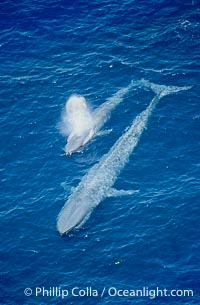
Two blue whales, a mother and her calf, swim through the open ocean in this aerial photograph. The calf is blowing (spouting, exhaling) with a powerful column of spray. The blue whale is the largest animal ever to live on Earth.
Species: Blue whale, Balaenoptera musculus
Location: San Diego, California
Image ID: 02304
Species: Blue whale, Balaenoptera musculus
Location: San Diego, California
Image ID: 02304
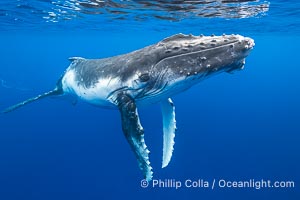
Inquisitive Calf South Pacific Humpback Whale Underwater, Moorea, French Polynesia.
Species: Humpback whale, Megaptera novaeangliae
Location: Moorea, French Polynesia, France
Image ID: 40638
Species: Humpback whale, Megaptera novaeangliae
Location: Moorea, French Polynesia, France
Image ID: 40638
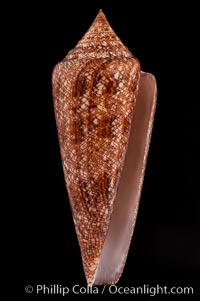
Glory of the Sea cone shell, brown form. The Glory of the Sea cone shell, once one of the rarest and most sought after of all seashells, remains the most famous and one of the most desireable shells for modern collectors.
Species: Glory of the seas cone, Conus gloriamaris
Image ID: 08732
Species: Glory of the seas cone, Conus gloriamaris
Image ID: 08732
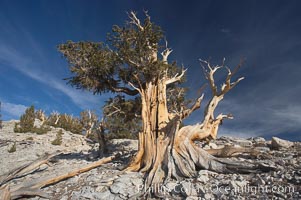
Bristlecone pine displays its characteristic gnarled, twisted form as it rises above the arid, dolomite-rich slopes of the White Mountains at 11000-foot elevation. Patriarch Grove, Ancient Bristlecone Pine Forest.
Species: Bristlecone Pine, Pinus longaeva
Location: White Mountains, Inyo National Forest, California
Image ID: 17475
Species: Bristlecone Pine, Pinus longaeva
Location: White Mountains, Inyo National Forest, California
Image ID: 17475
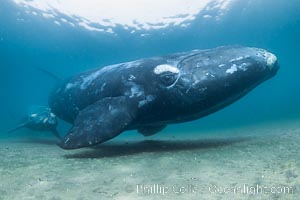
Mother and calf southern right whales underwater, swimming over sandy shallow bottom.
Species: Southern Right Whale, Eubalaena australis
Location: Puerto Piramides, Chubut, Argentina
Image ID: 38306
Species: Southern Right Whale, Eubalaena australis
Location: Puerto Piramides, Chubut, Argentina
Image ID: 38306
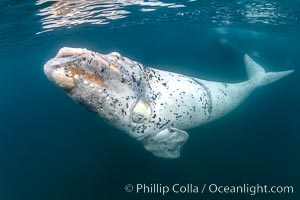
White southern right whale calf underwater, Eubalaena australis. About five per cent of southern right whales are born white due to a condition known as grey morphism and will gradually turn dark as they age. They are not albino (which is a complete lack of pigmentation). Sometimes referred to as "brindled", the white coloration is a recessive genetic trait and only lasts a few months. Typically, but not always, white calves will become much darker as they mature but will still be somewhat lighter than normal even as adults.
Species: Southern Right Whale, Eubalaena australis
Location: Puerto Piramides, Chubut, Argentina
Image ID: 35908
Species: Southern Right Whale, Eubalaena australis
Location: Puerto Piramides, Chubut, Argentina
Image ID: 35908
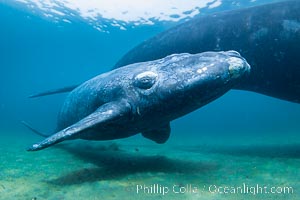
Mother and calf southern right whales underwater. The calf swims close to its mother but, if the mother is accepting, the calf will be allowed to come close to the photographer and check him out.
Species: Southern Right Whale, Eubalaena australis
Location: Puerto Piramides, Chubut, Argentina
Image ID: 38309
Species: Southern Right Whale, Eubalaena australis
Location: Puerto Piramides, Chubut, Argentina
Image ID: 38309
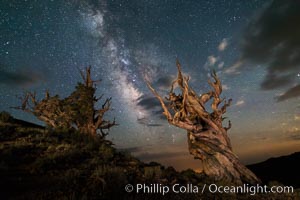
Stars and the Milky Way over ancient bristlecone pine trees, in the White Mountains at an elevation of 10,000' above sea level. These are some of the oldest trees in the world, some exceeding 4000 years in age.
Species: Bristlecone pine, Pinus longaeva
Location: Ancient Bristlecone Pine Forest, White Mountains, Inyo National Forest, California
Image ID: 29407
Species: Bristlecone pine, Pinus longaeva
Location: Ancient Bristlecone Pine Forest, White Mountains, Inyo National Forest, California
Image ID: 29407
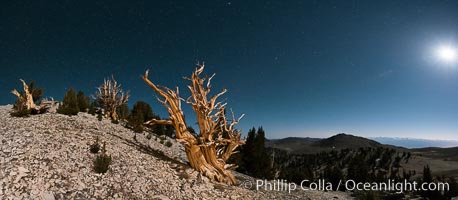
Ancient bristlecone pine trees at night, under a clear night sky full of stars, lit by a full moon, near Patriarch Grove.
Species: Ancient bristlecone pine, Pinus longaeva
Location: White Mountains, Inyo National Forest, California
Image ID: 28533
Panorama dimensions: 5144 x 11788
Species: Ancient bristlecone pine, Pinus longaeva
Location: White Mountains, Inyo National Forest, California
Image ID: 28533
Panorama dimensions: 5144 x 11788
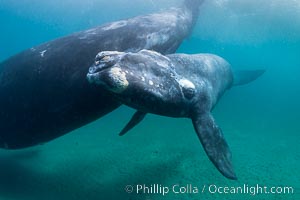
Mother and calf southern right whales underwater. The calf swims close to its mother but, if the mother is accepting, the calf will be allowed to come close to the photographer and check him out.
Species: Southern Right Whale, Eubalaena australis
Location: Puerto Piramides, Chubut, Argentina
Image ID: 38303
Species: Southern Right Whale, Eubalaena australis
Location: Puerto Piramides, Chubut, Argentina
Image ID: 38303
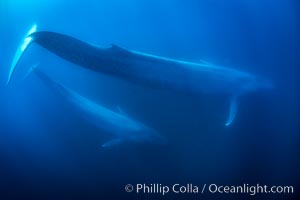
Blue whales, adult and juvenile (likely mother and calf), swimming together side by side underwater in the open ocean.
Species: Blue whale, Balaenoptera musculus
Location: San Diego, California
Image ID: 34568
Species: Blue whale, Balaenoptera musculus
Location: San Diego, California
Image ID: 34568
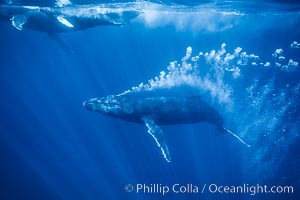
Adult male humpback whale bubble streaming underwater. The male escort humpback whale seen here is emitting a curtain of bubbles as it swims behind a mother and calf. The bubble curtain may be meant as warning or visual obstruction to other nearby male whales interested in the mother.
Species: Humpback whale, Megaptera novaeangliae
Location: Maui, Hawaii
Image ID: 05925
Species: Humpback whale, Megaptera novaeangliae
Location: Maui, Hawaii
Image ID: 05925
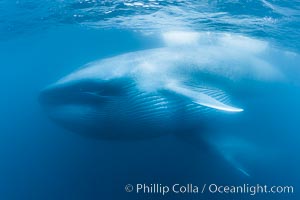
Blue whales feeding on krill underwater closeup photo. A picture of a blue whale with its throat pleats inflated with a mouthful of krill. A calf swims behind and below the adult. Over 80' long and just a few feet from the camera, an extremely wide lens was used to photograph the entire enormous whale.
Species: Blue whale, Balaenoptera musculus
Location: California
Image ID: 27314
Species: Blue whale, Balaenoptera musculus
Location: California
Image ID: 27314
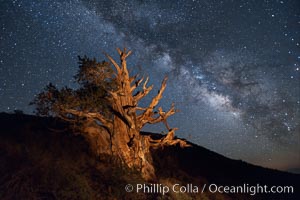
Stars and the Milky Way rise above ancient bristlecone pine trees, in the White Mountains at an elevation of 10,000' above sea level. These are some of the oldest trees in the world, reaching 4000 years in age.
Species: Bristlecone pine, Pinus longaeva
Location: Ancient Bristlecone Pine Forest, White Mountains, Inyo National Forest, California
Image ID: 27772
Species: Bristlecone pine, Pinus longaeva
Location: Ancient Bristlecone Pine Forest, White Mountains, Inyo National Forest, California
Image ID: 27772
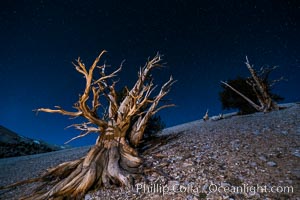
Ancient bristlecone pine trees at night, under a clear night sky full of stars, lit by a full moon, near Patriarch Grove.
Species: Ancient bristlecone pine, Pinus longaeva
Location: White Mountains, Inyo National Forest, California
Image ID: 28535
Species: Ancient bristlecone pine, Pinus longaeva
Location: White Mountains, Inyo National Forest, California
Image ID: 28535
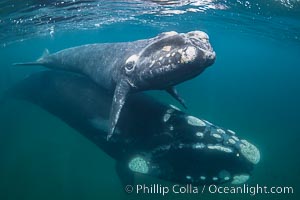
Mother and calf southern right whales underwater. The calf swims close to its mother but, if the mother is accepting, the calf will be allowed to come close to the photographer and check him out.
Species: Southern Right Whale, Eubalaena australis
Location: Puerto Piramides, Chubut, Argentina
Image ID: 38313
Species: Southern Right Whale, Eubalaena australis
Location: Puerto Piramides, Chubut, Argentina
Image ID: 38313
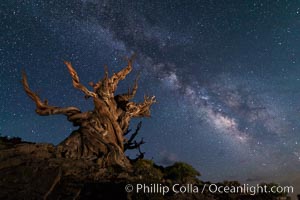
Stars and the Milky Way over ancient bristlecone pine trees, in the White Mountains at an elevation of 10,000' above sea level. These are the oldest trees in the world, some exceeding 4000 years in age.
Species: Bristlecone pine, Pinus longaeva
Location: Ancient Bristlecone Pine Forest, White Mountains, Inyo National Forest, California
Image ID: 29406
Species: Bristlecone pine, Pinus longaeva
Location: Ancient Bristlecone Pine Forest, White Mountains, Inyo National Forest, California
Image ID: 29406
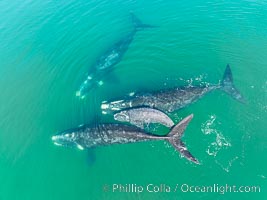
Mother and calf southern right whales are seen here as part of a larger courtship group, with adult males interested in mating with the mother. The calf has no choice but to stay by her mother's side during the courting activities.
Species: Southern Right Whale, Eubalaena australis
Location: Puerto Piramides, Chubut, Argentina
Image ID: 38381
Species: Southern Right Whale, Eubalaena australis
Location: Puerto Piramides, Chubut, Argentina
Image ID: 38381
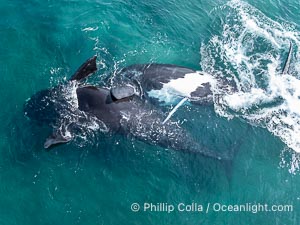
Copulating Southern Right Whales, aerial photo. The male is upside down (belly up) and trying to copulate with the female who is also belly up and being evasive of the male. By permission of the Government of Argentina, Chubut, permit # 51 / 2025-SsCyA.
Species: Southern Right Whale, Eubalaena australis
Location: Puerto Piramides, Chubut, Argentina
Image ID: 41185
Species: Southern Right Whale, Eubalaena australis
Location: Puerto Piramides, Chubut, Argentina
Image ID: 41185
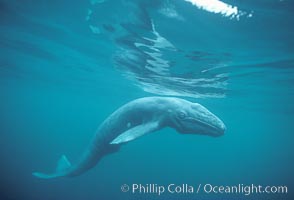
A neonate gray whale calf, born just hours before, still exhbiting embryonic folds in the skin along its side. This baby gray whale was born in the cold waters of Big Sur, far to the north of the Mexican lagoons of Baja California where most gray whale births take place.
Species: Gray whale, Eschrichtius robustus
Location: Monterey, California
Image ID: 01135
Species: Gray whale, Eschrichtius robustus
Location: Monterey, California
Image ID: 01135
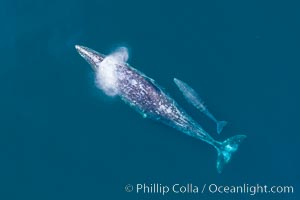
Mother and calf gray whale, aerial photo, embryonic folds visible on the very young calf.
Species: Gray whale, Eschrichtius robustus
Image ID: 37973
Species: Gray whale, Eschrichtius robustus
Image ID: 37973
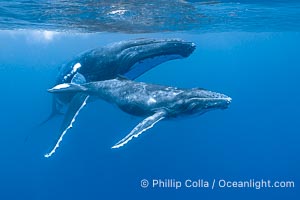
Humpback mother and calf swimming together underwater, Moorea Island, French Polynesia.
Species: Humpback whale, Megaptera novaeangliae
Location: Moorea, French Polynesia, France
Image ID: 41339
Species: Humpback whale, Megaptera novaeangliae
Location: Moorea, French Polynesia, France
Image ID: 41339
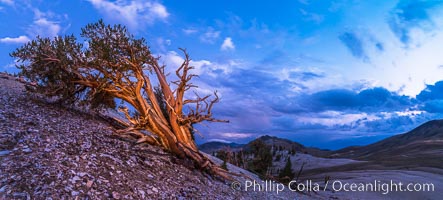
Ancient Bristlecone Pine Tree at sunset, panorama, with storm clouds passing over the White Mountains. The eastern Sierra Nevada is just visible in the distance.
Species: Ancient bristlecone pine, Pinus longaeva
Location: Ancient Bristlecone Pine Forest, White Mountains, Inyo National Forest, California
Image ID: 28781
Panorama dimensions: 4549 x 10085
Species: Ancient bristlecone pine, Pinus longaeva
Location: Ancient Bristlecone Pine Forest, White Mountains, Inyo National Forest, California
Image ID: 28781
Panorama dimensions: 4549 x 10085
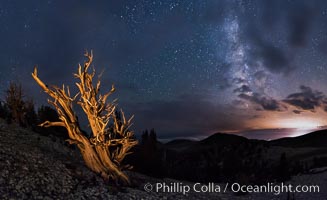
Ancient Bristlecone Pine Tree at night, stars and the Milky Way galaxy visible in the evening sky, near Patriarch Grove.
Species: Ancient bristlecone pine, Pinus longaeva
Location: Ancient Bristlecone Pine Forest, White Mountains, Inyo National Forest, California
Image ID: 28782
Panorama dimensions: 5237 x 8556
Species: Ancient bristlecone pine, Pinus longaeva
Location: Ancient Bristlecone Pine Forest, White Mountains, Inyo National Forest, California
Image ID: 28782
Panorama dimensions: 5237 x 8556
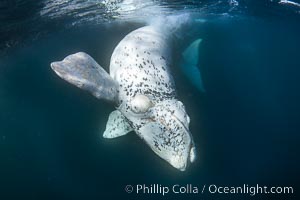
White southern right whale calf underwater, Eubalaena australis. About five per cent of southern right whales are born white due to a condition known as grey morphism and will gradually turn dark as they age. They are not albino (which is a complete lack of pigmentation). Sometimes referred to as "brindled", the white coloration is a recessive genetic trait and only lasts a few months. Typically, but not always, white calves will become much darker as they mature but will still be somewhat lighter than normal even as adults.
Species: Southern Right Whale, Eubalaena australis
Location: Puerto Piramides, Chubut, Argentina
Image ID: 38279
Species: Southern Right Whale, Eubalaena australis
Location: Puerto Piramides, Chubut, Argentina
Image ID: 38279
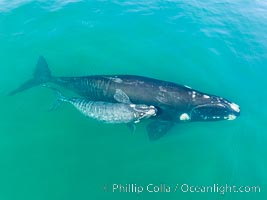
Southern right whale mother and calf, aerial photo, Eubalaena australis.
Species: Southern Right Whale, Eubalaena australis
Location: Puerto Piramides, Chubut, Argentina
Image ID: 38350
Species: Southern Right Whale, Eubalaena australis
Location: Puerto Piramides, Chubut, Argentina
Image ID: 38350
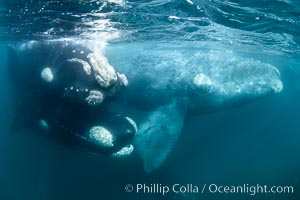
Mating pair of southern right whales underwater (on left). The gray adult whale on the right was formerly a white calf and, while it is not longer white, will remain lighter than normal throughout its life, Eubalaena australis, Argentina.
Species: Southern Right Whale, Eubalaena australis
Location: Puerto Piramides, Chubut, Argentina
Image ID: 35923
Species: Southern Right Whale, Eubalaena australis
Location: Puerto Piramides, Chubut, Argentina
Image ID: 35923
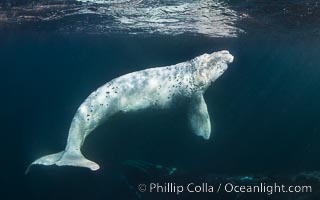
White southern right whale calf underwater, Eubalaena australis. About five per cent of southern right whales are born white due to a condition known as grey morphism and will gradually turn dark as they age. They are not albino (which is a complete lack of pigmentation). Sometimes referred to as "brindled", the white coloration is a recessive genetic trait and only lasts a few months. Typically, but not always, white calves will become much darker as they mature but will still be somewhat lighter than normal even as adults.
Species: Southern Right Whale, Eubalaena australis
Location: Puerto Piramides, Chubut, Argentina
Image ID: 38261
Species: Southern Right Whale, Eubalaena australis
Location: Puerto Piramides, Chubut, Argentina
Image ID: 38261
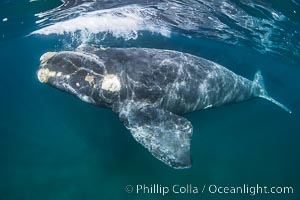
Southern right whale calf underwater, Eubalaena australis.
Species: Southern Right Whale, Eubalaena australis
Location: Puerto Piramides, Chubut, Argentina
Image ID: 38288
Species: Southern Right Whale, Eubalaena australis
Location: Puerto Piramides, Chubut, Argentina
Image ID: 38288