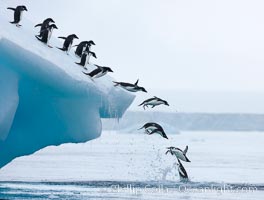
Adelie penguins leaping into the ocean from an iceberg.
Species: Adelie penguin, Pygoscelis adeliae
Location: Brown Bluff, Antarctic Peninsula, Antarctica
Image ID: 25005
Species: Adelie penguin, Pygoscelis adeliae
Location: Brown Bluff, Antarctic Peninsula, Antarctica
Image ID: 25005
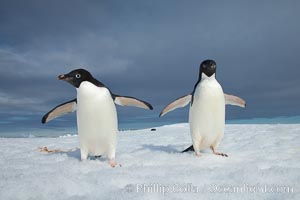
Two Adelie penguins, holding their wings out, standing on an iceberg.
Species: Adelie penguin, Pygoscelis adeliae
Location: Paulet Island, Antarctic Peninsula, Antarctica
Image ID: 25007
Species: Adelie penguin, Pygoscelis adeliae
Location: Paulet Island, Antarctic Peninsula, Antarctica
Image ID: 25007
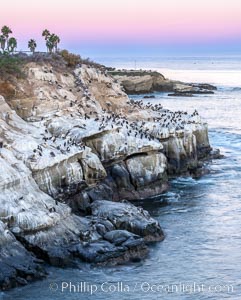
Point La Jolla at dawn. Pelicans, cormorants, sea birds, waves and sea cliffs.
Species: Brown Pelican, Pelecanus occidentalis, Pelecanus occidentalis californicus
Location: La Jolla, California
Image ID: 37473
Species: Brown Pelican, Pelecanus occidentalis, Pelecanus occidentalis californicus
Location: La Jolla, California
Image ID: 37473
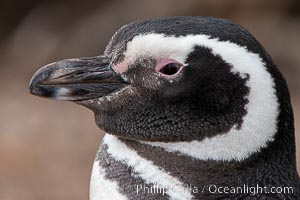
Magellanic penguin, Spheniscus magellanicus, Patagonia.
Species: Magellanic penguin, Spheniscus magellanicus
Location: Puerto Piramides, Chubut, Argentina
Image ID: 38432
Species: Magellanic penguin, Spheniscus magellanicus
Location: Puerto Piramides, Chubut, Argentina
Image ID: 38432
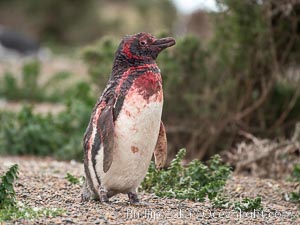
Magellanic penguin, bloodied following a fight with another male to defend its burrow, Spheniscus magellanicus, Patagonia.
Species: Magellanic penguin, Spheniscus magellanicus
Location: Puerto Piramides, Chubut, Argentina
Image ID: 38433
Species: Magellanic penguin, Spheniscus magellanicus
Location: Puerto Piramides, Chubut, Argentina
Image ID: 38433
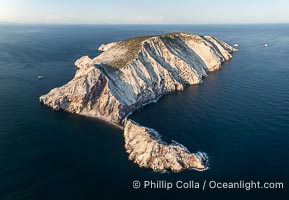
Isla San Pedro Martir at sunset with extensive forest of Cardon Cactus seen on the summit ridge of the island, aerial photo, Sea of Cortez, Mexico. San Pedro Martir Island and its marine life are, since 2002, part of the San Pedro Martir Biosphere Reserve, and is regarded as a natural laboratory of adaptive evolution, similar to that of the Galapagos Islands. It is home to 292 species of fauna and flora (both land-based and aquatic), with 42 species protected by Mexican law, and 30 listed on the Red List of Threatened Species. San Pedro Martir is also unique in the area for its year-round quantity of birds. The island is the only island in the area with a perpetually swirling cloud of sea birds. This is because the water around the island, has some of the most successful marine productivity in the world.
Location: Isla San Pedro Martir, Sonora, Mexico
Image ID: 40397
Location: Isla San Pedro Martir, Sonora, Mexico
Image ID: 40397
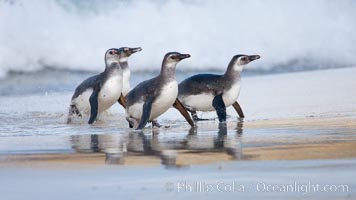
Magellanic penguins, coming ashore on a sandy beach. Magellanic penguins can grow to 30" tall, 14 lbs and live over 25 years. They feed in the water, preying on cuttlefish, sardines, squid, krill, and other crustaceans.
Species: Magellanic penguin, Spheniscus magellanicus
Location: New Island, Falkland Islands, United Kingdom
Image ID: 23924
Species: Magellanic penguin, Spheniscus magellanicus
Location: New Island, Falkland Islands, United Kingdom
Image ID: 23924
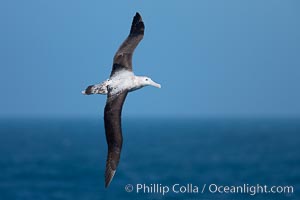
Wandering albatross in flight, over the open sea. The wandering albatross has the largest wingspan of any living bird, with the wingspan between, up to 12' from wingtip to wingtip. It can soar on the open ocean for hours at a time, riding the updrafts from individual swells, with a glide ratio of 22 units of distance for every unit of drop. The wandering albatross can live up to 23 years. They hunt at night on the open ocean for cephalopods, small fish, and crustaceans. The survival of the species is at risk due to mortality from long-line fishing gear.
Species: Wandering albatross, Diomedea exulans
Location: Southern Ocean
Image ID: 24071
Species: Wandering albatross, Diomedea exulans
Location: Southern Ocean
Image ID: 24071
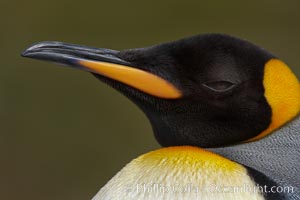
King penguin, showing ornate and distinctive neck, breast and head plumage and orange beak.
Species: King penguin, Aptenodytes patagonicus
Location: Fortuna Bay, South Georgia Island
Image ID: 24581
Species: King penguin, Aptenodytes patagonicus
Location: Fortuna Bay, South Georgia Island
Image ID: 24581
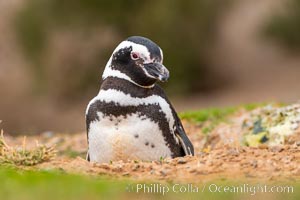
Magellanic penguin in its burrow, Spheniscus magellanicus, Patagonia, Argentina.
Species: Magellanic penguin, Spheniscus magellanicus
Location: Puerto Piramides, Chubut, Argentina
Image ID: 35949
Species: Magellanic penguin, Spheniscus magellanicus
Location: Puerto Piramides, Chubut, Argentina
Image ID: 35949
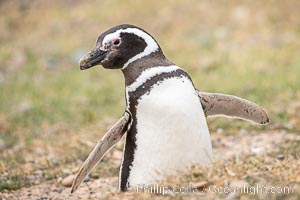
Magellanic penguin, Spheniscus magellanicus, Patagonia.
Species: Magellanic penguin, Spheniscus magellanicus
Location: Puerto Piramides, Chubut, Argentina
Image ID: 38411
Species: Magellanic penguin, Spheniscus magellanicus
Location: Puerto Piramides, Chubut, Argentina
Image ID: 38411
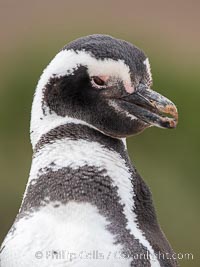
Magellanic penguin, Spheniscus magellanicus, Patagonia.
Species: Magellanic penguin, Spheniscus magellanicus
Location: Puerto Piramides, Chubut, Argentina
Image ID: 38412
Species: Magellanic penguin, Spheniscus magellanicus
Location: Puerto Piramides, Chubut, Argentina
Image ID: 38412
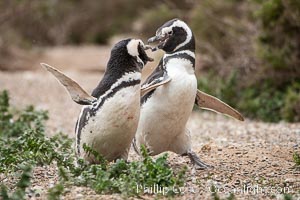
Magellanic penguin, Spheniscus magellanicus, Patagonia.
Species: Magellanic penguin, Spheniscus magellanicus
Location: Puerto Piramides, Chubut, Argentina
Image ID: 38424
Species: Magellanic penguin, Spheniscus magellanicus
Location: Puerto Piramides, Chubut, Argentina
Image ID: 38424
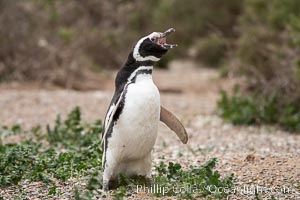
Magellanic penguin, Spheniscus magellanicus, Patagonia.
Species: Magellanic penguin, Spheniscus magellanicus
Location: Puerto Piramides, Chubut, Argentina
Image ID: 38425
Species: Magellanic penguin, Spheniscus magellanicus
Location: Puerto Piramides, Chubut, Argentina
Image ID: 38425
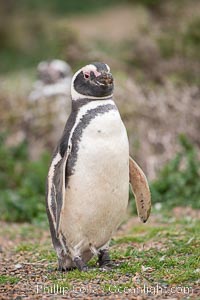
Magellanic penguin, Spheniscus magellanicus, Patagonia.
Species: Magellanic penguin, Spheniscus magellanicus
Location: Puerto Piramides, Chubut, Argentina
Image ID: 38426
Species: Magellanic penguin, Spheniscus magellanicus
Location: Puerto Piramides, Chubut, Argentina
Image ID: 38426
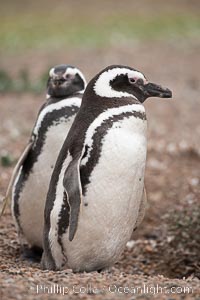
Magellanic penguin, Spheniscus magellanicus, Patagonia.
Species: Magellanic penguin, Spheniscus magellanicus
Location: Puerto Piramides, Chubut, Argentina
Image ID: 38428
Species: Magellanic penguin, Spheniscus magellanicus
Location: Puerto Piramides, Chubut, Argentina
Image ID: 38428
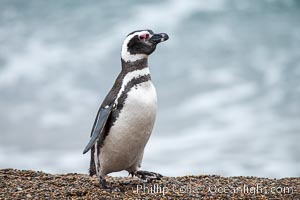
Magellanic penguin, Spheniscus magellanicus, Patagonia.
Species: Magellanic penguin, Spheniscus magellanicus
Location: Puerto Piramides, Chubut, Argentina
Image ID: 38430
Species: Magellanic penguin, Spheniscus magellanicus
Location: Puerto Piramides, Chubut, Argentina
Image ID: 38430
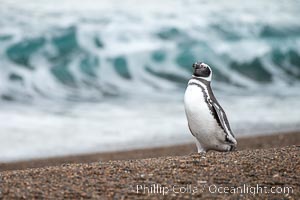
Magellanic penguin, Spheniscus magellanicus, Patagonia.
Species: Magellanic penguin, Spheniscus magellanicus
Location: Puerto Piramides, Chubut, Argentina
Image ID: 38431
Species: Magellanic penguin, Spheniscus magellanicus
Location: Puerto Piramides, Chubut, Argentina
Image ID: 38431
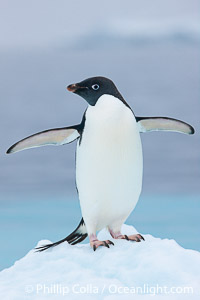
Adelie penguin on an iceberg.
Species: Adelie penguin, Pygoscelis adeliae
Location: Brown Bluff, Antarctic Peninsula, Antarctica
Image ID: 25006
Species: Adelie penguin, Pygoscelis adeliae
Location: Brown Bluff, Antarctic Peninsula, Antarctica
Image ID: 25006
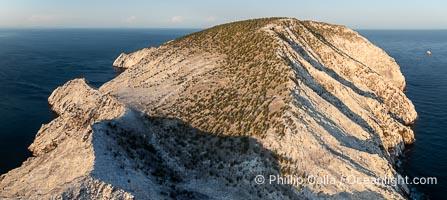
Isla San Pedro Martir at sunset with extensive forest of Cardon Cactus seen on the summit ridge of the island, aerial photo, Sea of Cortez, Mexico. San Pedro Martir Island and its marine life are, since 2002, part of the San Pedro Martir Biosphere Reserve, and is regarded as a natural laboratory of adaptive evolution, similar to that of the Galapagos Islands. It is home to 292 species of fauna and flora (both land-based and aquatic), with 42 species protected by Mexican law, and 30 listed on the Red List of Threatened Species. San Pedro Martir is also unique in the area for its year-round quantity of birds. The island is the only island in the area with a perpetually swirling cloud of sea birds. This is because the water around the island, has some of the most successful marine productivity in the world.
Species: Cardon cactus, Elephant cactus, Pachycereus pringlei
Location: Isla San Pedro Martir, Sonora, Mexico
Image ID: 40398
Species: Cardon cactus, Elephant cactus, Pachycereus pringlei
Location: Isla San Pedro Martir, Sonora, Mexico
Image ID: 40398
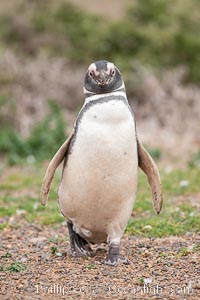
Magellanic penguin, Spheniscus magellanicus, Patagonia.
Species: Magellanic penguin, Spheniscus magellanicus
Location: Puerto Piramides, Chubut, Argentina
Image ID: 38427
Species: Magellanic penguin, Spheniscus magellanicus
Location: Puerto Piramides, Chubut, Argentina
Image ID: 38427
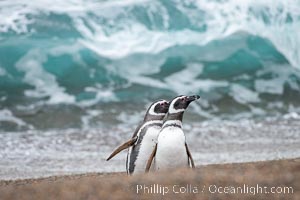
Magellanic penguin, Spheniscus magellanicus, Patagonia.
Species: Magellanic penguin, Spheniscus magellanicus
Location: Puerto Piramides, Chubut, Argentina
Image ID: 38429
Species: Magellanic penguin, Spheniscus magellanicus
Location: Puerto Piramides, Chubut, Argentina
Image ID: 38429
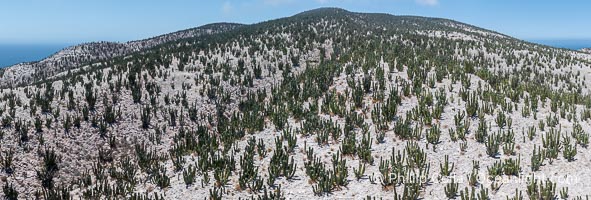
Extensive Forest of Cardon Cactus on the Summit Ridge of San Pedro Martir Island, Sea of Cortez, Mexico. The island and its marine life are, since 2002, part of the San Pedro Martir Biosphere Reserve, and is regarded as a natural laboratory of adaptive evolution, similar to that of the Galapagos Islands. It is home to 292 species of fauna and flora (both land-based and aquatic), with 42 species protected by Mexican law, and 30 listed on the Red List of Threatened Species. San Pedro Martir is also unique in the area for its year-round quantity of birds. The island is the only island in the area with a perpetually swirling cloud of sea birds. This is because the water around the island, has some of the most successful marine productivity in the world.
Location: Isla San Pedro Martir, Sonora, Mexico
Image ID: 40386
Panorama dimensions: 3391 x 10022
Location: Isla San Pedro Martir, Sonora, Mexico
Image ID: 40386
Panorama dimensions: 3391 x 10022
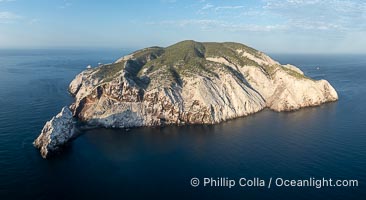
Isla San Pedro Martir aerial photo, Sea of Cortez, Mexico. San Pedro Martir Island and its marine life are, since 2002, part of the San Pedro Martir Biosphere Reserve, and is regarded as a natural laboratory of adaptive evolution, similar to that of the Galapagos Islands. It is home to 292 species of fauna and flora (both land-based and aquatic), with 42 species protected by Mexican law, and 30 listed on the Red List of Threatened Species. San Pedro Martir is also unique in the area for its year-round quantity of birds. The island is the only island in the area with a perpetually swirling cloud of sea birds. This is because the water around the island, has some of the most successful marine productivity in the world.
Location: Isla San Pedro Martir, Sonora, Mexico
Image ID: 40419
Location: Isla San Pedro Martir, Sonora, Mexico
Image ID: 40419
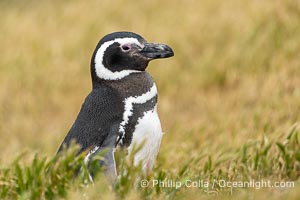
Magellanic penguin in its burrow, Spheniscus magellanicus, Peninsula Valdes, Patagonia, Argentina. By permission of the Government of Argentina, Chubut, permit # 51 / 2025-SsCyA.
Species: Magellanic penguin, Spheniscus magellanicus
Location: Puerto Piramides, Chubut, Argentina
Image ID: 41227
Species: Magellanic penguin, Spheniscus magellanicus
Location: Puerto Piramides, Chubut, Argentina
Image ID: 41227
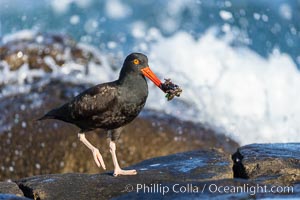
Black Oystercatcher foraging for food, Haematopus bachmani.
Species: Black Oystercatcher, Haematopus bachmani
Location: La Jolla, California
Image ID: 37720
Species: Black Oystercatcher, Haematopus bachmani
Location: La Jolla, California
Image ID: 37720
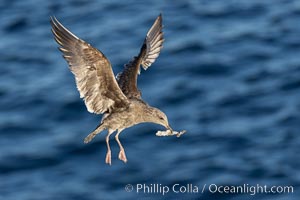
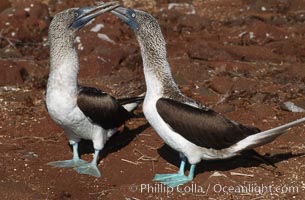
Blue-footed booby, courtship display.
Species: Blue-footed booby, Sula nebouxii
Location: North Seymour Island, Galapagos Islands, Ecuador
Image ID: 01791
Species: Blue-footed booby, Sula nebouxii
Location: North Seymour Island, Galapagos Islands, Ecuador
Image ID: 01791
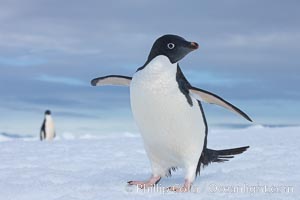
A curious Adelie penguin, standing at the edge of an iceberg, looks over the photographer.
Species: Adelie penguin, Pygoscelis adeliae
Location: Paulet Island, Antarctic Peninsula, Antarctica
Image ID: 25015
Species: Adelie penguin, Pygoscelis adeliae
Location: Paulet Island, Antarctic Peninsula, Antarctica
Image ID: 25015
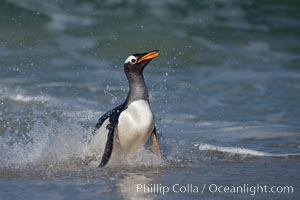
Gentoo penguin coming ashore, after foraging at sea, walking through ocean water as it wades onto a sand beach. Adult gentoo penguins grow to be 30" and 19lb in size. They feed on fish and crustaceans. Gentoo penguins reside in colonies well inland from the ocean, often formed of a circular collection of stones gathered by the penguins.
Species: Gentoo penguin, Pygoscelis papua
Location: New Island, Falkland Islands, United Kingdom
Image ID: 23828
Species: Gentoo penguin, Pygoscelis papua
Location: New Island, Falkland Islands, United Kingdom
Image ID: 23828