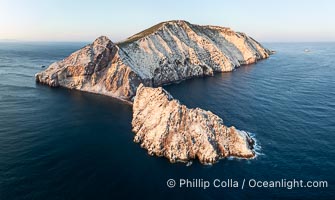
Isla San Pedro Martir at sunset with extensive forest of Cardon Cactus seen on the summit ridge of the island, aerial photo, Sea of Cortez, Mexico. San Pedro Martir Island and its marine life are, since 2002, part of the San Pedro Martir Biosphere Reserve, and is regarded as a natural laboratory of adaptive evolution, similar to that of the Galapagos Islands. It is home to 292 species of fauna and flora (both land-based and aquatic), with 42 species protected by Mexican law, and 30 listed on the Red List of Threatened Species. San Pedro Martir is also unique in the area for its year-round quantity of birds. The island is the only island in the area with a perpetually swirling cloud of sea birds. This is because the water around the island, has some of the most successful marine productivity in the world.
Location: Isla San Pedro Martir, Sonora, Mexico
Image ID: 40403
Location: Isla San Pedro Martir, Sonora, Mexico
Image ID: 40403
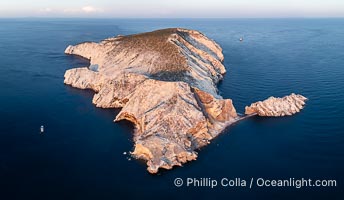
Isla San Pedro Martir at sunset with extensive forest of Cardon Cactus seen on the summit ridge of the island, aerial photo, Sea of Cortez, Mexico. San Pedro Martir Island and its marine life are, since 2002, part of the San Pedro Martir Biosphere Reserve, and is regarded as a natural laboratory of adaptive evolution, similar to that of the Galapagos Islands. It is home to 292 species of fauna and flora (both land-based and aquatic), with 42 species protected by Mexican law, and 30 listed on the Red List of Threatened Species. San Pedro Martir is also unique in the area for its year-round quantity of birds. The island is the only island in the area with a perpetually swirling cloud of sea birds. This is because the water around the island, has some of the most successful marine productivity in the world.
Location: Isla San Pedro Martir, Sonora, Mexico
Image ID: 40404
Location: Isla San Pedro Martir, Sonora, Mexico
Image ID: 40404
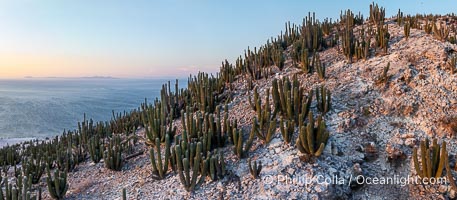
Extensive Forest of Cardon Cactus on the Summit Ridge of San Pedro Martir Island, Sea of Cortez, Mexico. The island and its marine life are, since 2002, part of the San Pedro Martir Biosphere Reserve, and is regarded as a natural laboratory of adaptive evolution, similar to that of the Galapagos Islands. It is home to 292 species of fauna and flora (both land-based and aquatic), with 42 species protected by Mexican law, and 30 listed on the Red List of Threatened Species. San Pedro Martir is also unique in the area for its year-round quantity of birds. The island is the only island in the area with a perpetually swirling cloud of sea birds. This is because the water around the island, has some of the most successful marine productivity in the world.
Location: Isla San Pedro Martir, Sonora, Mexico
Image ID: 40405
Location: Isla San Pedro Martir, Sonora, Mexico
Image ID: 40405
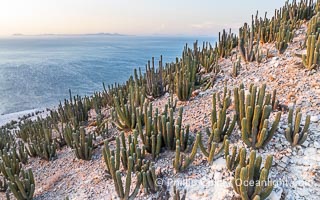
Extensive Forest of Cardon Cactus on the Summit Ridge of San Pedro Martir Island, Sea of Cortez, Mexico. The island and its marine life are, since 2002, part of the San Pedro Martir Biosphere Reserve, and is regarded as a natural laboratory of adaptive evolution, similar to that of the Galapagos Islands. It is home to 292 species of fauna and flora (both land-based and aquatic), with 42 species protected by Mexican law, and 30 listed on the Red List of Threatened Species. San Pedro Martir is also unique in the area for its year-round quantity of birds. The island is the only island in the area with a perpetually swirling cloud of sea birds. This is because the water around the island, has some of the most successful marine productivity in the world.
Location: Isla San Pedro Martir, Sonora, Mexico
Image ID: 40406
Location: Isla San Pedro Martir, Sonora, Mexico
Image ID: 40406
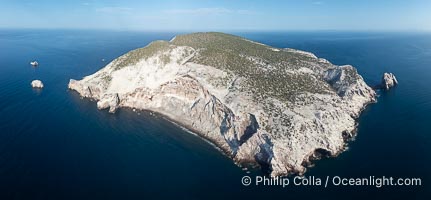
Isla San Pedro Martir aerial photo, Sea of Cortez, Mexico. San Pedro Martir Island and its marine life are, since 2002, part of the San Pedro Martir Biosphere Reserve, and is regarded as a natural laboratory of adaptive evolution, similar to that of the Galapagos Islands. It is home to 292 species of fauna and flora (both land-based and aquatic), with 42 species protected by Mexican law, and 30 listed on the Red List of Threatened Species. San Pedro Martir is also unique in the area for its year-round quantity of birds. The island is the only island in the area with a perpetually swirling cloud of sea birds. This is because the water around the island, has some of the most successful marine productivity in the world.
Location: Isla San Pedro Martir, Sonora, Mexico
Image ID: 40420
Panorama dimensions: 4854 x 10464
Location: Isla San Pedro Martir, Sonora, Mexico
Image ID: 40420
Panorama dimensions: 4854 x 10464
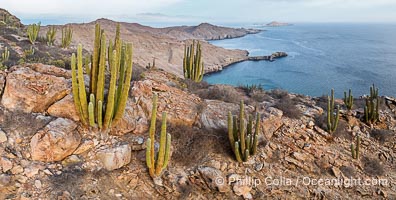
Aerial photo of Islas San Lorenzo in the Sea of Cortez. San Lorenzo Marine Archipelago National Park is a national park of Mexico located on San Lorenzo Island part of an archipelago in the Gulf of California off the eastern coast of Baja California. The San Lorenzo Archipelago is considered one of the most important ecological areas of the Gulf of California. The Island and surrounding areas are part of a rich ecosystem comprised by a grand variety of flora and marine fauna. This area is protected by the Mexican federal government Norma Oficial Mexicana because of its importance as a habitat for several endangered species.
Location: Islas San Lorenzo, Baja California, Mexico
Image ID: 40437
Location: Islas San Lorenzo, Baja California, Mexico
Image ID: 40437
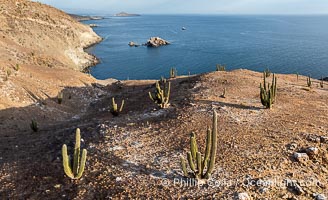
Aerial photo of Islas San Lorenzo in the Sea of Cortez. San Lorenzo Marine Archipelago National Park is a national park of Mexico located on San Lorenzo Island part of an archipelago in the Gulf of California off the eastern coast of Baja California. The San Lorenzo Archipelago is considered one of the most important ecological areas of the Gulf of California. The Island and surrounding areas are part of a rich ecosystem comprised by a grand variety of flora and marine fauna. This area is protected by the Mexican federal government Norma Oficial Mexicana because of its importance as a habitat for several endangered species.
Location: Islas San Lorenzo, Baja California, Mexico
Image ID: 40438
Location: Islas San Lorenzo, Baja California, Mexico
Image ID: 40438
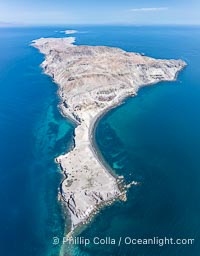
Aerial photo of Islas San Lorenzo in the Sea of Cortez. San Lorenzo Marine Archipelago National Park is a national park of Mexico located on San Lorenzo Island part of an archipelago in the Gulf of California off the eastern coast of Baja California. The San Lorenzo Archipelago is considered one of the most important ecological areas of the Gulf of California. The Island and surrounding areas are part of a rich ecosystem comprised by a grand variety of flora and marine fauna. This area is protected by the Mexican federal government Norma Oficial Mexicana because of its importance as a habitat for several endangered species.
Location: Islas San Lorenzo, Baja California, Mexico
Image ID: 40455
Location: Islas San Lorenzo, Baja California, Mexico
Image ID: 40455
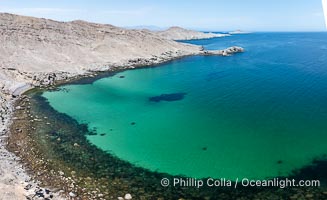
Aerial photo of Islas San Lorenzo in the Sea of Cortez. San Lorenzo Marine Archipelago National Park is a national park of Mexico located on San Lorenzo Island part of an archipelago in the Gulf of California off the eastern coast of Baja California. The San Lorenzo Archipelago is considered one of the most important ecological areas of the Gulf of California. The Island and surrounding areas are part of a rich ecosystem comprised by a grand variety of flora and marine fauna. This area is protected by the Mexican federal government Norma Oficial Mexicana because of its importance as a habitat for several endangered species.
Location: Islas San Lorenzo, Baja California, Mexico
Image ID: 40456
Location: Islas San Lorenzo, Baja California, Mexico
Image ID: 40456
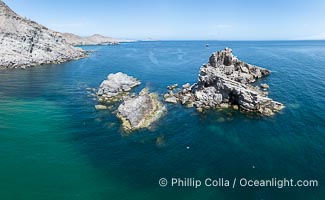
Aerial photo of Islas San Lorenzo in the Sea of Cortez. San Lorenzo Marine Archipelago National Park is a national park of Mexico located on San Lorenzo Island part of an archipelago in the Gulf of California off the eastern coast of Baja California. The San Lorenzo Archipelago is considered one of the most important ecological areas of the Gulf of California. The Island and surrounding areas are part of a rich ecosystem comprised by a grand variety of flora and marine fauna. This area is protected by the Mexican federal government Norma Oficial Mexicana because of its importance as a habitat for several endangered species.
Location: Islas San Lorenzo, Baja California, Mexico
Image ID: 40457
Location: Islas San Lorenzo, Baja California, Mexico
Image ID: 40457
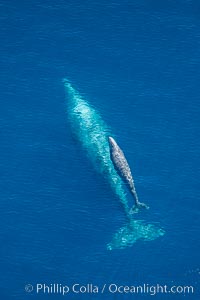
Aerial photo of gray whale calf and mother. This baby gray whale was born during the southern migration, far to the north of the Mexican lagoons of Baja California where most gray whale births take place.
Species: Gray whale, Eschrichtius robustus
Location: San Clemente, California
Image ID: 29000
Species: Gray whale, Eschrichtius robustus
Location: San Clemente, California
Image ID: 29000
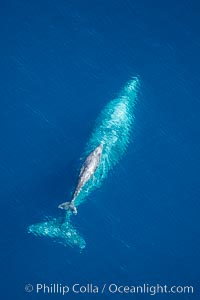
Aerial photo of gray whale calf and mother. This baby gray whale was born during the southern migration, far to the north of the Mexican lagoons of Baja California where most gray whale births take place.
Species: Gray whale, Eschrichtius robustus
Location: San Clemente, California
Image ID: 29002
Species: Gray whale, Eschrichtius robustus
Location: San Clemente, California
Image ID: 29002
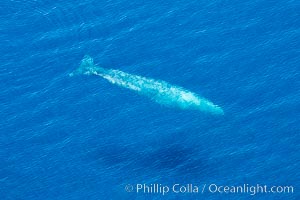
Aerial photo of gray whale calf and mother. This baby gray whale was born during the southern migration, far to the north of the Mexican lagoons of Baja California where most gray whale births take place.
Species: Gray whale, Eschrichtius robustus
Location: San Clemente, California
Image ID: 29003
Species: Gray whale, Eschrichtius robustus
Location: San Clemente, California
Image ID: 29003
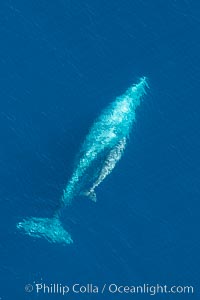
Aerial photo of gray whale calf and mother. This baby gray whale was born during the southern migration, far to the north of the Mexican lagoons of Baja California where most gray whale births take place.
Species: Gray whale, Eschrichtius robustus
Location: San Clemente, California
Image ID: 29004
Species: Gray whale, Eschrichtius robustus
Location: San Clemente, California
Image ID: 29004
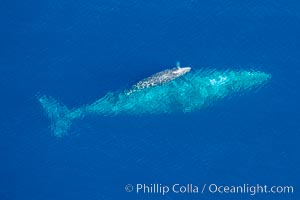
Aerial photo of gray whale calf and mother. This baby gray whale was born during the southern migration, far to the north of the Mexican lagoons of Baja California where most gray whale births take place.
Species: Gray whale, Eschrichtius robustus
Location: San Clemente, California
Image ID: 29005
Species: Gray whale, Eschrichtius robustus
Location: San Clemente, California
Image ID: 29005
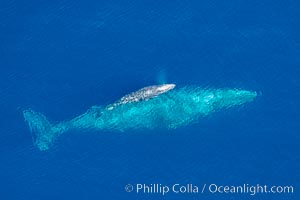
Aerial photo of gray whale calf and mother. This baby gray whale was born during the southern migration, far to the north of the Mexican lagoons of Baja California where most gray whale births take place.
Species: Gray whale, Eschrichtius robustus
Location: San Clemente, California
Image ID: 29006
Species: Gray whale, Eschrichtius robustus
Location: San Clemente, California
Image ID: 29006
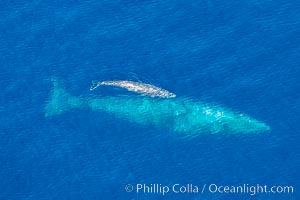
Aerial photo of gray whale calf and mother. This baby gray whale was born during the southern migration, far to the north of the Mexican lagoons of Baja California where most gray whale births take place.
Species: Gray whale, Eschrichtius robustus
Location: San Clemente, California
Image ID: 29007
Species: Gray whale, Eschrichtius robustus
Location: San Clemente, California
Image ID: 29007
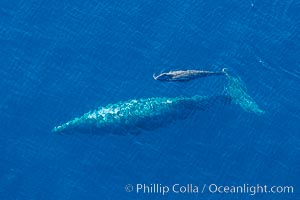
Aerial photo of gray whale calf and mother. This baby gray whale was born during the southern migration, far to the north of the Mexican lagoons of Baja California where most gray whale births take place.
Species: Gray whale, Eschrichtius robustus
Location: San Clemente, California
Image ID: 29008
Species: Gray whale, Eschrichtius robustus
Location: San Clemente, California
Image ID: 29008
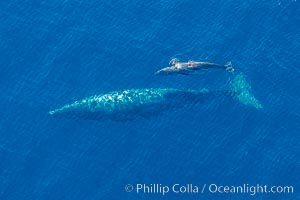
Aerial photo of gray whale calf and mother. This baby gray whale was born during the southern migration, far to the north of the Mexican lagoons of Baja California where most gray whale births take place.
Species: Gray whale, Eschrichtius robustus
Location: San Clemente, California
Image ID: 29009
Species: Gray whale, Eschrichtius robustus
Location: San Clemente, California
Image ID: 29009
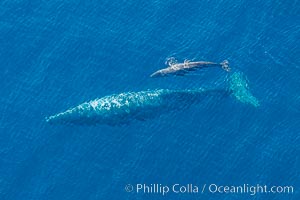
Aerial photo of gray whale calf and mother. This baby gray whale was born during the southern migration, far to the north of the Mexican lagoons of Baja California where most gray whale births take place.
Species: Gray whale, Eschrichtius robustus
Location: San Clemente, California
Image ID: 29010
Species: Gray whale, Eschrichtius robustus
Location: San Clemente, California
Image ID: 29010
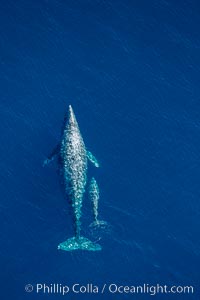
Aerial photo of gray whale calf and mother. This baby gray whale was born during the southern migration, far to the north of the Mexican lagoons of Baja California where most gray whale births take place.
Species: Gray whale, Eschrichtius robustus
Location: San Clemente, California
Image ID: 29014
Species: Gray whale, Eschrichtius robustus
Location: San Clemente, California
Image ID: 29014
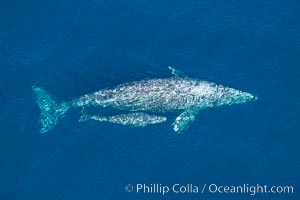
Aerial photo of gray whale calf and mother. This baby gray whale was born during the southern migration, far to the north of the Mexican lagoons of Baja California where most gray whale births take place.
Species: Gray whale, Eschrichtius robustus
Location: San Clemente, California
Image ID: 29018
Species: Gray whale, Eschrichtius robustus
Location: San Clemente, California
Image ID: 29018
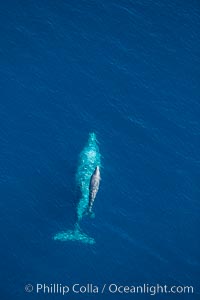
Aerial photo of gray whale calf and mother. This baby gray whale was born during the southern migration, far to the north of the Mexican lagoons of Baja California where most gray whale births take place.
Species: Gray whale, Eschrichtius robustus
Location: San Clemente, California
Image ID: 29020
Species: Gray whale, Eschrichtius robustus
Location: San Clemente, California
Image ID: 29020
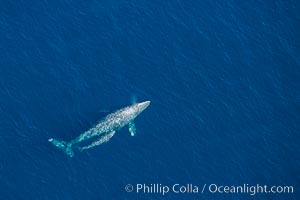
Aerial photo of gray whale calf and mother. This baby gray whale was born during the southern migration, far to the north of the Mexican lagoons of Baja California where most gray whale births take place.
Species: Gray whale, Eschrichtius robustus
Location: San Clemente, California
Image ID: 29021
Species: Gray whale, Eschrichtius robustus
Location: San Clemente, California
Image ID: 29021
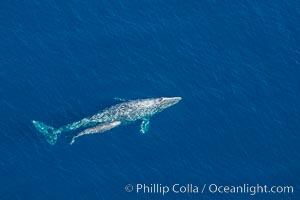
Aerial photo of gray whale calf and mother. This baby gray whale was born during the southern migration, far to the north of the Mexican lagoons of Baja California where most gray whale births take place.
Species: Gray whale, Eschrichtius robustus
Location: San Clemente, California
Image ID: 29022
Species: Gray whale, Eschrichtius robustus
Location: San Clemente, California
Image ID: 29022
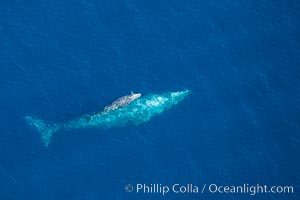
Aerial photo of gray whale calf and mother. This baby gray whale was born during the southern migration, far to the north of the Mexican lagoons of Baja California where most gray whale births take place.
Species: Gray whale, Eschrichtius robustus
Location: San Clemente, California
Image ID: 29023
Species: Gray whale, Eschrichtius robustus
Location: San Clemente, California
Image ID: 29023
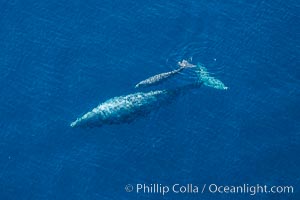
Aerial photo of gray whale calf and mother. This baby gray whale was born during the southern migration, far to the north of the Mexican lagoons of Baja California where most gray whale births take place.
Species: Gray whale, Eschrichtius robustus
Location: San Clemente, California
Image ID: 29024
Species: Gray whale, Eschrichtius robustus
Location: San Clemente, California
Image ID: 29024
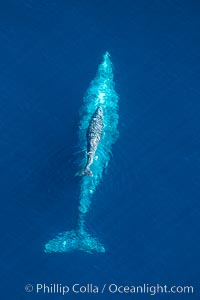
Aerial photo of gray whale calf and mother. This baby gray whale was born during the southern migration, far to the north of the Mexican lagoons of Baja California where most gray whale births take place.
Species: Gray whale, Eschrichtius robustus
Location: San Clemente, California
Image ID: 29025
Species: Gray whale, Eschrichtius robustus
Location: San Clemente, California
Image ID: 29025
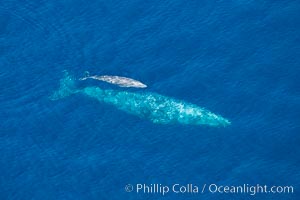
Aerial photo of gray whale calf and mother. This baby gray whale was born during the southern migration, far to the north of the Mexican lagoons of Baja California where most gray whale births take place.
Species: Gray whale, Eschrichtius robustus
Location: San Clemente, California
Image ID: 29026
Species: Gray whale, Eschrichtius robustus
Location: San Clemente, California
Image ID: 29026
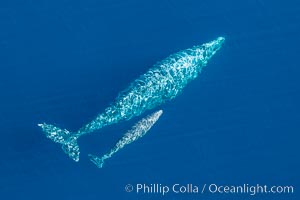
Aerial photo of gray whale calf and mother. This baby gray whale was born during the southern migration, far to the north of the Mexican lagoons of Baja California where most gray whale births take place.
Species: Gray whale, Eschrichtius robustus
Location: San Clemente, California
Image ID: 29027
Species: Gray whale, Eschrichtius robustus
Location: San Clemente, California
Image ID: 29027