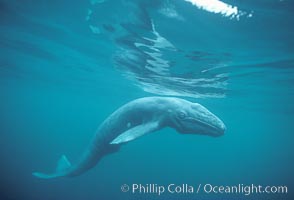
A neonate gray whale calf, born just hours before, still exhbiting embryonic folds in the skin along its side. This baby gray whale was born in the cold waters of Big Sur, far to the north of the Mexican lagoons of Baja California where most gray whale births take place.
Species: Gray whale, Eschrichtius robustus
Location: Monterey, California
Image ID: 01135
Species: Gray whale, Eschrichtius robustus
Location: Monterey, California
Image ID: 01135
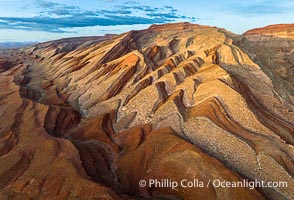
Aerial Photo of Raplee Ridge near Mexican Hat, Utah. Raplee Ridge is a spectacular series of multicolored triangular flatirons near the San Juan River. Often called "the Raplee Anticline" the geologic structure is in fact better described as a monocline, according to the Utah Geological Survey.
Location: Mexican Hat, Utah
Image ID: 39489
Location: Mexican Hat, Utah
Image ID: 39489
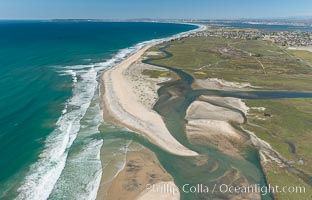
Aerial Photo of Tijuana River Mouth SMCA. Tijuana River Mouth State Marine Conservation Area borders Imperial Beach and the Mexican Border.
Location: Imperial Beach, California
Image ID: 30660
Location: Imperial Beach, California
Image ID: 30660
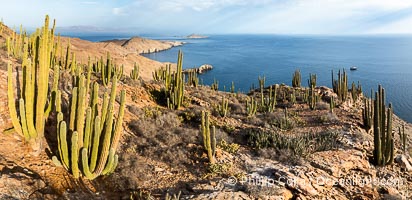
Aerial photo of Islas San Lorenzo in the Sea of Cortez. San Lorenzo Marine Archipelago National Park is a national park of Mexico located on San Lorenzo Island part of an archipelago in the Gulf of California off the eastern coast of Baja California. The San Lorenzo Archipelago is considered one of the most important ecological areas of the Gulf of California. The Island and surrounding areas are part of a rich ecosystem comprised by a grand variety of flora and marine fauna. This area is protected by the Mexican federal government Norma Oficial Mexicana because of its importance as a habitat for several endangered species.
Location: Islas San Lorenzo, Baja California, Mexico
Image ID: 40441
Location: Islas San Lorenzo, Baja California, Mexico
Image ID: 40441
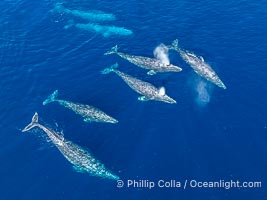
Large Seven Animal Gray Whale Courtship Group, Aerial Photo, San Diego. Courtship during the southern migration, far to the north of the Mexican lagoons of Baja California where most gray whale births take place.
Species: Gray whale, Eschrichtius robustus
Image ID: 41521
Species: Gray whale, Eschrichtius robustus
Image ID: 41521
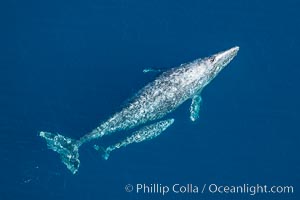
Aerial photo of gray whale calf and mother. This baby gray whale was born during the southern migration, far to the north of the Mexican lagoons of Baja California where most gray whale births take place.
Species: Gray whale, Eschrichtius robustus
Location: San Clemente, California
Image ID: 29017
Species: Gray whale, Eschrichtius robustus
Location: San Clemente, California
Image ID: 29017
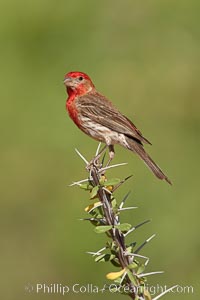
House finch, male.
Species: House finch, Carpodacus mexicanus
Location: Amado, Arizona
Image ID: 22927
Species: House finch, Carpodacus mexicanus
Location: Amado, Arizona
Image ID: 22927
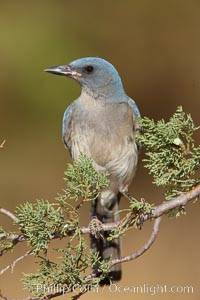
Mexican jay.
Species: Mexican jay, Aphelocoma ultramarina
Location: Madera Canyon Recreation Area, Green Valley, Arizona
Image ID: 22959
Species: Mexican jay, Aphelocoma ultramarina
Location: Madera Canyon Recreation Area, Green Valley, Arizona
Image ID: 22959
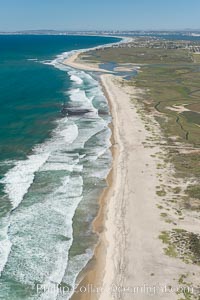
Aerial Photo of Tijuana River Mouth SMCA. Tijuana River Mouth State Marine Conservation Area borders Imperial Beach and the Mexican Border.
Location: Imperial Beach, California
Image ID: 30649
Location: Imperial Beach, California
Image ID: 30649
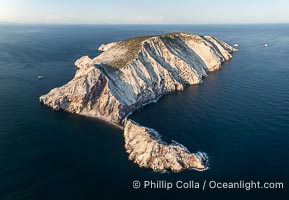
Isla San Pedro Martir at sunset with extensive forest of Cardon Cactus seen on the summit ridge of the island, aerial photo, Sea of Cortez, Mexico. San Pedro Martir Island and its marine life are, since 2002, part of the San Pedro Martir Biosphere Reserve, and is regarded as a natural laboratory of adaptive evolution, similar to that of the Galapagos Islands. It is home to 292 species of fauna and flora (both land-based and aquatic), with 42 species protected by Mexican law, and 30 listed on the Red List of Threatened Species. San Pedro Martir is also unique in the area for its year-round quantity of birds. The island is the only island in the area with a perpetually swirling cloud of sea birds. This is because the water around the island, has some of the most successful marine productivity in the world.
Location: Isla San Pedro Martir, Sonora, Mexico
Image ID: 40397
Location: Isla San Pedro Martir, Sonora, Mexico
Image ID: 40397
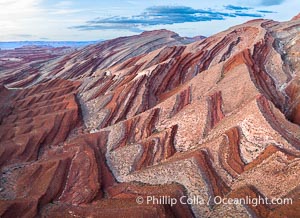
Aerial Photo of Raplee Ridge near Mexican Hat, Utah. Raplee Ridge is a spectacular series of multicolored triangular flatirons near the San Juan River. Often called "the Raplee Anticline" the geologic structure is in fact better described as a monocline, according to the Utah Geological Survey.
Location: Mexican Hat, Utah
Image ID: 39490
Location: Mexican Hat, Utah
Image ID: 39490
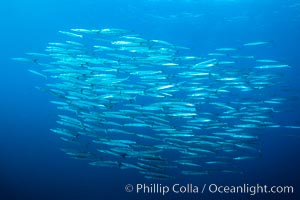
Mexican Barracuda, Los Islotes, Baja Califorinia.
Location: Sea of Cortez, Baja California, Mexico
Image ID: 31252
Location: Sea of Cortez, Baja California, Mexico
Image ID: 31252
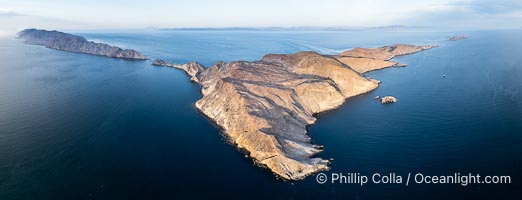
Aerial photo of Islas San Lorenzo in the Sea of Cortez. San Lorenzo Marine Archipelago National Park is a national park of Mexico located on San Lorenzo Island part of an archipelago in the Gulf of California off the eastern coast of Baja California. The San Lorenzo Archipelago is considered one of the most important ecological areas of the Gulf of California. The Island and surrounding areas are part of a rich ecosystem comprised by a grand variety of flora and marine fauna. This area is protected by the Mexican federal government Norma Oficial Mexicana because of its importance as a habitat for several endangered species.
Location: Islas San Lorenzo, Baja California, Mexico
Image ID: 40436
Panorama dimensions: 4604 x 12021
Location: Islas San Lorenzo, Baja California, Mexico
Image ID: 40436
Panorama dimensions: 4604 x 12021
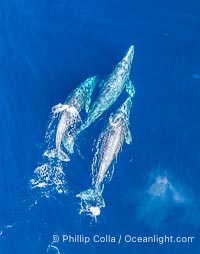
Courting Trio of Gray Whales, Aerial Photo, San Diego. Courtship during the southern migration, far to the north of the Mexican lagoons of Baja California where most gray whale births take place.
Species: Gray whale, Eschrichtius robustus
Image ID: 41518
Species: Gray whale, Eschrichtius robustus
Image ID: 41518
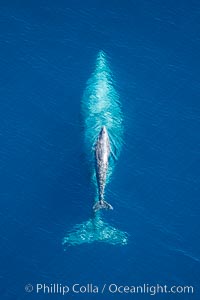
Aerial photo of gray whale calf and mother. This baby gray whale was born during the southern migration, far to the north of the Mexican lagoons of Baja California where most gray whale births take place.
Species: Gray whale, Eschrichtius robustus
Location: San Clemente, California
Image ID: 29001
Species: Gray whale, Eschrichtius robustus
Location: San Clemente, California
Image ID: 29001
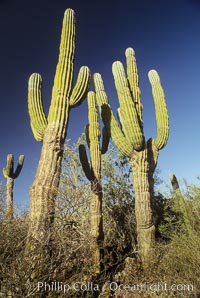
Cardon cactus, near La Paz, Baja California, Mexico. Known as the elephant cactus or Mexican giant cactus, cardon is largest cactus in the world and is endemic to the deserts of the Baja California peninsula. Some specimens of cardon have been measured over 21m (70) high. These slow-growing plants live up to 300 years and can weigh 25 tons. Cardon is often mistaken for the superficially similar saguaro of Arizona and Sonora, but the saguaro does not occupy Baja California.
Species: Cardon cactus, Elephant cactus, Pachycereus pringlei
Location: La Paz, Baja California, Mexico
Image ID: 05498
Species: Cardon cactus, Elephant cactus, Pachycereus pringlei
Location: La Paz, Baja California, Mexico
Image ID: 05498
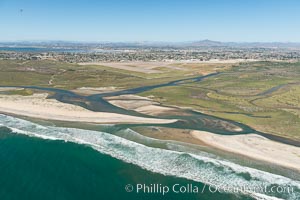
Aerial Photo of Tijuana River Mouth SMCA. Tijuana River Mouth State Marine Conservation Area borders Imperial Beach and the Mexican Border.
Location: Imperial Beach, California
Image ID: 30648
Location: Imperial Beach, California
Image ID: 30648
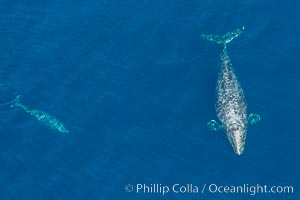
Aerial photo of gray whale calf and mother. This baby gray whale was born during the southern migration, far to the north of the Mexican lagoons of Baja California where most gray whale births take place.
Species: Gray whale, Eschrichtius robustus
Location: San Clemente, California
Image ID: 29031
Species: Gray whale, Eschrichtius robustus
Location: San Clemente, California
Image ID: 29031
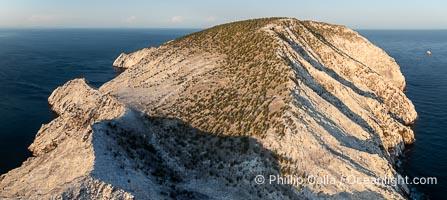
Isla San Pedro Martir at sunset with extensive forest of Cardon Cactus seen on the summit ridge of the island, aerial photo, Sea of Cortez, Mexico. San Pedro Martir Island and its marine life are, since 2002, part of the San Pedro Martir Biosphere Reserve, and is regarded as a natural laboratory of adaptive evolution, similar to that of the Galapagos Islands. It is home to 292 species of fauna and flora (both land-based and aquatic), with 42 species protected by Mexican law, and 30 listed on the Red List of Threatened Species. San Pedro Martir is also unique in the area for its year-round quantity of birds. The island is the only island in the area with a perpetually swirling cloud of sea birds. This is because the water around the island, has some of the most successful marine productivity in the world.
Species: Cardon cactus, Elephant cactus, Pachycereus pringlei
Location: Isla San Pedro Martir, Sonora, Mexico
Image ID: 40398
Species: Cardon cactus, Elephant cactus, Pachycereus pringlei
Location: Isla San Pedro Martir, Sonora, Mexico
Image ID: 40398
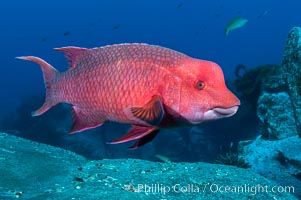
Mexican hogfish, adult male showing fleshy bump on head.
Species: Mexican hogfish, Bodianus diplotaenia
Location: Guadalupe Island (Isla Guadalupe), Baja California, Mexico
Image ID: 09606
Species: Mexican hogfish, Bodianus diplotaenia
Location: Guadalupe Island (Isla Guadalupe), Baja California, Mexico
Image ID: 09606
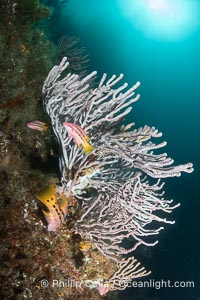
Gorgonians and Juvenile Mexican Hogfish on Lush Rocky Reef, Isla de la Guarda, Sea of Cortez.
Species: Mexican hogfish, Bodianus diplotaenia
Location: Isla Angel de la Guarda, Baja California, Mexico
Image ID: 40349
Species: Mexican hogfish, Bodianus diplotaenia
Location: Isla Angel de la Guarda, Baja California, Mexico
Image ID: 40349
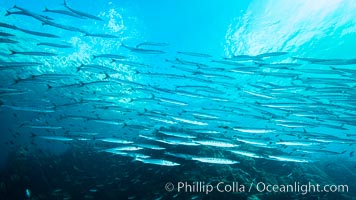
Mexican Barracuda, Los Islotes, Baja Califorinia.
Location: Sea of Cortez, Baja California, Mexico
Image ID: 31251
Location: Sea of Cortez, Baja California, Mexico
Image ID: 31251
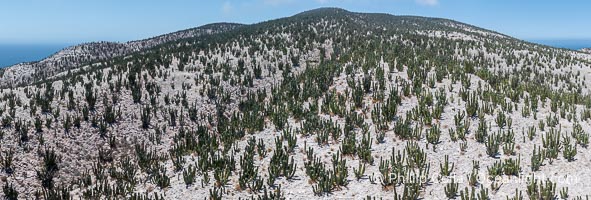
Extensive Forest of Cardon Cactus on the Summit Ridge of San Pedro Martir Island, Sea of Cortez, Mexico. The island and its marine life are, since 2002, part of the San Pedro Martir Biosphere Reserve, and is regarded as a natural laboratory of adaptive evolution, similar to that of the Galapagos Islands. It is home to 292 species of fauna and flora (both land-based and aquatic), with 42 species protected by Mexican law, and 30 listed on the Red List of Threatened Species. San Pedro Martir is also unique in the area for its year-round quantity of birds. The island is the only island in the area with a perpetually swirling cloud of sea birds. This is because the water around the island, has some of the most successful marine productivity in the world.
Location: Isla San Pedro Martir, Sonora, Mexico
Image ID: 40386
Panorama dimensions: 3391 x 10022
Location: Isla San Pedro Martir, Sonora, Mexico
Image ID: 40386
Panorama dimensions: 3391 x 10022
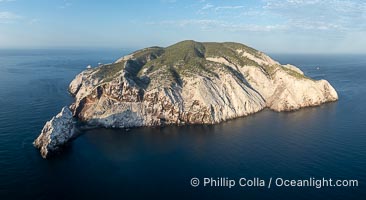
Isla San Pedro Martir aerial photo, Sea of Cortez, Mexico. San Pedro Martir Island and its marine life are, since 2002, part of the San Pedro Martir Biosphere Reserve, and is regarded as a natural laboratory of adaptive evolution, similar to that of the Galapagos Islands. It is home to 292 species of fauna and flora (both land-based and aquatic), with 42 species protected by Mexican law, and 30 listed on the Red List of Threatened Species. San Pedro Martir is also unique in the area for its year-round quantity of birds. The island is the only island in the area with a perpetually swirling cloud of sea birds. This is because the water around the island, has some of the most successful marine productivity in the world.
Location: Isla San Pedro Martir, Sonora, Mexico
Image ID: 40419
Location: Isla San Pedro Martir, Sonora, Mexico
Image ID: 40419
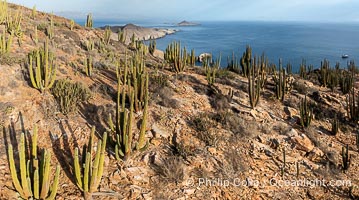
Aerial photo of Islas San Lorenzo in the Sea of Cortez. San Lorenzo Marine Archipelago National Park is a national park of Mexico located on San Lorenzo Island part of an archipelago in the Gulf of California off the eastern coast of Baja California. The San Lorenzo Archipelago is considered one of the most important ecological areas of the Gulf of California. The Island and surrounding areas are part of a rich ecosystem comprised by a grand variety of flora and marine fauna. This area is protected by the Mexican federal government Norma Oficial Mexicana because of its importance as a habitat for several endangered species.
Location: Islas San Lorenzo, Baja California, Mexico
Image ID: 40440
Location: Islas San Lorenzo, Baja California, Mexico
Image ID: 40440
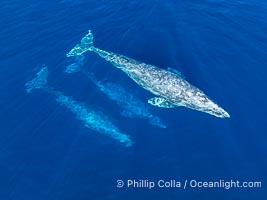
Courting Trio of Gray Whales, Aerial Photo, San Diego. Courtship during the southern migration, far to the north of the Mexican lagoons of Baja California where most gray whale births take place.
Species: Gray whale, Eschrichtius robustus
Image ID: 41516
Species: Gray whale, Eschrichtius robustus
Image ID: 41516
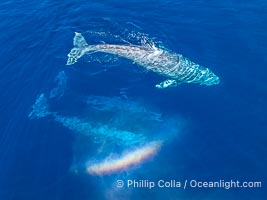
Gray Whale Courtship Group, Aerial Photo, San Diego. Courtship during the southern migration, far to the north of the Mexican lagoons of Baja California where most gray whale births take place.
Species: Gray whale, Eschrichtius robustus
Image ID: 41517
Species: Gray whale, Eschrichtius robustus
Image ID: 41517
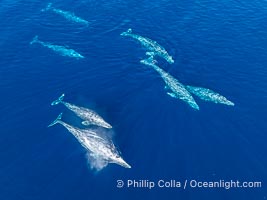
Large Seven Animal Gray Whale Courtship Group, Aerial Photo, San Diego. Courtship during the southern migration, far to the north of the Mexican lagoons of Baja California where most gray whale births take place.
Species: Gray whale, Eschrichtius robustus
Image ID: 41519
Species: Gray whale, Eschrichtius robustus
Image ID: 41519
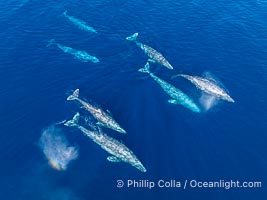
Large Seven Animal Gray Whale Courtship Group, Aerial Photo, San Diego. Courtship during the southern migration, far to the north of the Mexican lagoons of Baja California where most gray whale births take place.
Species: Gray whale, Eschrichtius robustus
Image ID: 41520
Species: Gray whale, Eschrichtius robustus
Image ID: 41520
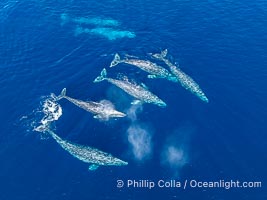
Large Seven Animal Gray Whale Courtship Group, Aerial Photo, San Diego. Courtship during the southern migration, far to the north of the Mexican lagoons of Baja California where most gray whale births take place.
Species: Gray whale, Eschrichtius robustus
Image ID: 41522
Species: Gray whale, Eschrichtius robustus
Image ID: 41522