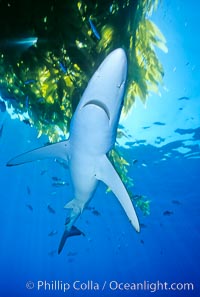
Blue shark underneath drift kelp, open ocean.
Species: Blue shark, Prionace glauca
Location: San Diego, California
Image ID: 01006
Species: Blue shark, Prionace glauca
Location: San Diego, California
Image ID: 01006
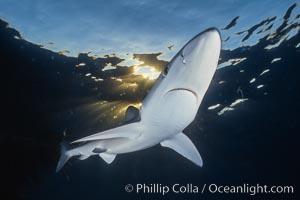
A blue shark swims through the open ocean in search of prey, backlit by the sunset.
Species: Blue shark, Prionace glauca
Location: San Diego, California
Image ID: 02286
Species: Blue shark, Prionace glauca
Location: San Diego, California
Image ID: 02286
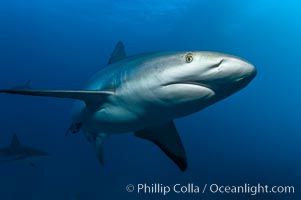
Caribbean reef shark, ampullae of Lorenzini visible on snout.
Species: Caribbean reef shark, Carcharhinus perezi
Location: Bahamas
Image ID: 10550
Species: Caribbean reef shark, Carcharhinus perezi
Location: Bahamas
Image ID: 10550
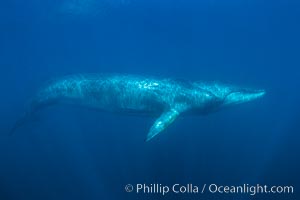
Fin whale underwater. The fin whale is the second longest and sixth most massive animal ever, reaching lengths of 88 feet.
Species: Fin whale, Balaenoptera physalus
Image ID: 27594
Species: Fin whale, Balaenoptera physalus
Image ID: 27594
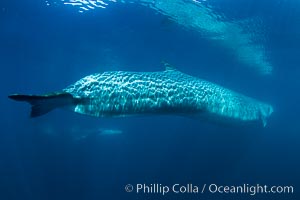
Fin whale underwater. The fin whale is the second longest and sixth most massive animal ever, reaching lengths of 88 feet.
Species: Fin whale, Balaenoptera physalus
Image ID: 27597
Species: Fin whale, Balaenoptera physalus
Image ID: 27597
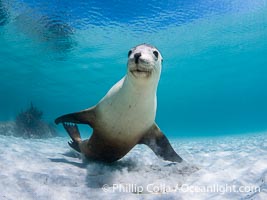
Australian Sea Lion Underwater, Grindal Island. Australian sea lions are the only endemic pinniped in Australia, and are found along the coastlines and islands of south and west Australia.
Species: Australian Sea Lion, Neophoca cinearea
Location: Grindal Island, South Australia
Image ID: 39156
Species: Australian Sea Lion, Neophoca cinearea
Location: Grindal Island, South Australia
Image ID: 39156
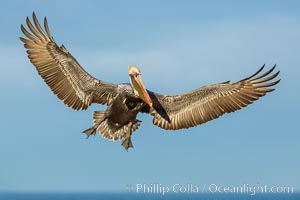
Brown pelican in flight, spreading wings wide to slow in anticipation of landing on seacliffs.
Species: Brown Pelican, Pelecanus occidentalis, Pelecanus occidentalis californicus
Location: La Jolla, California
Image ID: 28333
Species: Brown Pelican, Pelecanus occidentalis, Pelecanus occidentalis californicus
Location: La Jolla, California
Image ID: 28333
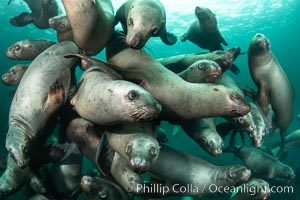
A large group of Steller sea lions underwater, Norris Rocks, Hornby Island, British Columbia, Canada.
Species: Steller sea lion, Eumetopias jubatus
Location: Hornby Island, British Columbia
Image ID: 36052
Species: Steller sea lion, Eumetopias jubatus
Location: Hornby Island, British Columbia
Image ID: 36052
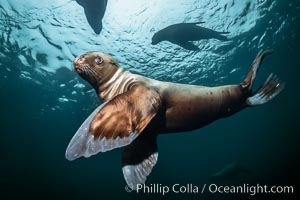
Steller sea lion underwater, Norris Rocks, Hornby Island, British Columbia, Canada.
Species: Steller sea lion, Eumetopias jubatus
Location: Hornby Island, British Columbia
Image ID: 36050
Species: Steller sea lion, Eumetopias jubatus
Location: Hornby Island, British Columbia
Image ID: 36050
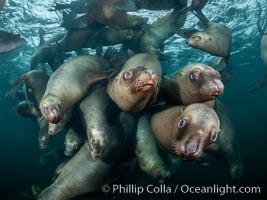
Steller sea lions underwater, Norris Rocks, Hornby Island, British Columbia, Canada.
Species: Steller sea lion, Eumetopias jubatus
Location: Hornby Island, British Columbia
Image ID: 36053
Species: Steller sea lion, Eumetopias jubatus
Location: Hornby Island, British Columbia
Image ID: 36053
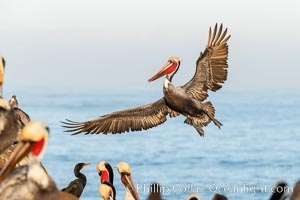
California brown pelican in flight, spreading wings wide to slow in anticipation of landing on seacliffs. Note the classic winter breeding plumage, with bright red throat, yellow and white head and neck, and brown hind neck. Other pelicans and cormorants at the periphery of the image hint at how crowded the cliff is with other birds.
Species: Brown Pelican, Pelecanus occidentalis, Pelecanus occidentalis californicus
Location: La Jolla, California
Image ID: 36679
Species: Brown Pelican, Pelecanus occidentalis, Pelecanus occidentalis californicus
Location: La Jolla, California
Image ID: 36679
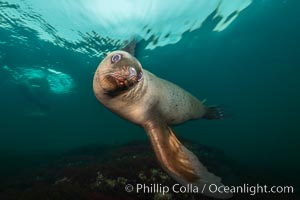
Steller sea lion underwater, Norris Rocks, Hornby Island, British Columbia, Canada.
Species: Steller sea lion, Eumetopias jubatus
Location: Hornby Island, British Columbia, Canada
Image ID: 32660
Species: Steller sea lion, Eumetopias jubatus
Location: Hornby Island, British Columbia, Canada
Image ID: 32660
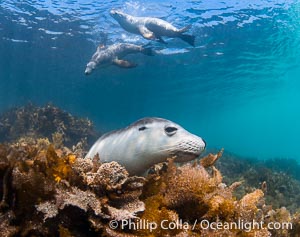
Australian Sea Lions in Kelp, Grindal Island. Australian sea lions are the only endemic pinniped in Australia, and are found along the coastlines and islands of south and west Australia.
Species: Australian Sea Lion, Neophoca cinearea
Location: Grindal Island, South Australia
Image ID: 39163
Species: Australian Sea Lion, Neophoca cinearea
Location: Grindal Island, South Australia
Image ID: 39163
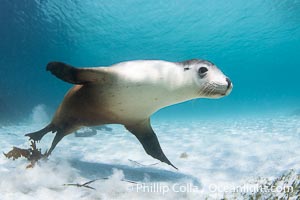
Australian Sea Lion Underwater, Grindal Island. Australian sea lions are the only endemic pinniped in Australia, and are found along the coastlines and islands of south and west Australia.
Species: Australian Sea Lion, Neophoca cinearea
Location: Grindal Island, South Australia
Image ID: 39164
Species: Australian Sea Lion, Neophoca cinearea
Location: Grindal Island, South Australia
Image ID: 39164
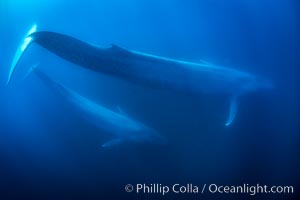
Blue whales, adult and juvenile (likely mother and calf), swimming together side by side underwater in the open ocean.
Species: Blue whale, Balaenoptera musculus
Location: San Diego, California
Image ID: 34568
Species: Blue whale, Balaenoptera musculus
Location: San Diego, California
Image ID: 34568
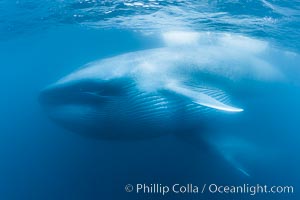
Blue whales feeding on krill underwater closeup photo. A picture of a blue whale with its throat pleats inflated with a mouthful of krill. A calf swims behind and below the adult. Over 80' long and just a few feet from the camera, an extremely wide lens was used to photograph the entire enormous whale.
Species: Blue whale, Balaenoptera musculus
Location: California
Image ID: 27314
Species: Blue whale, Balaenoptera musculus
Location: California
Image ID: 27314
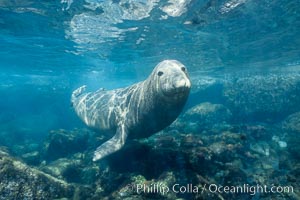
A northern elephant seal hovers underwater over a rocky bottom along the coastline of Guadalupe Island.
Species: Elephant seal, Mirounga angustirostris
Location: Guadalupe Island (Isla Guadalupe), Baja California, Mexico
Image ID: 03505
Species: Elephant seal, Mirounga angustirostris
Location: Guadalupe Island (Isla Guadalupe), Baja California, Mexico
Image ID: 03505
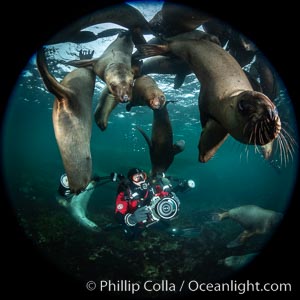
SCUBA Diver and Steller Sea Lions Underwater, underwater photographer, Hornby Island, British Columbia, Canada.
Species: Steller sea lion, Eumetopias jubatus
Image ID: 36118
Species: Steller sea lion, Eumetopias jubatus
Image ID: 36118
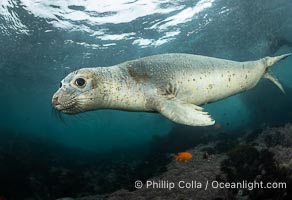
Juvenile Northern Elephant Seal Underwater, Coronado Islands, Mexico.
Species: Elephant seal, Mirounga angustirostris
Location: Coronado Islands (Islas Coronado), Baja California, Mexico
Image ID: 36465
Species: Elephant seal, Mirounga angustirostris
Location: Coronado Islands (Islas Coronado), Baja California, Mexico
Image ID: 36465
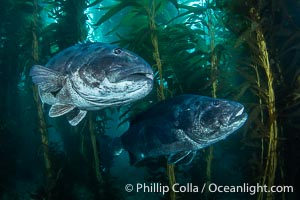
Two Giant Black Sea Bass in a Courtship Posture, in Kelp at Catalina Island. In summer months, black seabass gather in kelp forests in California to form mating aggregations. Courtship behaviors include circling of pairs of giant sea bass, production of booming sounds by presumed males, and nudging of females by males in what is though to be an effort to encourage spawning.
Species: Giant black sea bass, Stereolepis gigas
Location: Catalina Island, California
Image ID: 39432
Species: Giant black sea bass, Stereolepis gigas
Location: Catalina Island, California
Image ID: 39432
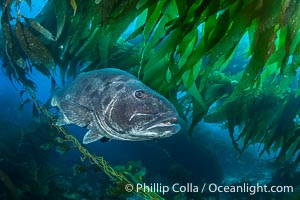
Giant Black Sea Bass with Distinctive Identifying Black Spots that allow researchers to carry out sight/resight studies on the animals distributions and growth. Black sea bass can reach 500 pounds and 8 feet in length.
Species: Giant black sea bass, Stereolepis gigas
Location: Catalina Island, California
Image ID: 39433
Species: Giant black sea bass, Stereolepis gigas
Location: Catalina Island, California
Image ID: 39433
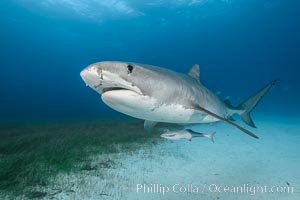
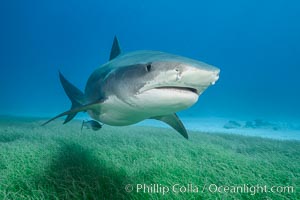
Tiger shark close up view, including nostrils and ampullae of Lorenzini.
Species: Tiger shark, Galeocerdo cuvier
Location: Bahamas
Image ID: 31901
Species: Tiger shark, Galeocerdo cuvier
Location: Bahamas
Image ID: 31901
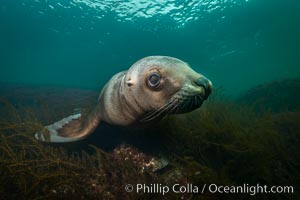
Steller sea lion underwater, Norris Rocks, Hornby Island, British Columbia, Canada.
Species: Steller sea lion, Eumetopias jubatus
Location: Hornby Island, British Columbia, Canada
Image ID: 32661
Species: Steller sea lion, Eumetopias jubatus
Location: Hornby Island, British Columbia, Canada
Image ID: 32661
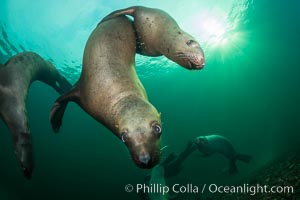
Steller sea lions underwater, Norris Rocks, Hornby Island, British Columbia, Canada.
Species: Steller sea lion, Eumetopias jubatus
Location: Hornby Island, British Columbia, Canada
Image ID: 32662
Species: Steller sea lion, Eumetopias jubatus
Location: Hornby Island, British Columbia, Canada
Image ID: 32662
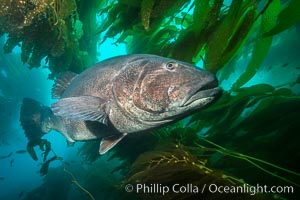
Giant black sea bass, endangered species, reaching up to 8' in length and 500 lbs, amid giant kelp forest.
Species: Giant black sea bass, Stereolepis gigas
Location: Catalina Island, California
Image ID: 33354
Species: Giant black sea bass, Stereolepis gigas
Location: Catalina Island, California
Image ID: 33354
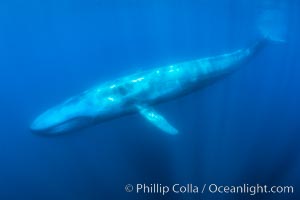
A huge blue whale swims through the open ocean in this underwater photograph. The blue whale is the largest animal ever to live on Earth.
Species: Blue whale, Balaenoptera musculus
Location: San Diego, California
Image ID: 34567
Species: Blue whale, Balaenoptera musculus
Location: San Diego, California
Image ID: 34567
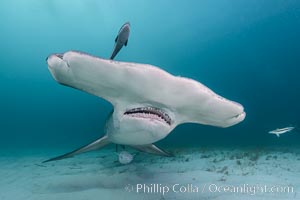
Great hammerhead shark.
Species: Great hammerhead shark, Sphyrna mokarran
Location: Bimini, Bahamas
Image ID: 31968
Species: Great hammerhead shark, Sphyrna mokarran
Location: Bimini, Bahamas
Image ID: 31968
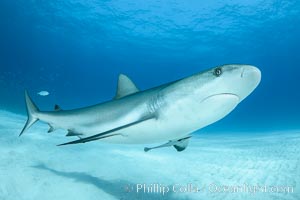
Caribbean reef shark.
Species: Caribbean reef shark, Carcharhinus perezi
Location: Bahamas
Image ID: 31977
Species: Caribbean reef shark, Carcharhinus perezi
Location: Bahamas
Image ID: 31977