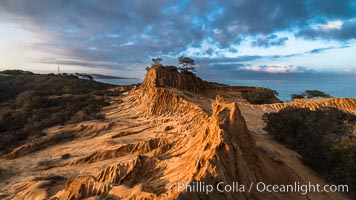
Clearing storm clouds over Broken Hill, overlooking La Jolla and the Pacific Ocean, Torrey Pines State Reserve.
Location: Torrey Pines State Reserve, San Diego, California
Image ID: 29416
Location: Torrey Pines State Reserve, San Diego, California
Image ID: 29416
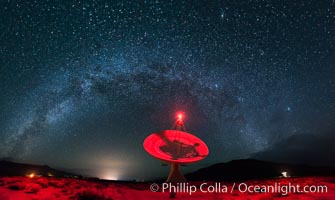
The OVRO 40 meter Telescope, part of the Owens Valley Radio Observatory located near Big Pine, California, USA. The telescope is used to conduct interferometric observations along with the other telescopes in the observatory, as a Very Long Baseline Interferometry (VLBI) station and as a single dish instrument. Its main focus today is on the monitoring of blazars.
Location: Big Pine, California
Image ID: 28796
Panorama dimensions: 7153 x 11978
Location: Big Pine, California
Image ID: 28796
Panorama dimensions: 7153 x 11978

San Diego Bay and Skyline, viewed from Point Loma, Mount San Miguel rising in the distance, panoramic photograph.
Location: San Diego, California
Image ID: 30203
Panorama dimensions: 4665 x 25269
Location: San Diego, California
Image ID: 30203
Panorama dimensions: 4665 x 25269
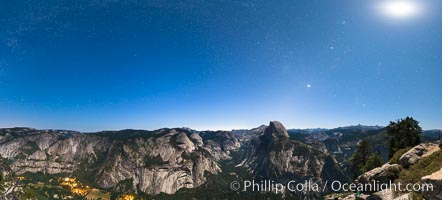
Half Dome and nighttime stars, viewed from Glacier Point.
Location: Glacier Point, Yosemite National Park, California
Image ID: 27951
Panorama dimensions: 4761 x 10519
Location: Glacier Point, Yosemite National Park, California
Image ID: 27951
Panorama dimensions: 4761 x 10519
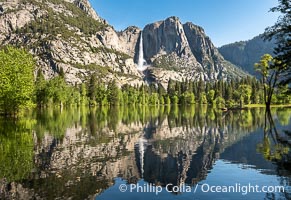
Yosemite Falls reflected in Flooded Sentinel Meadow, when the Merced River floods Yosemite Valley following a winter of historic snowfall in the Sierra Nevada, Yosemite National Park.
Location: Yosemite National Park, California
Image ID: 39378
Location: Yosemite National Park, California
Image ID: 39378
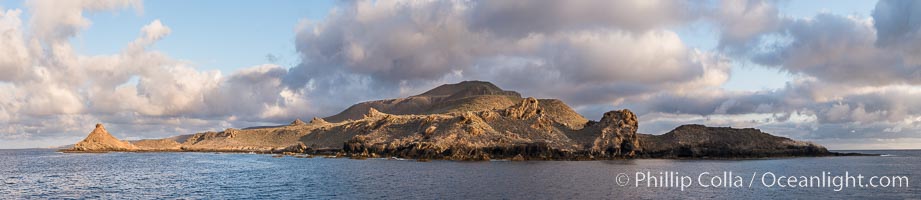
Sunrise at San Clemente Island, south end showing China Hat (Balanced Rock) and Pyramid Head, near Pyramid Cove, storm clouds. Panoramic photo.
Location: San Clemente Island, California
Image ID: 30855
Panorama dimensions: 5232 x 24109
Location: San Clemente Island, California
Image ID: 30855
Panorama dimensions: 5232 x 24109
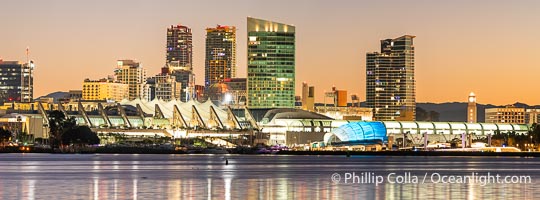
San Diego Convention Center Skyline and Waterfront at Sunrise. San Diego Convention Center, located in the Marina District of downtown San Diego. Built in 1989, the San Diego Convention Center offers 525,700 square feet of exhibit space. It is noted for its distinctive "sails" made of Teflon-coated fiberglass suspended over the central exhibition hall, aptly named Sails Pavilion.
Location: San Diego, California
Image ID: 40046
Panorama dimensions: 5186 x 13999
Location: San Diego, California
Image ID: 40046
Panorama dimensions: 5186 x 13999
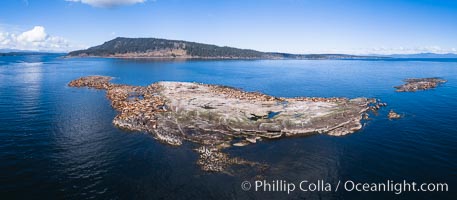
Steller Sea Lions atop Norris Rocks, Hornby Island in the distance, panoramic photo.
Species: Steller sea lion, Eumetopias jubatus
Location: British Columbia, Canada
Image ID: 34467
Panorama dimensions: 3758 x 8590
Species: Steller sea lion, Eumetopias jubatus
Location: British Columbia, Canada
Image ID: 34467
Panorama dimensions: 3758 x 8590
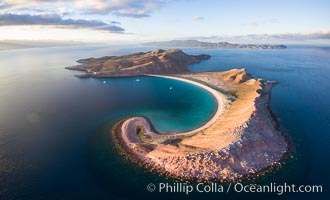
Isla San Francisquito, Aerial Photo, Sea of of Cortez.
Location: Isla San Francisquito, Baja California, Mexico
Image ID: 32441
Location: Isla San Francisquito, Baja California, Mexico
Image ID: 32441

San Diego Bay and Skyline at sunset, viewed from Point Loma, panoramic photograph.
Location: San Diego, California
Image ID: 30214
Panorama dimensions: 4888 x 33004
Location: San Diego, California
Image ID: 30214
Panorama dimensions: 4888 x 33004
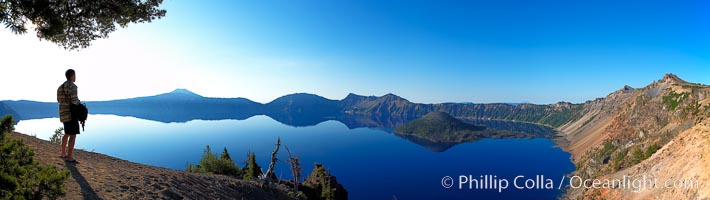
Self portrait at sunrise, panorama of Crater Lake. Crater Lake is the six-mile wide lake inside the collapsed caldera of volcanic Mount Mazama. Crater Lake is the deepest lake in the United States and the seventh-deepest in the world. Its maximum recorded depth is 1996 feet (608m). It lies at an altitude of 6178 feet (1880m).
Location: Crater Lake National Park, Oregon
Image ID: 19130
Panorama dimensions: 2726 x 9677
Location: Crater Lake National Park, Oregon
Image ID: 19130
Panorama dimensions: 2726 x 9677
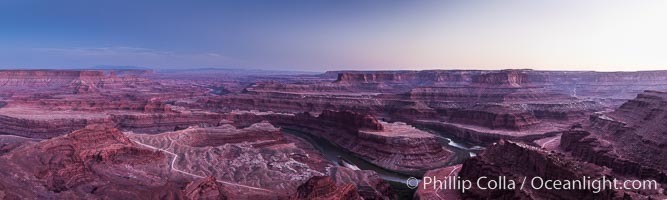
Sunset at Dead Horse Point Overlook, with the Colorado River flowing 2,000 feet below. 300 million years of erosion has carved the expansive canyons, cliffs and walls below and surrounding Deadhorse Point.
Location: Dead Horse Point State Park, Utah
Image ID: 27823
Panorama dimensions: 5303 x 17695
Location: Dead Horse Point State Park, Utah
Image ID: 27823
Panorama dimensions: 5303 x 17695
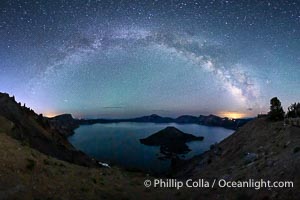
Milky Way and stars over Crater Lake at night. Panorama of Crater Lake and Wizard Island at night, Crater Lake National Park.
Location: Crater Lake National Park, Oregon
Image ID: 28640
Panorama dimensions: 5244 x 9702
Location: Crater Lake National Park, Oregon
Image ID: 28640
Panorama dimensions: 5244 x 9702

Guadalupe Island at sunrise, panorama. Volcanic coastline south of Pilot Rock and Spanish Cove, near El Faro lighthouse.
Location: Guadalupe Island (Isla Guadalupe), Baja California, Mexico
Image ID: 28758
Panorama dimensions: 4224 x 25926
Location: Guadalupe Island (Isla Guadalupe), Baja California, Mexico
Image ID: 28758
Panorama dimensions: 4224 x 25926
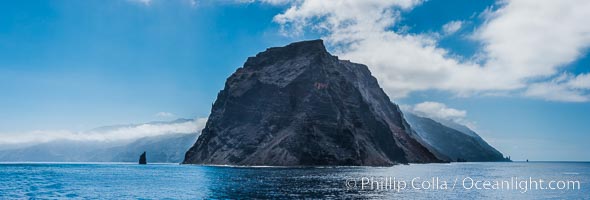
Punta Norte, the northern point of Guadalupe Island, viewed from the north. Punta Desfiladero (Blunt Point) and Roca Elefante are just visible at far right, and Roca Piloto (Pilot Rock) is see to the left of the island against the distant sweep of the cliffs that comprise the northeastern bight of the island, actually the rim of an enormous caldera.
Location: Guadalupe Island (Isla Guadalupe), Baja California, Mexico
Image ID: 28760
Panorama dimensions: 4595 x 13560
Location: Guadalupe Island (Isla Guadalupe), Baja California, Mexico
Image ID: 28760
Panorama dimensions: 4595 x 13560
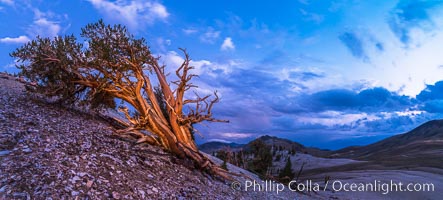
Ancient Bristlecone Pine Tree at sunset, panorama, with storm clouds passing over the White Mountains. The eastern Sierra Nevada is just visible in the distance.
Species: Ancient bristlecone pine, Pinus longaeva
Location: Ancient Bristlecone Pine Forest, White Mountains, Inyo National Forest, California
Image ID: 28781
Panorama dimensions: 4549 x 10085
Species: Ancient bristlecone pine, Pinus longaeva
Location: Ancient Bristlecone Pine Forest, White Mountains, Inyo National Forest, California
Image ID: 28781
Panorama dimensions: 4549 x 10085
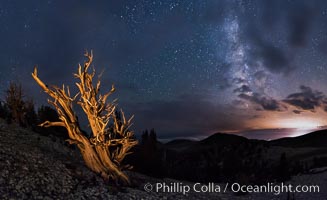
Ancient Bristlecone Pine Tree at night, stars and the Milky Way galaxy visible in the evening sky, near Patriarch Grove.
Species: Ancient bristlecone pine, Pinus longaeva
Location: Ancient Bristlecone Pine Forest, White Mountains, Inyo National Forest, California
Image ID: 28782
Panorama dimensions: 5237 x 8556
Species: Ancient bristlecone pine, Pinus longaeva
Location: Ancient Bristlecone Pine Forest, White Mountains, Inyo National Forest, California
Image ID: 28782
Panorama dimensions: 5237 x 8556
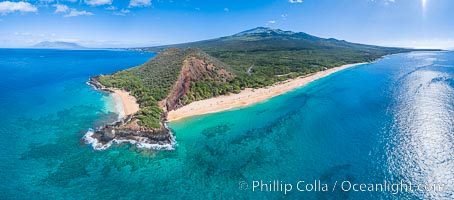
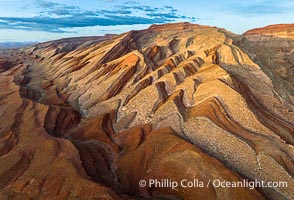
Aerial Photo of Raplee Ridge near Mexican Hat, Utah. Raplee Ridge is a spectacular series of multicolored triangular flatirons near the San Juan River. Often called "the Raplee Anticline" the geologic structure is in fact better described as a monocline, according to the Utah Geological Survey.
Location: Mexican Hat, Utah
Image ID: 39489
Location: Mexican Hat, Utah
Image ID: 39489
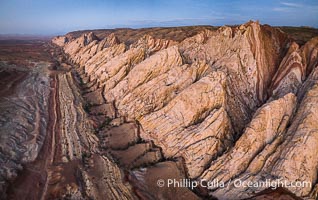
Aerial photo of the San Rafael Reef at dawn. A fold in the Earth's crust leads to this inclined section of the San Rafael Reef, at the eastern edge of the San Rafael Swell. Clearly seen are the characteristic triangular flatiron erosion patterns that typical this formation. The colors seen here arise primarily from Navajo and Wingate sandstone.
Location: Utah
Image ID: 39787
Location: Utah
Image ID: 39787
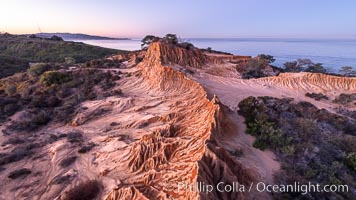
Broken Hill in soft pre-dawn light, overlooking the Pacific Ocean and Torrey Pines State Reserve. La Jolla and Mount Soledad in the distance.
Location: Torrey Pines State Reserve, San Diego, California
Image ID: 36564
Location: Torrey Pines State Reserve, San Diego, California
Image ID: 36564
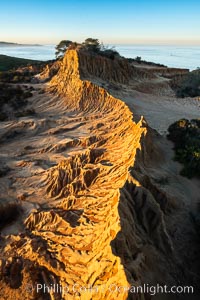
Broken Hill by the first light of dawn, overlooking the Pacific Ocean and Torrey Pines State Reserve.
Location: Torrey Pines State Reserve, San Diego, California
Image ID: 36567
Location: Torrey Pines State Reserve, San Diego, California
Image ID: 36567
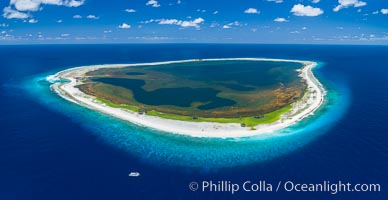
Aerial panorama of Clipperton Island, showing the entire atoll. Clipperton Island, a minor territory of France also known as Ile de la Passion, is a small (2.3 sq mi) but spectacular coral atoll in the eastern Pacific. By permit HC / 1485 / CAB (France).
Location: Clipperton Island, France
Image ID: 32889
Location: Clipperton Island, France
Image ID: 32889
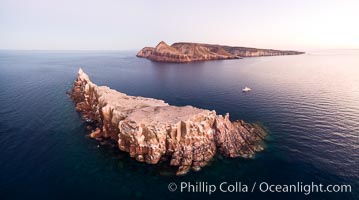
Los Islotes and Isla Partida, the northern part of Archipelago Espiritu Santo, Sea of Cortez, Aerial Photo. Islotes is famous for its friendly colony of California sea lions.
Location: Los Islotes, Baja California, Mexico
Image ID: 32402
Location: Los Islotes, Baja California, Mexico
Image ID: 32402
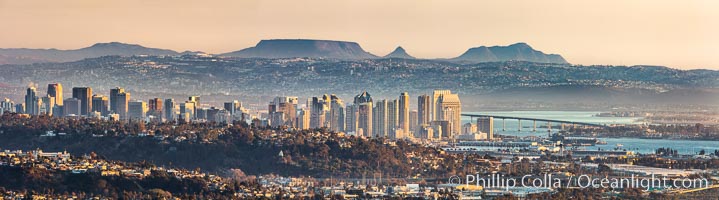
San Diego and Tijuana City Skyline, panoramic photo, viewed from Mount Soledad.
Location: San Diego, California
Image ID: 36657
Panorama dimensions: 5513 x 19828
Location: San Diego, California
Image ID: 36657
Panorama dimensions: 5513 x 19828
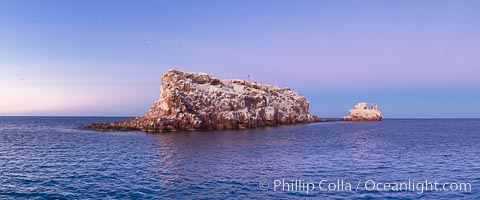
Earth shadow over Los Islotes Island, famous for its friendly colony of California sea lions, Espiritu Santo Biosphere Reserve, Sea of Cortez, Baja California, Mexico.
Location: Sea of Cortez, Baja California, Mexico
Image ID: 27364
Panorama dimensions: 5269 x 12646
Location: Sea of Cortez, Baja California, Mexico
Image ID: 27364
Panorama dimensions: 5269 x 12646
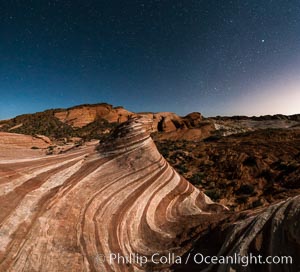
The Fire Wave by Moonlight, stars and the night sky, Valley of Fire State Park.
Location: Valley of Fire State Park, Nevada
Image ID: 28442
Panorama dimensions: 6250 x 6887
Location: Valley of Fire State Park, Nevada
Image ID: 28442
Panorama dimensions: 6250 x 6887
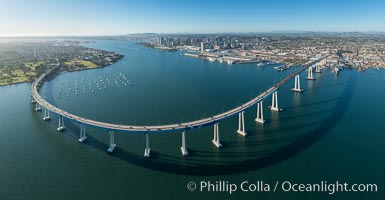
Panoramic Aerial Photo of San Diego Coronado Bay Bridge.
Location: San Diego, California
Image ID: 30789
Panorama dimensions: 7503 x 14441
Location: San Diego, California
Image ID: 30789
Panorama dimensions: 7503 x 14441

Pre-Dawn over the Tree of Eons, Utah. The Tree of Eons is a spectacular geologic sight near the San Rafael Swell. Erosion has cut a "tree" through red, blue, purple and white layers of the Chinle formation. The Tree of Eons is a superb example of dendritic erosion and to really appreciate the complex fractal-like details it must be observed from above. Photographed here in the soft, predawn light, it takes on magenta, red and purple hues just before the sun reaches it. Aerial panoramic photograph.
Location: Utah
Image ID: 38027
Location: Utah
Image ID: 38027
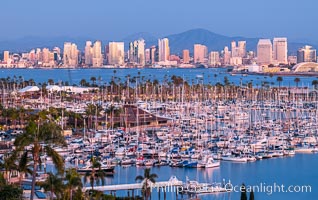
San Diego City Skyline at Sunset, viewed from Point Loma, Shelter Island Yacht Club in the foreground, San Diego Bay, Mount San Miguel (right) and Lyons Peak (left) in distance.
Location: San Diego, California
Image ID: 36748
Location: San Diego, California
Image ID: 36748