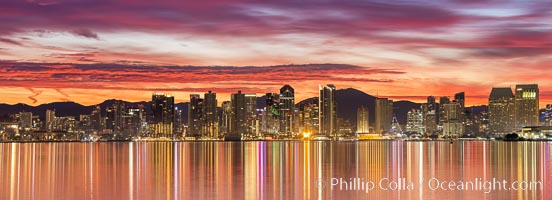
San Diego Bay and Downtown City Skyline at Dawn, spectacular clouds light up over the city. Mount San Miguel in the distance.
Location: San Diego, California
Image ID: 37636
Panorama dimensions: 5305 x 14631
Location: San Diego, California
Image ID: 37636
Panorama dimensions: 5305 x 14631
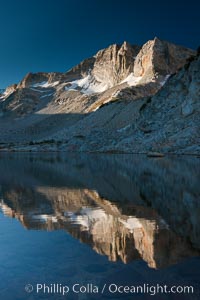
Cathedral Range peaks reflected in the still waters of Townsley Lake at sunrise.
Location: Yosemite National Park, California
Image ID: 25756
Location: Yosemite National Park, California
Image ID: 25756
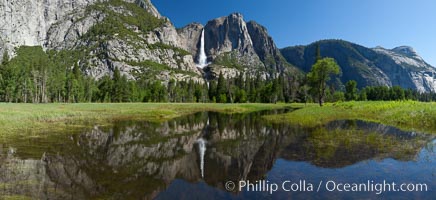
Yosemite Falls reflected in flooded meadow. The Merced River floods its banks in spring, forming beautiful reflections of Yosemite Falls.
Location: Yosemite National Park, California
Image ID: 26887
Panorama dimensions: 5256 x 11469
Location: Yosemite National Park, California
Image ID: 26887
Panorama dimensions: 5256 x 11469
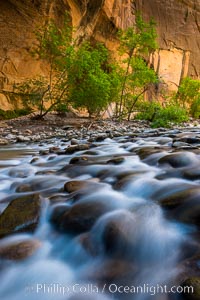
The Virgin River Narrows, where the Virgin River has carved deep, narrow canyons through the Zion National Park sandstone, creating one of the finest hikes in the world.
Location: Virgin River Narrows, Zion National Park, Utah
Image ID: 28575
Location: Virgin River Narrows, Zion National Park, Utah
Image ID: 28575
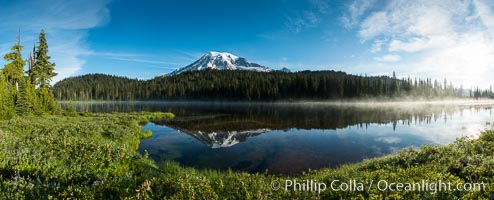
Mount Rainier is reflected in the calm waters of Reflection Lake, early morning.
Location: Reflection Lake, Mount Rainier National Park, Washington
Image ID: 28705
Panorama dimensions: 6921 x 17081
Location: Reflection Lake, Mount Rainier National Park, Washington
Image ID: 28705
Panorama dimensions: 6921 x 17081
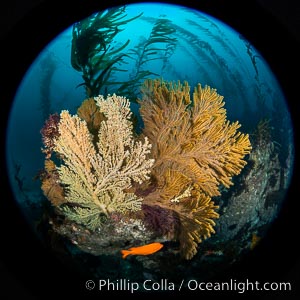
Parasitic zoanthid anemones cover, encrust and overwhelm a golden gorgonian. The gorgonian on the left has been completely parasitized by zoanthid anemones, while the gorgonian to the right remains free of zoanthids (for now). A garibaldi swims below the two sea fans. The golden gorgonian is a filter-feeding temperate colonial species that lives on the rocky bottom at depths between 50 to 200 feet deep. Each individual polyp is a distinct animal, together they secrete calcium that forms the structure of the colony. Gorgonians are oriented at right angles to prevailing water currents to capture plankton drifting by.
Species: California golden gorgonian, Luminescent parazoanthid, Zoanthid anemone, Giant kelp, Muricea californica, Parazoanthus lucificum, Savalia lucifica, Macrocystis pyrifera
Location: San Clemente Island, California
Image ID: 38493
Species: California golden gorgonian, Luminescent parazoanthid, Zoanthid anemone, Giant kelp, Muricea californica, Parazoanthus lucificum, Savalia lucifica, Macrocystis pyrifera
Location: San Clemente Island, California
Image ID: 38493
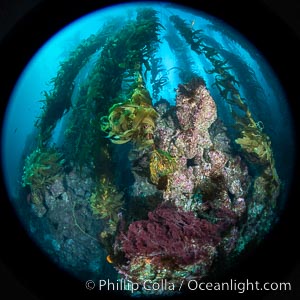
The Kelp Forest and Rocky Reef of San Clemente Island. Giant kelp grows rapidly, up to 2' per day, from the rocky reef on the ocean bottom to which it is anchored, toward the ocean surface where it spreads to form a thick canopy. Myriad species of fishes, mammals and invertebrates form a rich community in the kelp forest. Lush forests of kelp are found throughout California's Southern Channel Islands.
Species: Giant kelp, Macrocystis pyrifera
Location: San Clemente Island, California
Image ID: 38494
Species: Giant kelp, Macrocystis pyrifera
Location: San Clemente Island, California
Image ID: 38494
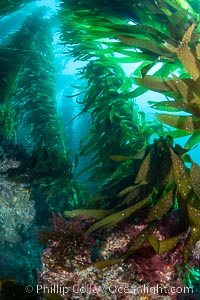
The Kelp Forest and Rocky Reef of San Clemente Island. Giant kelp grows rapidly, up to 2' per day, from the rocky reef on the ocean bottom to which it is anchored, toward the ocean surface where it spreads to form a thick canopy. Myriad species of fishes, mammals and invertebrates form a rich community in the kelp forest. Lush forests of kelp are found throughout California's Southern Channel Islands.
Species: Giant kelp, Macrocystis pyrifera
Location: San Clemente Island, California
Image ID: 38495
Species: Giant kelp, Macrocystis pyrifera
Location: San Clemente Island, California
Image ID: 38495
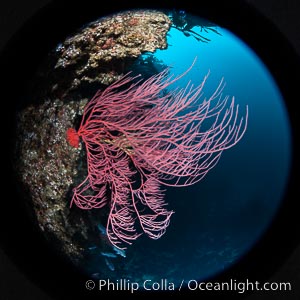
Red gorgonian on rocky reef, below kelp forest, underwater. The red gorgonian is a filter-feeding temperate colonial species that lives on the rocky bottom at depths between 50 to 200 feet deep. Gorgonians are typically oriented at right angles to prevailing water currents to capture plankton drifting by.
Species: Red gorgonian, Leptogorgia chilensis, Lophogorgia chilensis
Location: San Clemente Island, California
Image ID: 38496
Species: Red gorgonian, Leptogorgia chilensis, Lophogorgia chilensis
Location: San Clemente Island, California
Image ID: 38496
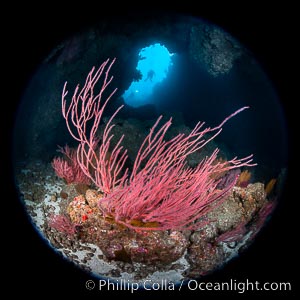
Red Gorgonians form a lush colorful garden below a submarine arch, while two scuba divers pass through the opening to the cavern.
Species: Red gorgonian, Leptogorgia chilensis, Lophogorgia chilensis
Location: San Clemente Island, California
Image ID: 38497
Species: Red gorgonian, Leptogorgia chilensis, Lophogorgia chilensis
Location: San Clemente Island, California
Image ID: 38497
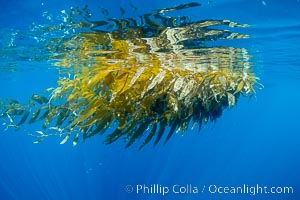
Drift kelp paddy floating on the ocean surface, San Diego.
Species: Giant kelp, Macrocystis pyrifera
Location: San Diego, California
Image ID: 38533
Species: Giant kelp, Macrocystis pyrifera
Location: San Diego, California
Image ID: 38533
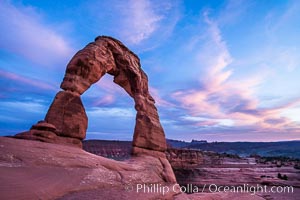
Delicate Arch at Sunset, Arches National Park.
Location: Delicate Arch, Arches National Park, Utah
Image ID: 29283
Location: Delicate Arch, Arches National Park, Utah
Image ID: 29283
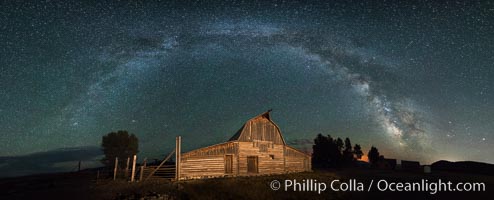
Milky Way over John Moulton Barn, Grand Teton National Park.
Image ID: 32305
Panorama dimensions: 4329 x 10697
Image ID: 32305
Panorama dimensions: 4329 x 10697
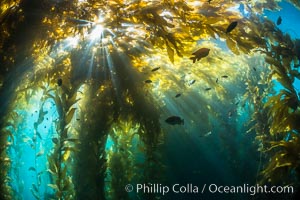
Sunlight streams through giant kelp forest. Giant kelp, the fastest growing plant on Earth, reaches from the rocky reef to the ocean's surface like a submarine forest.
Species: Giant kelp, Macrocystis pyrifera
Location: Catalina Island, California
Image ID: 33433
Species: Giant kelp, Macrocystis pyrifera
Location: Catalina Island, California
Image ID: 33433
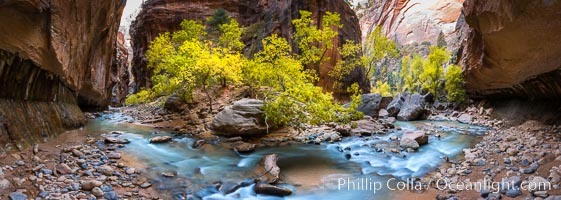
Fall Colors in the Virgin River Narrows, Zion National Park, Utah.
Location: Virgin River Narrows, Zion National Park, Utah
Image ID: 32634
Panorama dimensions: 5145 x 14424
Location: Virgin River Narrows, Zion National Park, Utah
Image ID: 32634
Panorama dimensions: 5145 x 14424
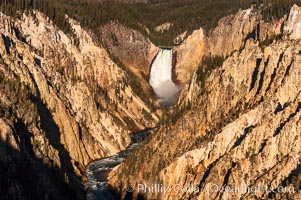
Lower Falls of the Yellowstone River. At 308 feet, the Lower Falls of the Yellowstone River is the tallest fall in the park. This view is from the famous and popular Artist Point on the south side of the Grand Canyon of the Yellowstone.
Location: Grand Canyon of the Yellowstone, Yellowstone National Park, Wyoming
Image ID: 07769
Location: Grand Canyon of the Yellowstone, Yellowstone National Park, Wyoming
Image ID: 07769
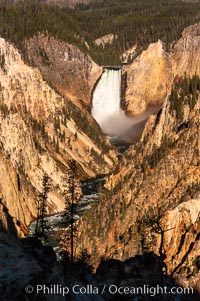
Lower Falls of the Yellowstone River. At 308 feet, the Lower Falls of the Yellowstone River is the tallest fall in the park. This view is from the famous and popular Artist Point on the south side of the Grand Canyon of the Yellowstone.
Location: Grand Canyon of the Yellowstone, Yellowstone National Park, Wyoming
Image ID: 07770
Location: Grand Canyon of the Yellowstone, Yellowstone National Park, Wyoming
Image ID: 07770
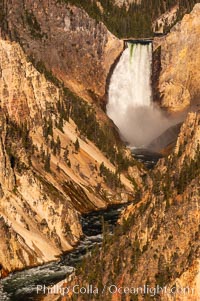
Lower Falls of the Yellowstone River. At 308 feet, the Lower Falls of the Yellowstone River is the tallest fall in the park. This view is from the famous and popular Artist Point on the south side of the Grand Canyon of the Yellowstone.
Location: Grand Canyon of the Yellowstone, Yellowstone National Park, Wyoming
Image ID: 07771
Location: Grand Canyon of the Yellowstone, Yellowstone National Park, Wyoming
Image ID: 07771
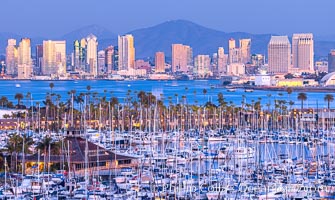
San Diego City Skyline at Sunset, viewed from Point Loma, Shelter Island Yacht Club in the foreground, San Diego Bay, Mount San Miguel (right) and Lyons Peak (left) in distance.
Location: San Diego, California
Image ID: 36749
Location: San Diego, California
Image ID: 36749
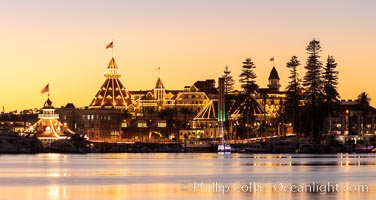
Hotel del Coronado with holiday Christmas night lights, known affectionately as the Hotel Del. It was once the largest hotel in the world, and is one of the few remaining wooden Victorian beach resorts. The Hotel Del is widely considered to be one of Americas most beautiful and classic hotels. Built in 1888, it was designated a National Historic Landmark in 1977.
Image ID: 36617
Panorama dimensions: 5437 x 10212
Image ID: 36617
Panorama dimensions: 5437 x 10212
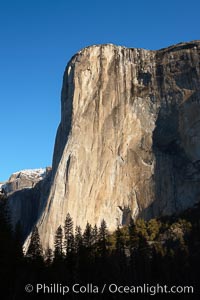
El Capitan eastern face, sunrise.
Location: El Capitan, Yosemite National Park, California
Image ID: 22745
Location: El Capitan, Yosemite National Park, California
Image ID: 22745
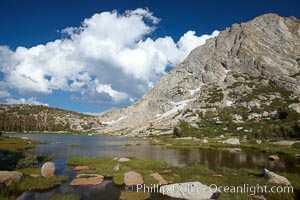
Fletcher Peak (11407') rises above Fletcher Lake (10174'), near Vogelsang High Sierra Camp in Yosemite's high country.
Location: Yosemite National Park, California
Image ID: 23208
Location: Yosemite National Park, California
Image ID: 23208
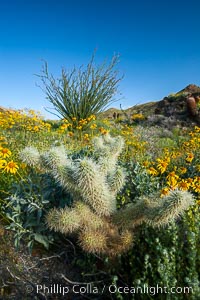
Cholla cactus, brittlebush, ocotillo and various cacti and wildflowers color the sides of Glorietta Canyon. Heavy winter rains led to a historic springtime bloom in 2005, carpeting the entire desert in vegetation and color for months.
Species: Encelia farinosa, Fouquieria splendens, Opuntia
Location: Anza-Borrego Desert State Park, Borrego Springs, California
Image ID: 10975
Species: Encelia farinosa, Fouquieria splendens, Opuntia
Location: Anza-Borrego Desert State Park, Borrego Springs, California
Image ID: 10975
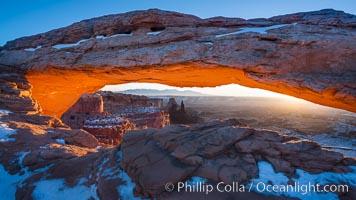
Mesa Arch spans 90 feet and stands at the edge of a mesa precipice thousands of feet above the Colorado River gorge. For a few moments at sunrise the underside of the arch glows dramatically red and orange.
Location: Island in the Sky, Canyonlands National Park, Utah
Image ID: 18040
Location: Island in the Sky, Canyonlands National Park, Utah
Image ID: 18040
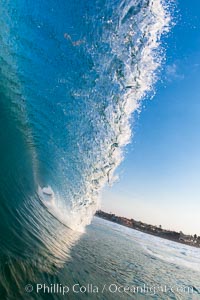
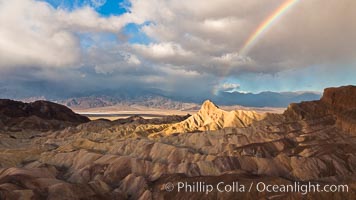
Rainbow and clearing storm clouds, sunrise light on Manly Beacon, Zabriskie Point, Death Valley National Park, California.
Location: Zabriskie Point, Death Valley National Park, California
Image ID: 27660
Location: Zabriskie Point, Death Valley National Park, California
Image ID: 27660
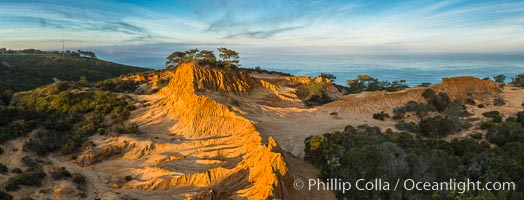
Broken Hill and view to La Jolla, panoramic photograph, from Torrey Pines State Reserve, sunrise.
Location: Torrey Pines State Reserve, San Diego, California
Image ID: 28397
Panorama dimensions: 4332 x 11344
Location: Torrey Pines State Reserve, San Diego, California
Image ID: 28397
Panorama dimensions: 4332 x 11344
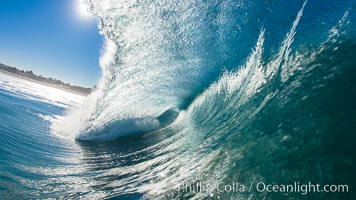
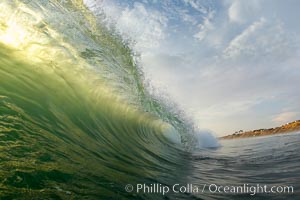
A green wave breaking, with sunset light filtering through.
Location: Ponto, Carlsbad, California
Image ID: 19395
Location: Ponto, Carlsbad, California
Image ID: 19395
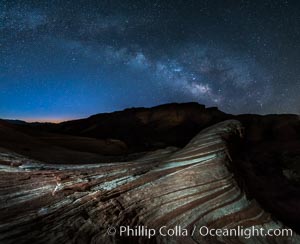
Milky Way galaxy rises above the Fire Wave, Valley of Fire State Park.
Location: Valley of Fire State Park, Nevada
Image ID: 28428
Location: Valley of Fire State Park, Nevada
Image ID: 28428