Lily Photo


-1- 2    Next ›››

Home   >   Natural History Photography Blog   >   Search   >   Lily
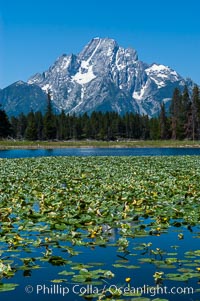
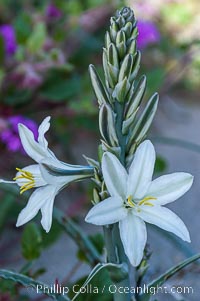
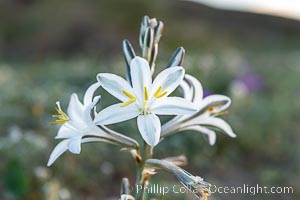
Lilypads cover Heron Pond, Mount Moran in the background, Grand Teton National Park, Wyoming Desert Lily blooms in the sandy soils of the Colorado Desert.  It is fragrant and its flowers are similar to cultivated Easter lilies, Hesperocallis undulata, Anza-Borrego Desert State Park, Anza Borrego, California Corn lily blooms near Vogelsang Lake, in shade at sunrise, Veratrum californicum, Yosemite National Park, California
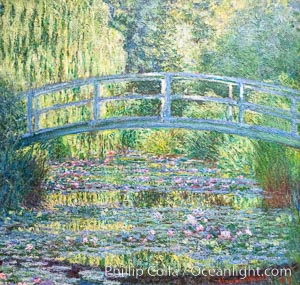
Lilypads cover Heron Pond, Mount Moran in the background. Lily Photo.
Image ID: 07428  
Location: Heron Pond, Grand Teton National Park, Wyoming, USA
 
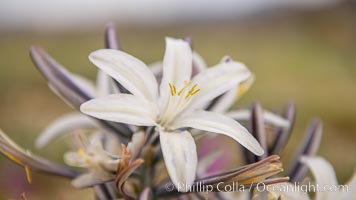
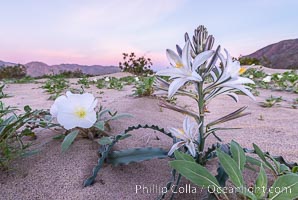
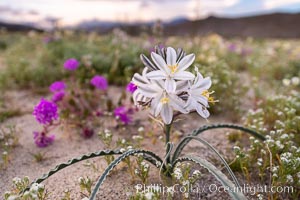
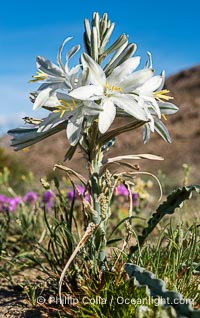
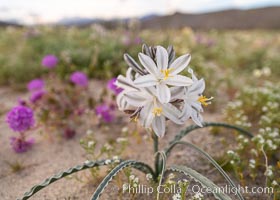
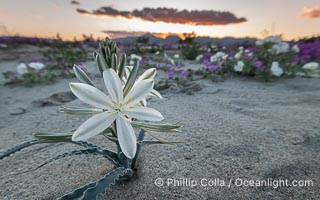
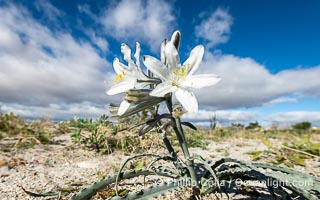
Desert Lily blooms in the sandy soils of the Colorado Desert. It is fragrant and its flowers are similar to cultivated Easter lilies. Lily Picture.
Image ID: 10543  
Species: Desert lily, Hesperocallis undulata
Location: Anza-Borrego Desert State Park, Anza Borrego, California, USA
 
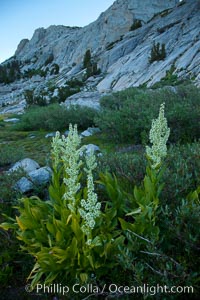
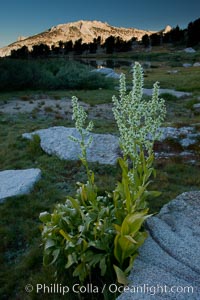
Corn lily blooms near Vogelsang Lake, in shade at sunrise. Stock Photography of Lily.
Image ID: 25762  
Species: Corn lily, California false hellebore, Veratrum californicum
Location: Yosemite National Park, California, USA
 
Lily Pond, Casa de Balboa and House of Hospitality, infrared, Balboa Park, San Diego, California Chocolate lily growing among grasses on oak-covered hillsides.  The chocolate lily is a herbaceous perennial monocot that is increasingly difficult to find in the wild due to habitat loss.  The flower is a striking brown color akin to the color of chocolate, Fritillaria biflora, Santa Rosa Plateau Ecological Reserve, Murrieta, California Corn lily blooms near Vogelsang Lake, in shade at sunrise, Veratrum californicum, Yosemite National Park, California
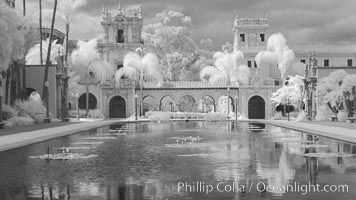
Lily Pond, Casa de Balboa and House of Hospitality, infrared. Photograph of Lily.
Image ID: 23101  
Location: Balboa Park, San Diego, California, USA
 
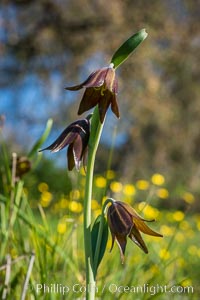
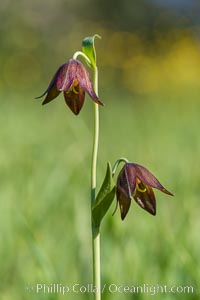
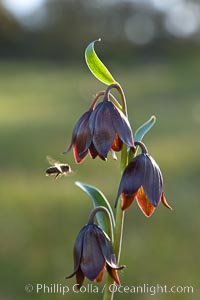
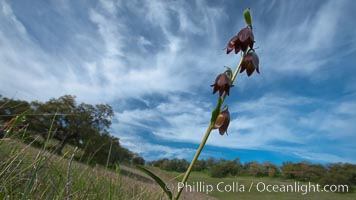
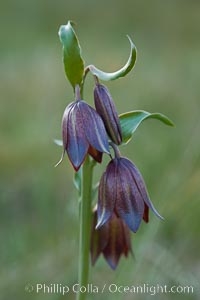
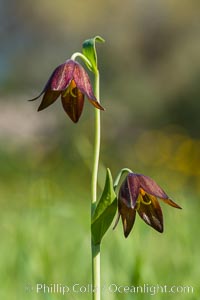
Chocolate lily growing among grasses on oak-covered hillsides. The chocolate lily is a herbaceous perennial monocot that is increasingly difficult to find in the wild due to habitat loss. The flower is a striking brown color akin to the color of chocolate. Lily Photos.
Image ID: 24366  
Species: Chocolate lily, Fritillaria biflora
Location: Santa Rosa Plateau Ecological Reserve, Murrieta, California, USA
 
Corn lily blooms near Vogelsang Lake, in shade at sunrise. Lily Image.
Image ID: 25768  
Species: Corn lily, California false hellebore, Veratrum californicum
Location: Yosemite National Park, California, USA
 
Corn lily blooms near Vogelsang Lake, in shade at sunrise, Veratrum californicum, Yosemite National Park, California Corn lily blooms near Vogelsang Lake, in shade at sunrise, Veratrum californicum, Yosemite National Park, California Chocolate lily growing among grasses on oak-covered hillsides.  The chocolate lily is a herbaceous perennial monocot that is increasingly difficult to find in the wild due to habitat loss.  The flower is a striking brown color akin to the color of chocolate, Fritillaria biflora, Santa Rosa Plateau Ecological Reserve, Murrieta, California
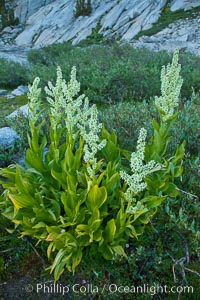
Corn lily blooms near Vogelsang Lake, in shade at sunrise. Professional stock photos of Lily.
Image ID: 25770  
Species: Corn lily, California false hellebore, Veratrum californicum
Location: Yosemite National Park, California, USA
 
Corn lily blooms near Vogelsang Lake, in shade at sunrise. Pictures of Lily.
Image ID: 25775  
Species: Corn lily, California false hellebore, Veratrum californicum
Location: Yosemite National Park, California, USA
 
Chocolate lily growing among grasses on oak-covered hillsides. The chocolate lily is a herbaceous perennial monocot that is increasingly difficult to find in the wild due to habitat loss. The flower is a striking brown color akin to the color of chocolate. Lily Photo.
Image ID: 24369  
Species: Chocolate lily, Fritillaria biflora
Location: Santa Rosa Plateau Ecological Reserve, Murrieta, California, USA
 
Chocolate lily growing among grasses on oak-covered hillsides.  The chocolate lily is a herbaceous perennial monocot that is increasingly difficult to find in the wild due to habitat loss.  The flower is a striking brown color akin to the color of chocolate, Fritillaria biflora, Santa Rosa Plateau Ecological Reserve, Murrieta, California Chocolate lily growing among grasses on oak-covered hillsides.  The chocolate lily is a herbaceous perennial monocot that is increasingly difficult to find in the wild due to habitat loss.  The flower is a striking brown color akin to the color of chocolate, Fritillaria biflora, Santa Rosa Plateau Ecological Reserve, Murrieta, California Chocolate lily growing among grasses on oak-covered hillsides.  The chocolate lily is a herbaceous perennial monocot that is increasingly difficult to find in the wild due to habitat loss.  The flower is a striking brown color akin to the color of chocolate, Fritillaria biflora, Santa Rosa Plateau Ecological Reserve, Murrieta, California
Chocolate lily growing among grasses on oak-covered hillsides. The chocolate lily is a herbaceous perennial monocot that is increasingly difficult to find in the wild due to habitat loss. The flower is a striking brown color akin to the color of chocolate. Lily Picture.
Image ID: 24367  
Species: Chocolate lily, Fritillaria biflora
Location: Santa Rosa Plateau Ecological Reserve, Murrieta, California, USA
 
Chocolate lily growing among grasses on oak-covered hillsides. The chocolate lily is a herbaceous perennial monocot that is increasingly difficult to find in the wild due to habitat loss. The flower is a striking brown color akin to the color of chocolate. Stock Photography of Lily.
Image ID: 24372  
Species: Chocolate lily, Fritillaria biflora
Location: Santa Rosa Plateau Ecological Reserve, Murrieta, California, USA
 
Chocolate lily growing among grasses on oak-covered hillsides. The chocolate lily is a herbaceous perennial monocot that is increasingly difficult to find in the wild due to habitat loss. The flower is a striking brown color akin to the color of chocolate. Photograph of Lily.
Image ID: 24377  
Species: Chocolate lily, Fritillaria biflora
Location: Santa Rosa Plateau Ecological Reserve, Murrieta, California, USA
 
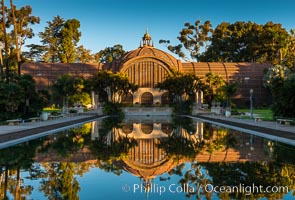
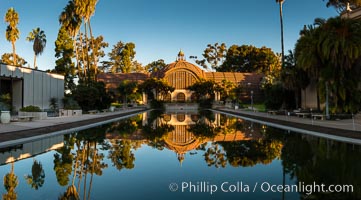
The Botanical Building in Balboa Park, San Diego.  The Botanical Building, at 250 feet long by 75 feet wide and 60 feet tall, was the largest wood lath structure in the world when it was built in 1915 for the Panama-California Exposition. The Botanical Building, located on the Prado, west of the Museum of Art, contains about 2,100 permanent tropical plants along with changing seasonal flowers. The Lily Pond, just south of the Botanical Building, is an eloquent example of the use of reflecting pools to enhance architecture. The 193 by 43 foot pond and smaller companion pool were originally referred to as Las Lagunas de las Flores (The Lakes of the Flowers) and were designed as aquatic gardens. The pools contain exotic water lilies and lotus which bloom spring through fall.  Balboa Park, San Diego The Botanical Building in Balboa Park, San Diego.  The Botanical Building, at 250 feet long by 75 feet wide and 60 feet tall, was the largest wood lath structure in the world when it was built in 1915 for the Panama-California Exposition. The Botanical Building, located on the Prado, west of the Museum of Art, contains about 2,100 permanent tropical plants along with changing seasonal flowers. The Lily Pond, just south of the Botanical Building, is an eloquent example of the use of reflecting pools to enhance architecture. The 193 by 43 foot pond and smaller companion pool were originally referred to as Las Lagunas de las Flores (The Lakes of the Flowers) and were designed as aquatic gardens. The pools contain exotic water lilies and lotus which bloom spring through fall.  Balboa Park, San Diego Corn lily blooms near Vogelsang Lake, in shade at sunrise, Veratrum californicum, Yosemite National Park, California
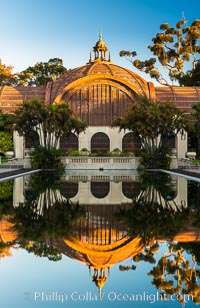
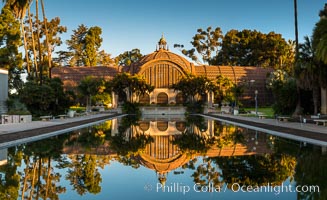
The Botanical Building in Balboa Park, San Diego. The Botanical Building, at 250 feet long by 75 feet wide and 60 feet tall, was the largest wood lath structure in the world when it was built in 1915 for the Panama-California Exposition. The Botanical Building, located on the Prado, west of the Museum of Art, contains about 2,100 permanent tropical plants along with changing seasonal flowers. The Lily Pond, just south of the Botanical Building, is an eloquent example of the use of reflecting pools to enhance architecture. The 193 by 43 foot pond and smaller companion pool were originally referred to as Las Lagunas de las Flores (The Lakes of the Flowers) and were designed as aquatic gardens. The pools contain exotic water lilies and lotus which bloom spring through fall. Balboa Park, San Diego. Lily Photos.
Image ID: 14578  
Location: Balboa Park, San Diego, California, USA
 
The Botanical Building in Balboa Park, San Diego. The Botanical Building, at 250 feet long by 75 feet wide and 60 feet tall, was the largest wood lath structure in the world when it was built in 1915 for the Panama-California Exposition. The Botanical Building, located on the Prado, west of the Museum of Art, contains about 2,100 permanent tropical plants along with changing seasonal flowers. The Lily Pond, just south of the Botanical Building, is an eloquent example of the use of reflecting pools to enhance architecture. The 193 by 43 foot pond and smaller companion pool were originally referred to as Las Lagunas de las Flores (The Lakes of the Flowers) and were designed as aquatic gardens. The pools contain exotic water lilies and lotus which bloom spring through fall. Balboa Park, San Diego. Lily Image.
Image ID: 14582  
Location: Balboa Park, San Diego, California, USA
 
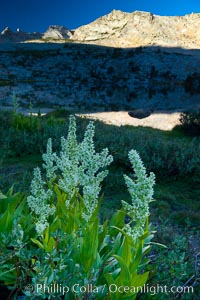
Corn lily blooms near Vogelsang Lake, in shade at sunrise. Professional stock photos of Lily.
Image ID: 25776  
Species: Corn lily, California false hellebore, Veratrum californicum
Location: Yosemite National Park, California, USA
 
The Botanical Building in Balboa Park, San Diego. The Botanical Building, at 250 feet long by 75 feet wide and 60 feet tall, was the largest wood lath structure in the world when it was built in 1915 for the Panama-California Exposition. The Botanical Building, located on the Prado, west of the Museum of Art, contains about 2,100 permanent tropical plants along with changing seasonal flowers. The Lily Pond, just south of the Botanical Building, is an eloquent example of the use of reflecting pools to enhance architecture. The 193 by 43 foot pond and smaller companion pool were originally referred to as Las Lagunas de las Flores (The Lakes of the Flowers) and were designed as aquatic gardens. The pools contain exotic water lilies and lotus which bloom spring through fall Chocolate lily growing among grasses on oak-covered hillsides.  The chocolate lily is a herbaceous perennial monocot that is increasingly difficult to find in the wild due to habitat loss.  The flower is a striking brown color akin to the color of chocolate, Fritillaria biflora, Santa Rosa Plateau Ecological Reserve, Murrieta, California Desert Lily blooms in the sandy soils of the Colorado Desert.  It is fragrant and its flowers are similar to cultivated Easter lilies, Hesperocallis undulata, Anza-Borrego Desert State Park, Anza Borrego, California
The Botanical Building in Balboa Park, San Diego. The Botanical Building, at 250 feet long by 75 feet wide and 60 feet tall, was the largest wood lath structure in the world when it was built in 1915 for the Panama-California Exposition. The Botanical Building, located on the Prado, west of the Museum of Art, contains about 2,100 permanent tropical plants along with changing seasonal flowers. The Lily Pond, just south of the Botanical Building, is an eloquent example of the use of reflecting pools to enhance architecture. The 193 by 43 foot pond and smaller companion pool were originally referred to as Las Lagunas de las Flores (The Lakes of the Flowers) and were designed as aquatic gardens. The pools contain exotic water lilies and lotus which bloom spring through fall. Pictures of Lily.
Image ID: 23096  
Location: Balboa Park, San Diego, California, USA
 
Chocolate lily growing among grasses on oak-covered hillsides. The chocolate lily is a herbaceous perennial monocot that is increasingly difficult to find in the wild due to habitat loss. The flower is a striking brown color akin to the color of chocolate. Lily Photo.
Image ID: 24378  
Species: Chocolate lily, Fritillaria biflora
Location: Santa Rosa Plateau Ecological Reserve, Murrieta, California, USA
 
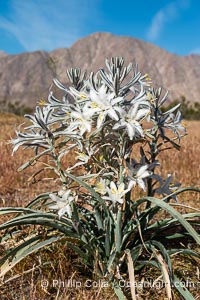
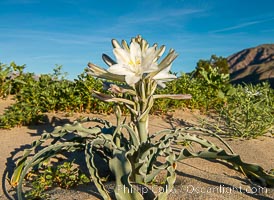
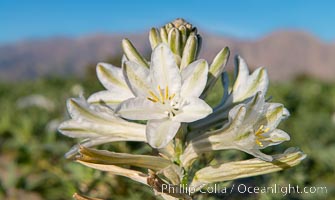
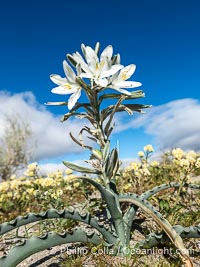
Desert Lily blooms in the sandy soils of the Colorado Desert. It is fragrant and its flowers are similar to cultivated Easter lilies. Lily Picture.
Image ID: 10542  
Species: Desert lily, Hesperocallis undulata
Location: Anza-Borrego Desert State Park, Anza Borrego, California, USA
 
The Botanical Building in Balboa Park, San Diego.  The Botanical Building, at 250 feet long by 75 feet wide and 60 feet tall, was the largest wood lath structure in the world when it was built in 1915 for the Panama-California Exposition. The Botanical Building, located on the Prado, west of the Museum of Art, contains about 2,100 permanent tropical plants along with changing seasonal flowers. The Lily Pond, just south of the Botanical Building, is an eloquent example of the use of reflecting pools to enhance architecture. The 193 by 43 foot pond and smaller companion pool were originally referred to as Las Lagunas de las Flores (The Lakes of the Flowers) and were designed as aquatic gardens. The pools contain exotic water lilies and lotus which bloom spring through fall.  Balboa Park, San Diego The Botanical Building in Balboa Park, San Diego.  The Botanical Building, at 250 feet long by 75 feet wide and 60 feet tall, was the largest wood lath structure in the world when it was built in 1915 for the Panama-California Exposition. The Botanical Building, located on the Prado, west of the Museum of Art, contains about 2,100 permanent tropical plants along with changing seasonal flowers. The Lily Pond, just south of the Botanical Building, is an eloquent example of the use of reflecting pools to enhance architecture. The 193 by 43 foot pond and smaller companion pool were originally referred to as Las Lagunas de las Flores (The Lakes of the Flowers) and were designed as aquatic gardens. The pools contain exotic water lilies and lotus which bloom spring through fall.  Balboa Park, San Diego The Botanical Building in Balboa Park, San Diego.  The Botanical Building, at 250 feet long by 75 feet wide and 60 feet tall, was the largest wood lath structure in the world when it was built in 1915 for the Panama-California Exposition. The Botanical Building, located on the Prado, west of the Museum of Art, contains about 2,100 permanent tropical plants along with changing seasonal flowers. The Lily Pond, just south of the Botanical Building, is an eloquent example of the use of reflecting pools to enhance architecture. The 193 by 43 foot pond and smaller companion pool were originally referred to as Las Lagunas de las Flores (The Lakes of the Flowers) and were designed as aquatic gardens. The pools contain exotic water lilies and lotus which bloom spring through fall.  Balboa Park, San Diego
The Botanical Building in Balboa Park, San Diego. The Botanical Building, at 250 feet long by 75 feet wide and 60 feet tall, was the largest wood lath structure in the world when it was built in 1915 for the Panama-California Exposition. The Botanical Building, located on the Prado, west of the Museum of Art, contains about 2,100 permanent tropical plants along with changing seasonal flowers. The Lily Pond, just south of the Botanical Building, is an eloquent example of the use of reflecting pools to enhance architecture. The 193 by 43 foot pond and smaller companion pool were originally referred to as Las Lagunas de las Flores (The Lakes of the Flowers) and were designed as aquatic gardens. The pools contain exotic water lilies and lotus which bloom spring through fall. Balboa Park, San Diego. Stock Photography of Lily.
Image ID: 11273  
Location: Balboa Park, San Diego, California, USA
 
The Botanical Building in Balboa Park, San Diego. The Botanical Building, at 250 feet long by 75 feet wide and 60 feet tall, was the largest wood lath structure in the world when it was built in 1915 for the Panama-California Exposition. The Botanical Building, located on the Prado, west of the Museum of Art, contains about 2,100 permanent tropical plants along with changing seasonal flowers. The Lily Pond, just south of the Botanical Building, is an eloquent example of the use of reflecting pools to enhance architecture. The 193 by 43 foot pond and smaller companion pool were originally referred to as Las Lagunas de las Flores (The Lakes of the Flowers) and were designed as aquatic gardens. The pools contain exotic water lilies and lotus which bloom spring through fall. Balboa Park, San Diego. Photograph of Lily.
Image ID: 14575  
Location: Balboa Park, San Diego, California, USA
 
The Botanical Building in Balboa Park, San Diego. The Botanical Building, at 250 feet long by 75 feet wide and 60 feet tall, was the largest wood lath structure in the world when it was built in 1915 for the Panama-California Exposition. The Botanical Building, located on the Prado, west of the Museum of Art, contains about 2,100 permanent tropical plants along with changing seasonal flowers. The Lily Pond, just south of the Botanical Building, is an eloquent example of the use of reflecting pools to enhance architecture. The 193 by 43 foot pond and smaller companion pool were originally referred to as Las Lagunas de las Flores (The Lakes of the Flowers) and were designed as aquatic gardens. The pools contain exotic water lilies and lotus which bloom spring through fall. Balboa Park, San Diego. Lily Photos.
Image ID: 14576  
Location: Balboa Park, San Diego, California, USA
 
The Botanical Building in Balboa Park, San Diego.  The Botanical Building, at 250 feet long by 75 feet wide and 60 feet tall, was the largest wood lath structure in the world when it was built in 1915 for the Panama-California Exposition. The Botanical Building, located on the Prado, west of the Museum of Art, contains about 2,100 permanent tropical plants along with changing seasonal flowers. The Lily Pond, just south of the Botanical Building, is an eloquent example of the use of reflecting pools to enhance architecture. The 193 by 43 foot pond and smaller companion pool were originally referred to as Las Lagunas de las Flores (The Lakes of the Flowers) and were designed as aquatic gardens. The pools contain exotic water lilies and lotus which bloom spring through fall.  Balboa Park, San Diego The Botanical Building in Balboa Park, San Diego.  The Botanical Building, at 250 feet long by 75 feet wide and 60 feet tall, was the largest wood lath structure in the world when it was built in 1915 for the Panama-California Exposition. The Botanical Building, located on the Prado, west of the Museum of Art, contains about 2,100 permanent tropical plants along with changing seasonal flowers. The Lily Pond, just south of the Botanical Building, is an eloquent example of the use of reflecting pools to enhance architecture. The 193 by 43 foot pond and smaller companion pool were originally referred to as Las Lagunas de las Flores (The Lakes of the Flowers) and were designed as aquatic gardens. The pools contain exotic water lilies and lotus which bloom spring through fall.  Balboa Park, San Diego The Botanical Building in Balboa Park, San Diego.  The Botanical Building, at 250 feet long by 75 feet wide and 60 feet tall, was the largest wood lath structure in the world when it was built in 1915 for the Panama-California Exposition. The Botanical Building, located on the Prado, west of the Museum of Art, contains about 2,100 permanent tropical plants along with changing seasonal flowers. The Lily Pond, just south of the Botanical Building, is an eloquent example of the use of reflecting pools to enhance architecture. The 193 by 43 foot pond and smaller companion pool were originally referred to as Las Lagunas de las Flores (The Lakes of the Flowers) and were designed as aquatic gardens. The pools contain exotic water lilies and lotus which bloom spring through fall.  Balboa Park, San Diego
The Botanical Building in Balboa Park, San Diego. The Botanical Building, at 250 feet long by 75 feet wide and 60 feet tall, was the largest wood lath structure in the world when it was built in 1915 for the Panama-California Exposition. The Botanical Building, located on the Prado, west of the Museum of Art, contains about 2,100 permanent tropical plants along with changing seasonal flowers. The Lily Pond, just south of the Botanical Building, is an eloquent example of the use of reflecting pools to enhance architecture. The 193 by 43 foot pond and smaller companion pool were originally referred to as Las Lagunas de las Flores (The Lakes of the Flowers) and were designed as aquatic gardens. The pools contain exotic water lilies and lotus which bloom spring through fall. Balboa Park, San Diego. Lily Image.
Image ID: 14577  
Location: Balboa Park, San Diego, California, USA
 
The Botanical Building in Balboa Park, San Diego. The Botanical Building, at 250 feet long by 75 feet wide and 60 feet tall, was the largest wood lath structure in the world when it was built in 1915 for the Panama-California Exposition. The Botanical Building, located on the Prado, west of the Museum of Art, contains about 2,100 permanent tropical plants along with changing seasonal flowers. The Lily Pond, just south of the Botanical Building, is an eloquent example of the use of reflecting pools to enhance architecture. The 193 by 43 foot pond and smaller companion pool were originally referred to as Las Lagunas de las Flores (The Lakes of the Flowers) and were designed as aquatic gardens. The pools contain exotic water lilies and lotus which bloom spring through fall. Balboa Park, San Diego. Professional stock photos of Lily.
Image ID: 14579  
Location: Balboa Park, San Diego, California, USA
 
The Botanical Building in Balboa Park, San Diego. The Botanical Building, at 250 feet long by 75 feet wide and 60 feet tall, was the largest wood lath structure in the world when it was built in 1915 for the Panama-California Exposition. The Botanical Building, located on the Prado, west of the Museum of Art, contains about 2,100 permanent tropical plants along with changing seasonal flowers. The Lily Pond, just south of the Botanical Building, is an eloquent example of the use of reflecting pools to enhance architecture. The 193 by 43 foot pond and smaller companion pool were originally referred to as Las Lagunas de las Flores (The Lakes of the Flowers) and were designed as aquatic gardens. The pools contain exotic water lilies and lotus which bloom spring through fall. Balboa Park, San Diego. Pictures of Lily.
Image ID: 14580  
Location: Balboa Park, San Diego, California, USA
 
The Botanical Building in Balboa Park, San Diego.  The Botanical Building, at 250 feet long by 75 feet wide and 60 feet tall, was the largest wood lath structure in the world when it was built in 1915 for the Panama-California Exposition. The Botanical Building, located on the Prado, west of the Museum of Art, contains about 2,100 permanent tropical plants along with changing seasonal flowers. The Lily Pond, just south of the Botanical Building, is an eloquent example of the use of reflecting pools to enhance architecture. The 193 by 43 foot pond and smaller companion pool were originally referred to as Las Lagunas de las Flores (The Lakes of the Flowers) and were designed as aquatic gardens. The pools contain exotic water lilies and lotus which bloom spring through fall.  Balboa Park, San Diego The Botanical Building in Balboa Park, San Diego.  The Botanical Building, at 250 feet long by 75 feet wide and 60 feet tall, was the largest wood lath structure in the world when it was built in 1915 for the Panama-California Exposition. The Botanical Building, located on the Prado, west of the Museum of Art, contains about 2,100 permanent tropical plants along with changing seasonal flowers. The Lily Pond, just south of the Botanical Building, is an eloquent example of the use of reflecting pools to enhance architecture. The 193 by 43 foot pond and smaller companion pool were originally referred to as Las Lagunas de las Flores (The Lakes of the Flowers) and were designed as aquatic gardens. The pools contain exotic water lilies and lotus which bloom spring through fall.  Balboa Park, San Diego The Botanical Building in Balboa Park, San Diego.  The Botanical Building, at 250 feet long by 75 feet wide and 60 feet tall, was the largest wood lath structure in the world when it was built in 1915 for the Panama-California Exposition. The Botanical Building, located on the Prado, west of the Museum of Art, contains about 2,100 permanent tropical plants along with changing seasonal flowers. The Lily Pond, just south of the Botanical Building, is an eloquent example of the use of reflecting pools to enhance architecture. The 193 by 43 foot pond and smaller companion pool were originally referred to as Las Lagunas de las Flores (The Lakes of the Flowers) and were designed as aquatic gardens. The pools contain exotic water lilies and lotus which bloom spring through fall.  Balboa Park, San Diego
The Botanical Building in Balboa Park, San Diego. The Botanical Building, at 250 feet long by 75 feet wide and 60 feet tall, was the largest wood lath structure in the world when it was built in 1915 for the Panama-California Exposition. The Botanical Building, located on the Prado, west of the Museum of Art, contains about 2,100 permanent tropical plants along with changing seasonal flowers. The Lily Pond, just south of the Botanical Building, is an eloquent example of the use of reflecting pools to enhance architecture. The 193 by 43 foot pond and smaller companion pool were originally referred to as Las Lagunas de las Flores (The Lakes of the Flowers) and were designed as aquatic gardens. The pools contain exotic water lilies and lotus which bloom spring through fall. Balboa Park, San Diego. Lily Photo.
Image ID: 14581  
Location: Balboa Park, San Diego, California, USA
 
The Botanical Building in Balboa Park, San Diego. The Botanical Building, at 250 feet long by 75 feet wide and 60 feet tall, was the largest wood lath structure in the world when it was built in 1915 for the Panama-California Exposition. The Botanical Building, located on the Prado, west of the Museum of Art, contains about 2,100 permanent tropical plants along with changing seasonal flowers. The Lily Pond, just south of the Botanical Building, is an eloquent example of the use of reflecting pools to enhance architecture. The 193 by 43 foot pond and smaller companion pool were originally referred to as Las Lagunas de las Flores (The Lakes of the Flowers) and were designed as aquatic gardens. The pools contain exotic water lilies and lotus which bloom spring through fall. Balboa Park, San Diego. Lily Picture.
Image ID: 14583  
Location: Balboa Park, San Diego, California, USA
 
The Botanical Building in Balboa Park, San Diego. The Botanical Building, at 250 feet long by 75 feet wide and 60 feet tall, was the largest wood lath structure in the world when it was built in 1915 for the Panama-California Exposition. The Botanical Building, located on the Prado, west of the Museum of Art, contains about 2,100 permanent tropical plants along with changing seasonal flowers. The Lily Pond, just south of the Botanical Building, is an eloquent example of the use of reflecting pools to enhance architecture. The 193 by 43 foot pond and smaller companion pool were originally referred to as Las Lagunas de las Flores (The Lakes of the Flowers) and were designed as aquatic gardens. The pools contain exotic water lilies and lotus which bloom spring through fall. Balboa Park, San Diego. Stock Photography of Lily.
Image ID: 14584  
Location: Balboa Park, San Diego, California, USA
 
Pond covered with water lilys, near Silver Salmon Creek, Lake Clark National Park, Alaska Pond covered with water lilys, near Silver Salmon Creek, Lake Clark National Park, Alaska Pond covered with water lilys, near Silver Salmon Creek, Lake Clark National Park, Alaska
Pond covered with water lilys, near Silver Salmon Creek. Photograph of Lily.
Image ID: 19086  
Location: Lake Clark National Park, Alaska, USA
 
Pond covered with water lilys, near Silver Salmon Creek. Lily Photos.
Image ID: 19087  
Location: Lake Clark National Park, Alaska, USA
 
Pond covered with water lilys, near Silver Salmon Creek. Lily Image.
Image ID: 19088  
Location: Lake Clark National Park, Alaska, USA


Natural History Photography Blog posts (5) related to Lily


Related Topics:


Keywords:

Page:   -1- 2   Next ›››   New Search
Categories Appearing Among These Images:
Gallery  >  Grand Teton National Park
Gallery  >  Lake Clark National Park
Gallery  >  San Diego
Location  >  Protected Threatened and Significant Places  >  Ecological Reserves  >  Santa Rosa Plateau Ecological Reserve
Location  >  Protected Threatened and Significant Places  >  National Parks  >  Grand Teton National Park (Wyoming)
Location  >  Protected Threatened and Significant Places  >  National Parks  >  Lake Clark National Park (Alaska)
Location  >  Protected Threatened and Significant Places  >  National Parks  >  Yosemite National Park (California)
Location  >  Protected Threatened and Significant Places  >  State Parks  >  Anza Borrego Desert State Park
Location  >  Protected Threatened and Significant Places  >  World Heritage Sites  >  Yosemite National Park (USA)
Location  >  USA  >  Alaska  >  Lake Clark National Park  >  Silver Salmon Creek Lodge
Location  >  USA  >  California
Location  >  USA  >  California  >  Desert  >  Anza Borrego
Location  >  USA  >  California  >  San Diego  >  Balboa Park
Location  >  USA  >  California  >  San Diego  >  Balboa Park  >  Botanical Building
Location  >  USA  >  Wyoming  >  Grand Teton National Park
Plant  >  Wildflower  >  Desert Wildflower
Subject  >  Technique  >  Infrared Photography

Species Appearing Among These Images:
Fritillaria biflora
Hesperocallis undulata
Veratrum californicum

Natural History Photography Blog posts (5) related to Lily
In Search of Chocolate Lilies
Salvation Mountain
Photos of the Santa Rosa Plateau Ecological Reserve
Silver Salmon Creek Lodge, Lake Clark National Park, Alaska
Photo of the Botanical Building, Balboa Park, San Diego

Search for:     

Updated: May 23, 2012