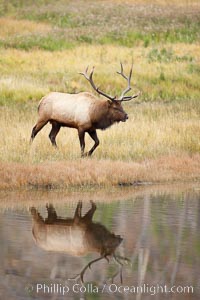
Male elk bugling during the fall rut. Large male elk are known as bulls. Male elk have large antlers which are shed each year. Male elk engage in competitive mating behaviors during the rut, including posturing, antler wrestling and bugling, a loud series of screams which is intended to establish dominance over other males and attract females.
Species: Elk, Cervus canadensis
Location: Madison River, Yellowstone National Park, Wyoming
Image ID: 19697
Species: Elk, Cervus canadensis
Location: Madison River, Yellowstone National Park, Wyoming
Image ID: 19697
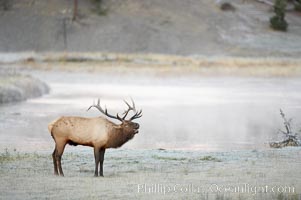
Male elk bugling during the fall rut. Large male elk are known as bulls. Male elk have large antlers which are shed each year. Male elk engage in competitive mating behaviors during the rut, including posturing, antler wrestling and bugling, a loud series of screams which is intended to establish dominance over other males and attract females.
Species: Elk, Cervus canadensis
Location: Madison River, Yellowstone National Park, Wyoming
Image ID: 19700
Species: Elk, Cervus canadensis
Location: Madison River, Yellowstone National Park, Wyoming
Image ID: 19700
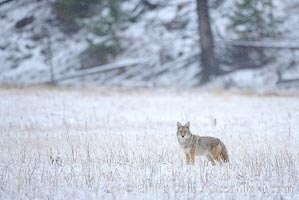
Coyote in snow covered field along the Madison River.
Species: Coyote, Canis latrans
Location: Yellowstone National Park, Wyoming
Image ID: 19635
Species: Coyote, Canis latrans
Location: Yellowstone National Park, Wyoming
Image ID: 19635
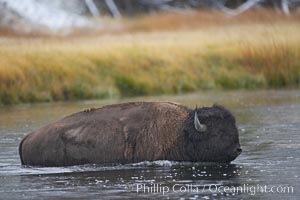
Bison wades across the Madison River, autumn.
Species: American bison, Bison bison
Location: Madison River, Yellowstone National Park, Wyoming
Image ID: 19601
Species: American bison, Bison bison
Location: Madison River, Yellowstone National Park, Wyoming
Image ID: 19601
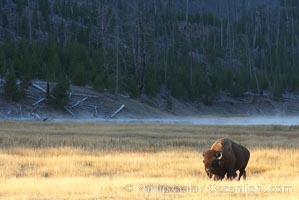
Bison grazes amid grass fields along the Madison River.
Species: American bison, Bison bison
Location: Madison River, Yellowstone National Park, Wyoming
Image ID: 19602
Species: American bison, Bison bison
Location: Madison River, Yellowstone National Park, Wyoming
Image ID: 19602
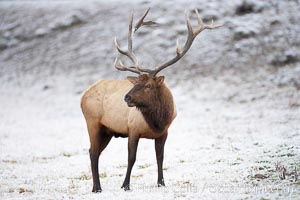
Large male elk (bull) in snow covered meadow near Madison River. Only male elk have antlers, which start growing in the spring and are shed each winter. The largest antlers may be 4 feet long and weigh up to 40 pounds. Antlers are made of bone which can grow up to one inch per day. While growing, the antlers are covered with and protected by a soft layer of highly vascularised skin known as velvet. The velvet is shed in the summer when the antlers have fully developed. Bull elk may have six or more tines on each antler, however the number of tines has little to do with the age or maturity of a particular animal.
Species: Elk, Cervus canadensis
Location: Yellowstone National Park, Wyoming
Image ID: 19692
Species: Elk, Cervus canadensis
Location: Yellowstone National Park, Wyoming
Image ID: 19692
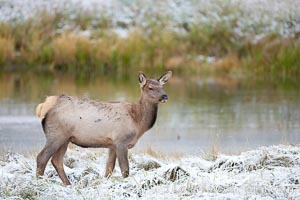
Female elk along the Madison River during an early fall snow.
Species: Elk, Cervus canadensis
Location: Madison River, Yellowstone National Park, Wyoming
Image ID: 19701
Species: Elk, Cervus canadensis
Location: Madison River, Yellowstone National Park, Wyoming
Image ID: 19701
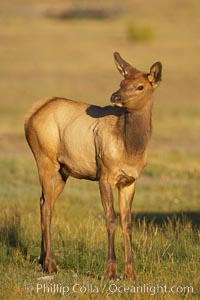
Juvenile elk in golden, late afternoon light, in meadow along Madison River, autumn.
Species: Elk, Cervus canadensis
Location: Yellowstone National Park, Wyoming
Image ID: 19704
Species: Elk, Cervus canadensis
Location: Yellowstone National Park, Wyoming
Image ID: 19704
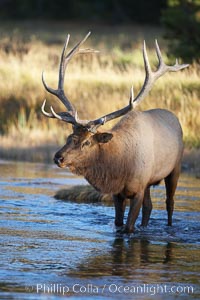
Male elk bugling during the fall rut. Large male elk are known as bulls. Male elk have large antlers which are shed each year. Male elk engage in competitive mating behaviors during the rut, including posturing, antler wrestling and bugling, a loud series of screams which is intended to establish dominance over other males and attract females.
Species: Elk, Cervus canadensis
Location: Madison River, Yellowstone National Park, Wyoming
Image ID: 19716
Species: Elk, Cervus canadensis
Location: Madison River, Yellowstone National Park, Wyoming
Image ID: 19716
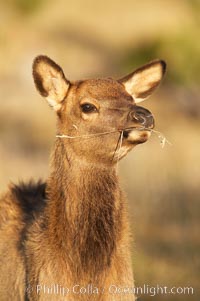
Juvenile elk in golden, late afternoon light, in meadow along Madison River, autumn.
Species: Elk, Cervus canadensis
Location: Yellowstone National Park, Wyoming
Image ID: 19709
Species: Elk, Cervus canadensis
Location: Yellowstone National Park, Wyoming
Image ID: 19709
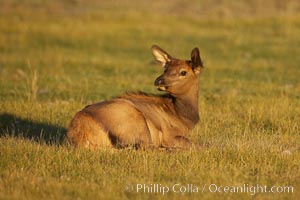
Juvenile elk in golden, late afternoon light, in meadow along Madison River, autumn.
Species: Elk, Cervus canadensis
Location: Yellowstone National Park, Wyoming
Image ID: 19717
Species: Elk, Cervus canadensis
Location: Yellowstone National Park, Wyoming
Image ID: 19717
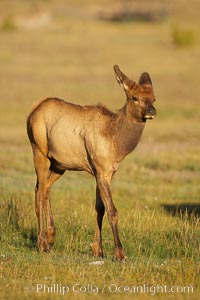
Juvenile elk in golden, late afternoon light, in meadow along Madison River, autumn.
Species: Elk, Cervus canadensis
Location: Yellowstone National Park, Wyoming
Image ID: 19720
Species: Elk, Cervus canadensis
Location: Yellowstone National Park, Wyoming
Image ID: 19720
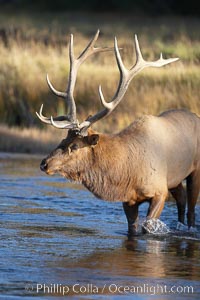
Male elk bugling during the fall rut. Large male elk are known as bulls. Male elk have large antlers which are shed each year. Male elk engage in competitive mating behaviors during the rut, including posturing, antler wrestling and bugling, a loud series of screams which is intended to establish dominance over other males and attract females.
Species: Elk, Cervus canadensis
Location: Madison River, Yellowstone National Park, Wyoming
Image ID: 19781
Species: Elk, Cervus canadensis
Location: Madison River, Yellowstone National Park, Wyoming
Image ID: 19781
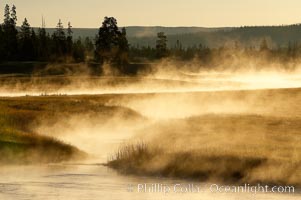
Madison River steaming in the cold air, sunrise, autumn, tall grasses and golden light.
Location: Madison River, Yellowstone National Park, Wyoming
Image ID: 19592
Location: Madison River, Yellowstone National Park, Wyoming
Image ID: 19592
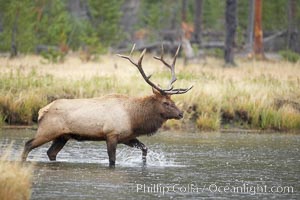
Male elk bugling during the fall rut. Large male elk are known as bulls. Male elk have large antlers which are shed each year. Male elk engage in competitive mating behaviors during the rut, including posturing, antler wrestling and bugling, a loud series of screams which is intended to establish dominance over other males and attract females.
Species: Elk, Cervus canadensis
Location: Madison River, Yellowstone National Park, Wyoming
Image ID: 19711
Species: Elk, Cervus canadensis
Location: Madison River, Yellowstone National Park, Wyoming
Image ID: 19711
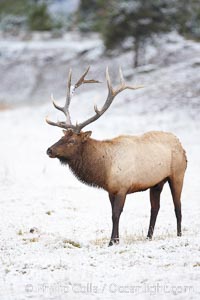
Large male elk (bull) in snow covered meadow near Madison River. Only male elk have antlers, which start growing in the spring and are shed each winter. The largest antlers may be 4 feet long and weigh up to 40 pounds. Antlers are made of bone which can grow up to one inch per day. While growing, the antlers are covered with and protected by a soft layer of highly vascularised skin known as velvet. The velvet is shed in the summer when the antlers have fully developed. Bull elk may have six or more tines on each antler, however the number of tines has little to do with the age or maturity of a particular animal.
Species: Elk, Cervus canadensis
Location: Yellowstone National Park, Wyoming
Image ID: 19749
Species: Elk, Cervus canadensis
Location: Yellowstone National Park, Wyoming
Image ID: 19749
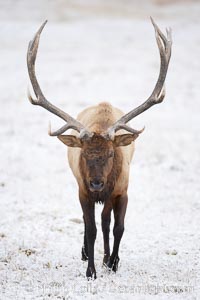
Large male elk (bull) in snow covered meadow near Madison River. Only male elk have antlers, which start growing in the spring and are shed each winter. The largest antlers may be 4 feet long and weigh up to 40 pounds. Antlers are made of bone which can grow up to one inch per day. While growing, the antlers are covered with and protected by a soft layer of highly vascularised skin known as velvet. The velvet is shed in the summer when the antlers have fully developed. Bull elk may have six or more tines on each antler, however the number of tines has little to do with the age or maturity of a particular animal.
Species: Elk, Cervus canadensis
Location: Yellowstone National Park, Wyoming
Image ID: 19767
Species: Elk, Cervus canadensis
Location: Yellowstone National Park, Wyoming
Image ID: 19767
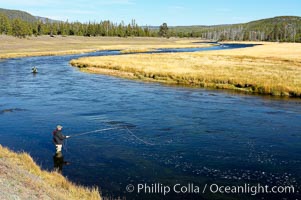
Fly fisherman wading in the Madison River, fall, autumn.
Location: Madison River, Yellowstone National Park, Wyoming
Image ID: 19590
Location: Madison River, Yellowstone National Park, Wyoming
Image ID: 19590
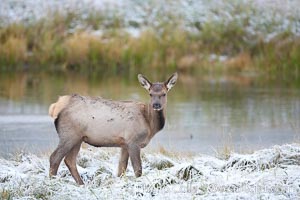
Male elk bugling during the fall rut. Large male elk are known as bulls. Male elk have large antlers which are shed each year. Male elk engage in competitive mating behaviors during the rut, including posturing, antler wrestling and bugling, a loud series of screams which is intended to establish dominance over other males and attract females.
Species: Elk, Cervus canadensis
Location: Madison River, Yellowstone National Park, Wyoming
Image ID: 19712
Species: Elk, Cervus canadensis
Location: Madison River, Yellowstone National Park, Wyoming
Image ID: 19712
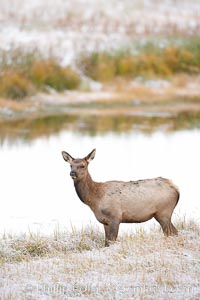
Male elk bugling during the fall rut. Large male elk are known as bulls. Male elk have large antlers which are shed each year. Male elk engage in competitive mating behaviors during the rut, including posturing, antler wrestling and bugling, a loud series of screams which is intended to establish dominance over other males and attract females.
Species: Elk, Cervus canadensis
Location: Madison River, Yellowstone National Park, Wyoming
Image ID: 19725
Species: Elk, Cervus canadensis
Location: Madison River, Yellowstone National Park, Wyoming
Image ID: 19725
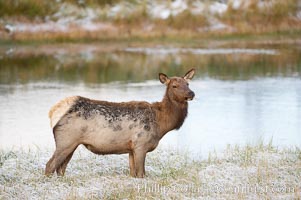
Male elk bugling during the fall rut. Large male elk are known as bulls. Male elk have large antlers which are shed each year. Male elk engage in competitive mating behaviors during the rut, including posturing, antler wrestling and bugling, a loud series of screams which is intended to establish dominance over other males and attract females.
Species: Elk, Cervus canadensis
Location: Madison River, Yellowstone National Park, Wyoming
Image ID: 19732
Species: Elk, Cervus canadensis
Location: Madison River, Yellowstone National Park, Wyoming
Image ID: 19732
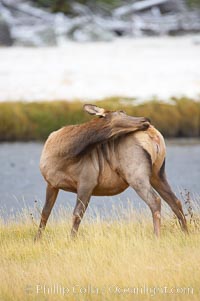
Male elk bugling during the fall rut. Large male elk are known as bulls. Male elk have large antlers which are shed each year. Male elk engage in competitive mating behaviors during the rut, including posturing, antler wrestling and bugling, a loud series of screams which is intended to establish dominance over other males and attract females.
Species: Elk, Cervus canadensis
Location: Madison River, Yellowstone National Park, Wyoming
Image ID: 19733
Species: Elk, Cervus canadensis
Location: Madison River, Yellowstone National Park, Wyoming
Image ID: 19733
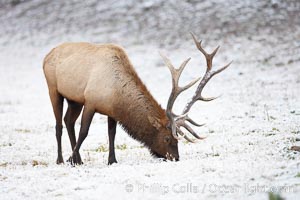
Large male elk (bull) in snow covered meadow near Madison River. Only male elk have antlers, which start growing in the spring and are shed each winter. The largest antlers may be 4 feet long and weigh up to 40 pounds. Antlers are made of bone which can grow up to one inch per day. While growing, the antlers are covered with and protected by a soft layer of highly vascularised skin known as velvet. The velvet is shed in the summer when the antlers have fully developed. Bull elk may have six or more tines on each antler, however the number of tines has little to do with the age or maturity of a particular animal.
Species: Elk, Cervus canadensis
Location: Yellowstone National Park, Wyoming
Image ID: 19734
Species: Elk, Cervus canadensis
Location: Yellowstone National Park, Wyoming
Image ID: 19734
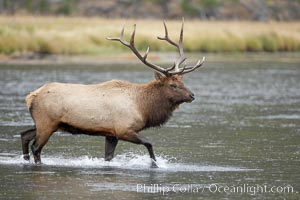
Male elk bugling during the fall rut. Large male elk are known as bulls. Male elk have large antlers which are shed each year. Male elk engage in competitive mating behaviors during the rut, including posturing, antler wrestling and bugling, a loud series of screams which is intended to establish dominance over other males and attract females.
Species: Elk, Cervus canadensis
Location: Madison River, Yellowstone National Park, Wyoming
Image ID: 19741
Species: Elk, Cervus canadensis
Location: Madison River, Yellowstone National Park, Wyoming
Image ID: 19741
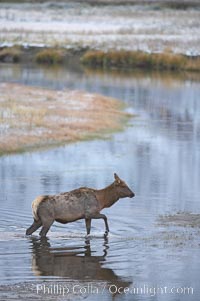
Male elk bugling during the fall rut. Large male elk are known as bulls. Male elk have large antlers which are shed each year. Male elk engage in competitive mating behaviors during the rut, including posturing, antler wrestling and bugling, a loud series of screams which is intended to establish dominance over other males and attract females.
Species: Elk, Cervus canadensis
Location: Madison River, Yellowstone National Park, Wyoming
Image ID: 19743
Species: Elk, Cervus canadensis
Location: Madison River, Yellowstone National Park, Wyoming
Image ID: 19743
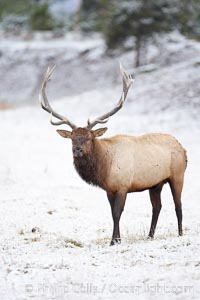
Large male elk (bull) in snow covered meadow near Madison River. Only male elk have antlers, which start growing in the spring and are shed each winter. The largest antlers may be 4 feet long and weigh up to 40 pounds. Antlers are made of bone which can grow up to one inch per day. While growing, the antlers are covered with and protected by a soft layer of highly vascularised skin known as velvet. The velvet is shed in the summer when the antlers have fully developed. Bull elk may have six or more tines on each antler, however the number of tines has little to do with the age or maturity of a particular animal.
Species: Elk, Cervus canadensis
Location: Yellowstone National Park, Wyoming
Image ID: 19751
Species: Elk, Cervus canadensis
Location: Yellowstone National Park, Wyoming
Image ID: 19751
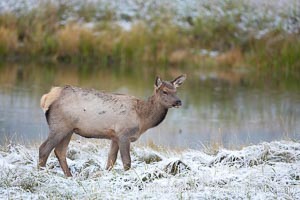
Male elk bugling during the fall rut. Large male elk are known as bulls. Male elk have large antlers which are shed each year. Male elk engage in competitive mating behaviors during the rut, including posturing, antler wrestling and bugling, a loud series of screams which is intended to establish dominance over other males and attract females.
Species: Elk, Cervus canadensis
Location: Madison River, Yellowstone National Park, Wyoming
Image ID: 19755
Species: Elk, Cervus canadensis
Location: Madison River, Yellowstone National Park, Wyoming
Image ID: 19755
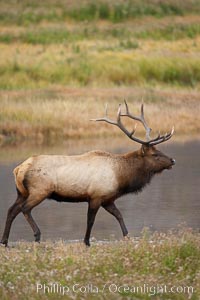
Male elk bugling during the fall rut. Large male elk are known as bulls. Male elk have large antlers which are shed each year. Male elk engage in competitive mating behaviors during the rut, including posturing, antler wrestling and bugling, a loud series of screams which is intended to establish dominance over other males and attract females.
Species: Elk, Cervus canadensis
Location: Madison River, Yellowstone National Park, Wyoming
Image ID: 19761
Species: Elk, Cervus canadensis
Location: Madison River, Yellowstone National Park, Wyoming
Image ID: 19761
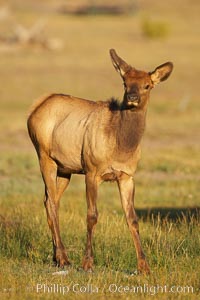
Juvenile elk in golden, late afternoon light, in meadow along Madison River, autumn.
Species: Elk, Cervus canadensis
Location: Yellowstone National Park, Wyoming
Image ID: 19765
Species: Elk, Cervus canadensis
Location: Yellowstone National Park, Wyoming
Image ID: 19765
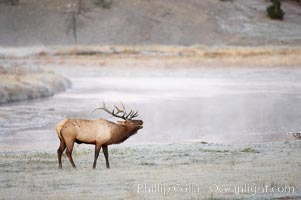
Male elk bugling during the fall rut. Large male elk are known as bulls. Male elk have large antlers which are shed each year. Male elk engage in competitive mating behaviors during the rut, including posturing, antler wrestling and bugling, a loud series of screams which is intended to establish dominance over other males and attract females.
Species: Elk, Cervus canadensis
Location: Madison River, Yellowstone National Park, Wyoming
Image ID: 19766
Species: Elk, Cervus canadensis
Location: Madison River, Yellowstone National Park, Wyoming
Image ID: 19766