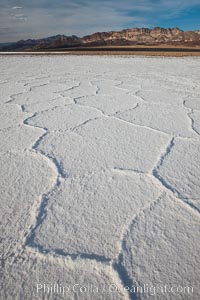
Salt polygons. After winter flooding, the salt on the Badwater Basin playa dries into geometric polygonal shapes.
Location: Badwater, Death Valley National Park, California
Image ID: 25242
Location: Badwater, Death Valley National Park, California
Image ID: 25242
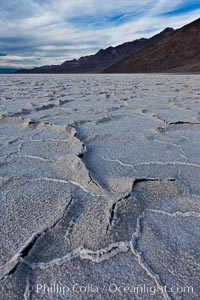
Salt polygons. After winter flooding, the salt on the Badwater Basin playa dries into geometric polygonal shapes.
Location: Badwater, Death Valley National Park, California
Image ID: 27631
Location: Badwater, Death Valley National Park, California
Image ID: 27631
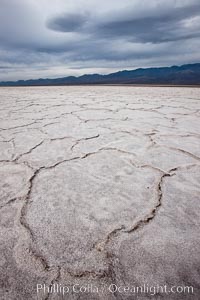
Salt polygons. After winter flooding, the salt on the Badwater Basin playa dries into geometric polygonal shapes.
Location: Badwater, Death Valley National Park, California
Image ID: 25254
Location: Badwater, Death Valley National Park, California
Image ID: 25254
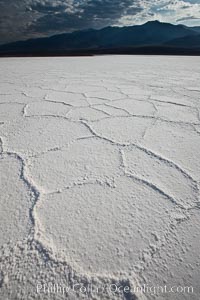
Salt polygons. After winter flooding, the salt on the Badwater Basin playa dries into geometric polygonal shapes.
Location: Badwater, Death Valley National Park, California
Image ID: 25262
Location: Badwater, Death Valley National Park, California
Image ID: 25262
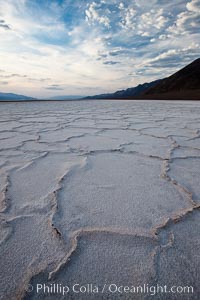
Salt polygons. After winter flooding, the salt on the Badwater Basin playa dries into geometric polygonal shapes.
Location: Badwater, Death Valley National Park, California
Image ID: 25259
Location: Badwater, Death Valley National Park, California
Image ID: 25259
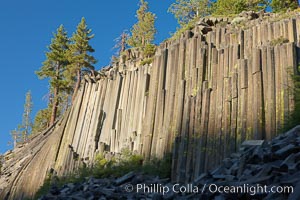
Devil's Postpile, a spectacular example of columnar basalt. Once molten and under great pressure underground, the lava that makes up Devil's Postpile cooled evenly and slowly, contracting and fracturing into polygonal-sided columns. The age of the formation is estimated between 100 and 700 thousand years old. Sometime after the basalt columns formed, a glacier passed over the formation, cutting and polishing the tops of the columns. The columns have from three to seven sides, varying because of differences in how quickly portions of the lava cooled.
Location: Devils Postpile National Monument, California
Image ID: 23266
Location: Devils Postpile National Monument, California
Image ID: 23266
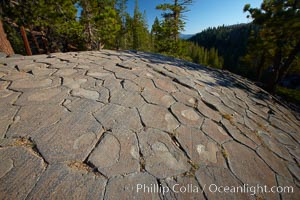
Devil's Postpile, a spectacular example of columnar basalt. Once molten and under great pressure underground, the lava that makes up Devil's Postpile cooled evenly and slowly, contracting and fracturing into polygonal-sided columns. The age of the formation is estimated between 100 and 700 thousand years old. Sometime after the basalt columns formed, a glacier passed over the formation, cutting and polishing the tops of the columns. The columns have from three to seven sides, varying because of differences in how quickly portions of the lava cooled.
Location: Devils Postpile National Monument, California
Image ID: 23267
Location: Devils Postpile National Monument, California
Image ID: 23267
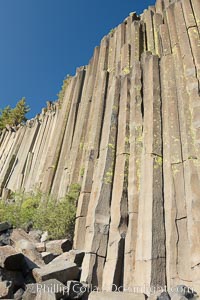
Devil's Postpile, a spectacular example of columnar basalt. Once molten and under great pressure underground, the lava that makes up Devil's Postpile cooled evenly and slowly, contracting and fracturing into polygonal-sided columns. The age of the formation is estimated between 100 and 700 thousand years old. Sometime after the basalt columns formed, a glacier passed over the formation, cutting and polishing the tops of the columns. The columns have from three to seven sides, varying because of differences in how quickly portions of the lava cooled.
Location: Devils Postpile National Monument, California
Image ID: 23285
Location: Devils Postpile National Monument, California
Image ID: 23285
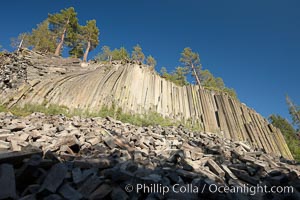
Devil's Postpile, a spectacular example of columnar basalt. Once molten and under great pressure underground, the lava that makes up Devil's Postpile cooled evenly and slowly, contracting and fracturing into polygonal-sided columns. The age of the formation is estimated between 100 and 700 thousand years old. Sometime after the basalt columns formed, a glacier passed over the formation, cutting and polishing the tops of the columns. The columns have from three to seven sides, varying because of differences in how quickly portions of the lava cooled.
Location: Devils Postpile National Monument, California
Image ID: 23281
Location: Devils Postpile National Monument, California
Image ID: 23281
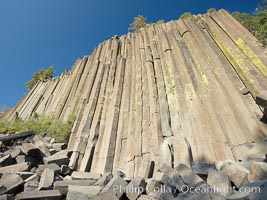
Devil's Postpile, a spectacular example of columnar basalt. Once molten and under great pressure underground, the lava that makes up Devil's Postpile cooled evenly and slowly, contracting and fracturing into polygonal-sided columns. The age of the formation is estimated between 100 and 700 thousand years old. Sometime after the basalt columns formed, a glacier passed over the formation, cutting and polishing the tops of the columns. The columns have from three to seven sides, varying because of differences in how quickly portions of the lava cooled.
Location: Devils Postpile National Monument, California
Image ID: 23282
Location: Devils Postpile National Monument, California
Image ID: 23282
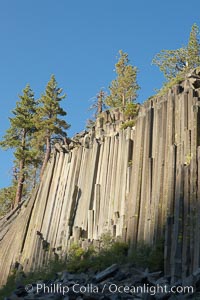
Devil's Postpile, a spectacular example of columnar basalt. Once molten and under great pressure underground, the lava that makes up Devil's Postpile cooled evenly and slowly, contracting and fracturing into polygonal-sided columns. The age of the formation is estimated between 100 and 700 thousand years old. Sometime after the basalt columns formed, a glacier passed over the formation, cutting and polishing the tops of the columns. The columns have from three to seven sides, varying because of differences in how quickly portions of the lava cooled.
Location: Devils Postpile National Monument, California
Image ID: 23283
Location: Devils Postpile National Monument, California
Image ID: 23283
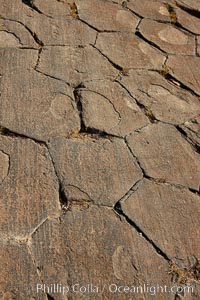
Devil's Postpile, a spectacular example of columnar basalt. Once molten and under great pressure underground, the lava that makes up Devil's Postpile cooled evenly and slowly, contracting and fracturing into polygonal-sided columns. The age of the formation is estimated between 100 and 700 thousand years old. Sometime after the basalt columns formed, a glacier passed over the formation, cutting and polishing the tops of the columns. The columns have from three to seven sides, varying because of differences in how quickly portions of the lava cooled.
Location: Devils Postpile National Monument, California
Image ID: 23284
Location: Devils Postpile National Monument, California
Image ID: 23284
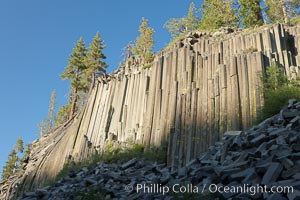
Devil's Postpile, a spectacular example of columnar basalt. Once molten and under great pressure underground, the lava that makes up Devil's Postpile cooled evenly and slowly, contracting and fracturing into polygonal-sided columns. The age of the formation is estimated between 100 and 700 thousand years old. Sometime after the basalt columns formed, a glacier passed over the formation, cutting and polishing the tops of the columns. The columns have from three to seven sides, varying because of differences in how quickly portions of the lava cooled.
Location: Devils Postpile National Monument, California
Image ID: 23286
Location: Devils Postpile National Monument, California
Image ID: 23286
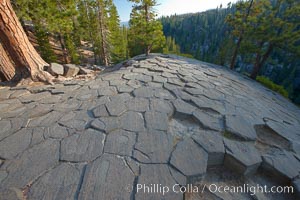
Devil's Postpile, a spectacular example of columnar basalt. Once molten and under great pressure underground, the lava that makes up Devil's Postpile cooled evenly and slowly, contracting and fracturing into polygonal-sided columns. The age of the formation is estimated between 100 and 700 thousand years old. Sometime after the basalt columns formed, a glacier passed over the formation, cutting and polishing the tops of the columns. The columns have from three to seven sides, varying because of differences in how quickly portions of the lava cooled.
Location: Devils Postpile National Monument, California
Image ID: 23287
Location: Devils Postpile National Monument, California
Image ID: 23287
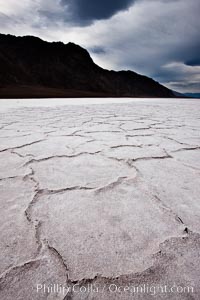
Salt polygons. After winter flooding, the salt on the Badwater Basin playa dries into geometric polygonal shapes.
Location: Badwater, Death Valley National Park, California
Image ID: 25293
Location: Badwater, Death Valley National Park, California
Image ID: 25293
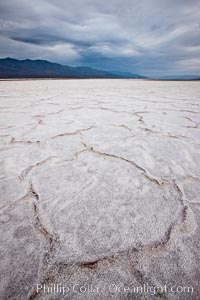
Salt polygons. After winter flooding, the salt on the Badwater Basin playa dries into geometric polygonal shapes.
Location: Badwater, Death Valley National Park, California
Image ID: 25294
Location: Badwater, Death Valley National Park, California
Image ID: 25294
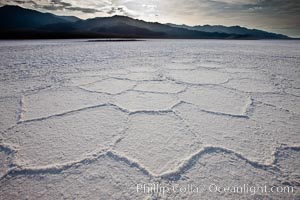
Salt polygons. After winter flooding, the salt on the Badwater Basin playa dries into geometric polygonal shapes.
Location: Badwater, Death Valley National Park, California
Image ID: 25303
Location: Badwater, Death Valley National Park, California
Image ID: 25303
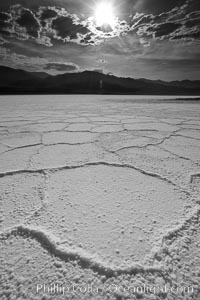
Salt polygons. After winter flooding, the salt on the Badwater Basin playa dries into geometric polygonal shapes.
Location: Badwater, Death Valley National Park, California
Image ID: 25304
Location: Badwater, Death Valley National Park, California
Image ID: 25304
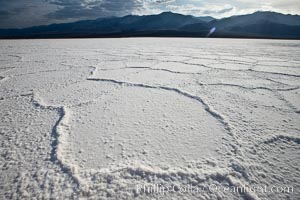
Salt polygons. After winter flooding, the salt on the Badwater Basin playa dries into geometric polygonal shapes.
Location: Badwater, Death Valley National Park, California
Image ID: 25305
Location: Badwater, Death Valley National Park, California
Image ID: 25305
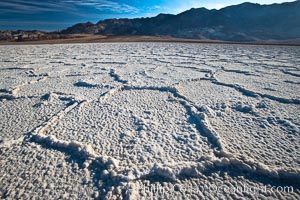
Devils Golf Course, California. Evaporated salt has formed into gnarled, complex crystalline shapes in on the salt pan of Death Valley National Park, one of the largest salt pans in the world. The shapes are constantly evolving as occasional floods submerge the salt concretions before receding and depositing more salt.
Location: Devils Golf Course, Death Valley National Park, California
Image ID: 15582
Location: Devils Golf Course, Death Valley National Park, California
Image ID: 15582
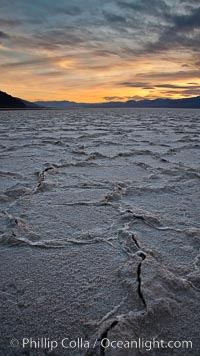
Salt polygons. After winter flooding, the salt on the Badwater Basin playa dries into geometric polygonal shapes.
Location: Badwater, Death Valley National Park, California
Image ID: 27635
Location: Badwater, Death Valley National Park, California
Image ID: 27635
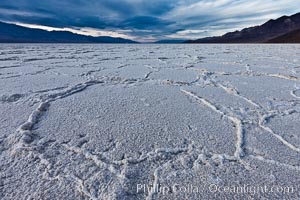
Salt polygons. After winter flooding, the salt on the Badwater Basin playa dries into geometric polygonal shapes.
Location: Badwater, Death Valley National Park, California
Image ID: 27632
Location: Badwater, Death Valley National Park, California
Image ID: 27632
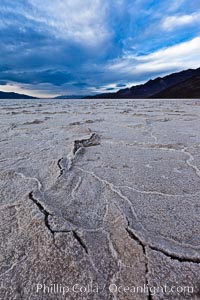
Salt polygons. After winter flooding, the salt on the Badwater Basin playa dries into geometric polygonal shapes.
Location: Badwater, Death Valley National Park, California
Image ID: 27633
Location: Badwater, Death Valley National Park, California
Image ID: 27633
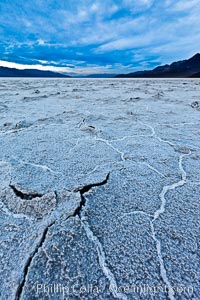
Salt polygons. After winter flooding, the salt on the Badwater Basin playa dries into geometric polygonal shapes.
Location: Badwater, Death Valley National Park, California
Image ID: 27634
Location: Badwater, Death Valley National Park, California
Image ID: 27634
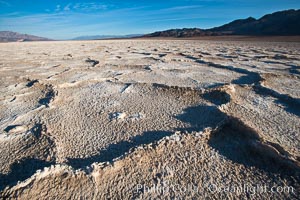
Devils Golf Course, California. Evaporated salt has formed into gnarled, complex crystalline shapes in on the salt pan of Death Valley National Park, one of the largest salt pans in the world. The shapes are constantly evolving as occasional floods submerge the salt concretions before receding and depositing more salt.
Location: Devils Golf Course, Death Valley National Park, California
Image ID: 15583
Location: Devils Golf Course, Death Valley National Park, California
Image ID: 15583
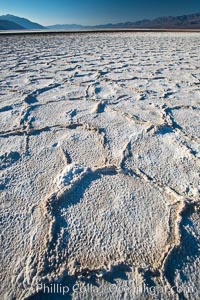
Devils Golf Course, California. Evaporated salt has formed into gnarled, complex crystalline shapes in on the salt pan of Death Valley National Park, one of the largest salt pans in the world. The shapes are constantly evolving as occasional floods submerge the salt concretions before receding and depositing more salt.
Location: Devils Golf Course, Death Valley National Park, California
Image ID: 15597
Location: Devils Golf Course, Death Valley National Park, California
Image ID: 15597
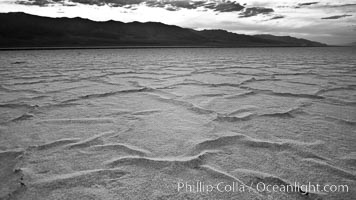
Salt polygons. After winter flooding, the salt on the Badwater Basin playa dries into geometric polygonal shapes.
Location: Badwater, Death Valley National Park, California
Image ID: 25299
Location: Badwater, Death Valley National Park, California
Image ID: 25299
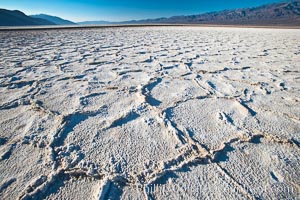
Devils Golf Course, California. Evaporated salt has formed into gnarled, complex crystalline shapes in on the salt pan of Death Valley National Park, one of the largest salt pans in the world. The shapes are constantly evolving as occasional floods submerge the salt concretions before receding and depositing more salt.
Location: Devils Golf Course, Death Valley National Park, California
Image ID: 15615
Location: Devils Golf Course, Death Valley National Park, California
Image ID: 15615
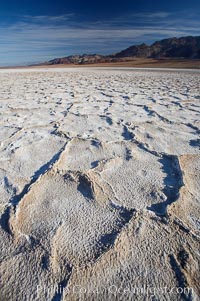
Devils Golf Course, California. Evaporated salt has formed into gnarled, complex crystalline shapes in on the salt pan of Death Valley National Park, one of the largest salt pans in the world. The shapes are constantly evolving as occasional floods submerge the salt concretions before receding and depositing more salt.
Location: Devils Golf Course, Death Valley National Park, California
Image ID: 15616
Location: Devils Golf Course, Death Valley National Park, California
Image ID: 15616
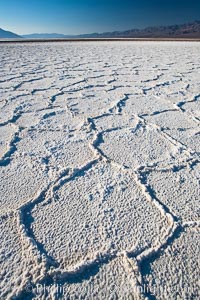
Devils Golf Course, California. Evaporated salt has formed into gnarled, complex crystalline shapes in on the salt pan of Death Valley National Park, one of the largest salt pans in the world. The shapes are constantly evolving as occasional floods submerge the salt concretions before receding and depositing more salt.
Location: Devils Golf Course, Death Valley National Park, California
Image ID: 15627
Location: Devils Golf Course, Death Valley National Park, California
Image ID: 15627