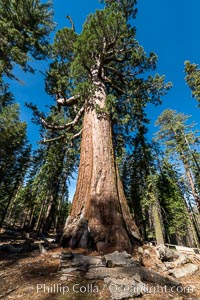
The Grizzly Giant Sequoia Tree in Yosemite. Giant sequoia trees (Sequoiadendron giganteum), roots spreading outward at the base of each massive tree, rise from the shaded forest floor. Mariposa Grove, Yosemite National Park.
Location: Mariposa Grove, Yosemite National Park, California
Image ID: 36401
Location: Mariposa Grove, Yosemite National Park, California
Image ID: 36401
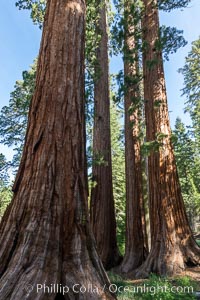
The Bachelor and Three Graces giant sequoia trees. Giant sequoia trees (Sequoiadendron giganteum), roots spreading outward at the base of each massive tree, rise from the shaded forest floor. Mariposa Grove, Yosemite National Park.
Location: Mariposa Grove, Yosemite National Park, California
Image ID: 36400
Location: Mariposa Grove, Yosemite National Park, California
Image ID: 36400
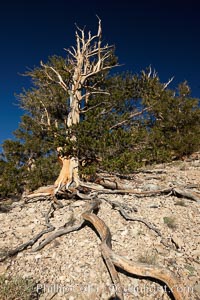
Ancient bristlecone pine tree, roots spread wide and exposed over dolomite-rich soil, rising above the arid slopes of the Schulman Grove in the White Mountains at an elevation of 9500 above sea level, along the Methuselah Walk. The oldest bristlecone pines in the world are found in the Schulman Grove, some of them over 4700 years old. Ancient Bristlecone Pine Forest.
Species: Bristlecone pine, Pinus longaeva
Location: White Mountains, Inyo National Forest, California
Image ID: 23234
Species: Bristlecone pine, Pinus longaeva
Location: White Mountains, Inyo National Forest, California
Image ID: 23234
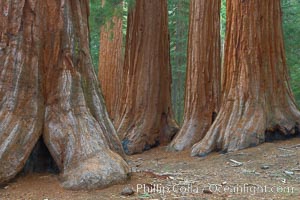
Giant sequoia trees, roots spreading outward at the base of each massive tree, rise from the shaded forest floor.
Species: Giant sequoia tree, Sequoiadendron giganteum
Location: Mariposa Grove, Yosemite National Park, California
Image ID: 23258
Species: Giant sequoia tree, Sequoiadendron giganteum
Location: Mariposa Grove, Yosemite National Park, California
Image ID: 23258
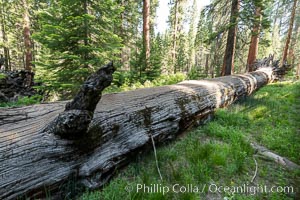
The Fallen Monarch tree. Giant sequoia trees (Sequoiadendron giganteum), roots spreading outward at the base of each massive tree, rise from the shaded forest floor. Mariposa Grove, Yosemite National Park.
Location: Mariposa Grove, Yosemite National Park, California
Image ID: 36399
Location: Mariposa Grove, Yosemite National Park, California
Image ID: 36399
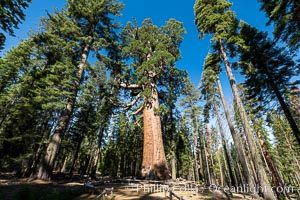
The Grizzly Giant Sequoia Tree in Yosemite. Giant sequoia trees (Sequoiadendron giganteum), roots spreading outward at the base of each massive tree, rise from the shaded forest floor. Mariposa Grove, Yosemite National Park.
Location: Mariposa Grove, Yosemite National Park, California
Image ID: 36402
Location: Mariposa Grove, Yosemite National Park, California
Image ID: 36402
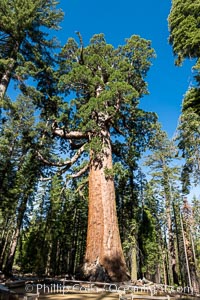
The Grizzly Giant Sequoia Tree in Yosemite. Giant sequoia trees (Sequoiadendron giganteum), roots spreading outward at the base of each massive tree, rise from the shaded forest floor. Mariposa Grove, Yosemite National Park.
Location: Mariposa Grove, Yosemite National Park, California
Image ID: 36403
Location: Mariposa Grove, Yosemite National Park, California
Image ID: 36403
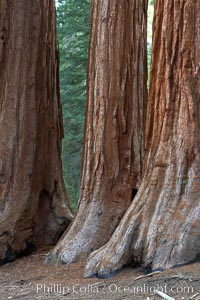
Giant sequoia trees, roots spreading outward at the base of each massive tree, rise from the shaded forest floor.
Species: Giant sequoia tree, Sequoiadendron giganteum
Location: Mariposa Grove, Yosemite National Park, California
Image ID: 23257
Species: Giant sequoia tree, Sequoiadendron giganteum
Location: Mariposa Grove, Yosemite National Park, California
Image ID: 23257
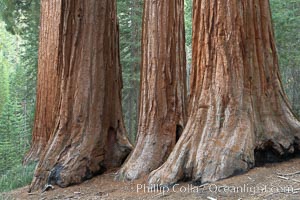
Giant sequoia trees, roots spreading outward at the base of each massive tree, rise from the shaded forest floor.
Species: Giant sequoia tree, Sequoiadendron giganteum
Location: Mariposa Grove, Yosemite National Park, California
Image ID: 23288
Species: Giant sequoia tree, Sequoiadendron giganteum
Location: Mariposa Grove, Yosemite National Park, California
Image ID: 23288
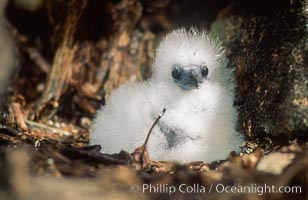
Seabird chick nested among roots of Pisonia trees, Rose Atoll National Wildlife Refuge.
Location: Rose Atoll National Wildlife Sanctuary, American Samoa
Image ID: 00888
Location: Rose Atoll National Wildlife Sanctuary, American Samoa
Image ID: 00888
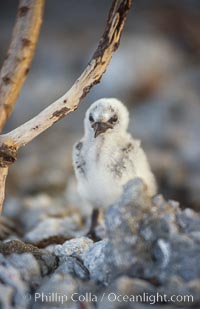
Seabird chick nested among roots of Pisonia trees, Rose Atoll National Wildlife Refuge.
Location: Rose Atoll National Wildlife Sanctuary, American Samoa
Image ID: 00889
Location: Rose Atoll National Wildlife Sanctuary, American Samoa
Image ID: 00889
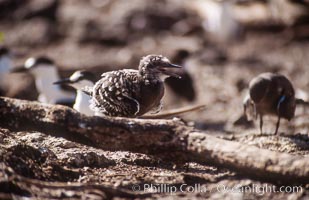
Seabird chick nested among roots of Pisonia trees, Rose Atoll National Wildlife Refuge.
Location: Rose Atoll National Wildlife Sanctuary, American Samoa
Image ID: 00891
Location: Rose Atoll National Wildlife Sanctuary, American Samoa
Image ID: 00891
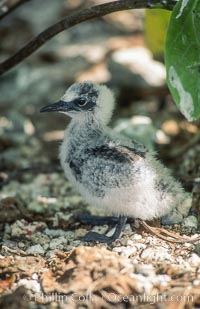
Seabird chick nested among roots of Pisonia trees, Rose Atoll National Wildlife Refuge.
Location: Rose Atoll National Wildlife Sanctuary, American Samoa
Image ID: 00893
Location: Rose Atoll National Wildlife Sanctuary, American Samoa
Image ID: 00893
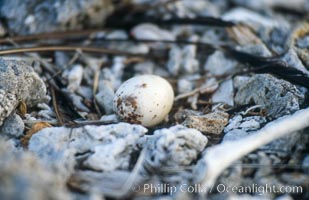
Seabird chick nested among roots of Pisonia trees, Rose Atoll National Wildlife Refuge.
Location: Rose Atoll National Wildlife Sanctuary, American Samoa
Image ID: 00894
Location: Rose Atoll National Wildlife Sanctuary, American Samoa
Image ID: 00894
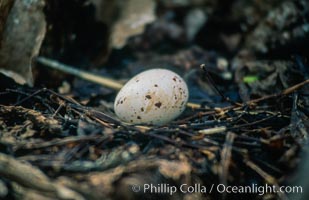
Seabird chick nested among roots of Pisonia trees, Rose Atoll National Wildlife Refuge.
Location: Rose Atoll National Wildlife Sanctuary, American Samoa
Image ID: 00895
Location: Rose Atoll National Wildlife Sanctuary, American Samoa
Image ID: 00895
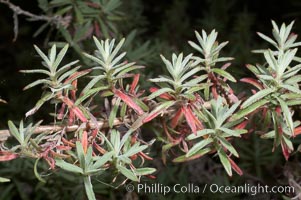
California fuschia, Batiquitos Lagoon, Carlsbad, California. A member of the primrose family. Local tribes occasionally ate seeds of this species, while leaves and roots were sometimes boiled and eaten. Settlers gathered seeds and used them as a natural remedy for a variety of illnesses, effectively, since this species contains gamma-linoleic acid.
Species: California fuschia, Epilobium cana
Location: Batiquitos Lagoon, Carlsbad, California
Image ID: 11334
Species: California fuschia, Epilobium cana
Location: Batiquitos Lagoon, Carlsbad, California
Image ID: 11334
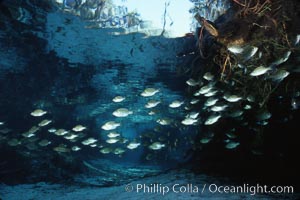
Three Sisters Springs, fish and tree roots.
Location: Three Sisters Springs, Crystal River, Florida
Image ID: 02677
Location: Three Sisters Springs, Crystal River, Florida
Image ID: 02677
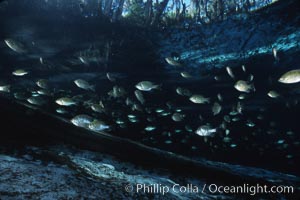
Three Sisters Springs, fish and tree roots.
Location: Three Sisters Springs, Crystal River, Florida
Image ID: 02678
Location: Three Sisters Springs, Crystal River, Florida
Image ID: 02678
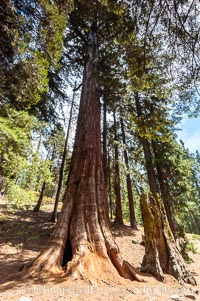
The Tennessee Tree shows resilience to fire damage, continuing to thrive in spite of deep fire scars. The living tissue or cambium layer of a sequoia lies just under its bark. As long as some of this thin, living tissue connects the leaves above with the roots below, the tree will continue to live. If undisturbed by people, or more fire, this living layer will eventually heal the fire scars seen on this tree. Grant Grove.
Species: Giant sequoia tree, Sequoiadendron giganteum
Location: Grant Grove, Sequoia Kings Canyon National Park, California
Image ID: 09873
Species: Giant sequoia tree, Sequoiadendron giganteum
Location: Grant Grove, Sequoia Kings Canyon National Park, California
Image ID: 09873