Rut Photo


Home    Natural History Photography Blog    New Search    View Light Table    Clear Light Table     Add All To Light Table

N Images: 150     Page:   -1- 2 3 4 5    Next ›››    Compact View

Home   >   Natural History Photography Blog   >   Search   >   Rut   >         photos@oceanlight.com   (760) 707-7153
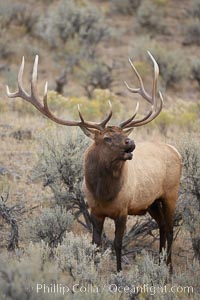
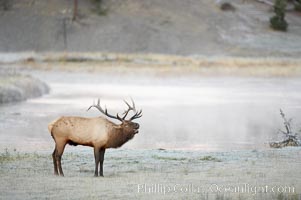
Male elk bugling during the fall rut. Large male elk are known as bulls. Male elk have large antlers which are shed each year. Male elk engage in competitive mating behaviors during the rut, including posturing, antler wrestling and bugling, a loud series of screams which is intended to establish dominance over other males and attract females, Cervus canadensis, Mammoth Hot Springs, Yellowstone National Park, Wyoming Add To Light Table Male elk bugling during the fall rut. Large male elk are known as bulls. Male elk have large antlers which are shed each year. Male elk engage in competitive mating behaviors during the rut, including posturing, antler wrestling and bugling, a loud series of screams which is intended to establish dominance over other males and attract females, Cervus canadensis, Madison River, Yellowstone National Park, Wyoming Add To Light Table Male elk bugling during the fall rut. Large male elk are known as bulls. Male elk have large antlers which are shed each year. Male elk engage in competitive mating behaviors during the rut, including posturing, antler wrestling and bugling, a loud series of screams which is intended to establish dominance over other males and attract females, Cervus canadensis, Mammoth Hot Springs, Yellowstone National Park, Wyoming Add To Light Table
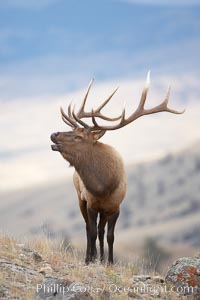
Male elk bugling during the fall rut. Large male elk are known as bulls. Male elk have large antlers which are shed each year. Male elk engage in competitive mating behaviors during the rut, including posturing, antler wrestling and bugling, a loud series of screams which is intended to establish dominance over other males and attract females.
Image ID: 19693  
Species: Elk, Cervus canadensis
Location: Mammoth Hot Springs, Yellowstone National Park, Wyoming, USA
 
Male elk bugling during the fall rut. Large male elk are known as bulls. Male elk have large antlers which are shed each year. Male elk engage in competitive mating behaviors during the rut, including posturing, antler wrestling and bugling, a loud series of screams which is intended to establish dominance over other males and attract females.
Image ID: 19697  
Species: Elk, Cervus canadensis
Location: Madison River, Yellowstone National Park, Wyoming, USA
 
Male elk bugling during the fall rut. Large male elk are known as bulls. Male elk have large antlers which are shed each year. Male elk engage in competitive mating behaviors during the rut, including posturing, antler wrestling and bugling, a loud series of screams which is intended to establish dominance over other males and attract females.
Image ID: 19698  
Species: Elk, Cervus canadensis
Location: Mammoth Hot Springs, Yellowstone National Park, Wyoming, USA
 
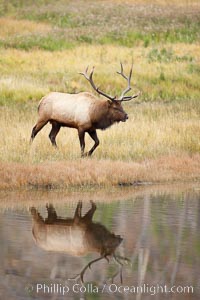
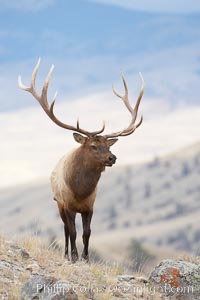
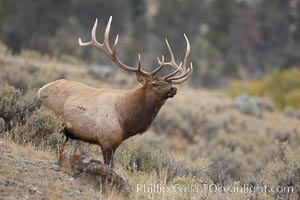
Elk, bull elk, adult male elk with large set of antlers.  By September, this bull elk's antlers have reached their full size and the velvet has fallen off. This bull elk has sparred with other bulls for access to herds of females in estrous and ready to mate, Cervus canadensis, Mammoth Hot Springs, Yellowstone National Park, Wyoming Add To Light Table Male elk bugling during the fall rut. Large male elk are known as bulls. Male elk have large antlers which are shed each year. Male elk engage in competitive mating behaviors during the rut, including posturing, antler wrestling and bugling, a loud series of screams which is intended to establish dominance over other males and attract females, Cervus canadensis, Madison River, Yellowstone National Park, Wyoming Add To Light Table Bull elk in sage brush with large rack of antlers during the fall rut (mating season).  This bull elk has sparred with other bulls to establish his harem of females with which he hopes to mate, Cervus canadensis, Mammoth Hot Springs, Yellowstone National Park, Wyoming Add To Light Table
Elk, bull elk, adult male elk with large set of antlers. By September, this bull elk's antlers have reached their full size and the velvet has fallen off. This bull elk has sparred with other bulls for access to herds of females in estrous and ready to mate.
Image ID: 19721  
Species: Elk, Cervus canadensis
Location: Mammoth Hot Springs, Yellowstone National Park, Wyoming, USA
 
Male elk bugling during the fall rut. Large male elk are known as bulls. Male elk have large antlers which are shed each year. Male elk engage in competitive mating behaviors during the rut, including posturing, antler wrestling and bugling, a loud series of screams which is intended to establish dominance over other males and attract females.
Image ID: 19700  
Species: Elk, Cervus canadensis
Location: Madison River, Yellowstone National Park, Wyoming, USA
 
Bull elk in sage brush with large rack of antlers during the fall rut (mating season). This bull elk has sparred with other bulls to establish his harem of females with which he hopes to mate.
Image ID: 19718  
Species: Elk, Cervus canadensis
Location: Mammoth Hot Springs, Yellowstone National Park, Wyoming, USA
 
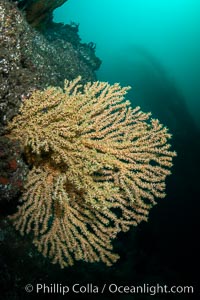
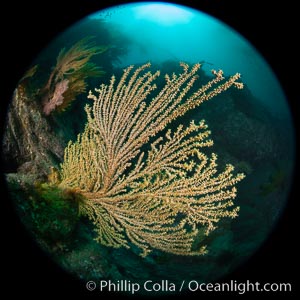
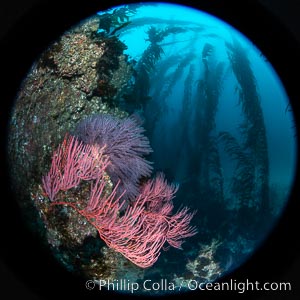
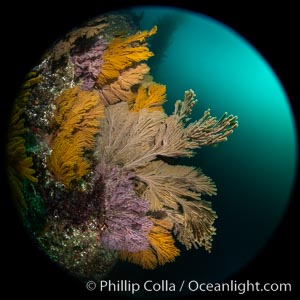
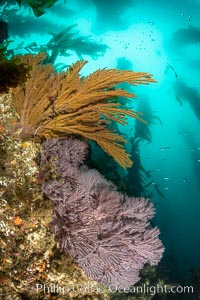
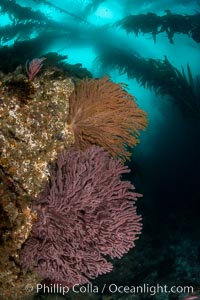
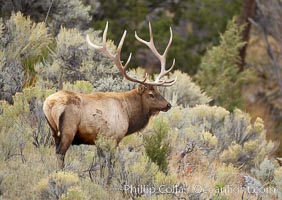
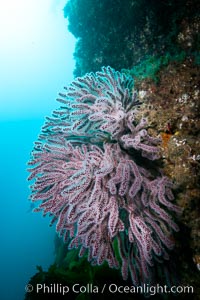
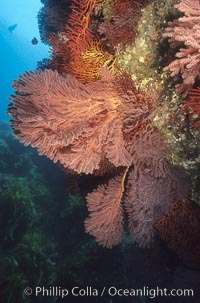
Bull elk in sage brush with large rack of antlers during the fall rut (mating season).  This bull elk has sparred with other bulls to establish his harem of females with which he hopes to mate, Cervus canadensis, Mammoth Hot Springs, Yellowstone National Park, Wyoming Add To Light Table Brown gorgonians on rocky reef, below kelp forest, underwater.  Gorgonians are filter-feeding temperate colonial species that live on the rocky bottom at depths between 50 to 200 feet deep.  Each individual polyp is a distinct animal, together they secrete calcium that forms the structure of the colony. Gorgonians are oriented at right angles to prevailing water currents to capture plankton drifting by, Muricea fruticosa, San Clemente Island Add To Light Table Brown gorgonians, Catalina, Muricea fruticosa, Catalina Island Add To Light Table
Bull elk in sage brush with large rack of antlers during the fall rut (mating season). This bull elk has sparred with other bulls to establish his harem of females with which he hopes to mate.
Image ID: 19702  
Species: Elk, Cervus canadensis
Location: Mammoth Hot Springs, Yellowstone National Park, Wyoming, USA
 
Brown gorgonians on rocky reef, below kelp forest, underwater. Gorgonians are filter-feeding temperate colonial species that live on the rocky bottom at depths between 50 to 200 feet deep. Each individual polyp is a distinct animal, together they secrete calcium that forms the structure of the colony. Gorgonians are oriented at right angles to prevailing water currents to capture plankton drifting by.
Image ID: 25398  
Species: Brown gorgonian, Muricea fruticosa
Location: San Clemente Island, California, USA
 
Brown gorgonians, Catalina.
Image ID: 00567  
Species: Brown gorgonian, Muricea fruticosa
Location: Catalina Island, California, USA
 
Large male elk (bull) in snow covered meadow near Madison River.  Only male elk have antlers, which start growing in the spring and are shed each winter. The largest antlers may be 4 feet long and weigh up to 40 pounds. Antlers are made of bone which can grow up to one inch per day. While growing, the antlers are covered with and protected by a soft layer of highly vascularised skin known as velvet. The velvet is shed in the summer when the antlers have fully developed. Bull elk may have six or more tines on each antler, however the number of tines has little to do with the age or maturity of a particular animal, Cervus canadensis, Yellowstone National Park, Wyoming Add To Light Table Male elk bugling during the fall rut. Large male elk are known as bulls. Male elk have large antlers which are shed each year. Male elk engage in competitive mating behaviors during the rut, including posturing, antler wrestling and bugling, a loud series of screams which is intended to establish dominance over other males and attract females, Cervus canadensis, Yellowstone National Park, Wyoming Add To Light Table Female elk along the Madison River during an early fall snow, Cervus canadensis, Yellowstone National Park, Wyoming Add To Light Table
Large male elk (bull) in snow covered meadow near Madison River. Only male elk have antlers, which start growing in the spring and are shed each winter. The largest antlers may be 4 feet long and weigh up to 40 pounds. Antlers are made of bone which can grow up to one inch per day. While growing, the antlers are covered with and protected by a soft layer of highly vascularised skin known as velvet. The velvet is shed in the summer when the antlers have fully developed. Bull elk may have six or more tines on each antler, however the number of tines has little to do with the age or maturity of a particular animal.
Image ID: 19692  
Species: Elk, Cervus canadensis
Location: Yellowstone National Park, Wyoming, USA
 
Male elk bugling during the fall rut. Large male elk are known as bulls. Male elk have large antlers which are shed each year. Male elk engage in competitive mating behaviors during the rut, including posturing, antler wrestling and bugling, a loud series of screams which is intended to establish dominance over other males and attract females.
Image ID: 19695  
Species: Elk, Cervus canadensis
Location: Yellowstone National Park, Wyoming, USA
 
Female elk along the Madison River during an early fall snow.
Image ID: 19701  
Species: Elk, Cervus canadensis
Location: Madison River, Yellowstone National Park, Wyoming, USA
 
Male elk bugling during the fall rut. Large male elk are known as bulls. Male elk have large antlers which are shed each year. Male elk engage in competitive mating behaviors during the rut, including posturing, antler wrestling and bugling, a loud series of screams which is intended to establish dominance over other males and attract females, Cervus canadensis, Yellowstone National Park, Wyoming Add To Light Table Juvenile elk in golden, late afternoon light, in meadow along Madison River, autumn, Cervus canadensis, Yellowstone National Park, Wyoming Add To Light Table Male elk bugling during the fall rut. Large male elk are known as bulls. Male elk have large antlers which are shed each year. Male elk engage in competitive mating behaviors during the rut, including posturing, antler wrestling and bugling, a loud series of screams which is intended to establish dominance over other males and attract females, Cervus canadensis, Yellowstone National Park, Wyoming Add To Light Table
Male elk bugling during the fall rut. Large male elk are known as bulls. Male elk have large antlers which are shed each year. Male elk engage in competitive mating behaviors during the rut, including posturing, antler wrestling and bugling, a loud series of screams which is intended to establish dominance over other males and attract females.
Image ID: 19703  
Species: Elk, Cervus canadensis
Location: Yellowstone National Park, Wyoming, USA
 
Juvenile elk in golden, late afternoon light, in meadow along Madison River, autumn.
Image ID: 19704  
Species: Elk, Cervus canadensis
Location: Yellowstone National Park, Wyoming, USA
 
Male elk bugling during the fall rut. Large male elk are known as bulls. Male elk have large antlers which are shed each year. Male elk engage in competitive mating behaviors during the rut, including posturing, antler wrestling and bugling, a loud series of screams which is intended to establish dominance over other males and attract females.
Image ID: 19708  
Species: Elk, Cervus canadensis
Location: Yellowstone National Park, Wyoming, USA
 
Male elk bugling during the fall rut. Large male elk are known as bulls. Male elk have large antlers which are shed each year. Male elk engage in competitive mating behaviors during the rut, including posturing, antler wrestling and bugling, a loud series of screams which is intended to establish dominance over other males and attract females, Cervus canadensis, Yellowstone National Park, Wyoming Add To Light Table Male elk bugling during the fall rut. Large male elk are known as bulls. Male elk have large antlers which are shed each year. Male elk engage in competitive mating behaviors during the rut, including posturing, antler wrestling and bugling, a loud series of screams which is intended to establish dominance over other males and attract females, Cervus canadensis, Madison River, Yellowstone National Park, Wyoming Add To Light Table Male elk bugling during the fall rut. Large male elk are known as bulls. Male elk have large antlers which are shed each year. Male elk engage in competitive mating behaviors during the rut, including posturing, antler wrestling and bugling, a loud series of screams which is intended to establish dominance over other males and attract females, Cervus canadensis, Yellowstone National Park, Wyoming Add To Light Table
Male elk bugling during the fall rut. Large male elk are known as bulls. Male elk have large antlers which are shed each year. Male elk engage in competitive mating behaviors during the rut, including posturing, antler wrestling and bugling, a loud series of screams which is intended to establish dominance over other males and attract females.
Image ID: 19714  
Species: Elk, Cervus canadensis
Location: Yellowstone National Park, Wyoming, USA
 
Male elk bugling during the fall rut. Large male elk are known as bulls. Male elk have large antlers which are shed each year. Male elk engage in competitive mating behaviors during the rut, including posturing, antler wrestling and bugling, a loud series of screams which is intended to establish dominance over other males and attract females.
Image ID: 19716  
Species: Elk, Cervus canadensis
Location: Madison River, Yellowstone National Park, Wyoming, USA
 
Male elk bugling during the fall rut. Large male elk are known as bulls. Male elk have large antlers which are shed each year. Male elk engage in competitive mating behaviors during the rut, including posturing, antler wrestling and bugling, a loud series of screams which is intended to establish dominance over other males and attract females.
Image ID: 19699  
Species: Elk, Cervus canadensis
Location: Yellowstone National Park, Wyoming, USA
 
Photographer Al Bruton, photographing Magellanic penguins on grasslands above the ocean, New Island Add To Light Table Juvenile elk in golden, late afternoon light, in meadow along Madison River, autumn, Cervus canadensis, Yellowstone National Park, Wyoming Add To Light Table Female and young elk in early autumn snowfall, Cervus canadensis, Yellowstone National Park, Wyoming Add To Light Table
Photographer Al Bruton, photographing Magellanic penguins on grasslands above the ocean.
Image ID: 23799  
Location: New Island, Falkland Islands, United Kingdom
 
Juvenile elk in golden, late afternoon light, in meadow along Madison River, autumn.
Image ID: 19709  
Species: Elk, Cervus canadensis
Location: Yellowstone National Park, Wyoming, USA
 
Female and young elk in early autumn snowfall.
Image ID: 19713  
Species: Elk, Cervus canadensis
Location: Yellowstone National Park, Wyoming, USA
 
Male elk bugling during the fall rut. Large male elk are known as bulls. Male elk have large antlers which are shed each year. Male elk engage in competitive mating behaviors during the rut, including posturing, antler wrestling and bugling, a loud series of screams which is intended to establish dominance over other males and attract females, Cervus canadensis, Mammoth Hot Springs, Yellowstone National Park, Wyoming Add To Light Table Juvenile elk in golden, late afternoon light, in meadow along Madison River, autumn, Cervus canadensis, Yellowstone National Park, Wyoming Add To Light Table Male elk bugling during the fall rut. Large male elk are known as bulls. Male elk have large antlers which are shed each year. Male elk engage in competitive mating behaviors during the rut, including posturing, antler wrestling and bugling, a loud series of screams which is intended to establish dominance over other males and attract females, Cervus canadensis, Yellowstone National Park, Wyoming Add To Light Table
Male elk bugling during the fall rut. Large male elk are known as bulls. Male elk have large antlers which are shed each year. Male elk engage in competitive mating behaviors during the rut, including posturing, antler wrestling and bugling, a loud series of screams which is intended to establish dominance over other males and attract females.
Image ID: 19715  
Species: Elk, Cervus canadensis
Location: Mammoth Hot Springs, Yellowstone National Park, Wyoming, USA
 
Juvenile elk in golden, late afternoon light, in meadow along Madison River, autumn.
Image ID: 19717  
Species: Elk, Cervus canadensis
Location: Yellowstone National Park, Wyoming, USA
 
Male elk bugling during the fall rut. Large male elk are known as bulls. Male elk have large antlers which are shed each year. Male elk engage in competitive mating behaviors during the rut, including posturing, antler wrestling and bugling, a loud series of screams which is intended to establish dominance over other males and attract females.
Image ID: 19719  
Species: Elk, Cervus canadensis
Location: Yellowstone National Park, Wyoming, USA
 
Juvenile elk in golden, late afternoon light, in meadow along Madison River, autumn, Cervus canadensis, Yellowstone National Park, Wyoming Add To Light Table Elk, bull elk, adult male elk with large set of antlers.  By September, this bull elk's antlers have reached their full size and the velvet has fallen off. This bull elk has sparred with other bulls for access to herds of females in estrous and ready to mate, Cervus canadensis, Yellowstone National Park, Wyoming Add To Light Table Male elk (bull) alongside female elk in grassy meadow, during rutting season.  A bull will defend his harem of 20 cows or more from competing bulls and predators. Only mature bulls have large harems and breeding success peaks at about eight years of age. Bulls between two to four years and over 11 years of age rarely have harems, and spend most of the rut on the periphery of larger harems. Young and old bulls that do acquire a harem hold it later in the breeding season than do bulls in their prime. A bull with a harem rarely feeds and he may lose up to 20 percent of his body weight while he is guarding the harem, Cervus canadensis, Yellowstone National Park, Wyoming Add To Light Table
Juvenile elk in golden, late afternoon light, in meadow along Madison River, autumn.
Image ID: 19720  
Species: Elk, Cervus canadensis
Location: Yellowstone National Park, Wyoming, USA
 
Elk, bull elk, adult male elk with large set of antlers. By September, this bull elk's antlers have reached their full size and the velvet has fallen off. This bull elk has sparred with other bulls for access to herds of females in estrous and ready to mate.
Image ID: 19722  
Species: Elk, Cervus canadensis
Location: Yellowstone National Park, Wyoming, USA
 
Male elk (bull) alongside female elk in grassy meadow, during rutting season. A bull will defend his harem of 20 cows or more from competing bulls and predators. Only mature bulls have large harems and breeding success peaks at about eight years of age. Bulls between two to four years and over 11 years of age rarely have harems, and spend most of the rut on the periphery of larger harems. Young and old bulls that do acquire a harem hold it later in the breeding season than do bulls in their prime. A bull with a harem rarely feeds and he may lose up to 20 percent of his body weight while he is guarding the harem.
Image ID: 19723  
Species: Elk, Cervus canadensis
Location: Yellowstone National Park, Wyoming, USA
 
Bull elk, with large antlers, alongside female elk during rutting season, autumn.  A bull will defend his harem of 20 cows or more from competing bulls and predators. Only mature bulls have large harems and breeding success peaks at about eight years of age. Bulls between two to four years and over 11 years of age rarely have harems, and spend most of the rut on the periphery of larger harems. Young and old bulls that do acquire a harem hold it later in the breeding season than do bulls in their prime. A bull with a harem rarely feeds and he may lose up to 20 percent of his body weight while he is guarding the harem, Cervus canadensis, Yellowstone National Park, Wyoming Add To Light Table Bull elk in sage brush with large rack of antlers during the fall rut (mating season).  This bull elk has sparred with other bulls to establish his harem of females with which he hopes to mate, Cervus canadensis, Mammoth Hot Springs, Yellowstone National Park, Wyoming Add To Light Table Male elk bugling during the fall rut. Large male elk are known as bulls. Male elk have large antlers which are shed each year. Male elk engage in competitive mating behaviors during the rut, including posturing, antler wrestling and bugling, a loud series of screams which is intended to establish dominance over other males and attract females, Cervus canadensis, Madison River, Yellowstone National Park, Wyoming Add To Light Table
Bull elk, with large antlers, alongside female elk during rutting season, autumn. A bull will defend his harem of 20 cows or more from competing bulls and predators. Only mature bulls have large harems and breeding success peaks at about eight years of age. Bulls between two to four years and over 11 years of age rarely have harems, and spend most of the rut on the periphery of larger harems. Young and old bulls that do acquire a harem hold it later in the breeding season than do bulls in their prime. A bull with a harem rarely feeds and he may lose up to 20 percent of his body weight while he is guarding the harem.
Image ID: 19724  
Species: Elk, Cervus canadensis
Location: Yellowstone National Park, Wyoming, USA
 
Bull elk in sage brush with large rack of antlers during the fall rut (mating season). This bull elk has sparred with other bulls to establish his harem of females with which he hopes to mate.
Image ID: 19746  
Species: Elk, Cervus canadensis
Location: Mammoth Hot Springs, Yellowstone National Park, Wyoming, USA
 
Male elk bugling during the fall rut. Large male elk are known as bulls. Male elk have large antlers which are shed each year. Male elk engage in competitive mating behaviors during the rut, including posturing, antler wrestling and bugling, a loud series of screams which is intended to establish dominance over other males and attract females.
Image ID: 19781  
Species: Elk, Cervus canadensis
Location: Madison River, Yellowstone National Park, Wyoming, USA


Natural History Photography Blog posts (20) related to Rut


Alternative Search:


Related Topics:


Keywords:

Page:   -1- 2 3 4 5   Next ›››   New Search    Compact View
Categories Appearing Among These Images:
Animal  >  Mammal  >  Elk
Animal  >  Mammal  >  Elk  >  Bugling Elk
Animal  >  Mammal  >  Elk  >  Bull elk
Animal  >  Mammal  >  Elk  >  Elk Rut
Animal  >  Mammal  >  Elk  >  Flehmen Response
Animal  >  Marine Invertebrate  >  Anemone  >  Zoanthid
Animal  >  Marine Invertebrate  >  Bryozoan
Animal  >  Marine Invertebrate  >  Coral  >  Soft Coral  >  Gorgonian
Animal  >  Marine Invertebrate  >  Mollusk  >  Cephalopod  >  Cuttlefish
Gallery  >  Wildlife Portraits
Gallery  >  Yellowstone National Park
Location  >  Oceans  >  Atlantic  >  Falkland Islands (Islas Malvinas)
Location  >  Oceans  >  Pacific  >  California (USA) / Baja California (Mexico)
Location  >  Oceans  >  Pacific  >  California (USA) / Baja California (Mexico)  >  Channel Islands  >  Catalina Island
Location  >  Oceans  >  Pacific  >  California (USA) / Baja California (Mexico)  >  Channel Islands  >  San Clemente Island
Location  >  Protected Threatened and Significant Places  >  National Parks  >  Yellowstone National Park (Wyoming)
Location  >  Protected Threatened and Significant Places  >  National Parks  >  Yellowstone National Park (Wyoming)  >  Madison River
Location  >  Protected Threatened and Significant Places  >  World Heritage Sites  >  Yellowstone National Park (USA)
Location  >  USA  >  California  >  Catalina Island
Location  >  USA  >  California  >  San Clemente Island
Location  >  USA  >  Wyoming  >  Yellowstone National Park
Location  >  World  >  United Kingdom  >  Falkland Islands (Islas Malvinas)  >  New Island
Portfolio
Subject  >  Technique  >  Captivity  >  Aquarium
Subject  >  Technique  >  Underwater

Species Appearing Among These Images:
Aglaophenia struthionides
Bison bison
Cervus canadensis
Muricea fruticosa
Parazoanthus lucificum
Pseudopus apodus
Sepia officinalis

Natural History Photography Blog posts (20) related to Rut
False Kiva at Sunset, Canyonlands National Park, Utah
Beautiful Sunrise over the Wedge and Newport Coast
Best Photos of 2011
Sockeye Salmon Migrating Up The Adams River
Photos of Scripps Pier, Scripps Institution of Oceanography
The Drake Passage, Southern Ocean
LR/Enfuse -- A HDR Plugin for Adobe Lightroom
Sea Fans and Gorgonians at San Clemente Island
Salisbury Plain, South Georgia Island
New Island, Falkland Islands
Cheesemans Antarctica, Falklands and South Georgia
Doug Perrine, Marine Wildlife Photographer
Correction to Yesterday's Post
Economic Recovery Plan for Photographers
Madison River and Snow, Yellowstone National Park
I Love L.A.
Rough Sex Redux
Elk Photos
Zeiss Ikon Contarex Bullseye Camera and Lenses for Sale
Munch

Search for:     

Updated: May 26, 2013