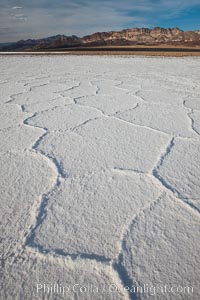
Salt polygons. After winter flooding, the salt on the Badwater Basin playa dries into geometric polygonal shapes.
Location: Badwater, Death Valley National Park, California
Image ID: 25242
Location: Badwater, Death Valley National Park, California
Image ID: 25242
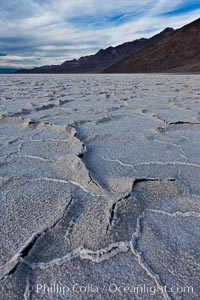
Salt polygons. After winter flooding, the salt on the Badwater Basin playa dries into geometric polygonal shapes.
Location: Badwater, Death Valley National Park, California
Image ID: 27631
Location: Badwater, Death Valley National Park, California
Image ID: 27631
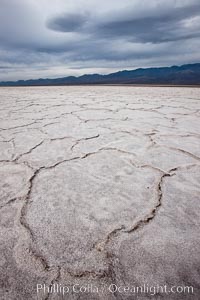
Salt polygons. After winter flooding, the salt on the Badwater Basin playa dries into geometric polygonal shapes.
Location: Badwater, Death Valley National Park, California
Image ID: 25254
Location: Badwater, Death Valley National Park, California
Image ID: 25254
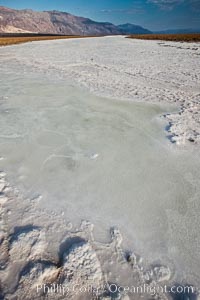
A river of salt flows across Death Valley, toward the lowest point in the United States at Badwater.
Location: Badwater, Death Valley National Park, California
Image ID: 25260
Location: Badwater, Death Valley National Park, California
Image ID: 25260
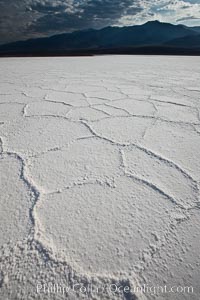
Salt polygons. After winter flooding, the salt on the Badwater Basin playa dries into geometric polygonal shapes.
Location: Badwater, Death Valley National Park, California
Image ID: 25262
Location: Badwater, Death Valley National Park, California
Image ID: 25262
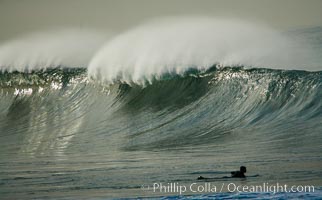
Salt Creek surf, pretty big day, winter, morning.
Location: Salt Creek, Laguna Niguel, California
Image ID: 14851
Location: Salt Creek, Laguna Niguel, California
Image ID: 14851
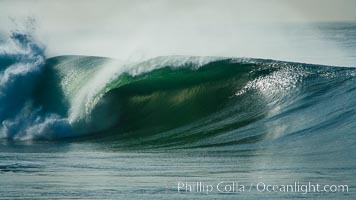
Salt Creek surf, pretty big day, winter, morning.
Location: Salt Creek, Laguna Niguel, California
Image ID: 14852
Location: Salt Creek, Laguna Niguel, California
Image ID: 14852

Panorama of the Minarets at sunrise, near Mammoth Mountain. The Minarets are a series of seventeen jagged peaks in the Ritter Range, west of Mammoth Mountain in the Ansel Adams Wilderness. These basalt peaks were carved by glaciers on both sides of the range. The highest of the Minarets stands 12,281 feet above sea level.
Location: Mammoth Lakes, California
Image ID: 19126
Panorama dimensions: 3249 x 29914
Location: Mammoth Lakes, California
Image ID: 19126
Panorama dimensions: 3249 x 29914
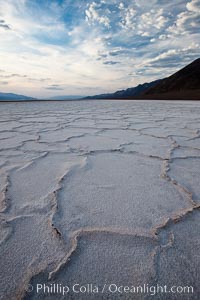
Salt polygons. After winter flooding, the salt on the Badwater Basin playa dries into geometric polygonal shapes.
Location: Badwater, Death Valley National Park, California
Image ID: 25259
Location: Badwater, Death Valley National Park, California
Image ID: 25259
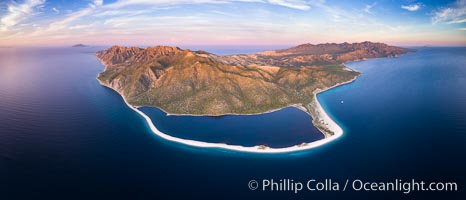
Natural Salt Lake on Isla San Jose, Aerial View, Sea of Cortez.
Location: Isla San Jose, Baja California, Mexico
Image ID: 33620
Panorama dimensions: 5379 x 12529
Location: Isla San Jose, Baja California, Mexico
Image ID: 33620
Panorama dimensions: 5379 x 12529
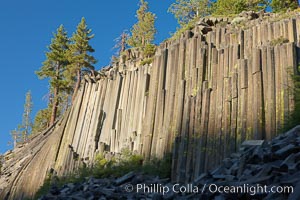
Devil's Postpile, a spectacular example of columnar basalt. Once molten and under great pressure underground, the lava that makes up Devil's Postpile cooled evenly and slowly, contracting and fracturing into polygonal-sided columns. The age of the formation is estimated between 100 and 700 thousand years old. Sometime after the basalt columns formed, a glacier passed over the formation, cutting and polishing the tops of the columns. The columns have from three to seven sides, varying because of differences in how quickly portions of the lava cooled.
Location: Devils Postpile National Monument, California
Image ID: 23266
Location: Devils Postpile National Monument, California
Image ID: 23266
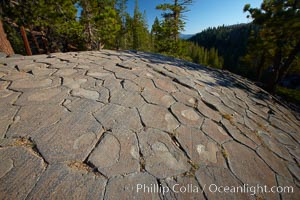
Devil's Postpile, a spectacular example of columnar basalt. Once molten and under great pressure underground, the lava that makes up Devil's Postpile cooled evenly and slowly, contracting and fracturing into polygonal-sided columns. The age of the formation is estimated between 100 and 700 thousand years old. Sometime after the basalt columns formed, a glacier passed over the formation, cutting and polishing the tops of the columns. The columns have from three to seven sides, varying because of differences in how quickly portions of the lava cooled.
Location: Devils Postpile National Monument, California
Image ID: 23267
Location: Devils Postpile National Monument, California
Image ID: 23267
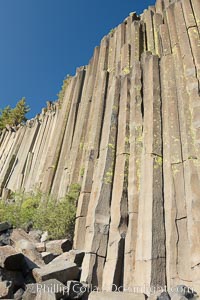
Devil's Postpile, a spectacular example of columnar basalt. Once molten and under great pressure underground, the lava that makes up Devil's Postpile cooled evenly and slowly, contracting and fracturing into polygonal-sided columns. The age of the formation is estimated between 100 and 700 thousand years old. Sometime after the basalt columns formed, a glacier passed over the formation, cutting and polishing the tops of the columns. The columns have from three to seven sides, varying because of differences in how quickly portions of the lava cooled.
Location: Devils Postpile National Monument, California
Image ID: 23285
Location: Devils Postpile National Monument, California
Image ID: 23285
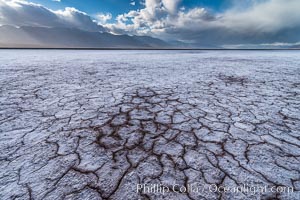
Erosion in the salt patterns of Badwater Playa, Death Valley National Park.
Location: Badwater, Death Valley National Park, California
Image ID: 30472
Location: Badwater, Death Valley National Park, California
Image ID: 30472
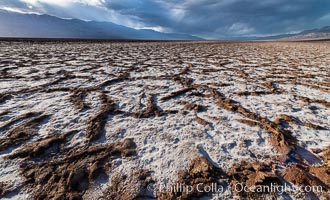
Erosion in the salt patterns of Badwater Playa, Death Valley National Park.
Location: Badwater, Death Valley National Park, California
Image ID: 30473
Location: Badwater, Death Valley National Park, California
Image ID: 30473
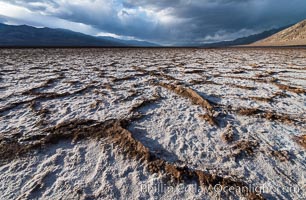
Erosion in the salt patterns of Badwater Playa, Death Valley National Park.
Location: Badwater, Death Valley National Park, California
Image ID: 30474
Location: Badwater, Death Valley National Park, California
Image ID: 30474
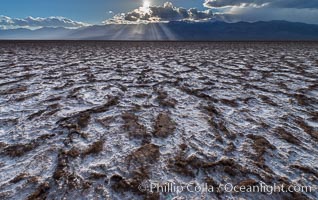
Erosion in the salt patterns of Badwater Playa, Death Valley National Park.
Location: Badwater, Death Valley National Park, California
Image ID: 30475
Location: Badwater, Death Valley National Park, California
Image ID: 30475
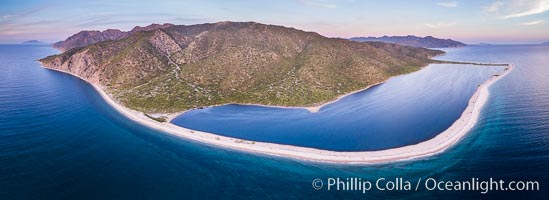
Natural Salt Lake on Isla San Jose, Aerial View, Sea of Cortez.
Location: Isla San Jose, Baja California, Mexico
Image ID: 33621
Panorama dimensions: 3966 x 10878
Location: Isla San Jose, Baja California, Mexico
Image ID: 33621
Panorama dimensions: 3966 x 10878
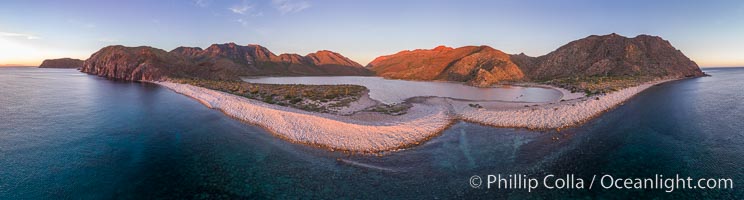
Salt Lake on Isla Espiritu Santo, Baja California, aerial view.
Location: Isla Espiritu Santo, Baja California, Mexico
Image ID: 33821
Panorama dimensions: 4761 x 17704
Location: Isla Espiritu Santo, Baja California, Mexico
Image ID: 33821
Panorama dimensions: 4761 x 17704
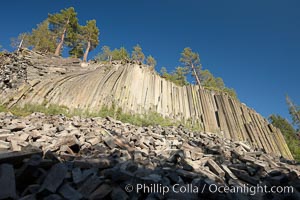
Devil's Postpile, a spectacular example of columnar basalt. Once molten and under great pressure underground, the lava that makes up Devil's Postpile cooled evenly and slowly, contracting and fracturing into polygonal-sided columns. The age of the formation is estimated between 100 and 700 thousand years old. Sometime after the basalt columns formed, a glacier passed over the formation, cutting and polishing the tops of the columns. The columns have from three to seven sides, varying because of differences in how quickly portions of the lava cooled.
Location: Devils Postpile National Monument, California
Image ID: 23281
Location: Devils Postpile National Monument, California
Image ID: 23281
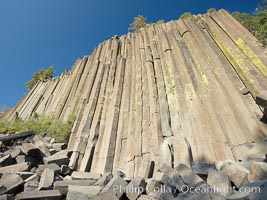
Devil's Postpile, a spectacular example of columnar basalt. Once molten and under great pressure underground, the lava that makes up Devil's Postpile cooled evenly and slowly, contracting and fracturing into polygonal-sided columns. The age of the formation is estimated between 100 and 700 thousand years old. Sometime after the basalt columns formed, a glacier passed over the formation, cutting and polishing the tops of the columns. The columns have from three to seven sides, varying because of differences in how quickly portions of the lava cooled.
Location: Devils Postpile National Monument, California
Image ID: 23282
Location: Devils Postpile National Monument, California
Image ID: 23282
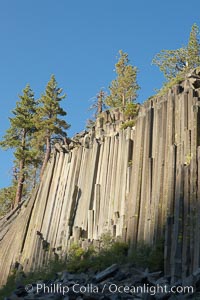
Devil's Postpile, a spectacular example of columnar basalt. Once molten and under great pressure underground, the lava that makes up Devil's Postpile cooled evenly and slowly, contracting and fracturing into polygonal-sided columns. The age of the formation is estimated between 100 and 700 thousand years old. Sometime after the basalt columns formed, a glacier passed over the formation, cutting and polishing the tops of the columns. The columns have from three to seven sides, varying because of differences in how quickly portions of the lava cooled.
Location: Devils Postpile National Monument, California
Image ID: 23283
Location: Devils Postpile National Monument, California
Image ID: 23283
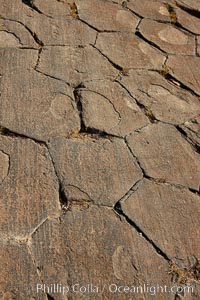
Devil's Postpile, a spectacular example of columnar basalt. Once molten and under great pressure underground, the lava that makes up Devil's Postpile cooled evenly and slowly, contracting and fracturing into polygonal-sided columns. The age of the formation is estimated between 100 and 700 thousand years old. Sometime after the basalt columns formed, a glacier passed over the formation, cutting and polishing the tops of the columns. The columns have from three to seven sides, varying because of differences in how quickly portions of the lava cooled.
Location: Devils Postpile National Monument, California
Image ID: 23284
Location: Devils Postpile National Monument, California
Image ID: 23284
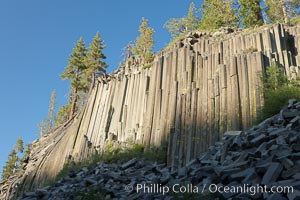
Devil's Postpile, a spectacular example of columnar basalt. Once molten and under great pressure underground, the lava that makes up Devil's Postpile cooled evenly and slowly, contracting and fracturing into polygonal-sided columns. The age of the formation is estimated between 100 and 700 thousand years old. Sometime after the basalt columns formed, a glacier passed over the formation, cutting and polishing the tops of the columns. The columns have from three to seven sides, varying because of differences in how quickly portions of the lava cooled.
Location: Devils Postpile National Monument, California
Image ID: 23286
Location: Devils Postpile National Monument, California
Image ID: 23286
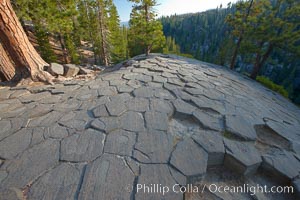
Devil's Postpile, a spectacular example of columnar basalt. Once molten and under great pressure underground, the lava that makes up Devil's Postpile cooled evenly and slowly, contracting and fracturing into polygonal-sided columns. The age of the formation is estimated between 100 and 700 thousand years old. Sometime after the basalt columns formed, a glacier passed over the formation, cutting and polishing the tops of the columns. The columns have from three to seven sides, varying because of differences in how quickly portions of the lava cooled.
Location: Devils Postpile National Monument, California
Image ID: 23287
Location: Devils Postpile National Monument, California
Image ID: 23287
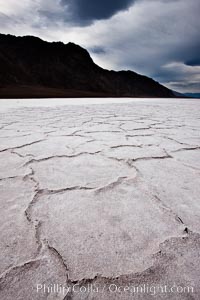
Salt polygons. After winter flooding, the salt on the Badwater Basin playa dries into geometric polygonal shapes.
Location: Badwater, Death Valley National Park, California
Image ID: 25293
Location: Badwater, Death Valley National Park, California
Image ID: 25293
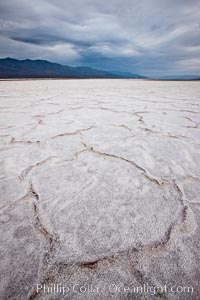
Salt polygons. After winter flooding, the salt on the Badwater Basin playa dries into geometric polygonal shapes.
Location: Badwater, Death Valley National Park, California
Image ID: 25294
Location: Badwater, Death Valley National Park, California
Image ID: 25294
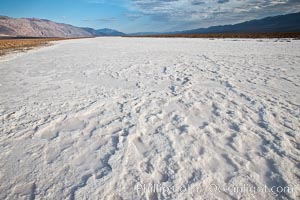
A river of salt flows across Death Valley, toward the lowest point in the United States at Badwater.
Location: Badwater, Death Valley National Park, California
Image ID: 25300
Location: Badwater, Death Valley National Park, California
Image ID: 25300
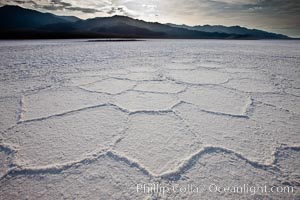
Salt polygons. After winter flooding, the salt on the Badwater Basin playa dries into geometric polygonal shapes.
Location: Badwater, Death Valley National Park, California
Image ID: 25303
Location: Badwater, Death Valley National Park, California
Image ID: 25303
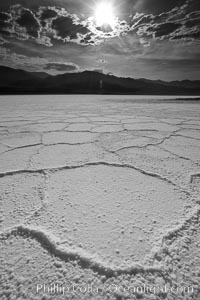
Salt polygons. After winter flooding, the salt on the Badwater Basin playa dries into geometric polygonal shapes.
Location: Badwater, Death Valley National Park, California
Image ID: 25304
Location: Badwater, Death Valley National Park, California
Image ID: 25304