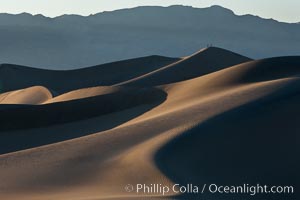
Tiny hikers atop Sand Dunes in Death Valley National Park, California. Near Stovepipe Wells lies a region of sand dunes, some of them hundreds of feet tall.
Location: Stovepipe Wells, Death Valley National Park, California
Image ID: 15577
Location: Stovepipe Wells, Death Valley National Park, California
Image ID: 15577
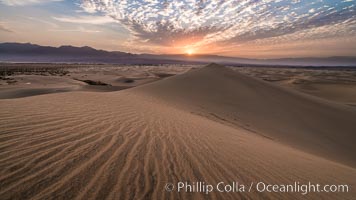
Mesquite Dunes sunrise, dawn, clouds and morning sky, sand dunes.
Location: Stovepipe Wells, Death Valley National Park, California
Image ID: 28689
Location: Stovepipe Wells, Death Valley National Park, California
Image ID: 28689
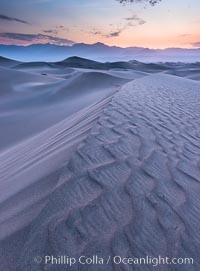
Mesquite Dunes sunrise, dawn, clouds and morning sky, sand dunes.
Location: Stovepipe Wells, Death Valley National Park, California
Image ID: 28680
Location: Stovepipe Wells, Death Valley National Park, California
Image ID: 28680
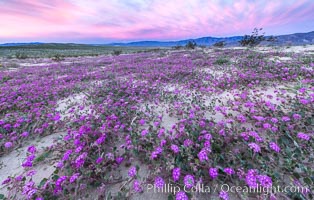
Sand verbena wildflowers on sand dunes, Anza-Borrego Desert State Park.
Species: Sand verbena, Abronia villosa
Location: Anza-Borrego Desert State Park, Borrego Springs, California
Image ID: 35115
Species: Sand verbena, Abronia villosa
Location: Anza-Borrego Desert State Park, Borrego Springs, California
Image ID: 35115
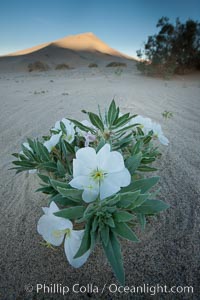
Eureka Valley Dune Evening Primrose. A federally endangered plant, Oenothera californica eurekensis is a perennial herb that produces white flowers from April to June. These flowers turn red as they age. The Eureka Dunes evening-primrose is found only in the southern portion of Eureka Valley Sand Dunes system in Indigo County, California.
Species: Eureka valley dune evening primrose, Oenothera californica eurekensis, Oenothera deltoides
Location: Eureka Dunes, Death Valley National Park, California
Image ID: 25237
Species: Eureka valley dune evening primrose, Oenothera californica eurekensis, Oenothera deltoides
Location: Eureka Dunes, Death Valley National Park, California
Image ID: 25237

Panorama of the Wave. The Wave is a sweeping, dramatic display of eroded sandstone, forged by eons of water and wind erosion, laying bare striations formed from compacted sand dunes over millenia. This panoramic picture is formed from thirteen individual photographs.
Location: North Coyote Buttes, Paria Canyon-Vermilion Cliffs Wilderness, Arizona
Image ID: 20700
Panorama dimensions: 4661 x 25458
Location: North Coyote Buttes, Paria Canyon-Vermilion Cliffs Wilderness, Arizona
Image ID: 20700
Panorama dimensions: 4661 x 25458
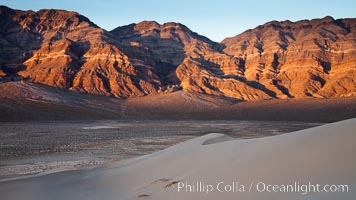
Sunset on the Last Chance Mountain Range, seen from Eureka Valley Sand Dunes.
Location: Eureka Dunes, Death Valley National Park, California
Image ID: 25238
Location: Eureka Dunes, Death Valley National Park, California
Image ID: 25238
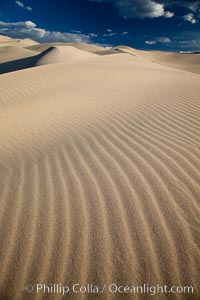
Eureka Dunes. The Eureka Valley Sand Dunes are California's tallest sand dunes, and one of the tallest in the United States. Rising 680' above the floor of the Eureka Valley, the Eureka sand dunes are home to several endangered species, as well as "singing sand" that makes strange sounds when it shifts. Located in the remote northern portion of Death Valley National Park, the Eureka Dunes see very few visitors.
Location: Eureka Dunes, Death Valley National Park, California
Image ID: 25250
Location: Eureka Dunes, Death Valley National Park, California
Image ID: 25250
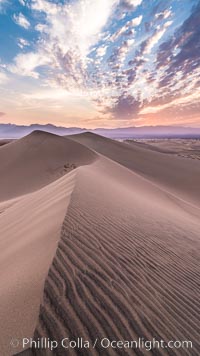
Mesquite Dunes sunrise, dawn, clouds and morning sky, sand dunes.
Location: Stovepipe Wells, Death Valley National Park, California
Image ID: 28688
Location: Stovepipe Wells, Death Valley National Park, California
Image ID: 28688
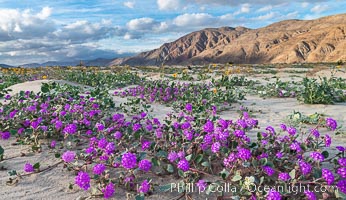
Sand verbena wildflowers on sand dunes, Anza-Borrego Desert State Park.
Species: Sand verbena, Abronia villosa
Location: Anza-Borrego Desert State Park, Borrego Springs, California
Image ID: 30495
Species: Sand verbena, Abronia villosa
Location: Anza-Borrego Desert State Park, Borrego Springs, California
Image ID: 30495
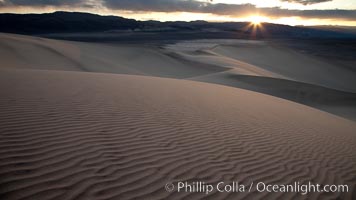
Sunset on the Eureka Dunes. The Eureka Valley Sand Dunes are California's tallest sand dunes, and one of the tallest in the United States. Rising 680' above the floor of the Eureka Valley, the Eureka sand dunes are home to several endangered species, as well as "singing sand" that makes strange sounds when it shifts. Located in the remote northern portion of Death Valley National Park, the Eureka Dunes see very few visitors.
Location: Eureka Dunes, Death Valley National Park, California
Image ID: 25240
Location: Eureka Dunes, Death Valley National Park, California
Image ID: 25240
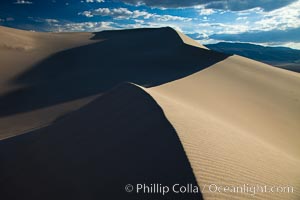
Eureka Dunes. The Eureka Valley Sand Dunes are California's tallest sand dunes, and one of the tallest in the United States. Rising 680' above the floor of the Eureka Valley, the Eureka sand dunes are home to several endangered species, as well as "singing sand" that makes strange sounds when it shifts. Located in the remote northern portion of Death Valley National Park, the Eureka Dunes see very few visitors.
Location: Eureka Dunes, Death Valley National Park, California
Image ID: 25241
Location: Eureka Dunes, Death Valley National Park, California
Image ID: 25241
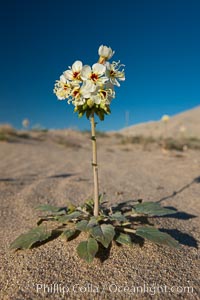
Spring wildflower blooms on the Eureka sand dunes.
Location: Eureka Dunes, Death Valley National Park, California
Image ID: 25245
Location: Eureka Dunes, Death Valley National Park, California
Image ID: 25245
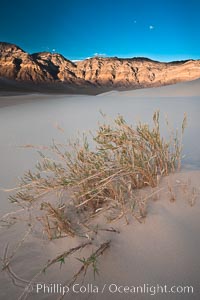
Eureka dune grass, and rare and federally endangered species of grass endemic to the Eureka Valley and Eureka Sand Dunes. The Last Chance mountains, lit by sunset, as visible in the distance. Swallenia alexandrae, a perennial grass, grows only in the southern portion of Eureka Valley Sand Dunes, in Inyo County, California.
Species: Eureka dunegrass, Eureka valley dune grass, Swallenia alexandrae
Location: Eureka Dunes, Death Valley National Park, California
Image ID: 25358
Species: Eureka dunegrass, Eureka valley dune grass, Swallenia alexandrae
Location: Eureka Dunes, Death Valley National Park, California
Image ID: 25358
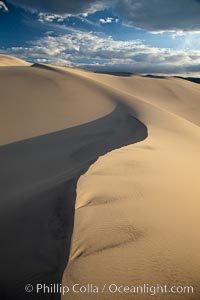
Eureka Dunes. The Eureka Valley Sand Dunes are California's tallest sand dunes, and one of the tallest in the United States. Rising 680' above the floor of the Eureka Valley, the Eureka sand dunes are home to several endangered species, as well as "singing sand" that makes strange sounds when it shifts. Located in the remote northern portion of Death Valley National Park, the Eureka Dunes see very few visitors.
Location: Eureka Dunes, Death Valley National Park, California
Image ID: 25249
Location: Eureka Dunes, Death Valley National Park, California
Image ID: 25249
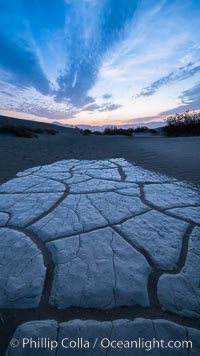
Hardened mud playa and sand dunes, dawn, Mesquite dunes.
Location: Stovepipe Wells, Death Valley National Park, California
Image ID: 28679
Location: Stovepipe Wells, Death Valley National Park, California
Image ID: 28679
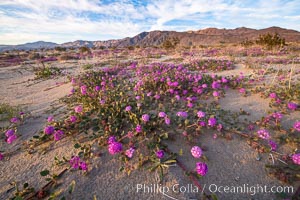
Sand verbena wildflowers on sand dunes, Anza-Borrego Desert State Park.
Species: Sand verbena, Abronia villosa
Location: Anza-Borrego Desert State Park, Borrego Springs, California
Image ID: 35114
Species: Sand verbena, Abronia villosa
Location: Anza-Borrego Desert State Park, Borrego Springs, California
Image ID: 35114
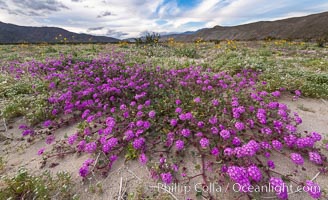
Sand verbena wildflowers on sand dunes, Anza-Borrego Desert State Park.
Species: Sand verbena, Abronia villosa
Location: Anza-Borrego Desert State Park, Borrego Springs, California
Image ID: 35171
Species: Sand verbena, Abronia villosa
Location: Anza-Borrego Desert State Park, Borrego Springs, California
Image ID: 35171
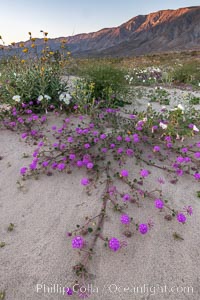
Sand verbena wildflowers on sand dunes, Anza-Borrego Desert State Park.
Species: Sand verbena, Abronia villosa
Location: Anza-Borrego Desert State Park, Borrego Springs, California
Image ID: 35205
Species: Sand verbena, Abronia villosa
Location: Anza-Borrego Desert State Park, Borrego Springs, California
Image ID: 35205
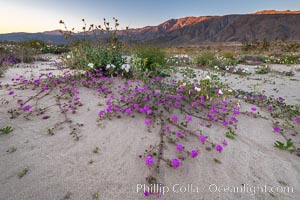
Sand verbena wildflowers on sand dunes, Anza-Borrego Desert State Park.
Species: Sand verbena, Abronia villosa
Location: Anza-Borrego Desert State Park, Borrego Springs, California
Image ID: 35206
Species: Sand verbena, Abronia villosa
Location: Anza-Borrego Desert State Park, Borrego Springs, California
Image ID: 35206
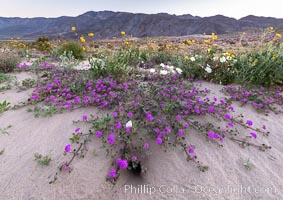
Sand verbena wildflowers on sand dunes, Anza-Borrego Desert State Park.
Species: Sand verbena, Abronia villosa
Location: Anza-Borrego Desert State Park, Borrego Springs, California
Image ID: 35219
Species: Sand verbena, Abronia villosa
Location: Anza-Borrego Desert State Park, Borrego Springs, California
Image ID: 35219
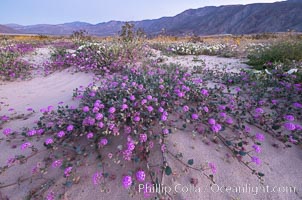
Sand verbena wildflowers on sand dunes, Anza-Borrego Desert State Park.
Species: Dune evening primrose, Sand verbena, Abronia villosa, Oenothera deltoides
Location: Anza-Borrego Desert State Park, Borrego Springs, California
Image ID: 35221
Species: Dune evening primrose, Sand verbena, Abronia villosa, Oenothera deltoides
Location: Anza-Borrego Desert State Park, Borrego Springs, California
Image ID: 35221
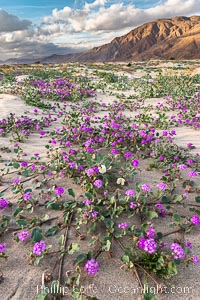
Sand verbena wildflowers on sand dunes, Anza-Borrego Desert State Park.
Species: Dune evening primrose, Sand verbena, Abronia villosa, Oenothera deltoides
Location: Anza-Borrego Desert State Park, Borrego Springs, California
Image ID: 30496
Species: Dune evening primrose, Sand verbena, Abronia villosa, Oenothera deltoides
Location: Anza-Borrego Desert State Park, Borrego Springs, California
Image ID: 30496
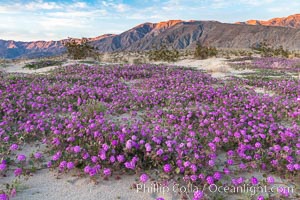
Sand verbena wildflowers on sand dunes, Anza-Borrego Desert State Park.
Species: Dune evening primrose, Sand verbena, Abronia villosa, Oenothera deltoides
Location: Anza-Borrego Desert State Park, Borrego Springs, California
Image ID: 35113
Species: Dune evening primrose, Sand verbena, Abronia villosa, Oenothera deltoides
Location: Anza-Borrego Desert State Park, Borrego Springs, California
Image ID: 35113
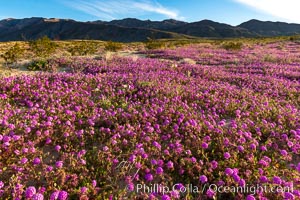
Sand verbena wildflowers on sand dunes, Anza-Borrego Desert State Park.
Species: Sand verbena, Abronia villosa
Location: Anza-Borrego Desert State Park, Borrego Springs, California
Image ID: 35166
Species: Sand verbena, Abronia villosa
Location: Anza-Borrego Desert State Park, Borrego Springs, California
Image ID: 35166
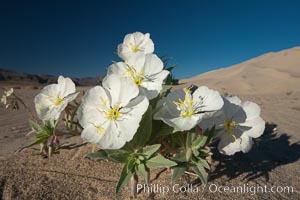
Eureka Valley Dune Evening Primrose. A federally endangered plant, Oenothera californica eurekensis is a perennial herb that produces white flowers from April to June. These flowers turn red as they age. The Eureka Dunes evening-primrose is found only in the southern portion of Eureka Valley Sand Dunes system in Indigo County, California.
Species: Eureka valley dune evening primrose, Oenothera californica eurekensis, Oenothera deltoides
Location: Eureka Dunes, Death Valley National Park, California
Image ID: 25267
Species: Eureka valley dune evening primrose, Oenothera californica eurekensis, Oenothera deltoides
Location: Eureka Dunes, Death Valley National Park, California
Image ID: 25267
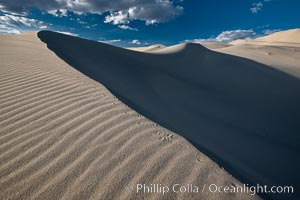
Eureka Dunes. The Eureka Valley Sand Dunes are California's tallest sand dunes, and one of the tallest in the United States. Rising 680' above the floor of the Eureka Valley, the Eureka sand dunes are home to several endangered species, as well as "singing sand" that makes strange sounds when it shifts. Located in the remote northern portion of Death Valley National Park, the Eureka Dunes see very few visitors.
Location: Eureka Dunes, Death Valley National Park, California
Image ID: 25274
Location: Eureka Dunes, Death Valley National Park, California
Image ID: 25274
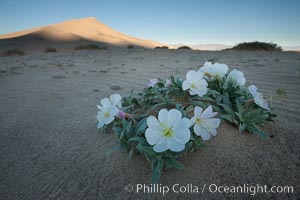
Eureka Valley Dune Evening Primrose. A federally endangered plant, Oenothera californica eurekensis is a perennial herb that produces white flowers from April to June. These flowers turn red as they age. The Eureka Dunes evening-primrose is found only in the southern portion of Eureka Valley Sand Dunes system in Indigo County, California.
Species: Eureka valley dune evening primrose, Oenothera californica eurekensis, Oenothera deltoides
Location: Eureka Dunes, Death Valley National Park, California
Image ID: 25343
Species: Eureka valley dune evening primrose, Oenothera californica eurekensis, Oenothera deltoides
Location: Eureka Dunes, Death Valley National Park, California
Image ID: 25343
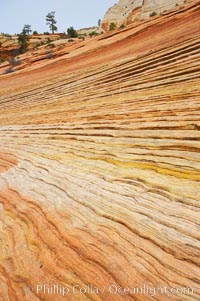
Navajo sandstone forms the cliffs and walls of Zion National Park. The sandstone reaches a thickness of 2300 feet and consists of ancient cemented desert sand dunes. Horizontal lines, commonly called crossbedding, represent layers of wind-blown sand that built up into sand dunes. These dunes were then buried, and the sand grains glued together by calcite and iron oxide to form sandstone.
Location: Zion National Park, Utah
Image ID: 12519
Location: Zion National Park, Utah
Image ID: 12519
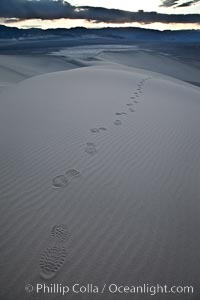
Footprints in the sand, Eureka Dunes. The Eureka Valley Sand Dunes are California's tallest sand dunes, and one of the tallest in the United States. Rising 680' above the floor of the Eureka Valley, the Eureka sand dunes are home to several endangered species, as well as "singing sand" that makes strange sounds when it shifts. Located in the remote northern portion of Death Valley National Park, the Eureka Dunes see very few visitors.
Location: Eureka Dunes, Death Valley National Park, California
Image ID: 25271
Location: Eureka Dunes, Death Valley National Park, California
Image ID: 25271