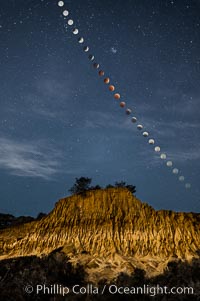
Lunar Eclipse Sequence Over Broken Hill, Torrey Pines State Reserve. While the moon lies in the full shadow of the earth (umbra) it receives only faint, red-tinged light refracted through the Earth's atmosphere. As the moon passes into the penumbra it receives increasing amounts of direct sunlight, eventually leaving the shadow of the Earth altogether. October 8, 2014.
Location: Torrey Pines State Reserve, San Diego, California
Image ID: 29412
Location: Torrey Pines State Reserve, San Diego, California
Image ID: 29412
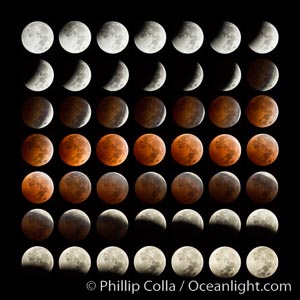
Lunar eclipse sequence. While the moon lies in the full shadow of the earth (umbra) it receives only faint, red-tinged light refracted through the Earth's atmosphere. As the moon passes into the penumbra it receives increasing amounts of direct sunlight, eventually leaving the shadow of the Earth altogether. October 8, 2014.
Image ID: 29411
Panorama dimensions: 8000 x 8000
Image ID: 29411
Panorama dimensions: 8000 x 8000
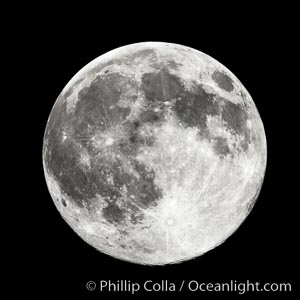
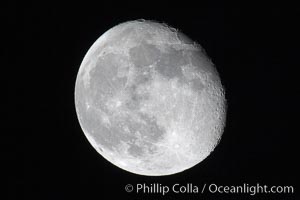
The Moon. Full Moon.
Location: Earth Orbit, Solar System, Milky Way Galaxy, The Universe
Image ID: 26047
Location: Earth Orbit, Solar System, Milky Way Galaxy, The Universe
Image ID: 26047
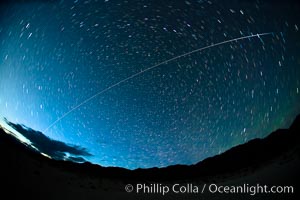
International Space Station flys over Death Valley shortly after sunset.
Location: Earth Orbit, Solar System, Milky Way Galaxy, The Universe
Image ID: 25247
Location: Earth Orbit, Solar System, Milky Way Galaxy, The Universe
Image ID: 25247
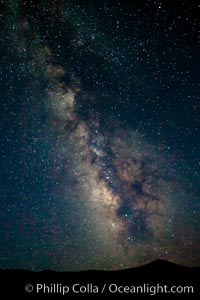
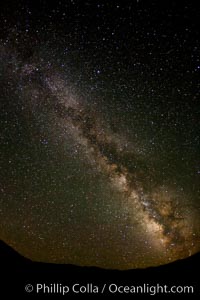
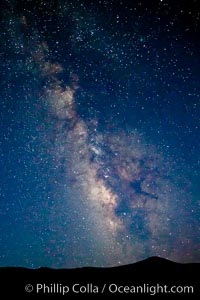
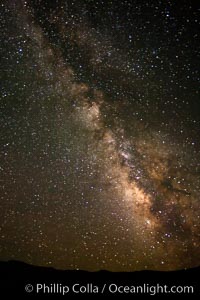
The Galactic Center of the Milky Way galaxy rises in the sky on a clear night.
Location: Milky Way Galaxy, The Universe
Image ID: 25246
Location: Milky Way Galaxy, The Universe
Image ID: 25246
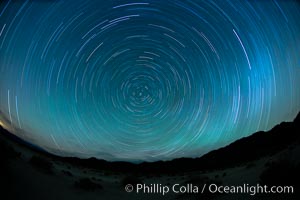
Star trails, rotating around the North Star (Polaris), seen from Death Valley.
Location: Milky Way Galaxy, The Universe
Image ID: 25270
Location: Milky Way Galaxy, The Universe
Image ID: 25270
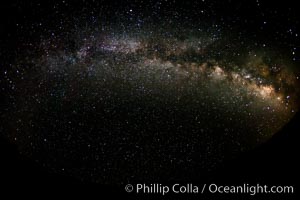

Lunar eclipse sequence, showing total eclipse (left) through full moon (right). While the moon lies in the full shadow of the earth (umbra) it receives only faint, red-tinged light refracted through the Earth's atmosphere. As the moon passes into the penumbra it receives increasing amounts of direct sunlight, eventually leaving the shadow of the Earth altogether. August 28, 2007.
Location: Earth Orbit, Solar System, Milky Way Galaxy, The Universe
Image ID: 19391
Panorama dimensions: 1826 x 14162
Location: Earth Orbit, Solar System, Milky Way Galaxy, The Universe
Image ID: 19391
Panorama dimensions: 1826 x 14162
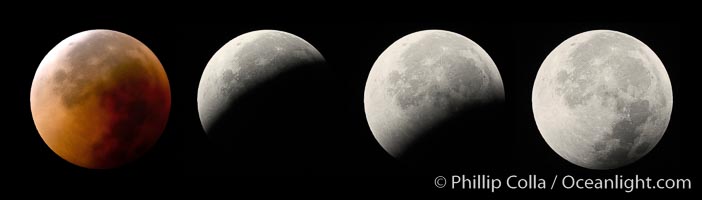
Lunar eclipse sequence, showing total eclipse (left) through full moon (right). While the moon lies in the full shadow of the earth (umbra) it receives only faint, red-tinged light refracted through the Earth's atmosphere. As the moon passes into the penumbra it receives increasing amounts of direct sunlight, eventually leaving the shadow of the Earth altogether. August 28, 2007.
Location: Earth Orbit, Solar System, Milky Way Galaxy, The Universe
Image ID: 19392
Panorama dimensions: 1835 x 6442
Location: Earth Orbit, Solar System, Milky Way Galaxy, The Universe
Image ID: 19392
Panorama dimensions: 1835 x 6442
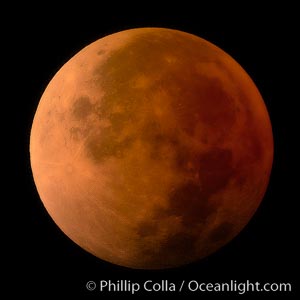
Blood red moon. During total eclipse the moon lies in the full shadow of the earth (umbra) and receives only faint, red-tinged light -- sunlight which is refracted through the thin layer of smoke- and haze-filled air that is Earth's atmosphere. August 28, 2007.
Location: Earth Orbit, Solar System, Milky Way Galaxy, The Universe
Image ID: 19450
Location: Earth Orbit, Solar System, Milky Way Galaxy, The Universe
Image ID: 19450
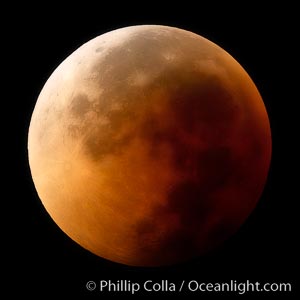
Blood red moon. During total eclipse the moon lies in the full shadow of the earth (umbra) and receives only faint, red-tinged light -- sunlight which is refracted through the thin layer of smoke- and haze-filled air that is Earth's atmosphere. August 28, 2007.
Location: Earth Orbit, Solar System, Milky Way Galaxy, The Universe
Image ID: 19451
Location: Earth Orbit, Solar System, Milky Way Galaxy, The Universe
Image ID: 19451