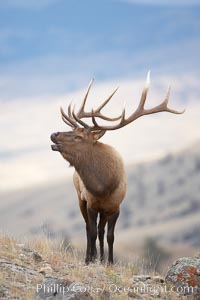
Male elk bugling during the fall rut. Large male elk are known as bulls. Male elk have large antlers which are shed each year. Male elk engage in competitive mating behaviors during the rut, including posturing, antler wrestling and bugling, a loud series of screams which is intended to establish dominance over other males and attract females.
Species: Elk, Cervus canadensis
Location: Mammoth Hot Springs, Yellowstone National Park, Wyoming
Image ID: 19693
Species: Elk, Cervus canadensis
Location: Mammoth Hot Springs, Yellowstone National Park, Wyoming
Image ID: 19693
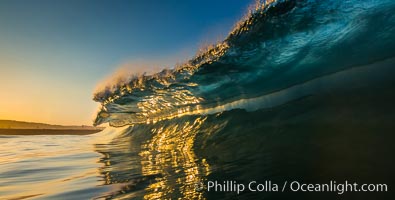
Sunrise glints yellow on breaking wave, dawn surf.
Location: The Wedge, Newport Beach, California
Image ID: 27977
Location: The Wedge, Newport Beach, California
Image ID: 27977
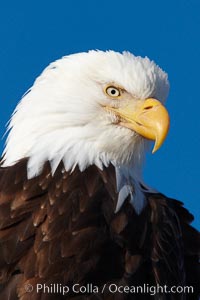
Bald eagle, closeup of head and shoulders showing distinctive white head feathers, yellow beak and brown body and wings.
Species: Bald eagle, Haliaeetus leucocephalus, Haliaeetus leucocephalus washingtoniensis
Location: Kachemak Bay, Homer, Alaska
Image ID: 22582
Species: Bald eagle, Haliaeetus leucocephalus, Haliaeetus leucocephalus washingtoniensis
Location: Kachemak Bay, Homer, Alaska
Image ID: 22582
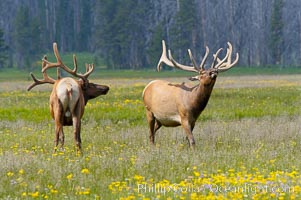
Bull elk spar to establish harems of females, Gibbon Meadow.
Species: Elk, Cervus canadensis
Location: Gibbon Meadows, Yellowstone National Park, Wyoming
Image ID: 13151
Species: Elk, Cervus canadensis
Location: Gibbon Meadows, Yellowstone National Park, Wyoming
Image ID: 13151
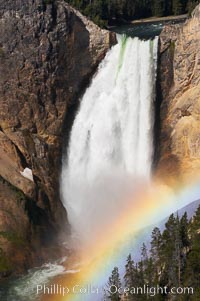
A rainbow appears in the mist of the Lower Falls of the Yellowstone River. At 308 feet, the Lower Falls of the Yellowstone River is the tallest fall in the park. This view is from Lookout Point on the North side of the Grand Canyon of the Yellowstone. When conditions are perfect in midsummer, a midmorning rainbow briefly appears in the falls.
Location: Grand Canyon of the Yellowstone, Yellowstone National Park, Wyoming
Image ID: 13319
Location: Grand Canyon of the Yellowstone, Yellowstone National Park, Wyoming
Image ID: 13319
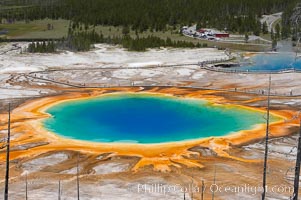
Grand Prismatic Spring (left) and Excelsior Geyser (right). Grand Prismatic Spring displays a stunning rainbow of colors created by species of thermophilac (heat-loving) bacteria that thrive in narrow temperature ranges. The blue water in the center is too hot to support any bacterial life, while the outer orange rings are the coolest water. Grand Prismatic Spring is the largest spring in the United States and the third-largest in the world. Midway Geyser Basin.
Location: Midway Geyser Basin, Yellowstone National Park, Wyoming
Image ID: 13571
Location: Midway Geyser Basin, Yellowstone National Park, Wyoming
Image ID: 13571
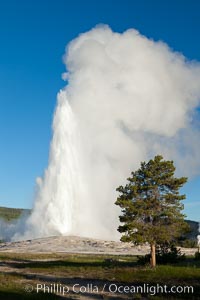
Old Faithful geyser, sunrise. Reaching up to 185' in height and lasting up to 5 minutes, Old Faithful geyser is the most famous geyser in the world and the first geyser in Yellowstone to be named.
Location: Upper Geyser Basin, Yellowstone National Park, Wyoming
Image ID: 26939
Location: Upper Geyser Basin, Yellowstone National Park, Wyoming
Image ID: 26939
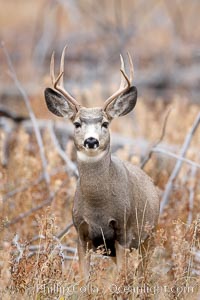
Mule deer in tall grass, fall, autumn.
Species: Mule deer, Odocoileus hemionus
Location: Yellowstone National Park, Wyoming
Image ID: 19577
Species: Mule deer, Odocoileus hemionus
Location: Yellowstone National Park, Wyoming
Image ID: 19577
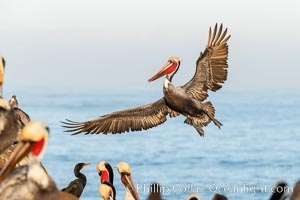
California brown pelican in flight, spreading wings wide to slow in anticipation of landing on seacliffs. Note the classic winter breeding plumage, with bright red throat, yellow and white head and neck, and brown hind neck. Other pelicans and cormorants at the periphery of the image hint at how crowded the cliff is with other birds.
Species: Brown Pelican, Pelecanus occidentalis, Pelecanus occidentalis californicus
Location: La Jolla, California
Image ID: 36679
Species: Brown Pelican, Pelecanus occidentalis, Pelecanus occidentalis californicus
Location: La Jolla, California
Image ID: 36679
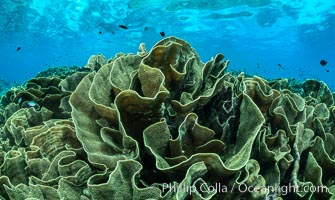
Spectacular display of pristine cabbage coral, Turbinaria reniformis, in Nigali Pass on Gao Island, Fiji.
Species: Cabbage coral, Turbinaria reniformis
Location: Nigali Passage, Gau Island, Lomaiviti Archipelago, Fiji
Image ID: 34714
Species: Cabbage coral, Turbinaria reniformis
Location: Nigali Passage, Gau Island, Lomaiviti Archipelago, Fiji
Image ID: 34714
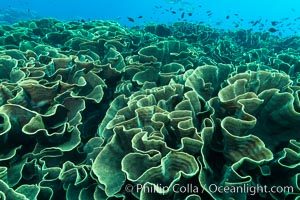
Spectacular display of pristine cabbage coral, Turbinaria reniformis, in Nigali Pass on Gao Island, Fiji.
Species: Cabbage coral, Tubinaria reniformis, Cabbage coral, Turbinaria reniformis
Location: Nigali Passage, Gau Island, Lomaiviti Archipelago, Fiji
Image ID: 31314
Species: Cabbage coral, Tubinaria reniformis, Cabbage coral, Turbinaria reniformis
Location: Nigali Passage, Gau Island, Lomaiviti Archipelago, Fiji
Image ID: 31314
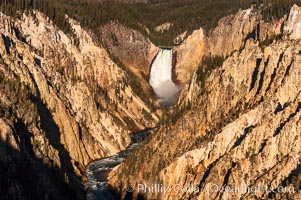
Lower Falls of the Yellowstone River. At 308 feet, the Lower Falls of the Yellowstone River is the tallest fall in the park. This view is from the famous and popular Artist Point on the south side of the Grand Canyon of the Yellowstone.
Location: Grand Canyon of the Yellowstone, Yellowstone National Park, Wyoming
Image ID: 07769
Location: Grand Canyon of the Yellowstone, Yellowstone National Park, Wyoming
Image ID: 07769
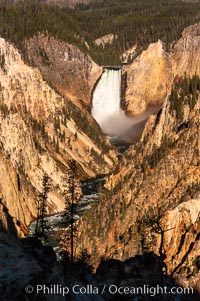
Lower Falls of the Yellowstone River. At 308 feet, the Lower Falls of the Yellowstone River is the tallest fall in the park. This view is from the famous and popular Artist Point on the south side of the Grand Canyon of the Yellowstone.
Location: Grand Canyon of the Yellowstone, Yellowstone National Park, Wyoming
Image ID: 07770
Location: Grand Canyon of the Yellowstone, Yellowstone National Park, Wyoming
Image ID: 07770
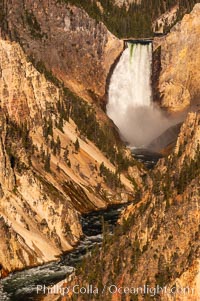
Lower Falls of the Yellowstone River. At 308 feet, the Lower Falls of the Yellowstone River is the tallest fall in the park. This view is from the famous and popular Artist Point on the south side of the Grand Canyon of the Yellowstone.
Location: Grand Canyon of the Yellowstone, Yellowstone National Park, Wyoming
Image ID: 07771
Location: Grand Canyon of the Yellowstone, Yellowstone National Park, Wyoming
Image ID: 07771
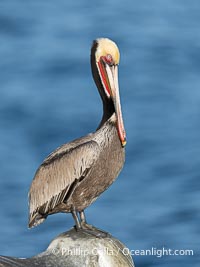
Perfect California brown pelican breeding plumage portrait, with brown hind neck, yellow head and bright red throat, perched on rock over the Pacific Ocean in La Jolla.
Species: Brown Pelican, Pelecanus occidentalis, Pelecanus occidentalis californicus
Location: La Jolla, California
Image ID: 40240
Species: Brown Pelican, Pelecanus occidentalis, Pelecanus occidentalis californicus
Location: La Jolla, California
Image ID: 40240
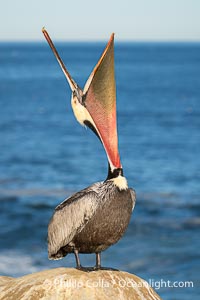
A perfect Brown Pelican Head Throw with Distant Ocean in Background, bending over backwards, stretching its neck and gular pouch. Note the winter breeding plumage, yellow head, red and olive throat, pink skin around the eye, brown hind neck with some white neck side detail, gray breast and body.
Species: Brown Pelican, Pelecanus occidentalis, Pelecanus occidentalis californicus
Location: La Jolla, California
Image ID: 39873
Species: Brown Pelican, Pelecanus occidentalis, Pelecanus occidentalis californicus
Location: La Jolla, California
Image ID: 39873
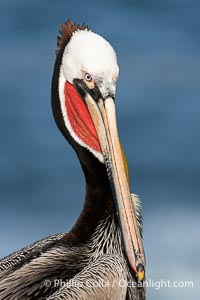
White headed morph of a California brown pelican in breeding plumage portrait, with brown hind neck and bright red throat but lacking yellow head.
Species: Brown pelican, Pelecanus occidentalis californicus, Pelecanus occidentalis
Location: La Jolla, California
Image ID: 40111
Species: Brown pelican, Pelecanus occidentalis californicus, Pelecanus occidentalis
Location: La Jolla, California
Image ID: 40111
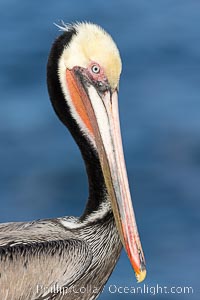
California brown pelican breeding plumage portrait, with brown hind neck, yellow head and bright red throat.
Species: Brown Pelican, Pelecanus occidentalis, Pelecanus occidentalis californicus
Location: La Jolla, California
Image ID: 38835
Species: Brown Pelican, Pelecanus occidentalis, Pelecanus occidentalis californicus
Location: La Jolla, California
Image ID: 38835
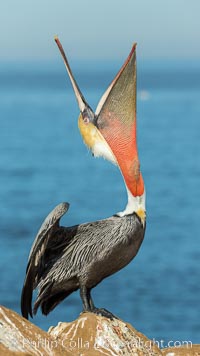
California Brown Pelican head throw, stretching its throat to keep it flexible and healthy. Note the winter mating plumage, olive and red throat, yellow head.
Species: Brown Pelican, Pelecanus occidentalis, Pelecanus occidentalis californicus
Location: La Jolla, California
Image ID: 30336
Species: Brown Pelican, Pelecanus occidentalis, Pelecanus occidentalis californicus
Location: La Jolla, California
Image ID: 30336
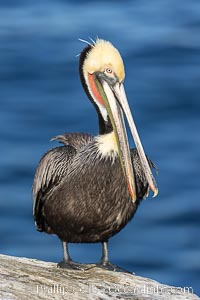
California brown pelican winter breeding plumage portrait, this adult is gently clapping its jaws, showing brown hind neck with yellow head, red and olive throat pouch, white with yellow chevron on the breast.
Species: Brown Pelican, Pelecanus occidentalis, Pelecanus occidentalis californicus
Location: La Jolla, California
Image ID: 38692
Species: Brown Pelican, Pelecanus occidentalis, Pelecanus occidentalis californicus
Location: La Jolla, California
Image ID: 38692
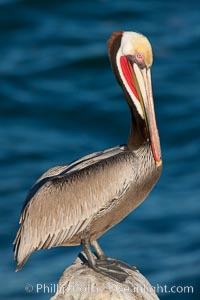
California brown pelican, showing characteristic winter plumage including red/olive throat, brown hindneck, yellow and white head colors.
Species: Brown Pelican, Pelecanus occidentalis, Pelecanus occidentalis californicus
Location: La Jolla, California
Image ID: 26462
Species: Brown Pelican, Pelecanus occidentalis, Pelecanus occidentalis californicus
Location: La Jolla, California
Image ID: 26462
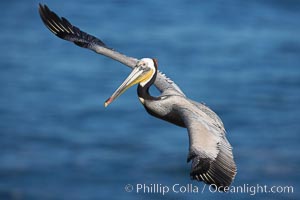
Yellow morph of the California brown pelican in flight. The wingspan of the brown pelican is over 7 feet wide. The California race of the brown pelican holds endangered species status. In winter months, breeding adults assume a dramatic plumage.
Species: Brown Pelican, Pelecanus occidentalis, Pelecanus occidentalis californicus
Location: La Jolla, California
Image ID: 15371
Species: Brown Pelican, Pelecanus occidentalis, Pelecanus occidentalis californicus
Location: La Jolla, California
Image ID: 15371
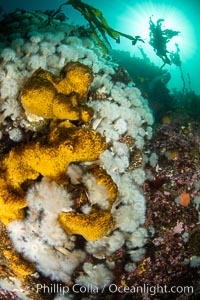
Yellow sulphur sponge and white metridium anemones, on a cold water reef teeming with invertebrate life. Browning Pass, Vancouver Island.
Species: Bread crumb sponge, Plumose anemone, Halichondria panicea, Metridium senile
Location: British Columbia, Canada
Image ID: 35280
Species: Bread crumb sponge, Plumose anemone, Halichondria panicea, Metridium senile
Location: British Columbia, Canada
Image ID: 35280
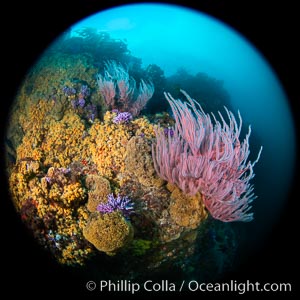
Red gorgonian Leptogorgia chilensis, purple hydrocoral Stylaster californicus, and yellow zoanthid anemone Epizoanthus giveni, at Farnsworth Banks, Catalina Island.
Species: Red gorgonian, Hydrocoral, Givens Zoanthid, Leptogorgia chilensis, Lophogorgia chilensis, Allopora californica, Stylaster californicus, Epizoanthus giveni
Location: Catalina Island, California
Image ID: 37251
Species: Red gorgonian, Hydrocoral, Givens Zoanthid, Leptogorgia chilensis, Lophogorgia chilensis, Allopora californica, Stylaster californicus, Epizoanthus giveni
Location: Catalina Island, California
Image ID: 37251
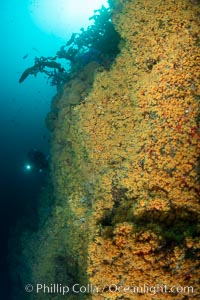
The rare yellow zoanthid anemone Epizoanthus giveni, in large aggregations on the Yellow Wall at Farnsworth Banks, Catalina Island.
Species: Givens Zoanthid, Epizoanthus giveni
Location: Catalina Island, California
Image ID: 37270
Species: Givens Zoanthid, Epizoanthus giveni
Location: Catalina Island, California
Image ID: 37270
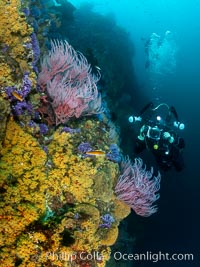
Red gorgonian Leptogorgia chilensis, purple hydrocoral Stylaster californicus, and yellow zoanthid anemone Epizoanthus giveni, at Farnsworth Banks, Catalina Island.
Species: Red gorgonian, Hydrocoral, Givens Zoanthid, Leptogorgia chilensis, Lophogorgia chilensis, Allopora californica, Stylaster californicus, Epizoanthus giveni
Location: Catalina Island, California
Image ID: 37271
Species: Red gorgonian, Hydrocoral, Givens Zoanthid, Leptogorgia chilensis, Lophogorgia chilensis, Allopora californica, Stylaster californicus, Epizoanthus giveni
Location: Catalina Island, California
Image ID: 37271
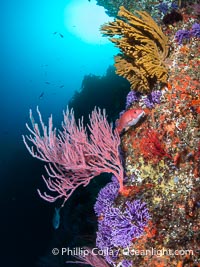
Red gorgonian Leptogorgia chilensis, purple hydrocoral Stylaster californicus, and yellow zoanthid anemone Epizoanthus giveni, at Farnsworth Banks, Catalina Island.
Location: Catalina Island, California
Image ID: 39540
Location: Catalina Island, California
Image ID: 39540
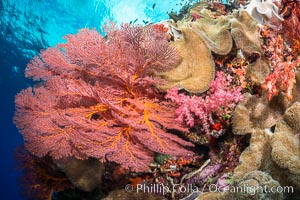
Bright red Plexauridae sea fan gorgonian and yellow sarcophyton leather coral on pristine coral reef, Fiji.
Species: Gorgonian, Sarcophyton soft coral, Sea fan, Gorgonacea, Plexauridae, Sarcophyton
Location: Vatu I Ra Passage, Bligh Waters, Viti Levu Island, Fiji
Image ID: 31325
Species: Gorgonian, Sarcophyton soft coral, Sea fan, Gorgonacea, Plexauridae, Sarcophyton
Location: Vatu I Ra Passage, Bligh Waters, Viti Levu Island, Fiji
Image ID: 31325
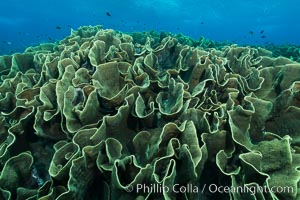
Spectacular display of pristine cabbage coral, Turbinaria reniformis, in Nigali Pass on Gao Island, Fiji.
Species: Cabbage coral, Tubinaria reniformis, Cabbage coral, Turbinaria reniformis
Location: Nigali Passage, Gau Island, Lomaiviti Archipelago, Fiji
Image ID: 31336
Species: Cabbage coral, Tubinaria reniformis, Cabbage coral, Turbinaria reniformis
Location: Nigali Passage, Gau Island, Lomaiviti Archipelago, Fiji
Image ID: 31336
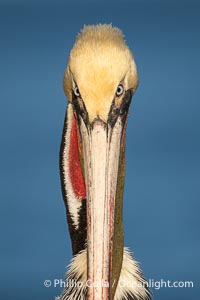
Study of a California brown pelican in winter breeding plumage, yellow head, red and olive throat, pink skin around the eye, brown hind neck with some white neck side detail.
Species: Brown Pelican, Pelecanus occidentalis, Pelecanus occidentalis californicus
Location: La Jolla, California
Image ID: 39870
Species: Brown Pelican, Pelecanus occidentalis, Pelecanus occidentalis californicus
Location: La Jolla, California
Image ID: 39870