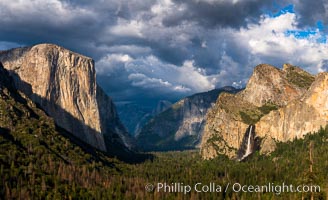
Yosemite Valley Tunnel View, Storm clouds at sunset, Yosemite National Park.
Location: Yosemite National Park, California
Image ID: 34542
Panorama dimensions: 7653 x 12541
Location: Yosemite National Park, California
Image ID: 34542
Panorama dimensions: 7653 x 12541
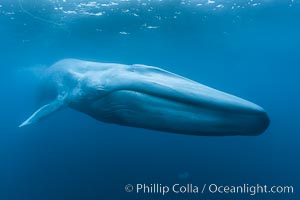
Blue whale underwater closeup photo. This picture of a blue whale, the largest animal ever to inhabit earth, shows it swimming through the open ocean, a rare underwater view. Since this blue whale was approximately 80-90' long and just a few feet from the camera, an extremely wide lens was used to photograph the entire enormous whale.
Species: Blue whale, Balaenoptera musculus
Location: California
Image ID: 27299
Species: Blue whale, Balaenoptera musculus
Location: California
Image ID: 27299

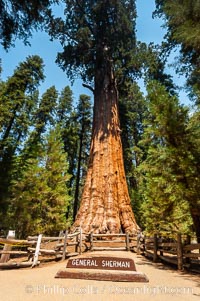
The General Sherman Sequoia tree is the largest (most massive) living thing on earth, standing over 275 feet tall with a 36 diameter and 102 circumference at its base. Its volume is over 53,000 cubic feet. It is estimated to be 2300 to 2700 years old.
Species: Giant sequoia tree, Sequoiadendron giganteum
Location: Giant Forest, Sequoia Kings Canyon National Park, California
Image ID: 09872
Species: Giant sequoia tree, Sequoiadendron giganteum
Location: Giant Forest, Sequoia Kings Canyon National Park, California
Image ID: 09872
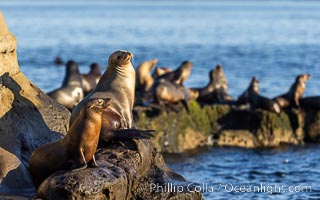
California sea lions at La Jolla Cove, San Diego.
Species: California sea lion, Zalophus californianus
Location: La Jolla, California
Image ID: 38662
Species: California sea lion, Zalophus californianus
Location: La Jolla, California
Image ID: 38662
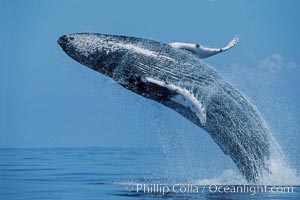
Humpback whale breaching, near Molokai, Hawaii. Megaptera novaeangliae. It is suspected the breaching often has a communicative purpose which depends on the behavioral context of the moment.
Species: Humpback whale, Megaptera novaeangliae
Location: Maui, Hawaii
Image ID: 00205
Species: Humpback whale, Megaptera novaeangliae
Location: Maui, Hawaii
Image ID: 00205
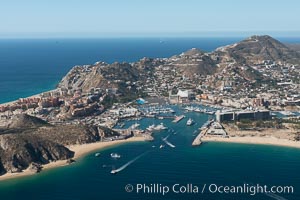
Aerial view of Cabo San Lucas, marina and downtown, showing extensive development and many resorts and sport fishing boats.
Location: Cabo San Lucas, Baja California, Mexico
Image ID: 28899
Location: Cabo San Lucas, Baja California, Mexico
Image ID: 28899
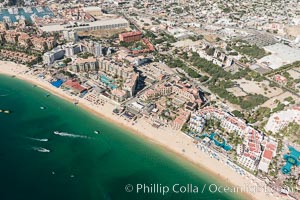
Aerial view of Medano Beach in Cabo San Lucas, showing many resorts along the long white sand beach.
Location: Cabo San Lucas, Baja California, Mexico
Image ID: 28881
Location: Cabo San Lucas, Baja California, Mexico
Image ID: 28881
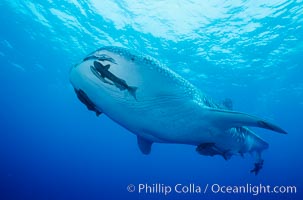
A whale shark swims through the open ocean in the Galapagos Islands. The whale shark is the largest shark on Earth, but is harmless eating plankton and small fish.
Species: Whale shark, Rhincodon typus
Location: Darwin Island, Galapagos Islands, Ecuador
Image ID: 01520
Species: Whale shark, Rhincodon typus
Location: Darwin Island, Galapagos Islands, Ecuador
Image ID: 01520
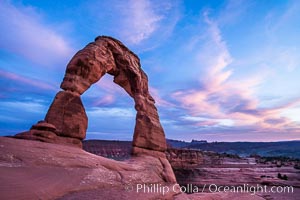
Delicate Arch at Sunset, Arches National Park.
Location: Delicate Arch, Arches National Park, Utah
Image ID: 29283
Location: Delicate Arch, Arches National Park, Utah
Image ID: 29283
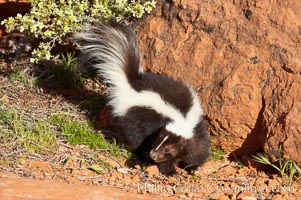
Striped skunk. The striped skunk prefers somewhat open areas with a mixture of habitats such as woods, grasslands, and agricultural clearings. They are usually never found further than two miles from a water source. They are also often found in suburban areas because of the abundance of buildings that provide them with cover.
Species: Striped skunk, Mephitis mephitis
Image ID: 12055
Species: Striped skunk, Mephitis mephitis
Image ID: 12055
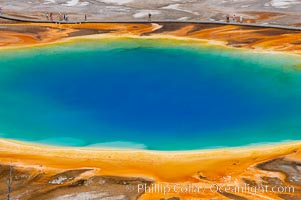
Grand Prismatic Spring displays a stunning rainbow of colors created by species of thermophilac (heat-loving) bacteria that thrive in narrow temperature ranges. The blue water in the center is too hot to support any bacterial life, while the outer orange rings are the coolest water. Grand Prismatic Spring is the largest spring in the United States and the third-largest in the world. Midway Geyser Basin.
Location: Midway Geyser Basin, Yellowstone National Park, Wyoming
Image ID: 13572
Location: Midway Geyser Basin, Yellowstone National Park, Wyoming
Image ID: 13572
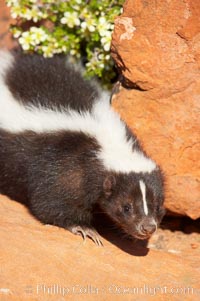
Striped skunk. The striped skunk prefers somewhat open areas with a mixture of habitats such as woods, grasslands, and agricultural clearings. They are usually never found further than two miles from a water source. They are also often found in suburban areas because of the abundance of buildings that provide them with cover.
Species: Striped skunk, Mephitis mephitis
Image ID: 12066
Species: Striped skunk, Mephitis mephitis
Image ID: 12066
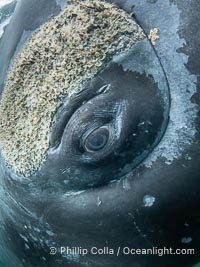
Closeup underwater view of a Southern right whale eyeball, Eubalaena australis. Whale lice can be seen clearly in the folds and crevices around the whales eye and lip groove. By permission of the Government of Argentina, Chubut, permit # 51 / 2025-SsCyA.
Species: Southern Right Whale, Eubalaena australis
Location: Puerto Piramides, Chubut, Argentina
Image ID: 41216
Species: Southern Right Whale, Eubalaena australis
Location: Puerto Piramides, Chubut, Argentina
Image ID: 41216
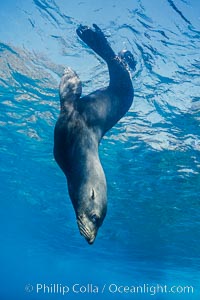
Guadalupe fur seal, floating upside down under the ocean's surface at Guadalupe Island, watching the photographer and looking for passing predators.
Species: Guadalupe fur seal, Arctocephalus townsendi
Location: Guadalupe Island (Isla Guadalupe), Baja California, Mexico
Image ID: 02114
Species: Guadalupe fur seal, Arctocephalus townsendi
Location: Guadalupe Island (Isla Guadalupe), Baja California, Mexico
Image ID: 02114
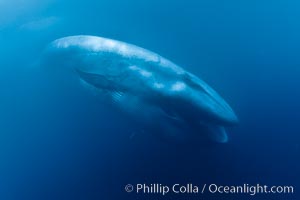
Blue whale feeding on krill underwater closeup photo. A picture of a blue whale with its throat pleats inflated with a mouthful of krill.
Species: Blue whale, Balaenoptera musculus
Location: California
Image ID: 27309
Species: Blue whale, Balaenoptera musculus
Location: California
Image ID: 27309
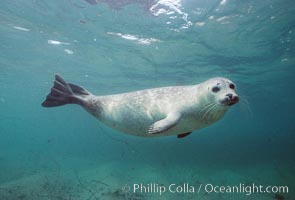
Pacific harbor seal swims in the protected waters of Childrens Pool in La Jolla, California. This group of harbor seals, which has formed a breeding colony at a small but popular beach near San Diego, is at the center of considerable controversy. While harbor seals are protected from harassment by the Marine Mammal Protection Act and other legislation, local interests would like to see the seals leave so that people can resume using the beach.
Species: Pacific harbor seal, Phoca vitulina richardsi
Location: La Jolla, California
Image ID: 03018
Species: Pacific harbor seal, Phoca vitulina richardsi
Location: La Jolla, California
Image ID: 03018
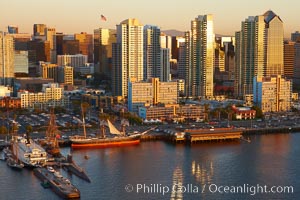
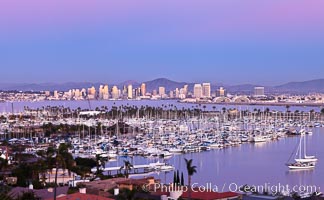
San Diego waterfront and skyline, Star of India (lower left), high rise modern office buildings, San Diego Bay, sunset.
Location: San Diego, California
Image ID: 22338
Location: San Diego, California
Image ID: 22338
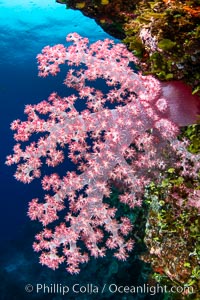
Closeup view of colorful dendronephthya soft corals, reaching out into strong ocean currents to capture passing planktonic food, Fiji.
Species: Dendronephthya soft coral, Dendronephthya
Location: Vatu I Ra Passage, Bligh Waters, Viti Levu Island, Fiji
Image ID: 34749
Species: Dendronephthya soft coral, Dendronephthya
Location: Vatu I Ra Passage, Bligh Waters, Viti Levu Island, Fiji
Image ID: 34749
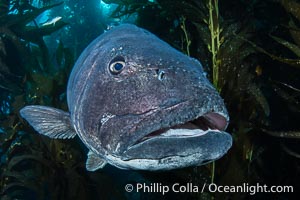
Closeup Portrait of the Face of a Giant Black Sea Bass, showing parasitic sea lice. The sea lice are parasites that find their nutrition from the skin and blood of the host giant sea bass. Smaller fishes such as senoritas and wrasses will commonly clean the sea lice off the giant sea bass.
Species: Giant black sea bass, Stereolepis gigas
Location: Catalina Island, California
Image ID: 39436
Species: Giant black sea bass, Stereolepis gigas
Location: Catalina Island, California
Image ID: 39436
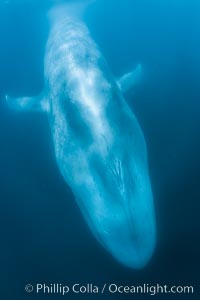
Blue whale underwater closeup photo. This incredible picture of a blue whale, the largest animal ever to inhabit earth, shows it swimming through the open ocean, a rare underwater view.
Species: Blue whale, Balaenoptera musculus
Location: California
Image ID: 27331
Species: Blue whale, Balaenoptera musculus
Location: California
Image ID: 27331
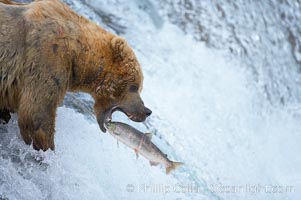
Alaskan brown bear catching a jumping salmon, Brooks Falls.
Species: Brown bear, Ursus arctos
Location: Brooks River, Katmai National Park, Alaska
Image ID: 17031
Species: Brown bear, Ursus arctos
Location: Brooks River, Katmai National Park, Alaska
Image ID: 17031
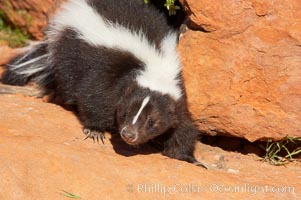
Striped skunk. The striped skunk prefers somewhat open areas with a mixture of habitats such as woods, grasslands, and agricultural clearings. They are usually never found further than two miles from a water source. They are also often found in suburban areas because of the abundance of buildings that provide them with cover.
Species: Striped skunk, Mephitis mephitis
Image ID: 12056
Species: Striped skunk, Mephitis mephitis
Image ID: 12056
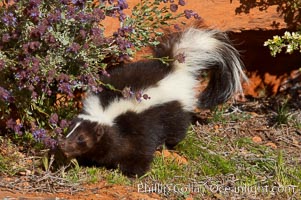
Striped skunk. The striped skunk prefers somewhat open areas with a mixture of habitats such as woods, grasslands, and agricultural clearings. They are usually never found further than two miles from a water source. They are also often found in suburban areas because of the abundance of buildings that provide them with cover.
Species: Striped skunk, Mephitis mephitis
Image ID: 12052
Species: Striped skunk, Mephitis mephitis
Image ID: 12052
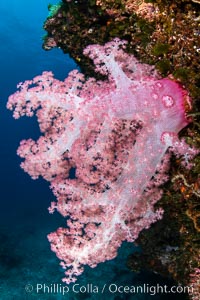
Closeup view of colorful dendronephthya soft corals, reaching out into strong ocean currents to capture passing planktonic food, Fiji.
Species: Dendronephthya soft coral, Dendronephthya
Location: Fiji
Image ID: 34822
Species: Dendronephthya soft coral, Dendronephthya
Location: Fiji
Image ID: 34822
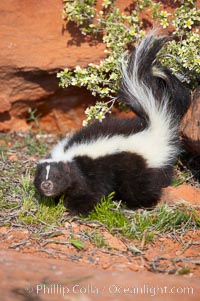
Striped skunk. The striped skunk prefers somewhat open areas with a mixture of habitats such as woods, grasslands, and agricultural clearings. They are usually never found further than two miles from a water source. They are also often found in suburban areas because of the abundance of buildings that provide them with cover.
Species: Striped skunk, Mephitis mephitis
Image ID: 12059
Species: Striped skunk, Mephitis mephitis
Image ID: 12059
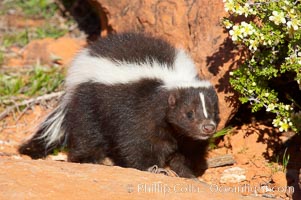
Striped skunk. The striped skunk prefers somewhat open areas with a mixture of habitats such as woods, grasslands, and agricultural clearings. They are usually never found further than two miles from a water source. They are also often found in suburban areas because of the abundance of buildings that provide them with cover.
Species: Striped skunk, Mephitis mephitis
Image ID: 12058
Species: Striped skunk, Mephitis mephitis
Image ID: 12058
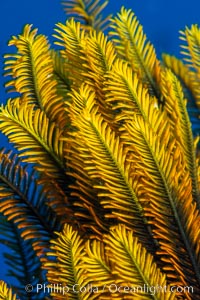
Crinoid feather star closeup view of tentacles, which it extends into ocean currents, Fiji.
Species: Crinoid feather star, Crinoidea
Location: Namena Marine Reserve, Namena Island, Fiji
Image ID: 34756
Species: Crinoid feather star, Crinoidea
Location: Namena Marine Reserve, Namena Island, Fiji
Image ID: 34756
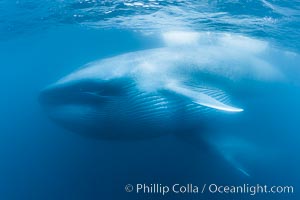
Blue whales feeding on krill underwater closeup photo. A picture of a blue whale with its throat pleats inflated with a mouthful of krill. A calf swims behind and below the adult. Over 80' long and just a few feet from the camera, an extremely wide lens was used to photograph the entire enormous whale.
Species: Blue whale, Balaenoptera musculus
Location: California
Image ID: 27314
Species: Blue whale, Balaenoptera musculus
Location: California
Image ID: 27314