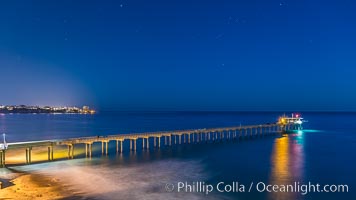
Scripps Institution of Oceanography Research Pier at night, lit with stars in the sky, old La Jolla town in the distance.
Location: Scripps Institution of Oceanography, La Jolla, California
Image ID: 28451
Location: Scripps Institution of Oceanography, La Jolla, California
Image ID: 28451
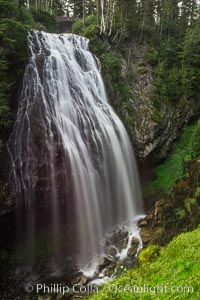
Narada Falls cascades down a cliff, with the flow blurred by a time exposure. Narada Falls is a 188 foot (57m) waterfall in Mount Rainier National Park.
Location: Narada Falls, Mount Rainier National Park, Washington
Image ID: 28720
Location: Narada Falls, Mount Rainier National Park, Washington
Image ID: 28720

Aerial photo of Crystal Pier with Holiday Christmas Lights at night. The Crystal Pier, Holiday Lights and Pacific Ocean at sunset, waves blur as they crash upon the sand. Crystal Pier, 872 feet long and built in 1925, extends out into the Pacific Ocean from the town of Pacific Beach.
Location: Pacific Beach, California
Image ID: 40000
Location: Pacific Beach, California
Image ID: 40000
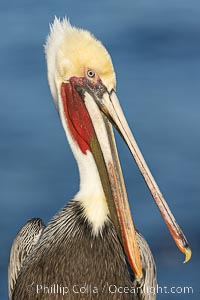
California Brown Pelican claps its jaws, sometimes rapidly several times, perhaps to dislodge debris or simply because its fun and feels good. This is not the same as the "yawn" that precedes a head throw. Adult winter non-breeding plumage. Mandible clap, jaw clap.
Species: Brown Pelican, Pelecanus occidentalis, Pelecanus occidentalis californicus
Location: La Jolla, California
Image ID: 38593
Species: Brown Pelican, Pelecanus occidentalis, Pelecanus occidentalis californicus
Location: La Jolla, California
Image ID: 38593
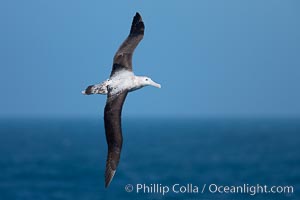
Wandering albatross in flight, over the open sea. The wandering albatross has the largest wingspan of any living bird, with the wingspan between, up to 12' from wingtip to wingtip. It can soar on the open ocean for hours at a time, riding the updrafts from individual swells, with a glide ratio of 22 units of distance for every unit of drop. The wandering albatross can live up to 23 years. They hunt at night on the open ocean for cephalopods, small fish, and crustaceans. The survival of the species is at risk due to mortality from long-line fishing gear.
Species: Wandering albatross, Diomedea exulans
Location: Southern Ocean
Image ID: 24071
Species: Wandering albatross, Diomedea exulans
Location: Southern Ocean
Image ID: 24071
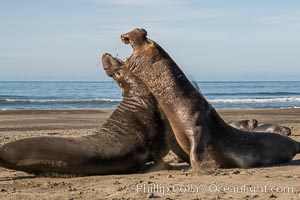
Male elephant seals (bulls) rear up on their foreflippers and fight for territory and harems of females. Bull elephant seals will haul out and fight from December through March, nearly fasting the entire time as they maintain their territory and harem. They bite and tear at each other on the neck and shoulders, drawing blood and creating scars on the tough hides. Sandy beach rookery, winter, Central California.
Species: Elephant seal, Mirounga angustirostris
Location: Piedras Blancas, San Simeon, California
Image ID: 35144
Species: Elephant seal, Mirounga angustirostris
Location: Piedras Blancas, San Simeon, California
Image ID: 35144

Scripps Institution of Oceanography Research Pier at sunset, with Christmas Lights and Christmas Tree.
Location: Scripps Institution of Oceanography, La Jolla, California
Image ID: 36615
Location: Scripps Institution of Oceanography, La Jolla, California
Image ID: 36615

Conjuction of Saturn and Jupiter over Scripps Institution of Oceanography Research Pier at sunset, with Christmas Lights and Christmas Tree.
Location: Scripps Institution of Oceanography, La Jolla, California
Image ID: 36616
Location: Scripps Institution of Oceanography, La Jolla, California
Image ID: 36616
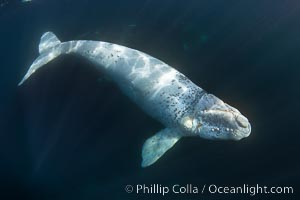
White southern right whale calf underwater, Eubalaena australis. About five per cent of southern right whales are born white due to a condition known as grey morphism and will gradually turn dark as they age. They are not albino (which is a complete lack of pigmentation). Sometimes referred to as "brindled", the white coloration is a recessive genetic trait and only lasts a few months. Typically, but not always, white calves will become much darker as they mature but will still be somewhat lighter than normal even as adults.
Species: Southern Right Whale, Eubalaena australis
Location: Puerto Piramides, Chubut, Argentina
Image ID: 38276
Species: Southern Right Whale, Eubalaena australis
Location: Puerto Piramides, Chubut, Argentina
Image ID: 38276
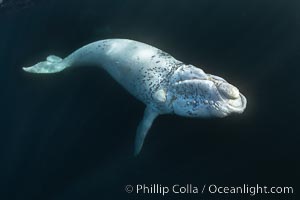
White southern right whale calf underwater, Eubalaena australis. About five per cent of southern right whales are born white due to a condition known as grey morphism and will gradually turn dark as they age. They are not albino (which is a complete lack of pigmentation). Sometimes referred to as "brindled", the white coloration is a recessive genetic trait and only lasts a few months. Typically, but not always, white calves will become much darker as they mature but will still be somewhat lighter than normal even as adults.
Species: Southern Right Whale, Eubalaena australis
Location: Puerto Piramides, Chubut, Argentina
Image ID: 38277
Species: Southern Right Whale, Eubalaena australis
Location: Puerto Piramides, Chubut, Argentina
Image ID: 38277
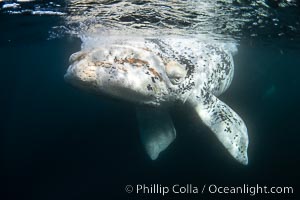
White southern right whale calf underwater, Eubalaena australis. About five per cent of southern right whales are born white due to a condition known as grey morphism and will gradually turn dark as they age. They are not albino (which is a complete lack of pigmentation). Sometimes referred to as "brindled", the white coloration is a recessive genetic trait and only lasts a few months. Typically, but not always, white calves will become much darker as they mature but will still be somewhat lighter than normal even as adults.
Species: Southern Right Whale, Eubalaena australis
Location: Puerto Piramides, Chubut, Argentina
Image ID: 38278
Species: Southern Right Whale, Eubalaena australis
Location: Puerto Piramides, Chubut, Argentina
Image ID: 38278
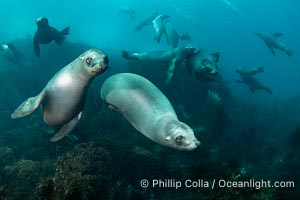
Young California Sea Lions at Play Underwater in the Coronado Islands, Mexico. Pups spend much of their time playing with one another in the water, strengthening their swimming skills and mock jousting.
Species: California sea lion, Zalophus californianus
Location: Coronado Islands (Islas Coronado), Baja California, Mexico
Image ID: 40723
Species: California sea lion, Zalophus californianus
Location: Coronado Islands (Islas Coronado), Baja California, Mexico
Image ID: 40723
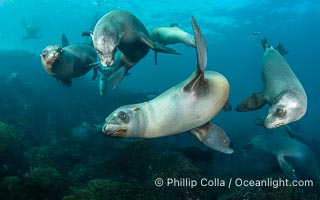
Young California Sea Lions at Play Underwater in the Coronado Islands, Mexico. Pups spend much of their time playing with one another in the water, strengthening their swimming skills and mock jousting.
Species: California sea lion, Zalophus californianus
Location: Coronado Islands (Islas Coronado), Baja California, Mexico
Image ID: 40724
Species: California sea lion, Zalophus californianus
Location: Coronado Islands (Islas Coronado), Baja California, Mexico
Image ID: 40724
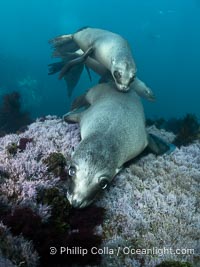
Young California Sea Lions at Play Underwater in the Coronado Islands, Mexico. Pups spend much of their time playing with one another in the water, strengthening their swimming skills and mock jousting.
Species: California sea lion, Zalophus californianus
Location: Coronado Islands (Islas Coronado), Baja California, Mexico
Image ID: 40725
Species: California sea lion, Zalophus californianus
Location: Coronado Islands (Islas Coronado), Baja California, Mexico
Image ID: 40725
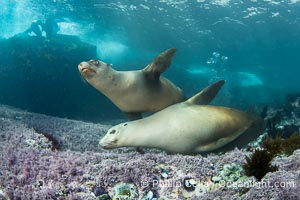
A mother California sea lion (bottom) and her pup (top), underwater at the Coronado Islands, Mexico. Mothers and pups spend much time together with the mother teaching her young padawan learner how to pursue prey.
Species: California sea lion, Zalophus californianus
Location: Coronado Islands (Islas Coronado), Baja California, Mexico
Image ID: 40732
Species: California sea lion, Zalophus californianus
Location: Coronado Islands (Islas Coronado), Baja California, Mexico
Image ID: 40732
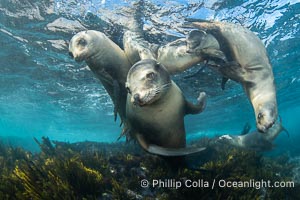
Young California Sea Lions at Play Underwater in the Coronado Islands, Mexico. Pups spend much of their time playing with one another in the water, strengthening their swimming skills and mock jousting.
Species: California sea lion, Zalophus californianus
Location: Coronado Islands (Islas Coronado), Baja California, Mexico
Image ID: 40738
Species: California sea lion, Zalophus californianus
Location: Coronado Islands (Islas Coronado), Baja California, Mexico
Image ID: 40738
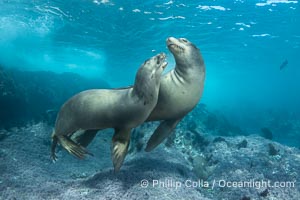
A mother California sea lion (right) and her pup (left), underwater at the Coronado Islands, Mexico. Mothers and pups spend much time together with the mother teaching her young padawan learner how to pursue prey.
Species: California sea lion, Zalophus californianus
Location: Coronado Islands (Islas Coronado), Baja California, Mexico
Image ID: 40739
Species: California sea lion, Zalophus californianus
Location: Coronado Islands (Islas Coronado), Baja California, Mexico
Image ID: 40739
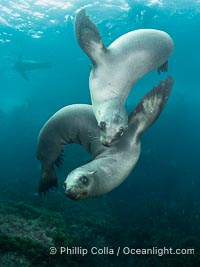
Young California Sea Lions at Play Underwater in the Coronado Islands, Mexico. Pups spend much of their time playing with one another in the water, strengthening their swimming skills and mock jousting.
Species: California sea lion, Zalophus californianus
Location: Coronado Islands (Islas Coronado), Baja California, Mexico
Image ID: 40755
Species: California sea lion, Zalophus californianus
Location: Coronado Islands (Islas Coronado), Baja California, Mexico
Image ID: 40755

Milky Way over Ancient Bristlecone Pine Trees, Inyo National Forest.
Species: Bristlecone pine, Pinus longaeva
Location: Ancient Bristlecone Pine Forest, White Mountains, Inyo National Forest, California
Image ID: 29319
Species: Bristlecone pine, Pinus longaeva
Location: Ancient Bristlecone Pine Forest, White Mountains, Inyo National Forest, California
Image ID: 29319
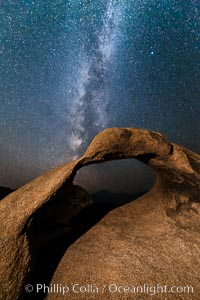
Milky Way galaxy over Mobius Arch at night, Alabama Hills.
Location: Alabama Hills Recreational Area, California
Image ID: 29409
Location: Alabama Hills Recreational Area, California
Image ID: 29409
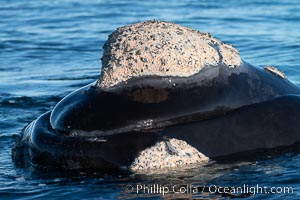
Rostrum and callosities of southern right whale, Eubalaena australis. Whale lice can be seen attached to the collosities, which are patches of thickened keratinized tissue, like calluses (thus the name). The pattern of callosities on a right whale are unique and serve as a way to identify individuals throughout their lifetime.
Species: Southern Right Whale, Eubalaena australis
Location: Puerto Piramides, Chubut, Argentina
Image ID: 38330
Species: Southern Right Whale, Eubalaena australis
Location: Puerto Piramides, Chubut, Argentina
Image ID: 38330
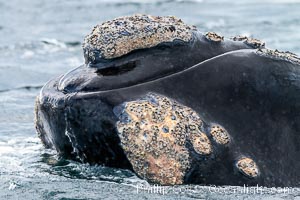
Rostrum and callosities of southern right whale, Eubalaena australis. Whale lice can be seen attached to the collosities, which are patches of thickened keratinized tissue, like calluses (thus the name). The pattern of callosities on a right whale are unique and serve as a way to identify individuals throughout their lifetime.
Species: Southern Right Whale, Eubalaena australis
Location: Puerto Piramides, Chubut, Argentina
Image ID: 38407
Species: Southern Right Whale, Eubalaena australis
Location: Puerto Piramides, Chubut, Argentina
Image ID: 38407
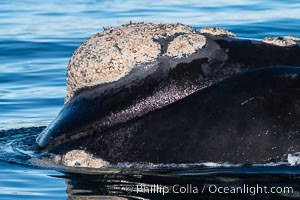
Rostrum and callosities of southern right whale, Eubalaena australis. Whale lice can be seen attached to the collosities, which are patches of thickened keratinized tissue, like calluses (thus the name). The pattern of callosities on a right whale are unique and serve as a way to identify individuals throughout their lifetime.
Species: Southern Right Whale, Eubalaena australis
Location: Puerto Piramides, Chubut, Argentina
Image ID: 38449
Species: Southern Right Whale, Eubalaena australis
Location: Puerto Piramides, Chubut, Argentina
Image ID: 38449
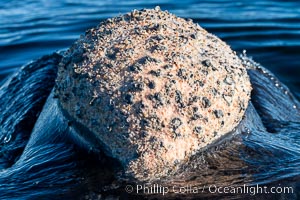
Rostrum and callosities of southern right whale, Eubalaena australis. Whale lice can be seen attached to the collosities, which are patches of thickened keratinized tissue, like calluses (thus the name). The pattern of callosities on a right whale are unique and serve as a way to identify individuals throughout their lifetime.
Species: Southern Right Whale, Eubalaena australis
Location: Puerto Piramides, Chubut, Argentina
Image ID: 38451
Species: Southern Right Whale, Eubalaena australis
Location: Puerto Piramides, Chubut, Argentina
Image ID: 38451
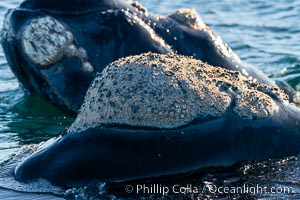
Rostrum and callosities of southern right whale, Eubalaena australis. Whale lice can be seen attached to the collosities, which are patches of thickened keratinized tissue, like calluses (thus the name). The pattern of callosities on a right whale are unique and serve as a way to identify individuals throughout their lifetime.
Species: Southern Right Whale, Eubalaena australis
Location: Puerto Piramides, Chubut, Argentina
Image ID: 38452
Species: Southern Right Whale, Eubalaena australis
Location: Puerto Piramides, Chubut, Argentina
Image ID: 38452
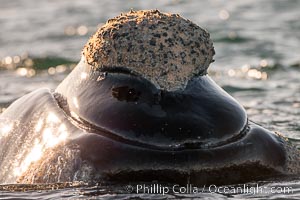
Rostrum and callosities of southern right whale, Eubalaena australis. Whale lice can be seen attached to the collosities, which are patches of thickened keratinized tissue, like calluses (thus the name). The pattern of callosities on a right whale are unique and serve as a way to identify individuals throughout their lifetime.
Species: Southern Right Whale, Eubalaena australis
Location: Puerto Piramides, Chubut, Argentina
Image ID: 38453
Species: Southern Right Whale, Eubalaena australis
Location: Puerto Piramides, Chubut, Argentina
Image ID: 38453
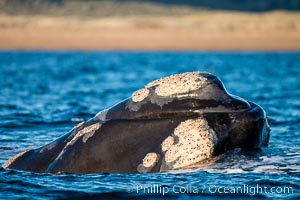
Rostrum and callosities of southern right whale, Eubalaena australis. Whale lice can be seen attached to the collosities, which are patches of thickened keratinized tissue, like calluses (thus the name). The pattern of callosities on a right whale are unique and serve as a way to identify individuals throughout their lifetime.
Species: Southern Right Whale, Eubalaena australis
Location: Puerto Piramides, Chubut, Argentina
Image ID: 38455
Species: Southern Right Whale, Eubalaena australis
Location: Puerto Piramides, Chubut, Argentina
Image ID: 38455
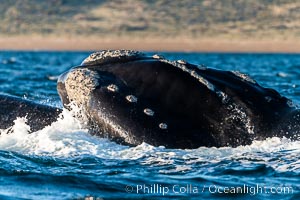
Rostrum and callosities of southern right whale, Eubalaena australis. Whale lice can be seen attached to the collosities, which are patches of thickened keratinized tissue, like calluses (thus the name). The pattern of callosities on a right whale are unique and serve as a way to identify individuals throughout their lifetime.
Species: Southern Right Whale, Eubalaena australis
Location: Puerto Piramides, Chubut, Argentina
Image ID: 38456
Species: Southern Right Whale, Eubalaena australis
Location: Puerto Piramides, Chubut, Argentina
Image ID: 38456
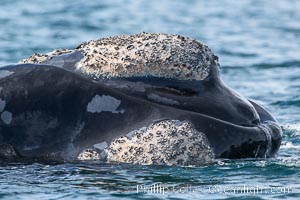
Rostrum and callosities of southern right whale, Eubalaena australis. Whale lice can be seen attached to the collosities, which are patches of thickened keratinized tissue, like calluses (thus the name). The pattern of callosities on a right whale are unique and serve as a way to identify individuals throughout their lifetime.
Species: Southern Right Whale, Eubalaena australis
Location: Puerto Piramides, Chubut, Argentina
Image ID: 38459
Species: Southern Right Whale, Eubalaena australis
Location: Puerto Piramides, Chubut, Argentina
Image ID: 38459
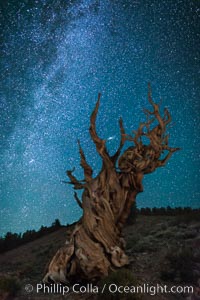
Milky Way over Ancient Bristlecone Pine Trees, Inyo National Forest.
Species: Bristlecone pine, Pinus longaeva
Location: Ancient Bristlecone Pine Forest, White Mountains, Inyo National Forest, California
Image ID: 29325
Species: Bristlecone pine, Pinus longaeva
Location: Ancient Bristlecone Pine Forest, White Mountains, Inyo National Forest, California
Image ID: 29325