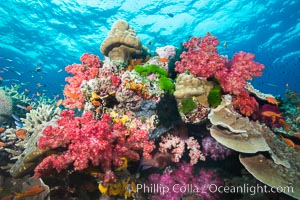
Colorful dendronephthya soft corals and various hard corals, flourishing on a pristine healthy south pacific coral reef. The soft corals are inflated in strong ocean currents, capturing passing planktonic food with their many small polyps.
Species: Dendronephthya soft coral, Dendronephthya
Location: Namena Marine Reserve, Namena Island, Fiji
Image ID: 31417
Species: Dendronephthya soft coral, Dendronephthya
Location: Namena Marine Reserve, Namena Island, Fiji
Image ID: 31417
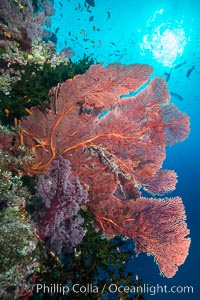
Plexauridae sea fan or gorgonian on coral reef. This gorgonian is a type of colonial alcyonacea soft coral that filters plankton from passing ocean currents.
Species: Gorgonian, Sea fan, Gorgonacea, Plexauridae
Location: Namena Marine Reserve, Namena Island, Fiji
Image ID: 31421
Species: Gorgonian, Sea fan, Gorgonacea, Plexauridae
Location: Namena Marine Reserve, Namena Island, Fiji
Image ID: 31421
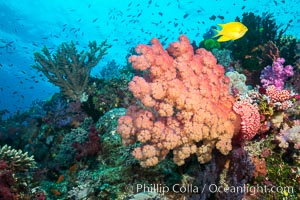
Dendronephthya soft coral inflated in ocean current, filtering plankton, Fiji.
Species: Dendronephthya soft coral, Dendronephthya
Location: Namena Marine Reserve, Namena Island, Fiji
Image ID: 31422
Species: Dendronephthya soft coral, Dendronephthya
Location: Namena Marine Reserve, Namena Island, Fiji
Image ID: 31422
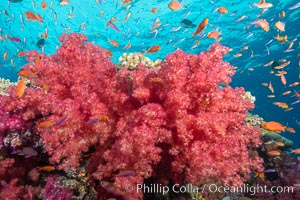
Dendronephthya soft corals and schooling Anthias fishes, feeding on plankton in strong ocean currents over a pristine coral reef. Fiji is known as the soft coral capitlal of the world.
Species: Anthias, Dendronephthya soft coral, Dendronephthya, Pseudanthias
Location: Namena Marine Reserve, Namena Island, Fiji
Image ID: 31423
Species: Anthias, Dendronephthya soft coral, Dendronephthya, Pseudanthias
Location: Namena Marine Reserve, Namena Island, Fiji
Image ID: 31423
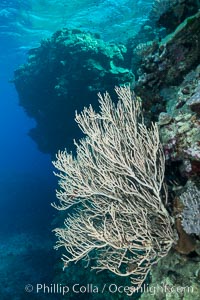
Branching whip coral (Ellisella sp.) captures passing planktonic food in ocean currents, Fiji.
Species: Branching whip coral, Ellisella
Location: Fiji
Image ID: 31424
Species: Branching whip coral, Ellisella
Location: Fiji
Image ID: 31424
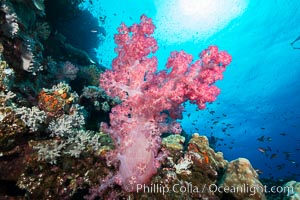
Spectacularly colorful dendronephthya soft corals on South Pacific reef, reaching out into strong ocean currents to capture passing planktonic food, Fiji.
Species: Dendronephthya soft coral, Dendronephthya
Location: Fiji
Image ID: 31429
Species: Dendronephthya soft coral, Dendronephthya
Location: Fiji
Image ID: 31429
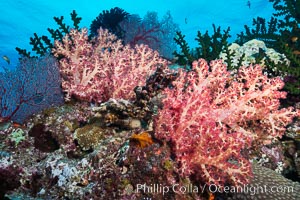
Vibrant colorful soft corals reaching into ocean currents, capturing passing planktonic food, Fiji.
Species: Dendronephthya soft coral, Dendronephthya
Location: Fiji
Image ID: 31430
Species: Dendronephthya soft coral, Dendronephthya
Location: Fiji
Image ID: 31430
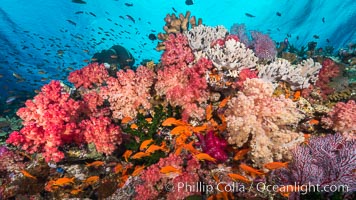
Colorful dendronephthya soft corals and various hard corals, flourishing on a pristine healthy south pacific coral reef. The soft corals are inflated in strong ocean currents, capturing passing planktonic food with their many small polyps.
Species: Dendronephthya soft coral, Dendronephthya
Location: Fiji
Image ID: 31431
Species: Dendronephthya soft coral, Dendronephthya
Location: Fiji
Image ID: 31431
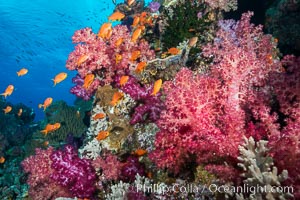
Dendronephthya soft corals and schooling Anthias fishes, feeding on plankton in strong ocean currents over a pristine coral reef. Fiji is known as the soft coral capitlal of the world.
Species: Anthias, Dendronephthya soft coral, Dendronephthya, Pseudanthias
Location: Fiji
Image ID: 31433
Species: Anthias, Dendronephthya soft coral, Dendronephthya, Pseudanthias
Location: Fiji
Image ID: 31433
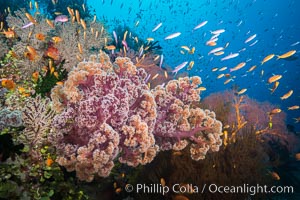
Dendronephthya soft corals and schooling Anthias fishes, feeding on plankton in strong ocean currents over a pristine coral reef. Fiji is known as the soft coral capitlal of the world.
Species: Anthias, Dendronephthya soft coral, Dendronephthya, Pseudanthias
Location: Fiji
Image ID: 31436
Species: Anthias, Dendronephthya soft coral, Dendronephthya, Pseudanthias
Location: Fiji
Image ID: 31436
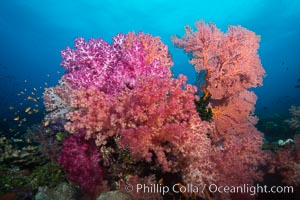
Sea fan gorgonian and dendronephthya soft coral on coral reef. Both the sea fan gorgonian and the dendronephthya are type of alcyonacea soft corals that filter plankton from passing ocean currents.
Species: Dendronephthya soft coral, Gorgonian, Dendronephthya, Gorgonacea
Location: Fiji
Image ID: 31438
Species: Dendronephthya soft coral, Gorgonian, Dendronephthya, Gorgonacea
Location: Fiji
Image ID: 31438
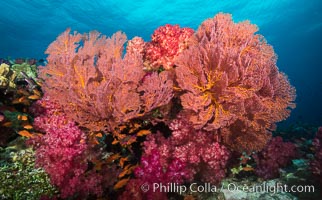
Plexauridae sea fan gorgonian and dendronephthya soft coral on coral reef. Both the sea fan gorgonian and the dendronephthya are type of alcyonacea soft corals that filter plankton from passing ocean currents.
Species: Dendronephthya soft coral, Gorgonian, Sea fan, Dendronephthya, Gorgonacea, Plexauridae
Location: Fiji
Image ID: 31439
Species: Dendronephthya soft coral, Gorgonian, Sea fan, Dendronephthya, Gorgonacea, Plexauridae
Location: Fiji
Image ID: 31439
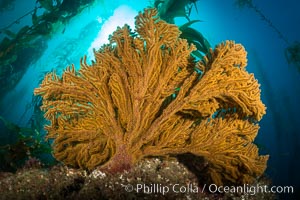
Golden gorgonian on underwater rocky reef, amid kelp forest, Catalina Island. The golden gorgonian is a filter-feeding temperate colonial species that lives on the rocky bottom at depths between 50 to 200 feet deep. Each individual polyp is a distinct animal, together they secrete calcium that forms the structure of the colony. Gorgonians are oriented at right angles to prevailing water currents to capture plankton drifting by.
Species: California golden gorgonian, Muricea californica
Location: Catalina Island, California
Image ID: 34219
Species: California golden gorgonian, Muricea californica
Location: Catalina Island, California
Image ID: 34219
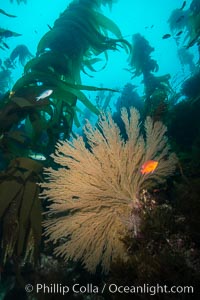
Garibaldi and California golden gorgonian on underwater rocky reef, San Clemente Island. The golden gorgonian is a filter-feeding temperate colonial species that lives on the rocky bottom at depths between 50 to 200 feet deep. Each individual polyp is a distinct animal, together they secrete calcium that forms the structure of the colony. Gorgonians are oriented at right angles to prevailing water currents to capture plankton drifting by.
Species: California golden gorgonian, Garibaldi, Hypsypops rubicundus, Muricea californica
Location: San Clemente Island, California
Image ID: 30864
Species: California golden gorgonian, Garibaldi, Hypsypops rubicundus, Muricea californica
Location: San Clemente Island, California
Image ID: 30864
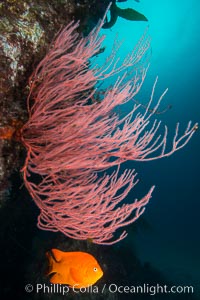
Garibaldi and red gorgonian on rocky reef, below kelp forest, underwater. The red gorgonian is a filter-feeding temperate colonial species that lives on the rocky bottom at depths between 50 to 200 feet deep. Gorgonians are oriented at right angles to prevailing water currents to capture plankton drifting by.
Species: Garibaldi, Red gorgonian, Hypsypops rubicundus, Leptogorgia chilensischilensis, Lophogorgia chilensis
Location: San Clemente Island, California
Image ID: 30870
Species: Garibaldi, Red gorgonian, Hypsypops rubicundus, Leptogorgia chilensischilensis, Lophogorgia chilensis
Location: San Clemente Island, California
Image ID: 30870
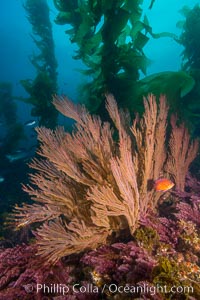
California golden gorgonian on underwater rocky reef below kelp forest, San Clemente Island. The golden gorgonian is a filter-feeding temperate colonial species that lives on the rocky bottom at depths between 50 to 200 feet deep. Each individual polyp is a distinct animal, together they secrete calcium that forms the structure of the colony. Gorgonians are oriented at right angles to prevailing water currents to capture plankton drifting by, San Clemente Island.
Species: California golden gorgonian, Muricea californica
Location: San Clemente Island, California
Image ID: 30909
Species: California golden gorgonian, Muricea californica
Location: San Clemente Island, California
Image ID: 30909
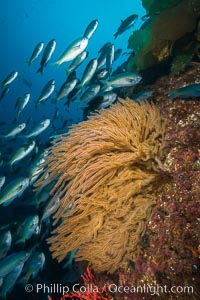
Blacksmith Chromis and California golden gorgonian on underwater rocky reef, San Clemente Island. The golden gorgonian is a filter-feeding temperate colonial species that lives on the rocky bottom at depths between 50 to 200 feet deep. Each individual polyp is a distinct animal, together they secrete calcium that forms the structure of the colony. Gorgonians are oriented at right angles to prevailing water currents to capture plankton drifting by.
Species: Blacksmith, California golden gorgonian, Chromis punctipinnis, Muricea californica
Location: San Clemente Island, California
Image ID: 30956
Species: Blacksmith, California golden gorgonian, Chromis punctipinnis, Muricea californica
Location: San Clemente Island, California
Image ID: 30956
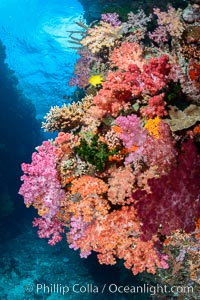
Spectacularly colorful dendronephthya soft corals on South Pacific reef, reaching out into strong ocean currents to capture passing planktonic food, Fiji.
Species: Dendronephthya soft coral, Dendronephthya
Location: Fiji
Image ID: 31442
Species: Dendronephthya soft coral, Dendronephthya
Location: Fiji
Image ID: 31442
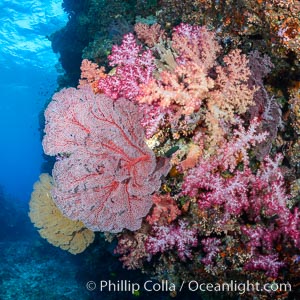
Sea fan or gorgonian on coral reef. This gorgonian is a type of colonial alcyonacea soft coral that filters plankton from passing ocean currents.
Species: Dendronephthya soft coral, Gorgonian, Dendronephthya, Gorgonacea
Location: Fiji
Image ID: 31443
Species: Dendronephthya soft coral, Gorgonian, Dendronephthya, Gorgonacea
Location: Fiji
Image ID: 31443
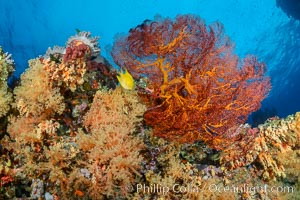
Sea fan gorgonian and dendronephthya soft coral on coral reef. Both the sea fan gorgonian and the dendronephthya are type of alcyonacea soft corals that filter plankton from passing ocean currents.
Species: Dendronephthya soft coral, Gorgonian, Dendronephthya, Gorgonacea
Location: Fiji
Image ID: 31444
Species: Dendronephthya soft coral, Gorgonian, Dendronephthya, Gorgonacea
Location: Fiji
Image ID: 31444
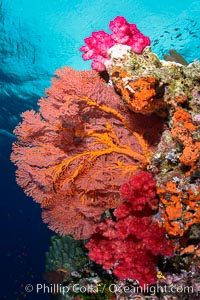
Sea fan gorgonian and dendronephthya soft coral on coral reef. Both the sea fan gorgonian and the dendronephthya are type of alcyonacea soft corals that filter plankton from passing ocean currents.
Species: Dendronephthya soft coral, Gorgonian, Sea fan, Dendronephthya, Gorgonacea, Plexauridae
Location: Fiji
Image ID: 31447
Species: Dendronephthya soft coral, Gorgonian, Sea fan, Dendronephthya, Gorgonacea, Plexauridae
Location: Fiji
Image ID: 31447
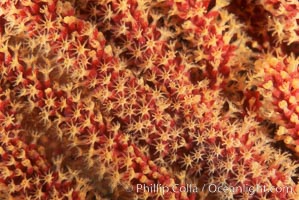
California Golden gorgonian polyps. The golden gorgonian is a colonial organism composed of thousands of tiny polyps. Each polyp secretes calcium which accumulates to form the structure of the colony. The fan-shaped gorgonian is oriented perpendicular to prevailing ocean currents to better enable to filter-feeding polyps to capture passing plankton and detritus passing by.
Species: California golden gorgonian, Muricea californica
Location: San Clemente Island, California
Image ID: 03481
Species: California golden gorgonian, Muricea californica
Location: San Clemente Island, California
Image ID: 03481
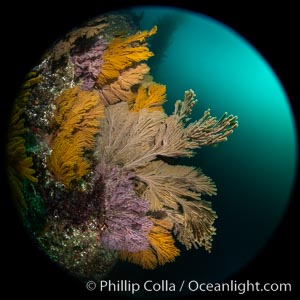
Brown gorgonian and California golden gorgonian on underwater rocky reef below kelp forest, Catalina Island. Gorgonians are filter-feeding temperate colonial species that lives on the rocky bottom at depths between 50 to 200 feet deep. Each individual polyp is a distinct animal, together they secrete calcium that forms the structure of the colony. Gorgonians are oriented at right angles to prevailing water currents to capture plankton drifting by.
Species: Brown gorgonian, California golden gorgonian, Muricea californica, Muricea fruticosa
Location: Catalina Island, California
Image ID: 37292
Species: Brown gorgonian, California golden gorgonian, Muricea californica, Muricea fruticosa
Location: Catalina Island, California
Image ID: 37292
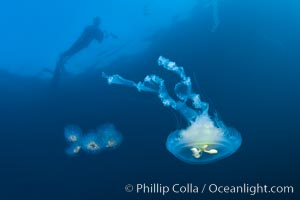
Freediver photographing pelagic gelatinous zooplankton, adrift in the open ocean.
Species: Fried-egg jellyfish, Phacellophora camtschatica
Location: San Diego, California
Image ID: 26817
Species: Fried-egg jellyfish, Phacellophora camtschatica
Location: San Diego, California
Image ID: 26817
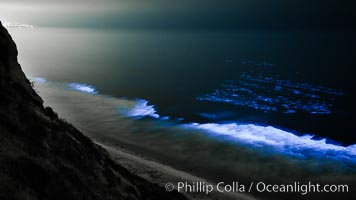
Bottlenose dolphins swim through red tide, hunt a school of fish, lit by glowing bioluminescence caused by microscopic Lingulodinium polyedrum dinoflagellate organisms which glow blue when agitated at night.
Species: Lingulodinium polyedrum
Location: La Jolla, California
Image ID: 27066
Species: Lingulodinium polyedrum
Location: La Jolla, California
Image ID: 27066
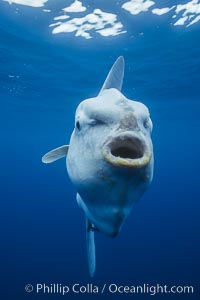
Ocean sunfish (Mola mola) with mouth wide open for slurping zooplankton, open ocean.
Species: Ocean sunfish, Mola mola
Location: San Diego, California
Image ID: 03319
Species: Ocean sunfish, Mola mola
Location: San Diego, California
Image ID: 03319
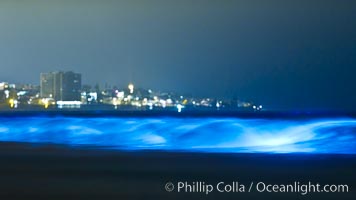
Lingulodinium polyedrum red tide dinoflagellate plankton, glows blue when it is agitated in wave and is visible at night.
Species: Lingulodinium polyedrum
Location: La Jolla, California
Image ID: 27064
Species: Lingulodinium polyedrum
Location: La Jolla, California
Image ID: 27064
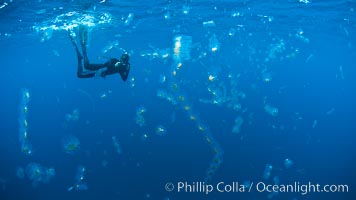
Freediving photographer in a cloud of salps, gelatinous zooplankton that drifts with open ocean currents.
Location: San Diego, California
Image ID: 27012
Location: San Diego, California
Image ID: 27012
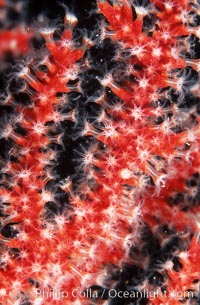
Red gorgonian polyps. The red gorgonian is a colonial organism composed of thousands of tiny polyps. Each polyp secretes calcium which accumulates to form the structure of the colony. The fan-shaped gorgonian is oriented perpendicular to prevailing ocean currents to better enable to filter-feeding polyps to capture passing plankton and detritus passing by.
Species: Red gorgonian, Leptogorgia chilensis, Lophogorgia chilensis
Location: San Clemente Island, California
Image ID: 03480
Species: Red gorgonian, Leptogorgia chilensis, Lophogorgia chilensis
Location: San Clemente Island, California
Image ID: 03480
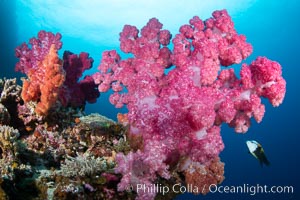
Closeup view of colorful dendronephthya soft corals, reaching out into strong ocean currents to capture passing planktonic food, Fiji.
Species: Dendronephthya soft coral, Dendronephthya
Location: Vatu I Ra Passage, Bligh Waters, Viti Levu Island, Fiji
Image ID: 34780
Species: Dendronephthya soft coral, Dendronephthya
Location: Vatu I Ra Passage, Bligh Waters, Viti Levu Island, Fiji
Image ID: 34780