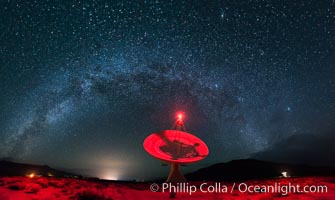
The OVRO 40 meter Telescope, part of the Owens Valley Radio Observatory located near Big Pine, California, USA. The telescope is used to conduct interferometric observations along with the other telescopes in the observatory, as a Very Long Baseline Interferometry (VLBI) station and as a single dish instrument. Its main focus today is on the monitoring of blazars.
Location: Big Pine, California
Image ID: 28796
Panorama dimensions: 7153 x 11978
Location: Big Pine, California
Image ID: 28796
Panorama dimensions: 7153 x 11978
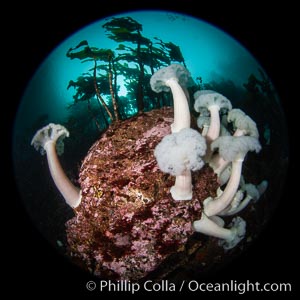
Vancouver Island hosts a profusion of spectacular anemones, on cold water reefs rich with invertebrate life. Browning Pass, Vancouver Island.
Species: Giant plumose anemone, Metridium farcimen
Location: British Columbia, Canada
Image ID: 35250
Species: Giant plumose anemone, Metridium farcimen
Location: British Columbia, Canada
Image ID: 35250
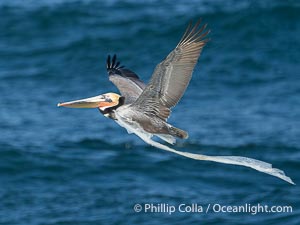
Brown pelican flying while entangled in plastic bag wrapped around its neck. I believe the pelican probably became entangled in the bag by mistaking the floating plastic for food and diving on it, spearing it in such a way that the bag has lodged around the pelican's neck.
Species: Brown Pelican, Pelecanus occidentalis californicus, Pelecanus occidentalis
Location: La Jolla, California
Image ID: 40093
Species: Brown Pelican, Pelecanus occidentalis californicus, Pelecanus occidentalis
Location: La Jolla, California
Image ID: 40093
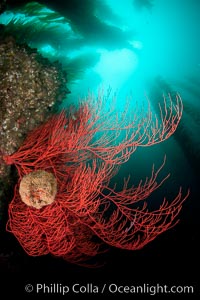
Bryozoan grows on a red gorgonian on rocky reef, below kelp forest, underwater. The red gorgonian is a filter-feeding temperate colonial species that lives on the rocky bottom at depths between 50 to 200 feet deep. Gorgonians are oriented at right angles to prevailing water currents to capture plankton drifting by.
Species: Red gorgonian, Leptogorgia chilensis, Lophogorgia chilensis
Location: San Clemente Island, California
Image ID: 25395
Species: Red gorgonian, Leptogorgia chilensis, Lophogorgia chilensis
Location: San Clemente Island, California
Image ID: 25395
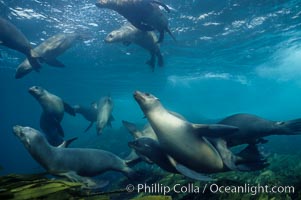
California sea lions swim and socialize over a kelp-covered rocky reef, underwater at San Clemente Island in California's southern Channel Islands.
Species: California sea lion, Zalophus californianus
Location: San Clemente Island, California
Image ID: 02158
Species: California sea lion, Zalophus californianus
Location: San Clemente Island, California
Image ID: 02158
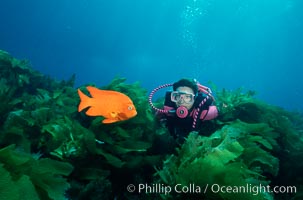
A SCUBA diver swimming over a rocky reef covered with kelp, watches a brightly colored orange garibaldi fish.
Species: Garibaldi, Hypsypops rubicundus
Location: San Clemente Island, California
Image ID: 01113
Species: Garibaldi, Hypsypops rubicundus
Location: San Clemente Island, California
Image ID: 01113
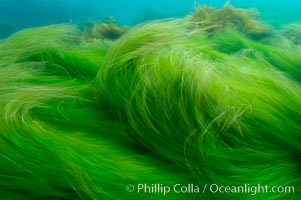
Surf grass on the rocky reef -- appearing blurred in this time exposure -- is tossed back and forth by powerful ocean waves passing by above. San Clemente Island.
Species: Surfgrass, Phyllospadix
Location: San Clemente Island, California
Image ID: 10237
Species: Surfgrass, Phyllospadix
Location: San Clemente Island, California
Image ID: 10237
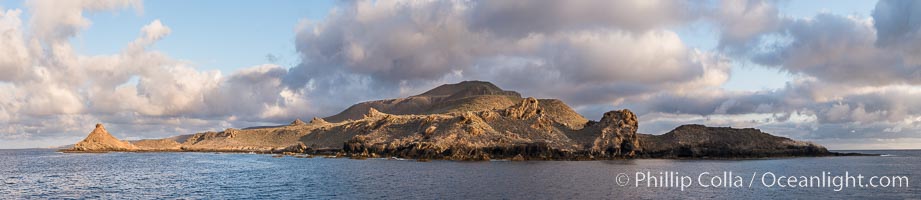
Sunrise at San Clemente Island, south end showing China Hat (Balanced Rock) and Pyramid Head, near Pyramid Cove, storm clouds. Panoramic photo.
Location: San Clemente Island, California
Image ID: 30855
Panorama dimensions: 5232 x 24109
Location: San Clemente Island, California
Image ID: 30855
Panorama dimensions: 5232 x 24109

South American Tern in flight, Sterna hirundinacea, Golfo Nuevo, Peninsula Valdes, Chubut, Argentina. By permission of the Government of Argentina, Chubut, permit # 51 / 2025-SsCyA.
Species: South American Tern, Sterna hirundinacea
Location: Puerto Piramides, Chubut, Argentina
Image ID: 41189
Species: South American Tern, Sterna hirundinacea
Location: Puerto Piramides, Chubut, Argentina
Image ID: 41189
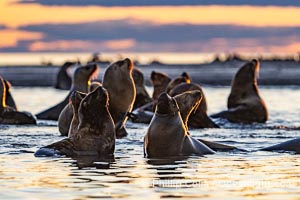
South American Sea Lions at Sunset, Otaria flavescens, Golfo Nuevo, Peninsula Valdes, Chubut, Argentina. By permission of the Government of Argentina, Chubut, permit # 51 / 2025-SsCyA.
Species: South American Sea Lion, Otaria flavescens
Location: Puerto Piramides, Chubut, Argentina
Image ID: 41193
Species: South American Sea Lion, Otaria flavescens
Location: Puerto Piramides, Chubut, Argentina
Image ID: 41193
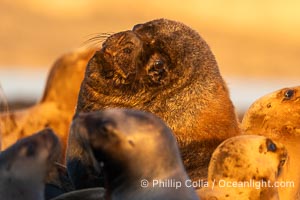
South American Sea Lion, Otaria flavescens, Golfo Nuevo, Peninsula Valdes, Chubut, Argentina. By permission of the Government of Argentina, Chubut, permit # 51 / 2025-SsCyA.
Species: South American Sea Lion, Otaria flavescens
Location: Puerto Piramides, Chubut, Argentina
Image ID: 41194
Species: South American Sea Lion, Otaria flavescens
Location: Puerto Piramides, Chubut, Argentina
Image ID: 41194
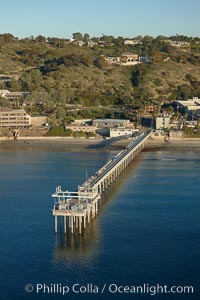
SIO Pier, Scripps Pier, La Jolla. The Scripps Institution of Oceanography research pier is 1090 feet long and was built of reinforced concrete in 1988, replacing the original wooden pier built in 1915. The Scripps Pier is home to a variety of sensing equipment above and below water that collects various oceanographic data. The Scripps research diving facility is located at the foot of the pier. Fresh seawater is pumped from the pier to the many tanks and facilities of SIO, including the Birch Aquarium. The Scripps Pier is named in honor of Ellen Browning Scripps, the most significant donor and benefactor of the Institution.
Location: Scripps Institution of Oceanography, La Jolla, California
Image ID: 22286
Location: Scripps Institution of Oceanography, La Jolla, California
Image ID: 22286
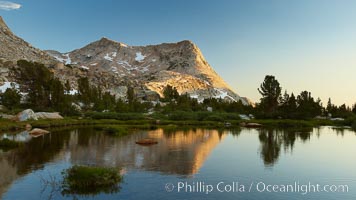
Vogelsang Peak (11516') at sunset, reflected in a small creek near Vogelsang High Sierra Camp in Yosemite's high country.
Location: Yosemite National Park, California
Image ID: 23202
Location: Yosemite National Park, California
Image ID: 23202
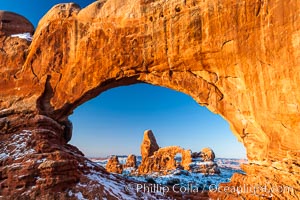
Turret Arch through North Window, winter, sunrise.
Location: North Window, Arches National Park, Utah
Image ID: 18120
Location: North Window, Arches National Park, Utah
Image ID: 18120
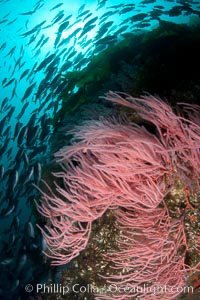
Red gorgonian on rocky reef, below kelp forest, underwater. The red gorgonian is a filter-feeding temperate colonial species that lives on the rocky bottom at depths between 50 to 200 feet deep. Gorgonians are oriented at right angles to prevailing water currents to capture plankton drifting by.
Species: Red gorgonian, Leptogorgia chilensis, Lophogorgia chilensis
Location: San Clemente Island, California
Image ID: 25393
Species: Red gorgonian, Leptogorgia chilensis, Lophogorgia chilensis
Location: San Clemente Island, California
Image ID: 25393
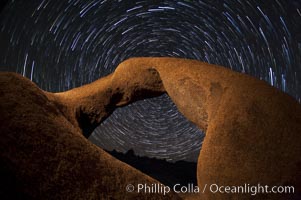
Mobius Arch in the Alabama Hills, seen here at night with swirling star trails formed in the sky above due to a long time exposure.
Location: Alabama Hills Recreational Area, California
Image ID: 27681
Location: Alabama Hills Recreational Area, California
Image ID: 27681
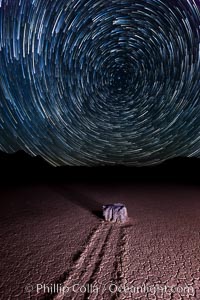
Racetrack sailing stone and star trails. A sliding rock of the Racetrack Playa. The sliding rocks, or sailing stones, move across the mud flats of the Racetrack Playa, leaving trails behind in the mud. The explanation for their movement is not known with certainty, but many believe wind pushes the rocks over wet and perhaps icy mud in winter.
Location: Racetrack Playa, Death Valley National Park, California
Image ID: 27671
Location: Racetrack Playa, Death Valley National Park, California
Image ID: 27671
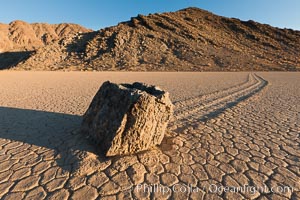
Sailing stone on the Racetrack Playa. The sliding rocks, or sailing stones, move across the mud flats of the Racetrack Playa, leaving trails behind in the mud. The explanation for their movement is not known with certainty, but many believe wind pushes the rocks over wet and perhaps icy mud in winter.
Location: Racetrack Playa, Death Valley National Park, California
Image ID: 27689
Location: Racetrack Playa, Death Valley National Park, California
Image ID: 27689
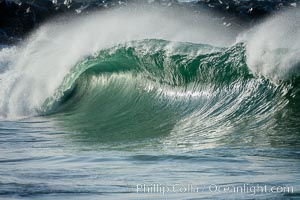
A large, powerful wave breaks with offshore winds at the Wedge in Newport Beach.
Location: The Wedge, Newport Beach, California
Image ID: 18706
Location: The Wedge, Newport Beach, California
Image ID: 18706
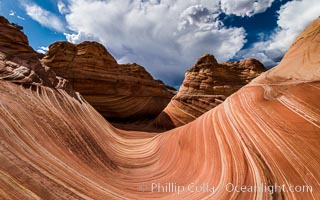
The Wave in the North Coyote Buttes, an area of fantastic eroded sandstone featuring beautiful swirls, wild colors, countless striations, and bizarre shapes set amidst the dramatic surrounding North Coyote Buttes of Arizona and Utah. The sandstone formations of the North Coyote Buttes, including the Wave, date from the Jurassic period. Managed by the Bureau of Land Management, the Wave is located in the Paria Canyon-Vermilion Cliffs Wilderness and is accessible on foot by permit only.
Location: North Coyote Buttes, Paria Canyon-Vermilion Cliffs Wilderness, Arizona
Image ID: 28601
Location: North Coyote Buttes, Paria Canyon-Vermilion Cliffs Wilderness, Arizona
Image ID: 28601
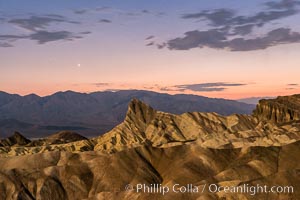
Venus sets over Manley Beacon and the Panamint Mountains, viewed from Zabriskie Point, landscape lit by a full moon, evening, stars.
Location: Zabriskie Point, Death Valley National Park, California
Image ID: 28677
Location: Zabriskie Point, Death Valley National Park, California
Image ID: 28677
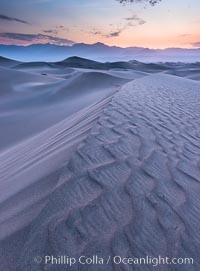
Mesquite Dunes sunrise, dawn, clouds and morning sky, sand dunes.
Location: Stovepipe Wells, Death Valley National Park, California
Image ID: 28680
Location: Stovepipe Wells, Death Valley National Park, California
Image ID: 28680
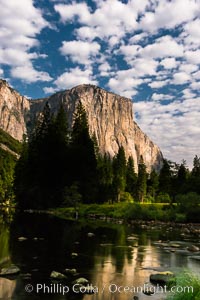
El Capitan and clouds lit by full moon, stars, evening.
Location: El Capitan, Yosemite National Park, California
Image ID: 28695
Location: El Capitan, Yosemite National Park, California
Image ID: 28695
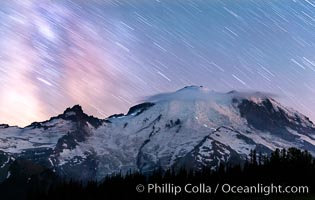
Moutain climbers light see upon Mount Rainier, Milky Way and stars at night above Mount Rainier.
Location: Sunrise, Mount Rainier National Park, Washington
Image ID: 28726
Location: Sunrise, Mount Rainier National Park, Washington
Image ID: 28726
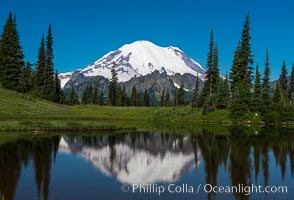
Mount Rainier reflected in Tipsoo Lake.
Location: Tipsoo Lakes, Mount Rainier National Park, Washington
Image ID: 28734
Location: Tipsoo Lakes, Mount Rainier National Park, Washington
Image ID: 28734
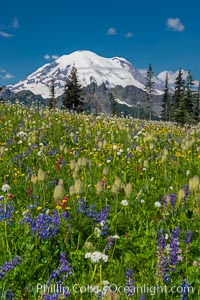
Mount Rainier and alpine wildflowers.
Location: Tipsoo Lakes, Mount Rainier National Park, Washington
Image ID: 28739
Location: Tipsoo Lakes, Mount Rainier National Park, Washington
Image ID: 28739
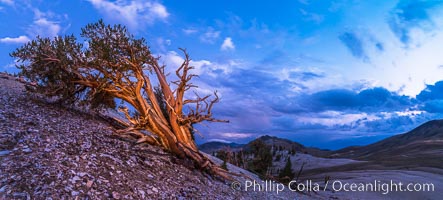
Ancient Bristlecone Pine Tree at sunset, panorama, with storm clouds passing over the White Mountains. The eastern Sierra Nevada is just visible in the distance.
Species: Ancient bristlecone pine, Pinus longaeva
Location: Ancient Bristlecone Pine Forest, White Mountains, Inyo National Forest, California
Image ID: 28781
Panorama dimensions: 4549 x 10085
Species: Ancient bristlecone pine, Pinus longaeva
Location: Ancient Bristlecone Pine Forest, White Mountains, Inyo National Forest, California
Image ID: 28781
Panorama dimensions: 4549 x 10085
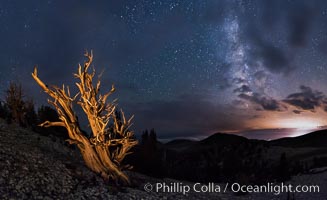
Ancient Bristlecone Pine Tree at night, stars and the Milky Way galaxy visible in the evening sky, near Patriarch Grove.
Species: Ancient bristlecone pine, Pinus longaeva
Location: Ancient Bristlecone Pine Forest, White Mountains, Inyo National Forest, California
Image ID: 28782
Panorama dimensions: 5237 x 8556
Species: Ancient bristlecone pine, Pinus longaeva
Location: Ancient Bristlecone Pine Forest, White Mountains, Inyo National Forest, California
Image ID: 28782
Panorama dimensions: 5237 x 8556