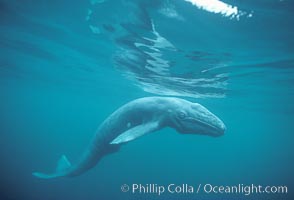
A neonate gray whale calf, born just hours before, still exhbiting embryonic folds in the skin along its side. This baby gray whale was born in the cold waters of Big Sur, far to the north of the Mexican lagoons of Baja California where most gray whale births take place.
Species: Gray whale, Eschrichtius robustus
Location: Monterey, California
Image ID: 01135
Species: Gray whale, Eschrichtius robustus
Location: Monterey, California
Image ID: 01135
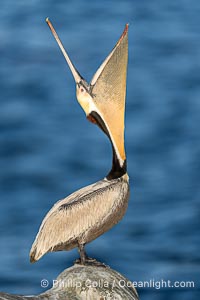
A Perfect Yellow Phase Brown Pelican Head Throw with Distant Ocean in Background, bending over backwards, stretching its neck and gular pouch. Note the winter breeding plumage except with bright yellow throat instead of the more typical red, yellow head, pink skin around the eye, brown hind neck with some white neck side detail, gray breast and body.
Species: Brown Pelican, Pelecanus occidentalis, Pelecanus occidentalis californicus
Location: La Jolla, California
Image ID: 40809
Species: Brown Pelican, Pelecanus occidentalis, Pelecanus occidentalis californicus
Location: La Jolla, California
Image ID: 40809
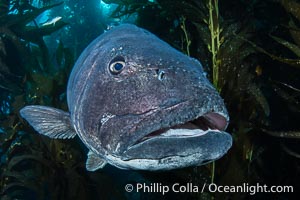
Closeup Portrait of the Face of a Giant Black Sea Bass, showing parasitic sea lice. The sea lice are parasites that find their nutrition from the skin and blood of the host giant sea bass. Smaller fishes such as senoritas and wrasses will commonly clean the sea lice off the giant sea bass.
Species: Giant black sea bass, Stereolepis gigas
Location: Catalina Island, California
Image ID: 39436
Species: Giant black sea bass, Stereolepis gigas
Location: Catalina Island, California
Image ID: 39436
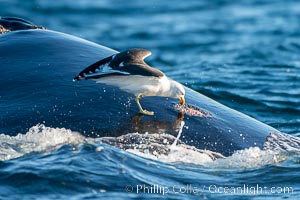
Seagull picks skin off a southern right whale, leaving a lesion that may become infected and which scientists have shown to be stressful to young calves.
Species: Southern Right Whale, Eubalaena australis
Location: Puerto Piramides, Chubut, Argentina
Image ID: 38333
Species: Southern Right Whale, Eubalaena australis
Location: Puerto Piramides, Chubut, Argentina
Image ID: 38333
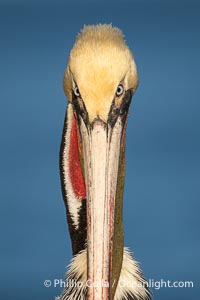
Study of a California brown pelican in winter breeding plumage, yellow head, red and olive throat, pink skin around the eye, brown hind neck with some white neck side detail.
Species: Brown Pelican, Pelecanus occidentalis, Pelecanus occidentalis californicus
Location: La Jolla, California
Image ID: 39870
Species: Brown Pelican, Pelecanus occidentalis, Pelecanus occidentalis californicus
Location: La Jolla, California
Image ID: 39870
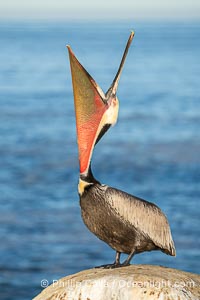
A Perfect Brown Pelican Head Throw with Distant Ocean in Background, bending over backwards, stretching its neck and gular pouch. Note the winter breeding plumage, yellow head, red and olive throat, pink skin around the eye, brown hind neck with some white neck side detail, gray breast and body.
Species: Brown Pelican, Pelecanus occidentalis, Pelecanus occidentalis californicus
Location: La Jolla, California
Image ID: 40794
Species: Brown Pelican, Pelecanus occidentalis, Pelecanus occidentalis californicus
Location: La Jolla, California
Image ID: 40794
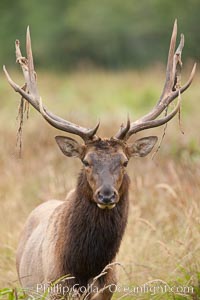
Roosevelt elk, adult bull male with large antlers. This bull elk has recently shed the velvet that covers its antlers. While an antler is growing, it is covered with highly vascular skin called velvet, which supplies oxygen and nutrients to the growing bone; once the antler has achieved its full size, the velvet is lost and the antler's bone dies. This dead bone structure is the mature antler, which is itself shed after each mating season. Roosevelt elk grow to 10' and 1300 lb, eating grasses, sedges and various berries, inhabiting the coastal rainforests of the Pacific Northwest.
Species: Roosevelt elk, Cervus canadensis roosevelti
Location: Redwood National Park, California
Image ID: 25890
Species: Roosevelt elk, Cervus canadensis roosevelti
Location: Redwood National Park, California
Image ID: 25890
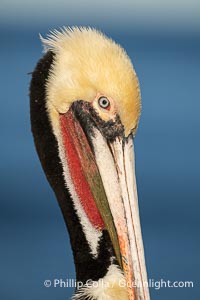
Study of a California brown pelican in winter breeding plumage, yellow head, red and olive throat, pink skin around the eye, brown hind neck with some white neck side detail.
Species: Brown Pelican, Pelecanus occidentalis, Pelecanus occidentalis californicus
Location: La Jolla, California
Image ID: 39871
Panorama dimensions: 8640 x 5760
Species: Brown Pelican, Pelecanus occidentalis, Pelecanus occidentalis californicus
Location: La Jolla, California
Image ID: 39871
Panorama dimensions: 8640 x 5760
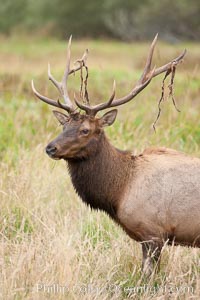
Roosevelt elk, adult bull male with large antlers. This bull elk has recently shed the velvet that covers its antlers. While an antler is growing, it is covered with highly vascular skin called velvet, which supplies oxygen and nutrients to the growing bone; once the antler has achieved its full size, the velvet is lost and the antler's bone dies. This dead bone structure is the mature antler, which is itself shed after each mating season. Roosevelt elk grow to 10' and 1300 lb, eating grasses, sedges and various berries, inhabiting the coastal rainforests of the Pacific Northwest.
Species: Roosevelt elk, Cervus canadensis roosevelti
Location: Redwood National Park, California
Image ID: 25878
Species: Roosevelt elk, Cervus canadensis roosevelti
Location: Redwood National Park, California
Image ID: 25878
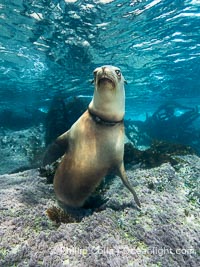
Female California Sea Lion with Severe Fishing Line Entanglement Injury, in the Coronado Islands, Baja California, Mexico. The line is buried in the sea lion's tissue so far that is difficult to see. It is possible this synthetic line will continue to cut into the skin of this sea lion until it succumbs to infection or blood loss. I have never seen any marine mammal rescue teams at the Coronado islands and suspect this poor animal will not live long.
Species: California sea lion, Zalophus californianus
Location: Coronado Islands (Islas Coronado), Baja California, Mexico
Image ID: 39959
Species: California sea lion, Zalophus californianus
Location: Coronado Islands (Islas Coronado), Baja California, Mexico
Image ID: 39959
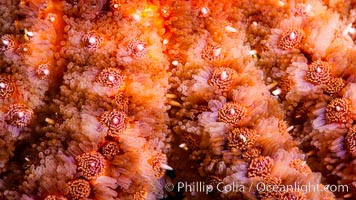
Starfish detail, sea star skin details, Vancouver Island, Canada.
Location: British Columbia, Canada
Image ID: 35313
Location: British Columbia, Canada
Image ID: 35313
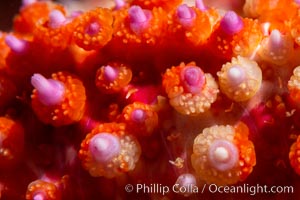
Starfish detail, sea star skin details, Vancouver Island, Canada.
Location: British Columbia, Canada
Image ID: 35314
Location: British Columbia, Canada
Image ID: 35314
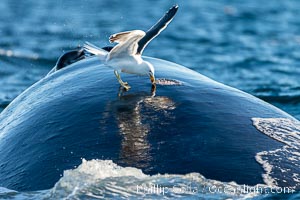
Seagull picks skin off a southern right whale, leaving a lesion that may become infected and which scientists have shown to be stressful to young calves.
Species: Southern Right Whale, Eubalaena australis
Location: Puerto Piramides, Chubut, Argentina
Image ID: 38334
Species: Southern Right Whale, Eubalaena australis
Location: Puerto Piramides, Chubut, Argentina
Image ID: 38334
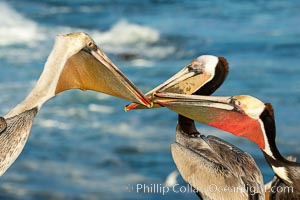
Three California brown pelicans mock jousting, displaying vividly-colored throat skin and breeding plumage. Two display full breeding plumage with brown hind-neck, the third appears to be sub-adult. Note also these three display yellow, orange and the more-typical red throat coloration.
Species: Brown Pelican, Pelecanus occidentalis, Pelecanus occidentalis californicus
Location: La Jolla, California
Image ID: 36725
Species: Brown Pelican, Pelecanus occidentalis, Pelecanus occidentalis californicus
Location: La Jolla, California
Image ID: 36725
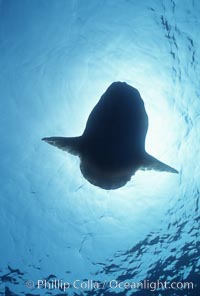
Ocean sunfish, basking at surface, viewed from underwater, open ocean.
Species: Ocean sunfish, Mola mola
Location: San Diego, California
Image ID: 03311
Species: Ocean sunfish, Mola mola
Location: San Diego, California
Image ID: 03311
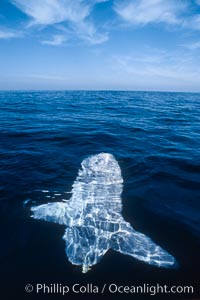
Ocean sunfish sunning/basking at surface in the open ocean.
Species: Ocean sunfish, Mola mola
Location: San Diego, California
Image ID: 03498
Species: Ocean sunfish, Mola mola
Location: San Diego, California
Image ID: 03498
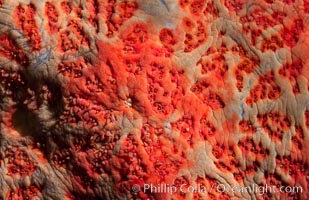
Starfish detail, sea star skin details, Vancouver Island, Canada.
Location: British Columbia, Canada
Image ID: 35373
Location: British Columbia, Canada
Image ID: 35373
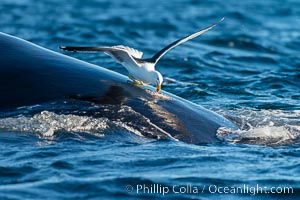
Seagull picks skin off a southern right whale, leaving a lesion that may become infected and which scientists have shown to be stressful to young calves.
Species: Southern Right Whale, Eubalaena australis
Location: Puerto Piramides, Chubut, Argentina
Image ID: 38332
Species: Southern Right Whale, Eubalaena australis
Location: Puerto Piramides, Chubut, Argentina
Image ID: 38332
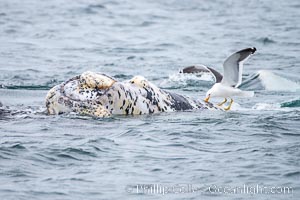
Sea gull picks skin from a white southern right whale calf.
Species: Southern Right Whale, Eubalaena australis
Location: Puerto Piramides, Chubut, Argentina
Image ID: 38408
Species: Southern Right Whale, Eubalaena australis
Location: Puerto Piramides, Chubut, Argentina
Image ID: 38408
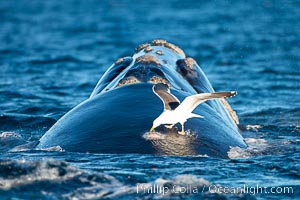
Seagull picks skin off a southern right whale, leaving a lesion that may become infected and which scientists have shown to be stressful to young calves.
Species: Southern Right Whale, Eubalaena australis
Location: Puerto Piramides, Chubut, Argentina
Image ID: 38454
Species: Southern Right Whale, Eubalaena australis
Location: Puerto Piramides, Chubut, Argentina
Image ID: 38454
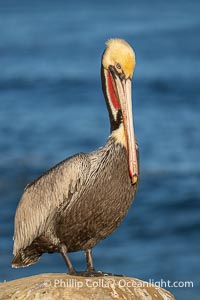
Study of a California brown pelican in winter breeding plumage, yellow head, red and olive throat, pink skin around the eye, brown hind neck with some white neck side detail, gray breast and body.
Species: Brown Pelican, Pelecanus occidentalis, Pelecanus occidentalis californicus
Location: La Jolla, California
Image ID: 39869
Species: Brown Pelican, Pelecanus occidentalis, Pelecanus occidentalis californicus
Location: La Jolla, California
Image ID: 39869
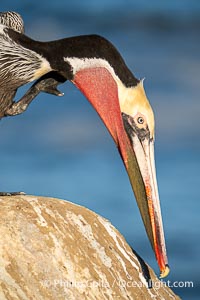
Study of a California brown pelican in winter breeding plumage, yellow head, red and olive throat, pink skin around the eye, brown hind neck with some white neck side detail.
Species: Brown Pelican, Pelecanus occidentalis, Pelecanus occidentalis californicus
Location: La Jolla, California
Image ID: 39872
Panorama dimensions: 8640 x 5760
Species: Brown Pelican, Pelecanus occidentalis, Pelecanus occidentalis californicus
Location: La Jolla, California
Image ID: 39872
Panorama dimensions: 8640 x 5760
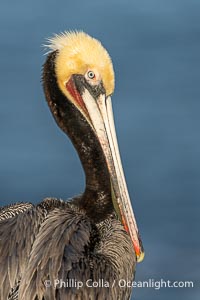
Portrait of a California brown pelican in winter breeding plumage, yellow head, red throat, pink skin around the eye, brown hind neck. Brown pelicans were formerly an endangered species. In 1972, the United States Environmental Protection Agency banned the use of DDT. Since that time, populations of pelicans have recovered and expanded. The recovery has been so successful that brown pelicans were taken off the endangered species list in 2009.
Species: Brown Pelican, Pelecanus occidentalis, Pelecanus occidentalis californicus
Location: La Jolla, California
Image ID: 40017
Species: Brown Pelican, Pelecanus occidentalis, Pelecanus occidentalis californicus
Location: La Jolla, California
Image ID: 40017
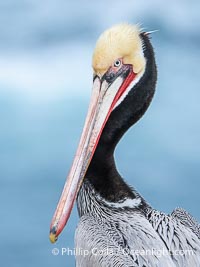
Portrait of a California brown pelican in winter breeding plumage, yellow head, red throat, pink skin around the eye, brown hind neck. Brown pelicans were formerly an endangered species. In 1972, the United States Environmental Protection Agency banned the use of DDT. Since that time, populations of pelicans have recovered and expanded. The recovery has been so successful that brown pelicans were taken off the endangered species list in 2009.
Species: Brown Pelican, Pelecanus occidentalis, Pelecanus occidentalis californicus
Location: La Jolla, California
Image ID: 40018
Species: Brown Pelican, Pelecanus occidentalis, Pelecanus occidentalis californicus
Location: La Jolla, California
Image ID: 40018
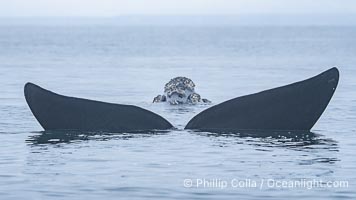
Southern right whale in the "galleon position", floating on the surface of the water with only its rostrum and fluke out of the water, in an effort to avoid gulls picking at the skin of its back. By permission of the Government of Argentina, Chubut, permit # 51 / 2025-SsCyA.
Species: Southern Right Whale, Eubalaena australis
Location: Puerto Piramides, Chubut, Argentina
Image ID: 41223
Species: Southern Right Whale, Eubalaena australis
Location: Puerto Piramides, Chubut, Argentina
Image ID: 41223
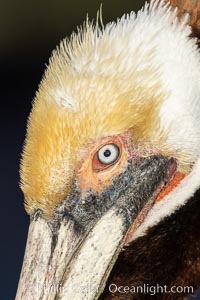
Brown pelican close up portrait, showing eye and transition from plumage to beak, with winter yellow and white head feathers as well as pink skin coloration around the eye.
Species: Brown Pelican, Pelecanus occidentalis, Pelecanus occidentalis californicus
Location: La Jolla, California
Image ID: 36851
Species: Brown Pelican, Pelecanus occidentalis, Pelecanus occidentalis californicus
Location: La Jolla, California
Image ID: 36851
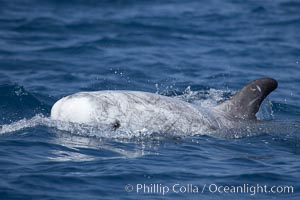
Rissos dolphin. Note distinguishing and highly variable skin and dorsal fin patterns, characteristic of this species. White scarring, likely caused by other Risso dolphins teeth, accumulates during the dolphins life so that adult Rissos dolphins are usually almost entirely white.
Species: Risso's dolphin, Grampus griseus
Location: San Diego, California
Image ID: 12792
Species: Risso's dolphin, Grampus griseus
Location: San Diego, California
Image ID: 12792
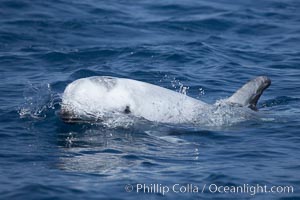
Rissos dolphin. Note distinguishing and highly variable skin and dorsal fin patterns, characteristic of this species. White scarring, likely caused by other Risso dolphins teeth, accumulates during the dolphins life so that adult Rissos dolphins are usually almost entirely white.
Species: Risso's dolphin, Grampus griseus
Location: San Diego, California
Image ID: 12799
Species: Risso's dolphin, Grampus griseus
Location: San Diego, California
Image ID: 12799
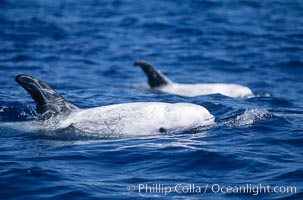
Rissos dolphin surfacing with eye showing. Note distinguishing and highly variable skin and dorsal fin patterns, characteristic of this species. White scarring, likely caused by other Risso dolphins teeth, accumulates during the dolphins life so that adult Rissos dolphins are almost entirely white. San Diego.
Species: Risso's dolphin, Grampus griseus
Location: San Diego, California
Image ID: 02314
Species: Risso's dolphin, Grampus griseus
Location: San Diego, California
Image ID: 02314
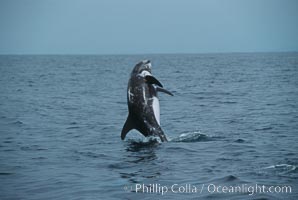
Rissos dolphin, breaching. Note distinguishing and highly variable skin and dorsal fin patterns, characteristic of this species. White scarring, likely caused by other Risso dolphins teeth, accumulates during the dolphins life so that adult Rissos dolphins are almost entirely white. San Diego.
Species: Risso's dolphin, Grampus griseus
Location: San Diego, California
Image ID: 00983
Species: Risso's dolphin, Grampus griseus
Location: San Diego, California
Image ID: 00983