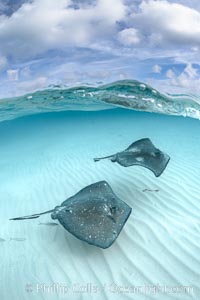
Southern Stingrays, Stingray City, Grand Cayman Island.
Species: Southern stingray, Dasyatis americana
Location: Stingray City, Grand Cayman, Cayman Islands
Image ID: 32171
Species: Southern stingray, Dasyatis americana
Location: Stingray City, Grand Cayman, Cayman Islands
Image ID: 32171
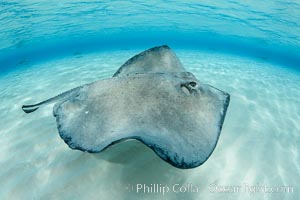
Southern Stingray, Stingray City, Grand Cayman Island.
Species: Southern stingray, Dasyatis americana
Location: Stingray City, Grand Cayman, Cayman Islands
Image ID: 32217
Species: Southern stingray, Dasyatis americana
Location: Stingray City, Grand Cayman, Cayman Islands
Image ID: 32217
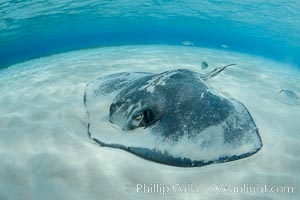
Southern Stingray, Stingray City, Grand Cayman Island.
Species: Southern stingray, Dasyatis americana
Location: Stingray City, Grand Cayman, Cayman Islands
Image ID: 32222
Species: Southern stingray, Dasyatis americana
Location: Stingray City, Grand Cayman, Cayman Islands
Image ID: 32222
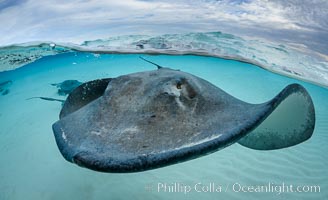
Southern Stingray, Stingray City, Grand Cayman Island.
Species: Southern stingray, Dasyatis americana
Location: Stingray City, Grand Cayman, Cayman Islands
Image ID: 32231
Species: Southern stingray, Dasyatis americana
Location: Stingray City, Grand Cayman, Cayman Islands
Image ID: 32231
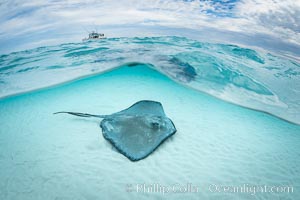
Southern Stingray, Stingray City, Grand Cayman Island.
Species: Southern stingray, Dasyatis americana
Location: Stingray City, Grand Cayman, Cayman Islands
Image ID: 32232
Species: Southern stingray, Dasyatis americana
Location: Stingray City, Grand Cayman, Cayman Islands
Image ID: 32232
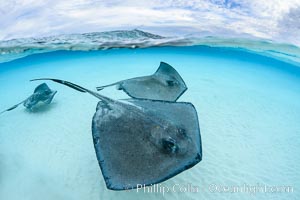
Southern Stingrays, Stingray City, Grand Cayman Island.
Species: Southern stingray, Dasyatis americana
Location: Stingray City, Grand Cayman, Cayman Islands
Image ID: 32235
Species: Southern stingray, Dasyatis americana
Location: Stingray City, Grand Cayman, Cayman Islands
Image ID: 32235
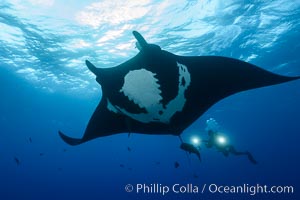
Giant Manta Ray at Socorro Island, Revillagigedos, Mexico.
Species: Giant manta ray, Manta birostris
Location: Socorro Island (Islas Revillagigedos), Baja California, Mexico
Image ID: 33291
Species: Giant manta ray, Manta birostris
Location: Socorro Island (Islas Revillagigedos), Baja California, Mexico
Image ID: 33291
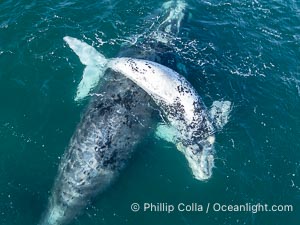
Aerial photo of white Southern Right Whale calf with its mother. The mother is gray in color, rather than dark black, since she was a white calf herself and gradually darkened to gray as she matured. About five per cent of southern right whales are born white due to a condition known as grey morphism and will gradually turn dark as they age. They are not albino (which is a complete lack of pigmentation). The white coloration is a recessive genetic trait and only lasts a few months. Typically white calves become much darker as they mature but will still be lighter than normal even as adults. By permission of the Government of Argentina, Chubut, permit # 51 / 2025-SsCyA.
Species: Southern Right Whale, Eubalaena australis
Location: Puerto Piramides, Chubut, Argentina
Image ID: 41180
Species: Southern Right Whale, Eubalaena australis
Location: Puerto Piramides, Chubut, Argentina
Image ID: 41180
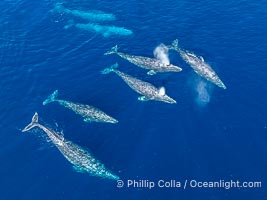
Large Seven Animal Gray Whale Courtship Group, Aerial Photo, San Diego. Courtship during the southern migration, far to the north of the Mexican lagoons of Baja California where most gray whale births take place.
Species: Gray whale, Eschrichtius robustus
Image ID: 41521
Species: Gray whale, Eschrichtius robustus
Image ID: 41521
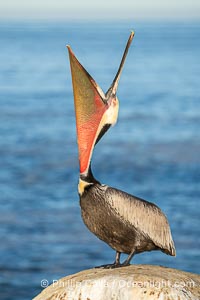
A Perfect Brown Pelican Head Throw with Distant Ocean in Background, bending over backwards, stretching its neck and gular pouch. Note the winter breeding plumage, yellow head, red and olive throat, pink skin around the eye, brown hind neck with some white neck side detail, gray breast and body.
Species: Brown Pelican, Pelecanus occidentalis, Pelecanus occidentalis californicus
Location: La Jolla, California
Image ID: 40794
Species: Brown Pelican, Pelecanus occidentalis, Pelecanus occidentalis californicus
Location: La Jolla, California
Image ID: 40794
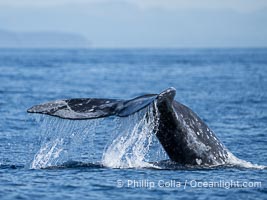
Gray Whale Raising Fluke Before Diving, San Diego, on southern migration to calving lagoons in Baja.
Species: Gray whale, Eschrichtius robustus
Image ID: 41529
Species: Gray whale, Eschrichtius robustus
Image ID: 41529
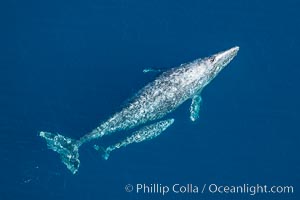
Aerial photo of gray whale calf and mother. This baby gray whale was born during the southern migration, far to the north of the Mexican lagoons of Baja California where most gray whale births take place.
Species: Gray whale, Eschrichtius robustus
Location: San Clemente, California
Image ID: 29017
Species: Gray whale, Eschrichtius robustus
Location: San Clemente, California
Image ID: 29017

California Brown Pelican flying over a breaking wave.
Species: Brown Pelican, Pelecanus occidentalis, Pelecanus occidentalis californicus
Location: La Jolla, California
Image ID: 30364
Species: Brown Pelican, Pelecanus occidentalis, Pelecanus occidentalis californicus
Location: La Jolla, California
Image ID: 30364
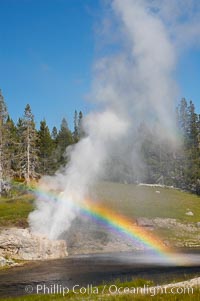
A rainbow appears in the spray of Riverside Geyser as it erupts over the Firehole River. Riverside is a very predictable geyser. Its eruptions last 30 minutes, reach heights of 75 feet and are usually spaced about 6 hours apart. Upper Geyser Basin.
Location: Upper Geyser Basin, Yellowstone National Park, Wyoming
Image ID: 13367
Location: Upper Geyser Basin, Yellowstone National Park, Wyoming
Image ID: 13367
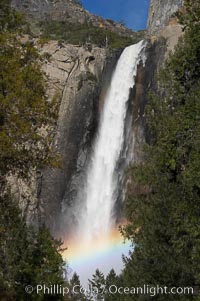
Bridalveil Falls with a rainbow forming in its spray, dropping 620 into Yosemite Valley, displaying peak water flow in spring months from deep snowpack and warm weather melt. Yosemite Valley.
Location: Bridalveil Falls, Yosemite National Park, California
Image ID: 16160
Location: Bridalveil Falls, Yosemite National Park, California
Image ID: 16160

Breaking wave, Ponto, South Carlsbad, California.
Location: Ponto, Carlsbad, California
Image ID: 17407
Location: Ponto, Carlsbad, California
Image ID: 17407


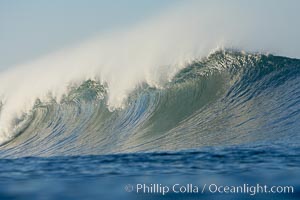

Tony Gatti, Ponto, South Carlsbad, morning surf.
Location: Ponto, Carlsbad, California
Image ID: 17777
Location: Ponto, Carlsbad, California
Image ID: 17777

Tony Gatti, Ponto, South Carlsbad, morning surf.
Location: Ponto, Carlsbad, California
Image ID: 17780
Location: Ponto, Carlsbad, California
Image ID: 17780


A wave, breaking with powerful energy, at the Wedge in Newport Beach.
Location: The Wedge, Newport Beach, California
Image ID: 16988
Location: The Wedge, Newport Beach, California
Image ID: 16988
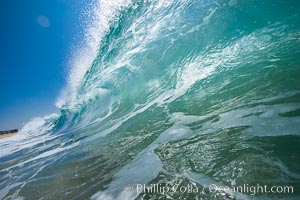
A wave, breaking with powerful energy, at the Wedge in Newport Beach.
Location: The Wedge, Newport Beach, California
Image ID: 16992
Location: The Wedge, Newport Beach, California
Image ID: 16992
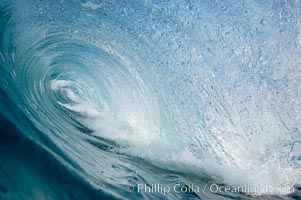
A tube, the inside of a breaking wave.
Location: The Wedge, Newport Beach, California
Image ID: 17007
Location: The Wedge, Newport Beach, California
Image ID: 17007
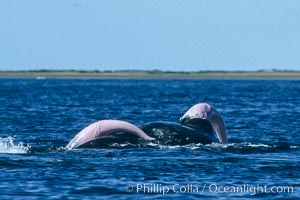
Gray whales, two males both with extended penis during courtship socialization, Laguna San Ignacio.
Species: Gray whale, Eschrichtius robustus
Location: San Ignacio Lagoon, Baja California, Mexico
Image ID: 06431
Species: Gray whale, Eschrichtius robustus
Location: San Ignacio Lagoon, Baja California, Mexico
Image ID: 06431

California Pelican flying on a wave, riding the updraft from the wave.
Species: Brown Pelican, Pelecanus occidentalis, Pelecanus occidentalis californicus
Image ID: 30257
Species: Brown Pelican, Pelecanus occidentalis, Pelecanus occidentalis californicus
Image ID: 30257

California Brown Pelican flying over a breaking wave.
Species: Brown Pelican, Pelecanus occidentalis, Pelecanus occidentalis californicus
Location: La Jolla, California
Image ID: 30353
Species: Brown Pelican, Pelecanus occidentalis, Pelecanus occidentalis californicus
Location: La Jolla, California
Image ID: 30353

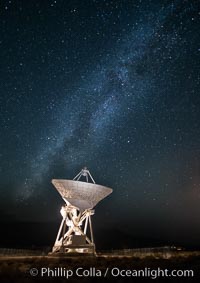
Radio telescope antenna, part of the Very Long Baseline Array (VLBA). The Very Long Baseline Array (VLBA) is a system of ten radio telescopes which are operated remotely from their Array Operations Center located in Socorro, New Mexico, as a part of the National Radio Astronomy Observatory (NRAO). These ten radio antennas work together as an array that forms the longest system in the world that uses very long baseline interferometry.
Location: Big Pine, California
Image ID: 28787
Location: Big Pine, California
Image ID: 28787