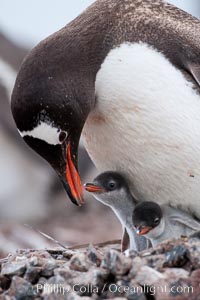
Gentoo penguin tending to its two chicks. The nest is made of small stones.
Species: Gentoo penguin, Pygoscelis papua
Location: Cuverville Island, Antarctic Peninsula, Antarctica
Image ID: 25506
Species: Gentoo penguin, Pygoscelis papua
Location: Cuverville Island, Antarctic Peninsula, Antarctica
Image ID: 25506
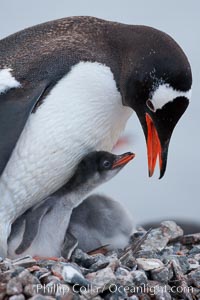
Gentoo penguin tending to its two chicks. The nest is made of small stones.
Species: Gentoo penguin, Pygoscelis papua
Location: Cuverville Island, Antarctic Peninsula, Antarctica
Image ID: 25513
Species: Gentoo penguin, Pygoscelis papua
Location: Cuverville Island, Antarctic Peninsula, Antarctica
Image ID: 25513
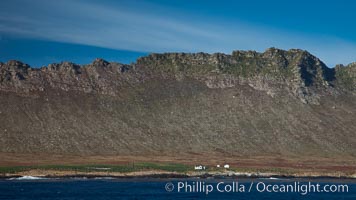
Steeple Jason Island, one of the remote Jason Group of Islands in the West Falklands. Two large mounds of tussock grass, common throughout the Falkland Islands, are seen. Uninhabited, the island is spectacular both for its rugged scenery and its enormous breeding colony of black-browed albatross. Steeple Jason Island is now owned and administered by the Wildlife Conservation Society.
Location: Steeple Jason Island, Falkland Islands, United Kingdom
Image ID: 24128
Location: Steeple Jason Island, Falkland Islands, United Kingdom
Image ID: 24128
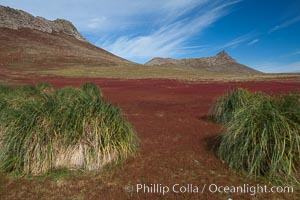
Steeple Jason Island, one of the remote Jason Group of Islands in the West Falklands. Two large mounds of tussock grass, common throughout the Falkland Islands, are seen. Uninhabited, the island is spectacular both for its rugged scenery and its enormous breeding colony of black-browed albatross. Steeple Jason Island is now owned and administered by the Wildlife Conservation Society.
Location: Steeple Jason Island, Falkland Islands, United Kingdom
Image ID: 24163
Location: Steeple Jason Island, Falkland Islands, United Kingdom
Image ID: 24163
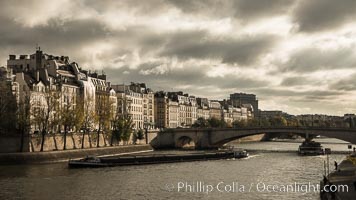
Ile Saint-Louis, is one of two natural islands in the Seine river, in Paris, France. The island is named after King Louis IX of France (Saint Louis). The island is connected to the rest of Paris by bridges to both banks of the river and by the Pont Saint Louis to the Ile de la Cite.
Location: Ile Saint-Louis, Paris, France
Image ID: 28145
Location: Ile Saint-Louis, Paris, France
Image ID: 28145
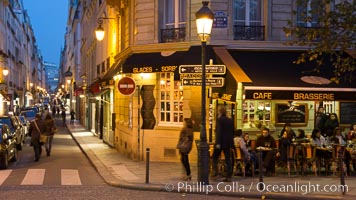
Ile Saint-Louis, is one of two natural islands in the Seine river, in Paris, France. The island is named after King Louis IX of France (Saint Louis). The island is connected to the rest of Paris by bridges to both banks of the river and by the Pont Saint Louis to the Ile de la Cite.
Location: Ile Saint-Louis, Paris, France
Image ID: 28202
Location: Ile Saint-Louis, Paris, France
Image ID: 28202
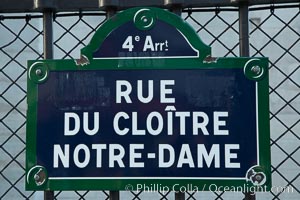
Ile de la Cite, one of two remaining natural islands in the Seine within the city of Paris It is the center of Paris and the location where the medieval city was refounded.
Location: Ile de la Cite, Paris, France
Image ID: 28215
Location: Ile de la Cite, Paris, France
Image ID: 28215
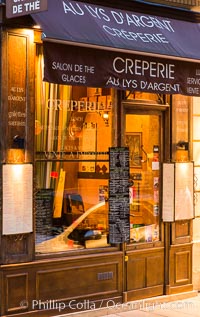
Ile Saint-Louis, is one of two natural islands in the Seine river, in Paris, France. The island is named after King Louis IX of France (Saint Louis). The island is connected to the rest of Paris by bridges to both banks of the river and by the Pont Saint Louis to the Ile de la Cite.
Location: Ile Saint-Louis, Paris, France
Image ID: 28244
Location: Ile Saint-Louis, Paris, France
Image ID: 28244
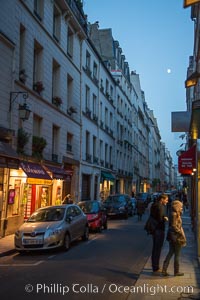
Ile Saint-Louis, is one of two natural islands in the Seine river, in Paris, France. The island is named after King Louis IX of France (Saint Louis). The island is connected to the rest of Paris by bridges to both banks of the river and by the Pont Saint Louis to the Ile de la Cite.
Location: Ile Saint-Louis, Paris, France
Image ID: 28245
Location: Ile Saint-Louis, Paris, France
Image ID: 28245
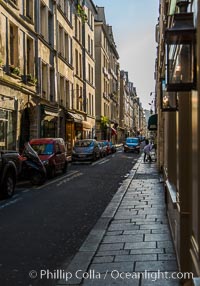
Ile Saint-Louis, is one of two natural islands in the Seine river, in Paris, France. The island is named after King Louis IX of France (Saint Louis). The island is connected to the rest of Paris by bridges to both banks of the river and by the Pont Saint Louis to the Ile de la Cite.
Location: Ile Saint-Louis, Paris, France
Image ID: 28253
Location: Ile Saint-Louis, Paris, France
Image ID: 28253
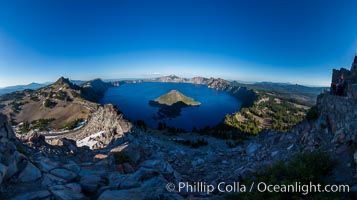
Panorama of Crater Lake from Watchman Lookout Station, panoramic picture. The Watchman Lookout Station No. 168 is one of two fire lookout towers in Crater Lake National Park in southern Oregon. For many years, National Park Service personnel used the lookout to watch for wildfires during the summer months. It is also a popular hiking destination because it offers an excellent view of Crater Lake and the surrounding area.
Location: Crater Lake National Park, Oregon
Image ID: 28647
Panorama dimensions: 5807 x 11700
Location: Crater Lake National Park, Oregon
Image ID: 28647
Panorama dimensions: 5807 x 11700
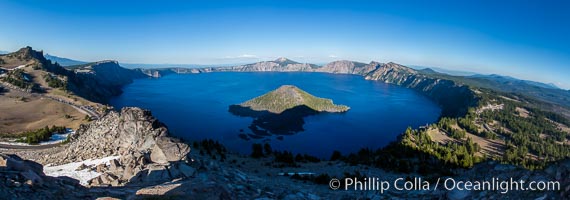
Panorama of Crater Lake from Watchman Lookout Station, panoramic picture. The Watchman Lookout Station No. 168 is one of two fire lookout towers in Crater Lake National Park in southern Oregon. For many years, National Park Service personnel used the lookout to watch for wildfires during the summer months. It is also a popular hiking destination because it offers an excellent view of Crater Lake and the surrounding area.
Location: Crater Lake National Park, Oregon
Image ID: 28653
Panorama dimensions: 2662 x 7580
Location: Crater Lake National Park, Oregon
Image ID: 28653
Panorama dimensions: 2662 x 7580
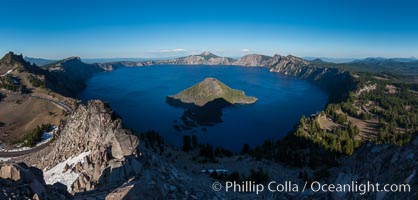
Panorama of Crater Lake from Watchman Lookout Station, panoramic picture. The Watchman Lookout Station No. 168 is one of two fire lookout towers in Crater Lake National Park in southern Oregon. For many years, National Park Service personnel used the lookout to watch for wildfires during the summer months. It is also a popular hiking destination because it offers an excellent view of Crater Lake and the surrounding area.
Location: Crater Lake National Park, Oregon
Image ID: 28632
Panorama dimensions: 8130 x 16987
Location: Crater Lake National Park, Oregon
Image ID: 28632
Panorama dimensions: 8130 x 16987
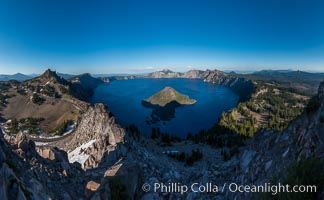
Panorama of Crater Lake from Watchman Lookout Station, panoramic picture. The Watchman Lookout Station No. 168 is one of two fire lookout towers in Crater Lake National Park in southern Oregon. For many years, National Park Service personnel used the lookout to watch for wildfires during the summer months. It is also a popular hiking destination because it offers an excellent view of Crater Lake and the surrounding area.
Location: Crater Lake National Park, Oregon
Image ID: 28634
Panorama dimensions: 7866 x 12754
Location: Crater Lake National Park, Oregon
Image ID: 28634
Panorama dimensions: 7866 x 12754
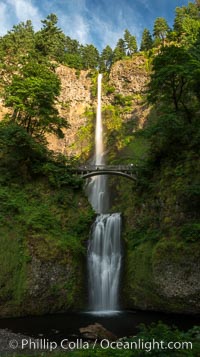
Multnomah Falls. Plummeting 620 feet from its origins on Larch Mountain, Multnomah Falls is the second highest year-round waterfall in the United States. Nearly two million visitors a year come to see this ancient waterfall making it Oregon's number one public destination.
Location: Multnomah Falls, Columbia River Gorge National Scenic Area, Oregon
Image ID: 28666
Location: Multnomah Falls, Columbia River Gorge National Scenic Area, Oregon
Image ID: 28666
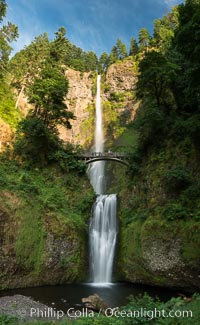
Multnomah Falls. Plummeting 620 feet from its origins on Larch Mountain, Multnomah Falls is the second highest year-round waterfall in the United States. Nearly two million visitors a year come to see this ancient waterfall making it Oregon's number one public destination.
Location: Multnomah Falls, Columbia River Gorge National Scenic Area, Oregon
Image ID: 28667
Location: Multnomah Falls, Columbia River Gorge National Scenic Area, Oregon
Image ID: 28667
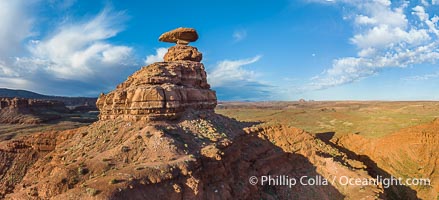
Aerial Photo of Mexican Hat Rock, Utah. The capstone of Mexican Hat Rock is 60 feet wide by 12 feet high and has two climbing routes.
Location: Mexican Hat, Utah
Image ID: 39491
Location: Mexican Hat, Utah
Image ID: 39491
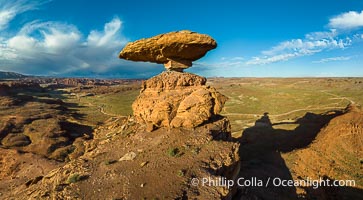
Aerial Photo of Mexican Hat Rock, Utah. The capstone of Mexican Hat Rock is 60 feet wide by 12 feet high and has two climbing routes.
Location: Mexican Hat, Utah
Image ID: 39492
Panorama dimensions: 4916 x 8923
Location: Mexican Hat, Utah
Image ID: 39492
Panorama dimensions: 4916 x 8923
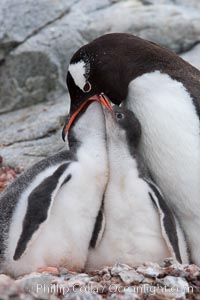
Gentoo penguin, adult feeding one of its two chicks. The food is likely composed of crustaceans and krill.
Species: Gentoo penguin, Pygoscelis papua
Location: Peterman Island, Antarctic Peninsula, Antarctica
Image ID: 25611
Species: Gentoo penguin, Pygoscelis papua
Location: Peterman Island, Antarctic Peninsula, Antarctica
Image ID: 25611
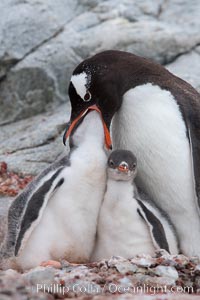
Gentoo penguin, adult feeding one of its two chicks. The food is likely composed of crustaceans and krill.
Species: Gentoo penguin, Pygoscelis papua
Location: Peterman Island, Antarctic Peninsula, Antarctica
Image ID: 25626
Species: Gentoo penguin, Pygoscelis papua
Location: Peterman Island, Antarctic Peninsula, Antarctica
Image ID: 25626
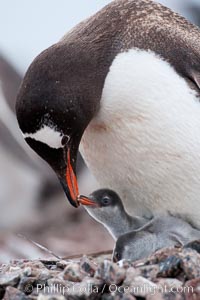
Gentoo penguin, adult feeding one of its two chicks. The food is likely composed of crustaceans and krill.
Species: Gentoo penguin, Pygoscelis papua
Location: Peterman Island, Antarctic Peninsula, Antarctica
Image ID: 25634
Species: Gentoo penguin, Pygoscelis papua
Location: Peterman Island, Antarctic Peninsula, Antarctica
Image ID: 25634
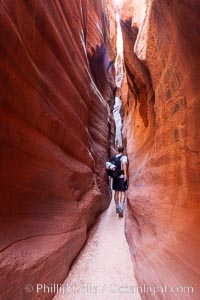
A hiker walking through the Wire Pass narrows. This exceedingly narrow slot canyon, in some places only two feet wide, is formed by water erosion which cuts slots deep into the surrounding sandstone plateau.
Location: Wire Pass, Paria Canyon-Vermilion Cliffs Wilderness, Arizona
Image ID: 20715
Location: Wire Pass, Paria Canyon-Vermilion Cliffs Wilderness, Arizona
Image ID: 20715
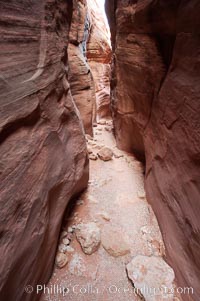
The Wire Pass narrows. This exceedingly narrow slot canyon, in some places only two feet wide, is formed by water erosion which cuts slots deep into the surrounding sandstone plateau.
Location: Wire Pass, Paria Canyon-Vermilion Cliffs Wilderness, Arizona
Image ID: 20720
Location: Wire Pass, Paria Canyon-Vermilion Cliffs Wilderness, Arizona
Image ID: 20720
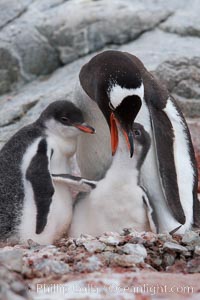
Gentoo penguin tending to its two chicks. The nest is made of small stones.
Species: Gentoo penguin, Pygoscelis papua
Location: Cuverville Island, Antarctic Peninsula, Antarctica
Image ID: 25507
Species: Gentoo penguin, Pygoscelis papua
Location: Cuverville Island, Antarctic Peninsula, Antarctica
Image ID: 25507
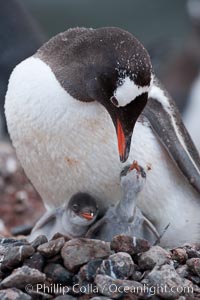
Gentoo penguin tending to its two chicks. The nest is made of small stones.
Species: Gentoo penguin, Pygoscelis papua
Location: Cuverville Island, Antarctic Peninsula, Antarctica
Image ID: 25512
Species: Gentoo penguin, Pygoscelis papua
Location: Cuverville Island, Antarctic Peninsula, Antarctica
Image ID: 25512
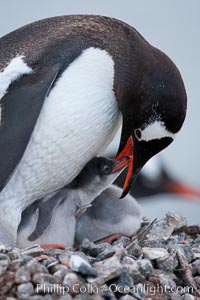
Gentoo penguin, adult tending to its two chicks, on a nest made of small stones. The chicks will remain in the nest for about 30 days after hatching.
Species: Gentoo penguin, Pygoscelis papua
Location: Cuverville Island, Antarctic Peninsula, Antarctica
Image ID: 25514
Species: Gentoo penguin, Pygoscelis papua
Location: Cuverville Island, Antarctic Peninsula, Antarctica
Image ID: 25514
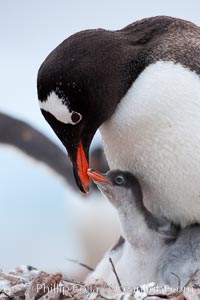
Gentoo penguin, adult tending to its two chicks, on a nest made of small stones. The chicks will remain in the nest for about 30 days after hatching.
Species: Gentoo penguin, Pygoscelis papua
Location: Cuverville Island, Antarctic Peninsula, Antarctica
Image ID: 25540
Species: Gentoo penguin, Pygoscelis papua
Location: Cuverville Island, Antarctic Peninsula, Antarctica
Image ID: 25540
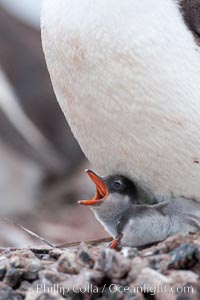
Gentoo penguin, adult tending to its two chicks, on a nest made of small stones. The chicks will remain in the nest for about 30 days after hatching.
Species: Gentoo penguin, Pygoscelis papua
Location: Cuverville Island, Antarctic Peninsula, Antarctica
Image ID: 25542
Species: Gentoo penguin, Pygoscelis papua
Location: Cuverville Island, Antarctic Peninsula, Antarctica
Image ID: 25542
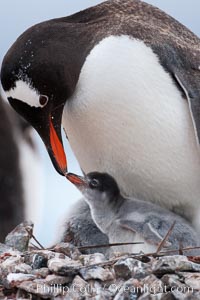
Gentoo penguin tending to its two chicks. The nest is made of small stones.
Species: Gentoo penguin, Pygoscelis papua
Location: Cuverville Island, Antarctic Peninsula, Antarctica
Image ID: 25545
Species: Gentoo penguin, Pygoscelis papua
Location: Cuverville Island, Antarctic Peninsula, Antarctica
Image ID: 25545
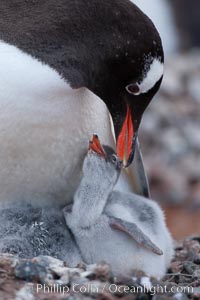
Gentoo penguin, adult tending to its two chicks, on a nest made of small stones. The chicks will remain in the nest for about 30 days after hatching.
Species: Gentoo penguin, Pygoscelis papua
Location: Cuverville Island, Antarctic Peninsula, Antarctica
Image ID: 25549
Species: Gentoo penguin, Pygoscelis papua
Location: Cuverville Island, Antarctic Peninsula, Antarctica
Image ID: 25549