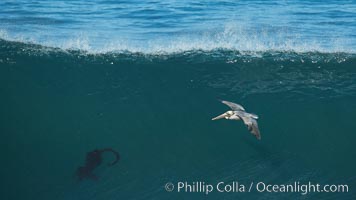
California Brown Pelican flying over a breaking wave.
Species: Brown Pelican, Pelecanus occidentalis
Location: La Jolla, California
Image ID: 30373
Species: Brown Pelican, Pelecanus occidentalis
Location: La Jolla, California
Image ID: 30373
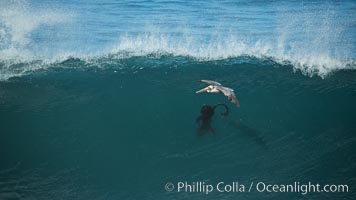
California Brown Pelican flying over a breaking wave.
Species: Brown Pelican, Pelecanus occidentalis
Location: La Jolla, California
Image ID: 30375
Species: Brown Pelican, Pelecanus occidentalis
Location: La Jolla, California
Image ID: 30375
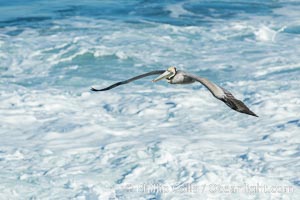
California Brown Pelican flying over sea foam and waves.
Species: Brown Pelican, Pelecanus occidentalis
Location: La Jolla, California
Image ID: 30376
Species: Brown Pelican, Pelecanus occidentalis
Location: La Jolla, California
Image ID: 30376
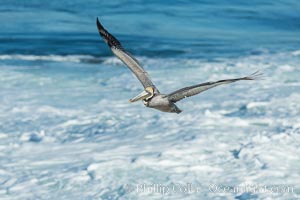
California Brown Pelican flying over sea foam and waves.
Species: Brown Pelican, Pelecanus occidentalis
Location: La Jolla, California
Image ID: 30377
Species: Brown Pelican, Pelecanus occidentalis
Location: La Jolla, California
Image ID: 30377
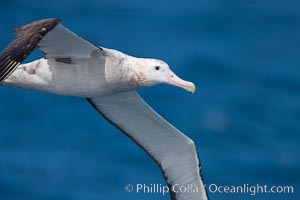
Wandering albatross in flight, over the open sea. The wandering albatross has the largest wingspan of any living bird, with the wingspan between, up to 12' from wingtip to wingtip. It can soar on the open ocean for hours at a time, riding the updrafts from individual swells, with a glide ratio of 22 units of distance for every unit of drop. The wandering albatross can live up to 23 years. They hunt at night on the open ocean for cephalopods, small fish, and crustaceans. The survival of the species is at risk due to mortality from long-line fishing gear.
Species: Wandering albatross, Diomedea exulans
Location: Southern Ocean
Image ID: 24070
Species: Wandering albatross, Diomedea exulans
Location: Southern Ocean
Image ID: 24070
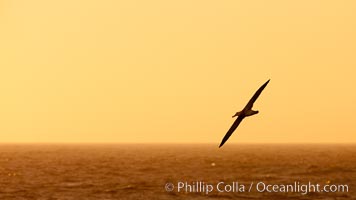
Wandering albatross in flight, over the open sea. The wandering albatross has the largest wingspan of any living bird, with the wingspan between, up to 12' from wingtip to wingtip. It can soar on the open ocean for hours at a time, riding the updrafts from individual swells, with a glide ratio of 22 units of distance for every unit of drop. The wandering albatross can live up to 23 years. They hunt at night on the open ocean for cephalopods, small fish, and crustaceans. The survival of the species is at risk due to mortality from long-line fishing gear.
Species: Wandering albatross, Diomedea exulans
Location: Southern Ocean
Image ID: 24092
Species: Wandering albatross, Diomedea exulans
Location: Southern Ocean
Image ID: 24092
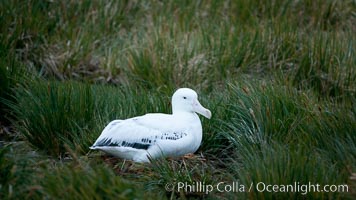
Wandering albatross, on nest in the Prion Island colony. The wandering albatross has the largest wingspan of any living bird, with the wingspan between, up to 12' from wingtip to wingtip. It can soar on the open ocean for hours at a time, riding the updrafts from individual swells, with a glide ratio of 22 units of distance for every unit of drop. The wandering albatross can live up to 23 years. They hunt at night on the open ocean for cephalopods, small fish, and crustaceans. The survival of the species is at risk due to mortality from long-line fishing gear.
Species: Wandering albatross, Diomedea exulans
Location: Prion Island, South Georgia Island
Image ID: 24394
Species: Wandering albatross, Diomedea exulans
Location: Prion Island, South Georgia Island
Image ID: 24394

The Raft of the Medusa, Le Radeau de la Meduse, oil painting by French Romantic painter Theodore Gericault, 1819. Musee du Louvre.
Location: Musee du Louvre, Paris, France
Image ID: 28107
Location: Musee du Louvre, Paris, France
Image ID: 28107
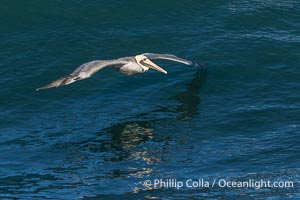
California Brown pelican catching updraft from a passing wave. Winter adult non-breeding plumage.
Species: Brown, Brown Pelican, Pelecanus occidentalis, Pelecanus occidentalis californicus
Location: La Jolla, California
Image ID: 39807
Species: Brown, Brown Pelican, Pelecanus occidentalis, Pelecanus occidentalis californicus
Location: La Jolla, California
Image ID: 39807
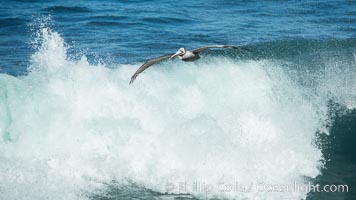
California Brown Pelican flying over a breaking wave.
Species: Brown Pelican, Pelecanus occidentalis, Pelecanus occidentalis californicus
Location: La Jolla, California
Image ID: 30383
Species: Brown Pelican, Pelecanus occidentalis, Pelecanus occidentalis californicus
Location: La Jolla, California
Image ID: 30383
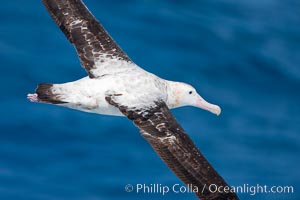
Wandering albatross in flight, over the open sea. The wandering albatross has the largest wingspan of any living bird, with the wingspan between, up to 12' from wingtip to wingtip. It can soar on the open ocean for hours at a time, riding the updrafts from individual swells, with a glide ratio of 22 units of distance for every unit of drop. The wandering albatross can live up to 23 years. They hunt at night on the open ocean for cephalopods, small fish, and crustaceans. The survival of the species is at risk due to mortality from long-line fishing gear.
Species: Wandering albatross, Diomedea exulans
Location: Southern Ocean
Image ID: 24087
Species: Wandering albatross, Diomedea exulans
Location: Southern Ocean
Image ID: 24087
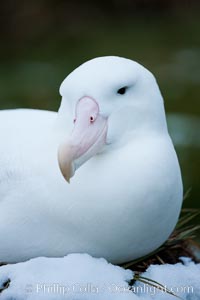
Wandering albatross, on nest and the Prion Island colony. The wandering albatross has the largest wingspan of any living bird, with the wingspan between, up to 12' from wingtip to wingtip. It can soar on the open ocean for hours at a time, riding the updrafts from individual swells, with a glide ratio of 22 units of distance for every unit of drop. The wandering albatross can live up to 23 years. They hunt at night on the open ocean for cephalopods, small fish, and crustaceans. The survival of the species is at risk due to mortality from long-line fishing gear.
Species: Wandering albatross, Diomedea exulans
Location: Prion Island, South Georgia Island
Image ID: 24428
Species: Wandering albatross, Diomedea exulans
Location: Prion Island, South Georgia Island
Image ID: 24428
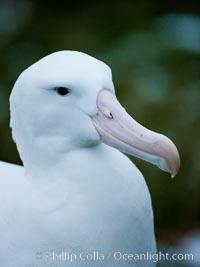
Wandering albatross, on nest and the Prion Island colony. The wandering albatross has the largest wingspan of any living bird, with the wingspan between, up to 12' from wingtip to wingtip. It can soar on the open ocean for hours at a time, riding the updrafts from individual swells, with a glide ratio of 22 units of distance for every unit of drop. The wandering albatross can live up to 23 years. They hunt at night on the open ocean for cephalopods, small fish, and crustaceans. The survival of the species is at risk due to mortality from long-line fishing gear.
Species: Wandering albatross, Diomedea exulans
Location: Prion Island, South Georgia Island
Image ID: 24429
Species: Wandering albatross, Diomedea exulans
Location: Prion Island, South Georgia Island
Image ID: 24429
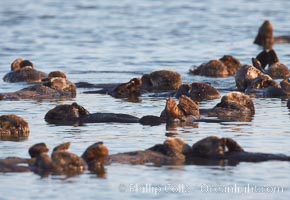
Sea otters, resting on the surface by lying on their backs, in a group known as a raft.
Species: Sea otter, Enhydra lutris
Location: Elkhorn Slough National Estuarine Research Reserve, Moss Landing, California
Image ID: 21625
Species: Sea otter, Enhydra lutris
Location: Elkhorn Slough National Estuarine Research Reserve, Moss Landing, California
Image ID: 21625
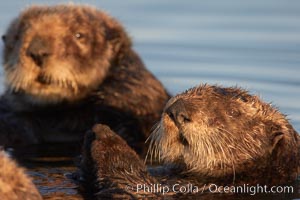
Sea otters, resting on the surface by lying on their backs, in a group known as a raft.
Species: Sea otter, Enhydra lutris
Location: Elkhorn Slough National Estuarine Research Reserve, Moss Landing, California
Image ID: 21635
Species: Sea otter, Enhydra lutris
Location: Elkhorn Slough National Estuarine Research Reserve, Moss Landing, California
Image ID: 21635
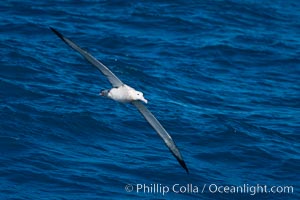
Wandering albatross in flight, over the open sea. The wandering albatross has the largest wingspan of any living bird, with the wingspan between, up to 12' from wingtip to wingtip. It can soar on the open ocean for hours at a time, riding the updrafts from individual swells, with a glide ratio of 22 units of distance for every unit of drop. The wandering albatross can live up to 23 years. They hunt at night on the open ocean for cephalopods, small fish, and crustaceans. The survival of the species is at risk due to mortality from long-line fishing gear.
Species: Wandering albatross, Diomedea exulans
Location: Southern Ocean
Image ID: 24088
Species: Wandering albatross, Diomedea exulans
Location: Southern Ocean
Image ID: 24088
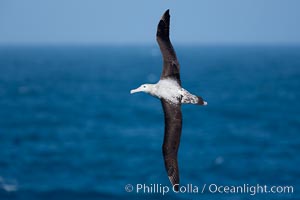
Wandering albatross in flight, over the open sea. The wandering albatross has the largest wingspan of any living bird, with the wingspan between, up to 12' from wingtip to wingtip. It can soar on the open ocean for hours at a time, riding the updrafts from individual swells, with a glide ratio of 22 units of distance for every unit of drop. The wandering albatross can live up to 23 years. They hunt at night on the open ocean for cephalopods, small fish, and crustaceans. The survival of the species is at risk due to mortality from long-line fishing gear.
Species: Wandering albatross, Diomedea exulans
Location: Southern Ocean
Image ID: 24089
Species: Wandering albatross, Diomedea exulans
Location: Southern Ocean
Image ID: 24089
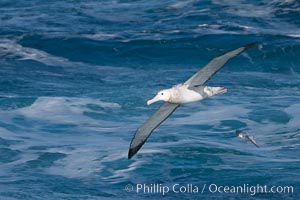
Wandering albatross in flight, over the open sea. The wandering albatross has the largest wingspan of any living bird, with the wingspan between, up to 12' from wingtip to wingtip. It can soar on the open ocean for hours at a time, riding the updrafts from individual swells, with a glide ratio of 22 units of distance for every unit of drop. The wandering albatross can live up to 23 years. They hunt at night on the open ocean for cephalopods, small fish, and crustaceans. The survival of the species is at risk due to mortality from long-line fishing gear.
Species: Wandering albatross, Diomedea exulans
Location: Southern Ocean
Image ID: 24090
Species: Wandering albatross, Diomedea exulans
Location: Southern Ocean
Image ID: 24090
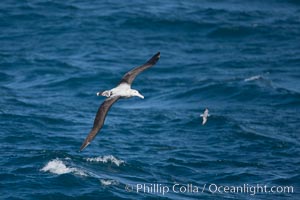
Wandering albatross in flight, over the open sea. The wandering albatross has the largest wingspan of any living bird, with the wingspan between, up to 12' from wingtip to wingtip. It can soar on the open ocean for hours at a time, riding the updrafts from individual swells, with a glide ratio of 22 units of distance for every unit of drop. The wandering albatross can live up to 23 years. They hunt at night on the open ocean for cephalopods, small fish, and crustaceans. The survival of the species is at risk due to mortality from long-line fishing gear.
Species: Wandering albatross, Diomedea exulans
Location: Southern Ocean
Image ID: 24133
Species: Wandering albatross, Diomedea exulans
Location: Southern Ocean
Image ID: 24133
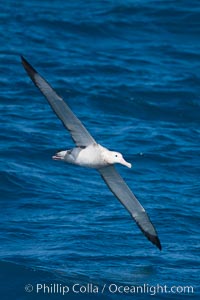
Wandering albatross in flight, over the open sea. The wandering albatross has the largest wingspan of any living bird, with the wingspan between, up to 12' from wingtip to wingtip. It can soar on the open ocean for hours at a time, riding the updrafts from individual swells, with a glide ratio of 22 units of distance for every unit of drop. The wandering albatross can live up to 23 years. They hunt at night on the open ocean for cephalopods, small fish, and crustaceans. The survival of the species is at risk due to mortality from long-line fishing gear.
Species: Wandering albatross, Diomedea exulans
Location: Southern Ocean
Image ID: 24169
Species: Wandering albatross, Diomedea exulans
Location: Southern Ocean
Image ID: 24169
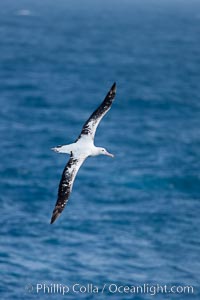
Wandering albatross in flight, over the open sea. The wandering albatross has the largest wingspan of any living bird, with the wingspan between, up to 12' from wingtip to wingtip. It can soar on the open ocean for hours at a time, riding the updrafts from individual swells, with a glide ratio of 22 units of distance for every unit of drop. The wandering albatross can live up to 23 years. They hunt at night on the open ocean for cephalopods, small fish, and crustaceans. The survival of the species is at risk due to mortality from long-line fishing gear.
Species: Wandering albatross, Diomedea exulans
Location: Southern Ocean
Image ID: 24170
Species: Wandering albatross, Diomedea exulans
Location: Southern Ocean
Image ID: 24170
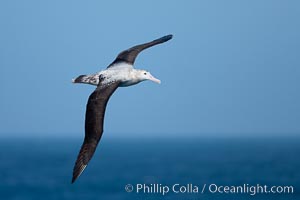
Wandering albatross in flight, over the open sea. The wandering albatross has the largest wingspan of any living bird, with the wingspan between, up to 12' from wingtip to wingtip. It can soar on the open ocean for hours at a time, riding the updrafts from individual swells, with a glide ratio of 22 units of distance for every unit of drop. The wandering albatross can live up to 23 years. They hunt at night on the open ocean for cephalopods, small fish, and crustaceans. The survival of the species is at risk due to mortality from long-line fishing gear.
Species: Wandering albatross, Diomedea exulans
Location: Southern Ocean
Image ID: 24171
Species: Wandering albatross, Diomedea exulans
Location: Southern Ocean
Image ID: 24171
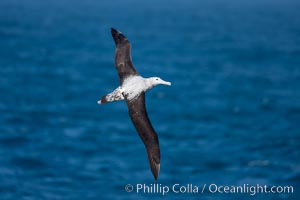
Wandering albatross in flight, over the open sea. The wandering albatross has the largest wingspan of any living bird, with the wingspan between, up to 12' from wingtip to wingtip. It can soar on the open ocean for hours at a time, riding the updrafts from individual swells, with a glide ratio of 22 units of distance for every unit of drop. The wandering albatross can live up to 23 years. They hunt at night on the open ocean for cephalopods, small fish, and crustaceans. The survival of the species is at risk due to mortality from long-line fishing gear.
Species: Wandering albatross, Diomedea exulans
Location: Southern Ocean
Image ID: 24172
Species: Wandering albatross, Diomedea exulans
Location: Southern Ocean
Image ID: 24172
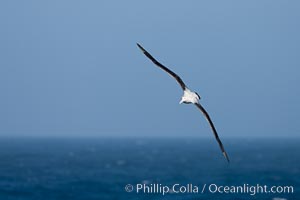
Wandering albatross in flight, over the open sea. The wandering albatross has the largest wingspan of any living bird, with the wingspan between, up to 12' from wingtip to wingtip. It can soar on the open ocean for hours at a time, riding the updrafts from individual swells, with a glide ratio of 22 units of distance for every unit of drop. The wandering albatross can live up to 23 years. They hunt at night on the open ocean for cephalopods, small fish, and crustaceans. The survival of the species is at risk due to mortality from long-line fishing gear.
Species: Wandering albatross, Diomedea exulans
Location: Southern Ocean
Image ID: 24173
Species: Wandering albatross, Diomedea exulans
Location: Southern Ocean
Image ID: 24173
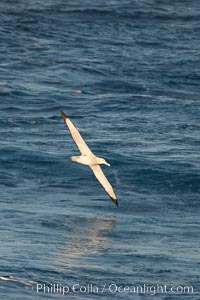
Wandering albatross in flight, over the open sea. The wandering albatross has the largest wingspan of any living bird, with the wingspan between, up to 12' from wingtip to wingtip. It can soar on the open ocean for hours at a time, riding the updrafts from individual swells, with a glide ratio of 22 units of distance for every unit of drop. The wandering albatross can live up to 23 years. They hunt at night on the open ocean for cephalopods, small fish, and crustaceans. The survival of the species is at risk due to mortality from long-line fishing gear.
Species: Wandering albatross, Diomedea exulans
Location: Southern Ocean
Image ID: 24174
Species: Wandering albatross, Diomedea exulans
Location: Southern Ocean
Image ID: 24174
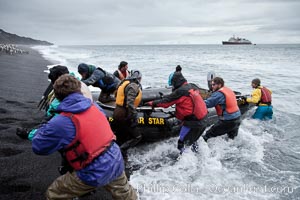
Cheesemans Ecology Safaris tour leaders, work in the surf on a steep black sand beach at Bailey Head to assist tourists land ashore and handle the landing craft: an inflatable zodiac. The icebreaker M/V Polar Star is anchored in the distance.
Location: Deception Island, Antarctic Peninsula, Antarctica
Image ID: 25458
Location: Deception Island, Antarctic Peninsula, Antarctica
Image ID: 25458
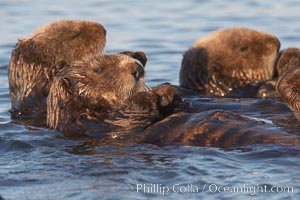
Sea otters, resting on the surface by lying on their backs, in a group known as a raft.
Species: Sea otter, Enhydra lutris
Location: Elkhorn Slough National Estuarine Research Reserve, Moss Landing, California
Image ID: 21649
Species: Sea otter, Enhydra lutris
Location: Elkhorn Slough National Estuarine Research Reserve, Moss Landing, California
Image ID: 21649
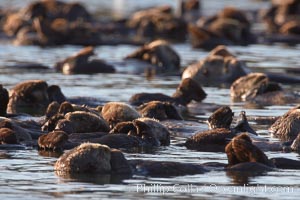
A raft of sea otters. A raft is a congregation of sea otters, usually in a resting mode. While rafting sea otters appear to suggest a tendancy toward a group social structure, sea otters can also be solitary animals.
Species: Sea otter, Enhydra lutris
Location: Elkhorn Slough National Estuarine Research Reserve, Moss Landing, California
Image ID: 21657
Species: Sea otter, Enhydra lutris
Location: Elkhorn Slough National Estuarine Research Reserve, Moss Landing, California
Image ID: 21657
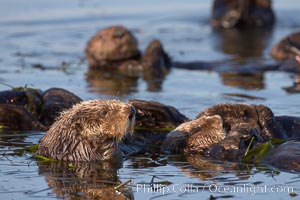
Sea otters, resting on the surface by lying on their backs, in a group known as a raft.
Species: Sea otter, Enhydra lutris
Location: Elkhorn Slough National Estuarine Research Reserve, Moss Landing, California
Image ID: 21672
Species: Sea otter, Enhydra lutris
Location: Elkhorn Slough National Estuarine Research Reserve, Moss Landing, California
Image ID: 21672
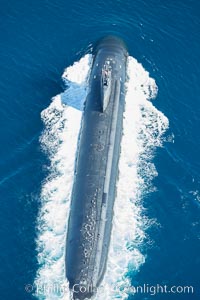
Nuclear submarine at the surface of the ocean, aerial photo.
Location: San Diego, California
Image ID: 29068
Location: San Diego, California
Image ID: 29068