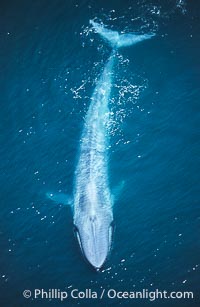
A huge blue whale swims through the open ocean in this aerial photograph. The blue whale is the largest animal ever to live on Earth.
Species: Blue whale, Balaenoptera musculus
Image ID: 02169
Species: Blue whale, Balaenoptera musculus
Image ID: 02169
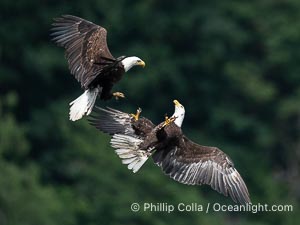
Two bald eagles spar in mid-flight.
Species: Bald Eagle, Haliaeetus leucocephalus
Location: Arran Rapids, Stuart Island, British Columbia, Canada
Image ID: 41828
Species: Bald Eagle, Haliaeetus leucocephalus
Location: Arran Rapids, Stuart Island, British Columbia, Canada
Image ID: 41828
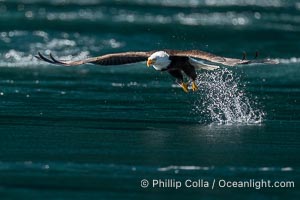
Bald eagle in flight captures a hake fish at the surface. Hake fish migrate deep in sea channels but strong tidal currents such as those at Arran Rapids lift the hake to the surface where eagles catch them.
Species: Bald Eagle, Haliaeetus leucocephalus
Location: Arran Rapids, Stuart Island, British Columbia, Canada
Image ID: 41829
Species: Bald Eagle, Haliaeetus leucocephalus
Location: Arran Rapids, Stuart Island, British Columbia, Canada
Image ID: 41829
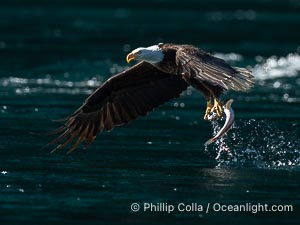
Bald eagle in flight carries a hake fish it has just caught. Hake fish migrate deep in sea channels but strong tidal currents such as those at Arran Rapids lift the hake to the surface where eagles can catch them.
Species: Bald Eagle, Haliaeetus leucocephalus
Location: Arran Rapids, Stuart Island, British Columbia, Canada
Image ID: 41830
Species: Bald Eagle, Haliaeetus leucocephalus
Location: Arran Rapids, Stuart Island, British Columbia, Canada
Image ID: 41830
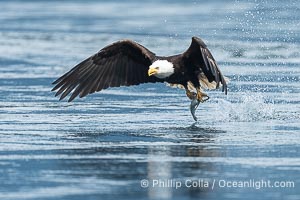
Bald eagle in flight carries a hake fish it has just caught. Hake fish migrate deep in sea channels but strong tidal currents such as those at Arran Rapids lift the hake to the surface where eagles can catch them.
Species: Bald Eagle, Haliaeetus leucocephalus
Location: Arran Rapids, Stuart Island, British Columbia, Canada
Image ID: 41832
Species: Bald Eagle, Haliaeetus leucocephalus
Location: Arran Rapids, Stuart Island, British Columbia, Canada
Image ID: 41832
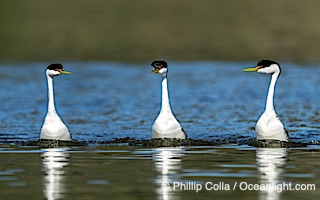
Western Grebes rushing on Lake Wohlford, running across the water by slapping their feet rapidly, part of the grebe's elaborate courtship.
Species: Western Grebe, Aechmophorus occidentalis
Location: Lake Wohlford, Escondido, California
Image ID: 41705
Species: Western Grebe, Aechmophorus occidentalis
Location: Lake Wohlford, Escondido, California
Image ID: 41705
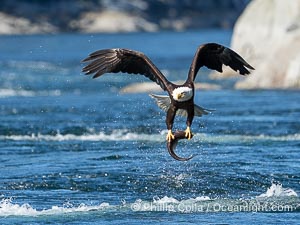
Bald eagle in flight carries a hake fish it has just caught. Hake fish migrate deep in sea channels but strong tidal currents such as those at Arran Rapids lift the hake to the surface where eagles can catch them.
Species: Bald Eagle, Haliaeetus leucocephalus
Location: Arran Rapids, Stuart Island, British Columbia, Canada
Image ID: 41831
Species: Bald Eagle, Haliaeetus leucocephalus
Location: Arran Rapids, Stuart Island, British Columbia, Canada
Image ID: 41831
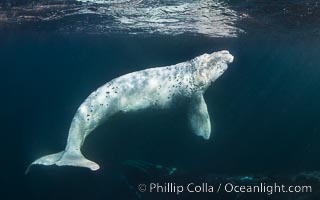
White southern right whale calf underwater, Eubalaena australis. About five per cent of southern right whales are born white due to a condition known as grey morphism and will gradually turn dark as they age. They are not albino (which is a complete lack of pigmentation). Sometimes referred to as "brindled", the white coloration is a recessive genetic trait and only lasts a few months. Typically, but not always, white calves will become much darker as they mature but will still be somewhat lighter than normal even as adults.
Species: Southern Right Whale, Eubalaena australis
Location: Puerto Piramides, Chubut, Argentina
Image ID: 38261
Species: Southern Right Whale, Eubalaena australis
Location: Puerto Piramides, Chubut, Argentina
Image ID: 38261
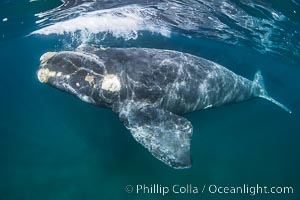
Southern right whale calf underwater, Eubalaena australis.
Species: Southern Right Whale, Eubalaena australis
Location: Puerto Piramides, Chubut, Argentina
Image ID: 38288
Species: Southern Right Whale, Eubalaena australis
Location: Puerto Piramides, Chubut, Argentina
Image ID: 38288
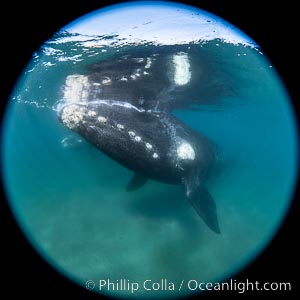
Southern right whale underwater, Eubalaena australis, Patagonia.
Species: Southern Right Whale, Eubalaena australis
Location: Puerto Piramides, Chubut, Argentina
Image ID: 38367
Species: Southern Right Whale, Eubalaena australis
Location: Puerto Piramides, Chubut, Argentina
Image ID: 38367
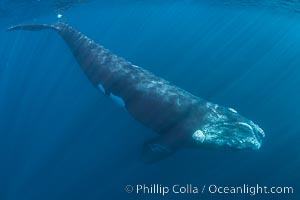
Portrait of a Southern Right Whale Underwater, Eubalaena australis.
Species: Southern Right Whale, Eubalaena australis
Location: Puerto Piramides, Chubut, Argentina
Image ID: 38387
Species: Southern Right Whale, Eubalaena australis
Location: Puerto Piramides, Chubut, Argentina
Image ID: 38387
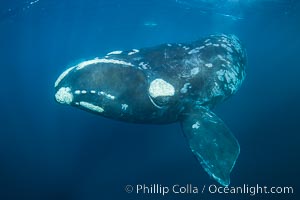
Portrait of a Southern Right Whale Underwater, Eubalaena australis. This particular right whale exhibits a beautiful mottled pattern on its sides.
Species: Southern Right Whale, Eubalaena australis
Location: Puerto Piramides, Chubut, Argentina
Image ID: 38391
Species: Southern Right Whale, Eubalaena australis
Location: Puerto Piramides, Chubut, Argentina
Image ID: 38391
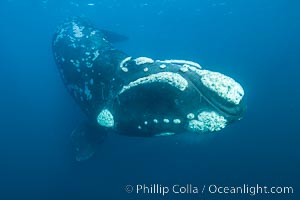
Portrait of a Southern Right Whale Underwater, Eubalaena australis. This particular right whale exhibits a beautiful mottled pattern on its sides.
Species: Southern Right Whale, Eubalaena australis
Location: Puerto Piramides, Chubut, Argentina
Image ID: 38393
Species: Southern Right Whale, Eubalaena australis
Location: Puerto Piramides, Chubut, Argentina
Image ID: 38393
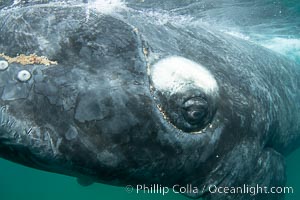
Southern right whale eyeballing the camera up close, Eubalaena australis. Whale lice can be seen clearly in the folds and crevices around the whales eye and lip groove.
Species: Southern Right Whale, Eubalaena australis
Location: Puerto Piramides, Chubut, Argentina
Image ID: 38400
Species: Southern Right Whale, Eubalaena australis
Location: Puerto Piramides, Chubut, Argentina
Image ID: 38400
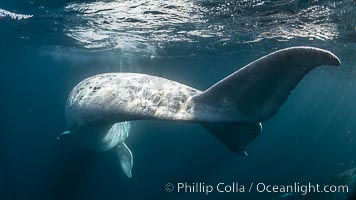
White southern right whale calf underwater, Eubalaena australis. About five per cent of southern right whales are born white due to a condition known as grey morphism and will gradually turn dark as they age. They are not albino (which is a complete lack of pigmentation). Sometimes referred to as "brindled", the white coloration is a recessive genetic trait and only lasts a few months. Typically, but not always, white calves will become much darker as they mature but will still be somewhat lighter than normal even as adults.
Species: Southern Right Whale, Eubalaena australis
Location: Puerto Piramides, Chubut, Argentina
Image ID: 38434
Species: Southern Right Whale, Eubalaena australis
Location: Puerto Piramides, Chubut, Argentina
Image ID: 38434
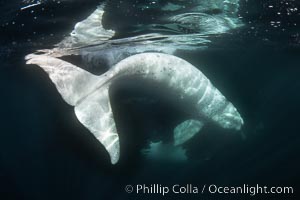
White southern right whale calf underwater, Eubalaena australis. About five per cent of southern right whales are born white due to a condition known as grey morphism and will gradually turn dark as they age. They are not albino (which is a complete lack of pigmentation). Sometimes referred to as "brindled", the white coloration is a recessive genetic trait and only lasts a few months. Typically, but not always, white calves will become much darker as they mature but will still be somewhat lighter than normal even as adults.
Species: Southern Right Whale, Eubalaena australis
Location: Puerto Piramides, Chubut, Argentina
Image ID: 38438
Species: Southern Right Whale, Eubalaena australis
Location: Puerto Piramides, Chubut, Argentina
Image ID: 38438
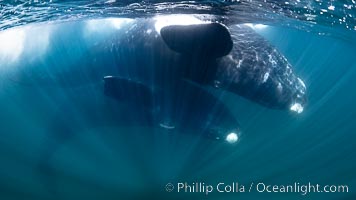
Courting pair of southern right whales underwater, Eubalaena australis. While the posture in this photo isn't quite mating, it is a courting behavior that often precedes mating. The male is below, upside down and trying to access the female belly-to-belly. However, the female does not want to mate, so she has positioned herself upside down at the surface so that the males in the courting group cannot reach her genital slit.
Species: Southern Right Whale, Eubalaena australis
Location: Puerto Piramides, Chubut, Argentina
Image ID: 38446
Species: Southern Right Whale, Eubalaena australis
Location: Puerto Piramides, Chubut, Argentina
Image ID: 38446
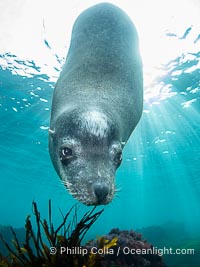
Huge California Sea Lion Male Underwater, a bull, patrolling his breeding harem and territory, Coronado Islands, Mexico. His sagittal crest, the bony bump on his head that distinguishes adult male sea lions, is clearly seen. This particular sea lion bears an orange tag on his left foreflipper, probably as a result of rescue and release as a young sea lion years earlier.
Species: California sea lion, Zalophus californianus
Location: Coronado Islands (Islas Coronado), Baja California, Mexico
Image ID: 38657
Species: California sea lion, Zalophus californianus
Location: Coronado Islands (Islas Coronado), Baja California, Mexico
Image ID: 38657
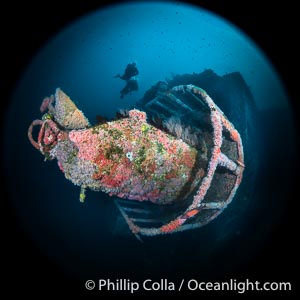
Divers Swim Over the Wreck of the HMCS Yukon in San Diego. Deliberately sunk in 2000 at San Diego's Wreck Alley to form an artifical reef, the HMCS Yukon is a 366-foot-long former Canadian destroyer. It is encrusted with a variety of invertebrate life, including Cornyactis anemones which provide much of the color seen here.
Location: Wreck of the HMS Yukon, San Diego, California
Image ID: 39474
Location: Wreck of the HMS Yukon, San Diego, California
Image ID: 39474
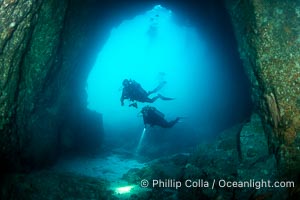
Two Divers in Huge Cavern, San Pedro Martir Island, Sea of Cortez.
Location: Isla San Pedro Martir, Sonora, Mexico
Image ID: 40389
Location: Isla San Pedro Martir, Sonora, Mexico
Image ID: 40389
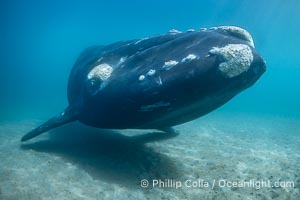
Portrait of an adult Southern Right Whale Underwater, Eubalaena australis, hovering over sand bottom on Golfo Nuevo, Peninsula Valdes. By permission of the Government of Argentina, Chubut, permit # 51 / 2025-SsCyA.
Species: Southern Right Whale, Eubalaena australis
Location: Puerto Piramides, Chubut, Argentina
Image ID: 41177
Species: Southern Right Whale, Eubalaena australis
Location: Puerto Piramides, Chubut, Argentina
Image ID: 41177
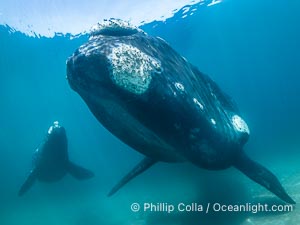
Portrait of Mother and Calf Southern Right Whales Underwater, Eubalaena australis, hovering over sand bottom on Golfo Nuevo, Peninsula Valdes. By permission of the Government of Argentina, Chubut, permit # 51 / 2025-SsCyA.
Species: Southern Right Whale, Eubalaena australis
Location: Puerto Piramides, Chubut, Argentina
Image ID: 41183
Species: Southern Right Whale, Eubalaena australis
Location: Puerto Piramides, Chubut, Argentina
Image ID: 41183
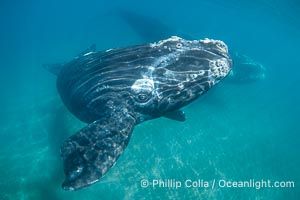
Southern right whale calf underwater, Eubalaena australis. By permission of the Government of Argentina, Chubut, permit # 51 / 2025-SsCyA.
Species: Southern Right Whale, Eubalaena australis
Location: Puerto Piramides, Chubut, Argentina
Image ID: 41184
Species: Southern Right Whale, Eubalaena australis
Location: Puerto Piramides, Chubut, Argentina
Image ID: 41184
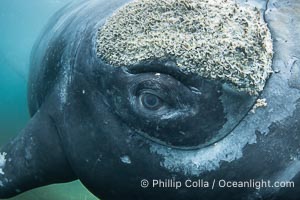
Closeup underwater view of a Southern right whale eyeball, Eubalaena australis. Whale lice can be seen clearly in the folds and crevices around the whales eye and lip groove. By permission of the Government of Argentina, Chubut, permit # 51 / 2025-SsCyA.
Species: Southern Right Whale, Eubalaena australis
Location: Puerto Piramides, Chubut, Argentina
Image ID: 41190
Species: Southern Right Whale, Eubalaena australis
Location: Puerto Piramides, Chubut, Argentina
Image ID: 41190
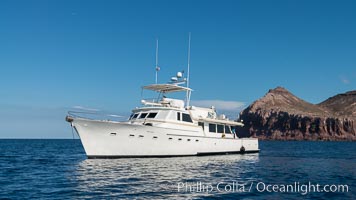
Boat M/V Ambar III at Isla Partida, Sea of Cortez, Mexico.
Location: Sea of Cortez, Baja California, Mexico
Image ID: 31229
Location: Sea of Cortez, Baja California, Mexico
Image ID: 31229
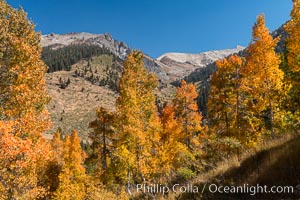
Aspens show fall colors in Mineral King Valley, part of Sequoia National Park in the southern Sierra Nevada, California.
Location: Mineral King, Sequoia National Park, California
Image ID: 32298
Location: Mineral King, Sequoia National Park, California
Image ID: 32298
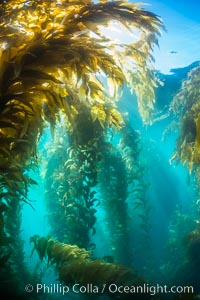
Sunlight streams through giant kelp forest. Giant kelp, the fastest growing plant on Earth, reaches from the rocky reef to the ocean's surface like a submarine forest.
Species: Giant kelp, Macrocystis pyrifera
Location: Catalina Island, California
Image ID: 33434
Species: Giant kelp, Macrocystis pyrifera
Location: Catalina Island, California
Image ID: 33434
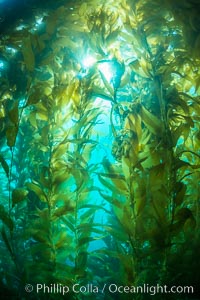
Sunlight streams through giant kelp forest. Giant kelp, the fastest growing plant on Earth, reaches from the rocky reef to the ocean's surface like a submarine forest.
Species: Giant kelp, Macrocystis pyrifera
Location: Catalina Island, California
Image ID: 33435
Species: Giant kelp, Macrocystis pyrifera
Location: Catalina Island, California
Image ID: 33435
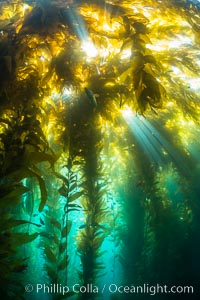
Sunlight streams through giant kelp forest. Giant kelp, the fastest growing plant on Earth, reaches from the rocky reef to the ocean's surface like a submarine forest.
Species: Giant kelp, Macrocystis pyrifera
Location: Catalina Island, California
Image ID: 33436
Species: Giant kelp, Macrocystis pyrifera
Location: Catalina Island, California
Image ID: 33436
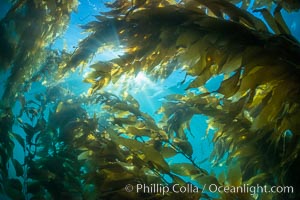
Sunlight streams through giant kelp forest. Giant kelp, the fastest growing plant on Earth, reaches from the rocky reef to the ocean's surface like a submarine forest.
Species: Giant kelp, Macrocystis pyrifera
Location: Catalina Island, California
Image ID: 33437
Species: Giant kelp, Macrocystis pyrifera
Location: Catalina Island, California
Image ID: 33437