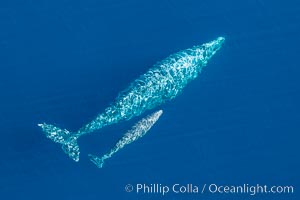
Aerial photo of gray whale calf and mother. This baby gray whale was born during the southern migration, far to the north of the Mexican lagoons of Baja California where most gray whale births take place.
Species: Gray whale, Eschrichtius robustus
Location: San Clemente, California
Image ID: 29027
Species: Gray whale, Eschrichtius robustus
Location: San Clemente, California
Image ID: 29027
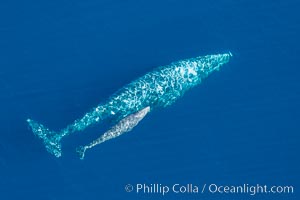
Aerial photo of gray whale calf and mother. This baby gray whale was born during the southern migration, far to the north of the Mexican lagoons of Baja California where most gray whale births take place.
Species: Gray whale, Eschrichtius robustus
Location: San Clemente, California
Image ID: 29028
Species: Gray whale, Eschrichtius robustus
Location: San Clemente, California
Image ID: 29028
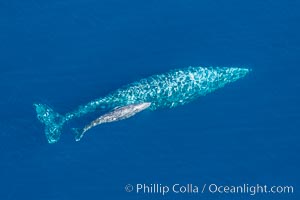
Aerial photo of gray whale calf and mother. This baby gray whale was born during the southern migration, far to the north of the Mexican lagoons of Baja California where most gray whale births take place.
Species: Gray whale, Eschrichtius robustus
Location: San Clemente, California
Image ID: 29029
Species: Gray whale, Eschrichtius robustus
Location: San Clemente, California
Image ID: 29029
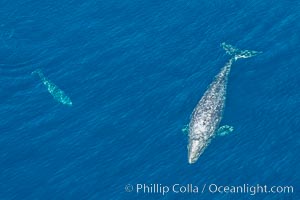
Aerial photo of gray whale calf and mother. This baby gray whale was born during the southern migration, far to the north of the Mexican lagoons of Baja California where most gray whale births take place.
Species: Gray whale, Eschrichtius robustus
Location: San Clemente, California
Image ID: 29032
Species: Gray whale, Eschrichtius robustus
Location: San Clemente, California
Image ID: 29032
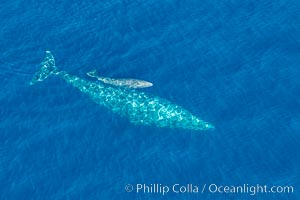
Aerial photo of gray whale calf and mother. This baby gray whale was born during the southern migration, far to the north of the Mexican lagoons of Baja California where most gray whale births take place.
Species: Gray whale, Eschrichtius robustus
Location: San Clemente, California
Image ID: 29033
Species: Gray whale, Eschrichtius robustus
Location: San Clemente, California
Image ID: 29033
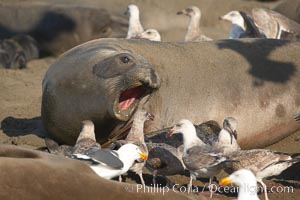
Having just given birth moments before, a mother elephant seal barks at seagulls that are feasting on the placenta and birth tissues. The pup is unharmed; the interaction is a common one between elephant seals and gulls. Winter, Central California.
Species: Elephant seal, Mirounga angustirostris
Location: Piedras Blancas, San Simeon, California
Image ID: 15481
Species: Elephant seal, Mirounga angustirostris
Location: Piedras Blancas, San Simeon, California
Image ID: 15481
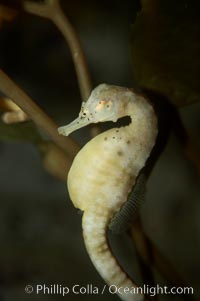
Pot-bellied seahorse, male, carrying eggs. The developing embryos are nourished by individual yolk sacs, and oxygen is supplied through a placenta-like attachment to the male. Two to six weeks after fertilization, the male gives birth. The babies must then fend for themselves, and few survive to adulthood.
Species: Pot-bellied seahorse, Hippocampus abdominalis
Image ID: 11027
Species: Pot-bellied seahorse, Hippocampus abdominalis
Image ID: 11027
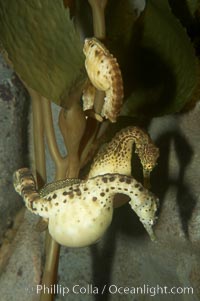
Pot-bellied seahorse, male, carrying eggs. The developing embryos are nourished by individual yolk sacs, and oxygen is supplied through a placenta-like attachment to the male. Two to six weeks after fertilization, the male gives birth. The babies must then fend for themselves, and few survive to adulthood.
Species: Pot-bellied seahorse, Hippocampus abdominalis
Image ID: 11031
Species: Pot-bellied seahorse, Hippocampus abdominalis
Image ID: 11031
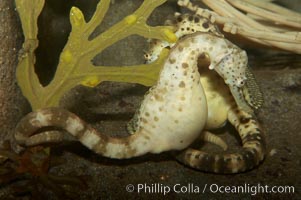
Pot-bellied seahorse, male, carrying eggs. The developing embryos are nourished by individual yolk sacs, and oxygen is supplied through a placenta-like attachment to the male. Two to six weeks after fertilization, the male gives birth. The babies must then fend for themselves, and few survive to adulthood.
Species: Pot-bellied seahorse, Hippocampus abdominalis
Image ID: 11032
Species: Pot-bellied seahorse, Hippocampus abdominalis
Image ID: 11032
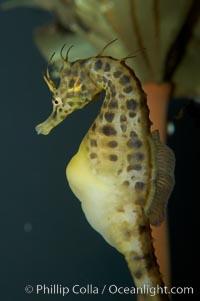
Pot-bellied seahorse, male, carrying eggs. The developing embryos are nourished by individual yolk sacs, and oxygen is supplied through a placenta-like attachment to the male. Two to six weeks after fertilization, the male gives birth. The babies must then fend for themselves, and few survive to adulthood.
Species: Pot-bellied seahorse, Hippocampus abdominalis
Image ID: 11897
Species: Pot-bellied seahorse, Hippocampus abdominalis
Image ID: 11897
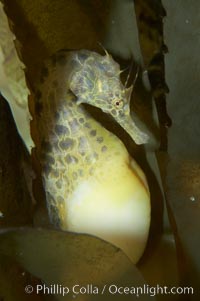
Pot-bellied seahorse, male, carrying eggs. The developing embryos are nourished by individual yolk sacs, and oxygen is supplied through a placenta-like attachment to the male. Two to six weeks after fertilization, the male gives birth. The babies must then fend for themselves, and few survive to adulthood.
Species: Pot-bellied seahorse, Hippocampus abdominalis
Image ID: 11898
Species: Pot-bellied seahorse, Hippocampus abdominalis
Image ID: 11898
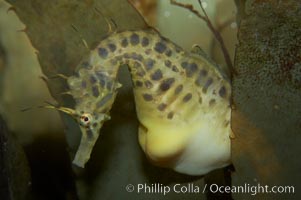
Pot-bellied seahorse, male, carrying eggs. The developing embryos are nourished by individual yolk sacs, and oxygen is supplied through a placenta-like attachment to the male. Two to six weeks after fertilization, the male gives birth. The babies must then fend for themselves, and few survive to adulthood.
Species: Pot-bellied seahorse, Hippocampus abdominalis
Image ID: 11900
Species: Pot-bellied seahorse, Hippocampus abdominalis
Image ID: 11900
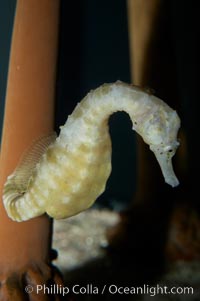
Pot-bellied seahorse, male, carrying eggs. The developing embryos are nourished by individual yolk sacs, and oxygen is supplied through a placenta-like attachment to the male. Two to six weeks after fertilization, the male gives birth. The babies must then fend for themselves, and few survive to adulthood.
Species: Pot-bellied seahorse, Hippocampus abdominalis
Image ID: 11901
Species: Pot-bellied seahorse, Hippocampus abdominalis
Image ID: 11901
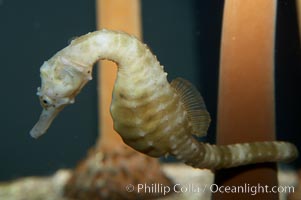
Pot-bellied seahorse, male, carrying eggs. The developing embryos are nourished by individual yolk sacs, and oxygen is supplied through a placenta-like attachment to the male. Two to six weeks after fertilization, the male gives birth. The babies must then fend for themselves, and few survive to adulthood.
Species: Pot-bellied seahorse, Hippocampus abdominalis
Image ID: 11902
Species: Pot-bellied seahorse, Hippocampus abdominalis
Image ID: 11902
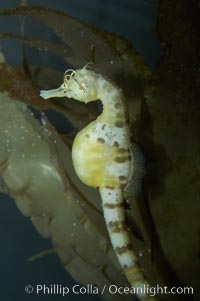
Pot-bellied seahorse, male, carrying eggs. The developing embryos are nourished by individual yolk sacs, and oxygen is supplied through a placenta-like attachment to the male. Two to six weeks after fertilization, the male gives birth. The babies must then fend for themselves, and few survive to adulthood.
Species: Pot-bellied seahorse, Hippocampus abdominalis
Image ID: 11903
Species: Pot-bellied seahorse, Hippocampus abdominalis
Image ID: 11903
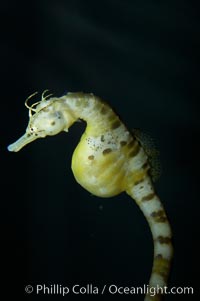
Pot-bellied seahorse, male, carrying eggs. The developing embryos are nourished by individual yolk sacs, and oxygen is supplied through a placenta-like attachment to the male. Two to six weeks after fertilization, the male gives birth. The babies must then fend for themselves, and few survive to adulthood.
Species: Pot-bellied seahorse, Hippocampus abdominalis
Image ID: 11904
Species: Pot-bellied seahorse, Hippocampus abdominalis
Image ID: 11904
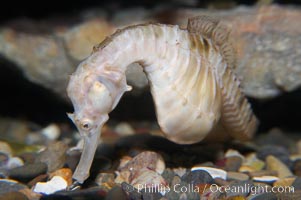
Pot-bellied seahorse, male, carrying eggs. The developing embryos are nourished by individual yolk sacs, and oxygen is supplied through a placenta-like attachment to the male. Two to six weeks after fertilization, the male gives birth. The babies must then fend for themselves, and few survive to adulthood.
Species: Pot-bellied seahorse, Hippocampus abdominalis
Image ID: 14473
Species: Pot-bellied seahorse, Hippocampus abdominalis
Image ID: 14473
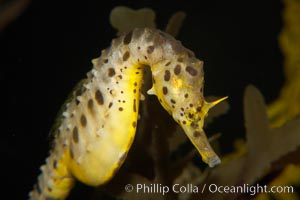
Pot-bellied seahorse, male, carrying eggs. The developing embryos are nourished by individual yolk sacs, and oxygen is supplied through a placenta-like attachment to the male. Two to six weeks after fertilization, the male gives birth. The babies must then fend for themselves, and few survive to adulthood.
Species: Pot-bellied seahorse, Hippocampus abdominalis
Image ID: 14474
Species: Pot-bellied seahorse, Hippocampus abdominalis
Image ID: 14474
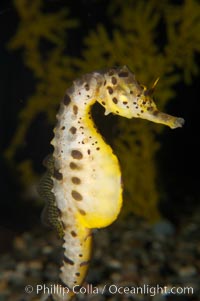
Pot-bellied seahorse, male, carrying eggs. The developing embryos are nourished by individual yolk sacs, and oxygen is supplied through a placenta-like attachment to the male. Two to six weeks after fertilization, the male gives birth. The babies must then fend for themselves, and few survive to adulthood.
Species: Pot-bellied seahorse, Hippocampus abdominalis
Image ID: 14475
Species: Pot-bellied seahorse, Hippocampus abdominalis
Image ID: 14475
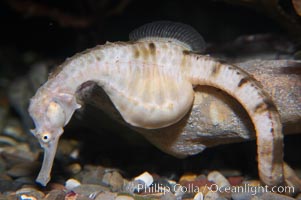
Pot-bellied seahorse, male, carrying eggs. The developing embryos are nourished by individual yolk sacs, and oxygen is supplied through a placenta-like attachment to the male. Two to six weeks after fertilization, the male gives birth. The babies must then fend for themselves, and few survive to adulthood.
Species: Pot-bellied seahorse, Hippocampus abdominalis
Image ID: 14476
Species: Pot-bellied seahorse, Hippocampus abdominalis
Image ID: 14476
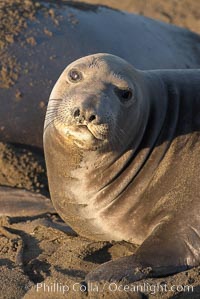
Female elephant seal, hauled out on the sandy beach rookery, will give birth to a pup then mate, and return to the ocean 27 days after giving birth. Winter, Central California.
Species: Elephant seal, Mirounga angustirostris
Location: Piedras Blancas, San Simeon, California
Image ID: 15470
Species: Elephant seal, Mirounga angustirostris
Location: Piedras Blancas, San Simeon, California
Image ID: 15470
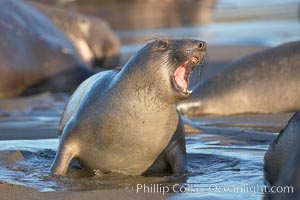
Female elephant seal, hauled out on the sandy beach rookery, will give birth to a pup then mate, and return to the ocean 27 days after giving birth. Winter, Central California.
Species: Elephant seal, Mirounga angustirostris
Location: Piedras Blancas, San Simeon, California
Image ID: 15471
Species: Elephant seal, Mirounga angustirostris
Location: Piedras Blancas, San Simeon, California
Image ID: 15471
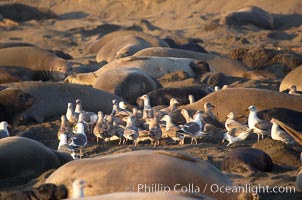
Seagulls feast on the placenta and birth tissues produced by an elephant seal birth just moments before. The pup is unharmed; the interaction is a common one between elephant seals and gulls. Winter, Central California.
Species: Elephant seal, Mirounga angustirostris
Location: Piedras Blancas, San Simeon, California
Image ID: 15478
Species: Elephant seal, Mirounga angustirostris
Location: Piedras Blancas, San Simeon, California
Image ID: 15478
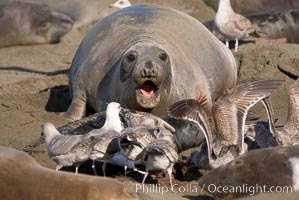
Having just given birth moments before, a mother elephant seal barks at seagulls that are feasting on the placenta and birth tissues. The pup is unharmed; the interaction is a common one between elephant seals and gulls. Winter, Central California.
Species: Elephant seal, Mirounga angustirostris
Location: Piedras Blancas, San Simeon, California
Image ID: 15482
Species: Elephant seal, Mirounga angustirostris
Location: Piedras Blancas, San Simeon, California
Image ID: 15482
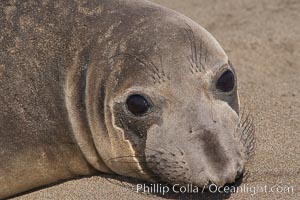
Female elephant seal, hauled out on the sandy beach rookery, will give birth to a pup then mate, and return to the ocean 27 days after giving birth. Winter, Central California.
Species: Elephant seal, Mirounga angustirostris
Location: Piedras Blancas, San Simeon, California
Image ID: 15539
Species: Elephant seal, Mirounga angustirostris
Location: Piedras Blancas, San Simeon, California
Image ID: 15539
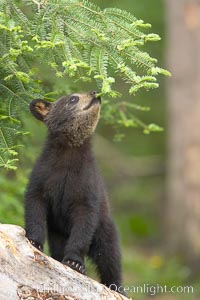
Black bear cub. Black bear cubs are typically born in January or February, weighing less than one pound at birth. Cubs are weaned between July and September and remain with their mother until the next winter.
Species: American black bear, Ursus americanus
Location: Orr, Minnesota
Image ID: 18769
Species: American black bear, Ursus americanus
Location: Orr, Minnesota
Image ID: 18769
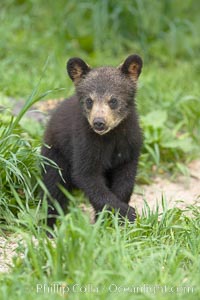
Black bear cub. Black bear cubs are typically born in January or February, weighing less than one pound at birth. Cubs are weaned between July and September and remain with their mother until the next winter.
Species: American black bear, Ursus americanus
Location: Orr, Minnesota
Image ID: 18794
Species: American black bear, Ursus americanus
Location: Orr, Minnesota
Image ID: 18794
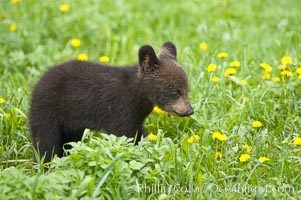
Black bear cub. Black bear cubs are typically born in January or February, weighing less than one pound at birth. Cubs are weaned between July and September and remain with their mother until the next winter.
Species: American black bear, Ursus americanus
Location: Orr, Minnesota
Image ID: 18795
Species: American black bear, Ursus americanus
Location: Orr, Minnesota
Image ID: 18795
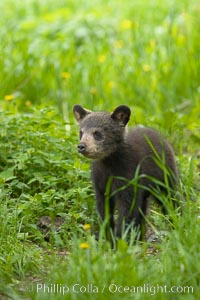
Black bear cub. Black bear cubs are typically born in January or February, weighing less than one pound at birth. Cubs are weaned between July and September and remain with their mother until the next winter.
Species: American black bear, Ursus americanus
Location: Orr, Minnesota
Image ID: 18796
Species: American black bear, Ursus americanus
Location: Orr, Minnesota
Image ID: 18796
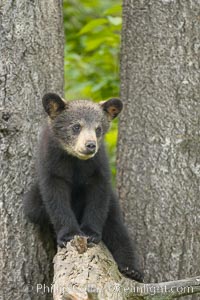
Black bear cub. Black bear cubs are typically born in January or February, weighing less than one pound at birth. Cubs are weaned between July and September and remain with their mother until the next winter.
Species: American black bear, Ursus americanus
Location: Orr, Minnesota
Image ID: 18852
Species: American black bear, Ursus americanus
Location: Orr, Minnesota
Image ID: 18852