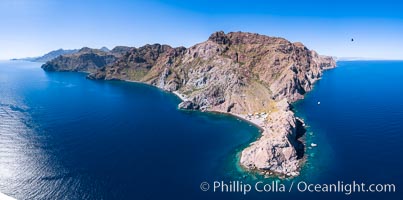
Punta Alta, a small fishing village, Aerial View, Sea of Cortez.
Location: Baja California, Mexico
Image ID: 37367
Panorama dimensions: 5702 x 11504
Location: Baja California, Mexico
Image ID: 37367
Panorama dimensions: 5702 x 11504
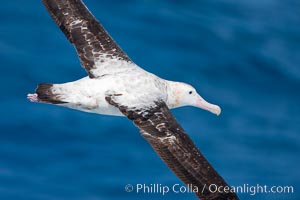
Wandering albatross in flight, over the open sea. The wandering albatross has the largest wingspan of any living bird, with the wingspan between, up to 12' from wingtip to wingtip. It can soar on the open ocean for hours at a time, riding the updrafts from individual swells, with a glide ratio of 22 units of distance for every unit of drop. The wandering albatross can live up to 23 years. They hunt at night on the open ocean for cephalopods, small fish, and crustaceans. The survival of the species is at risk due to mortality from long-line fishing gear.
Species: Wandering albatross, Diomedea exulans
Location: Southern Ocean
Image ID: 24087
Species: Wandering albatross, Diomedea exulans
Location: Southern Ocean
Image ID: 24087
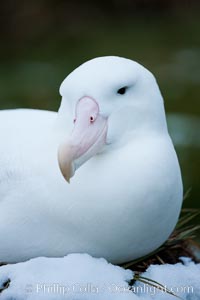
Wandering albatross, on nest and the Prion Island colony. The wandering albatross has the largest wingspan of any living bird, with the wingspan between, up to 12' from wingtip to wingtip. It can soar on the open ocean for hours at a time, riding the updrafts from individual swells, with a glide ratio of 22 units of distance for every unit of drop. The wandering albatross can live up to 23 years. They hunt at night on the open ocean for cephalopods, small fish, and crustaceans. The survival of the species is at risk due to mortality from long-line fishing gear.
Species: Wandering albatross, Diomedea exulans
Location: Prion Island, South Georgia Island
Image ID: 24428
Species: Wandering albatross, Diomedea exulans
Location: Prion Island, South Georgia Island
Image ID: 24428
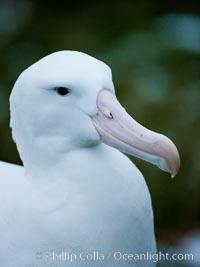
Wandering albatross, on nest and the Prion Island colony. The wandering albatross has the largest wingspan of any living bird, with the wingspan between, up to 12' from wingtip to wingtip. It can soar on the open ocean for hours at a time, riding the updrafts from individual swells, with a glide ratio of 22 units of distance for every unit of drop. The wandering albatross can live up to 23 years. They hunt at night on the open ocean for cephalopods, small fish, and crustaceans. The survival of the species is at risk due to mortality from long-line fishing gear.
Species: Wandering albatross, Diomedea exulans
Location: Prion Island, South Georgia Island
Image ID: 24429
Species: Wandering albatross, Diomedea exulans
Location: Prion Island, South Georgia Island
Image ID: 24429
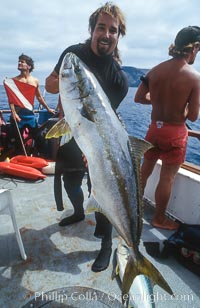
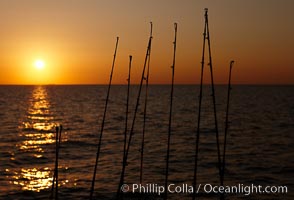
Yellowtail fishing, Guadalupe Island, Mexico.
Location: Guadalupe Island (Isla Guadalupe), Baja California, Mexico
Image ID: 01977
Location: Guadalupe Island (Isla Guadalupe), Baja California, Mexico
Image ID: 01977
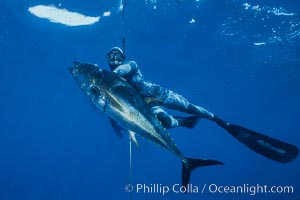
Spearfishing, Guadalupe Island, Mexico.
Location: Guadalupe Island (Isla Guadalupe), Baja California, Mexico
Image ID: 36166
Location: Guadalupe Island (Isla Guadalupe), Baja California, Mexico
Image ID: 36166
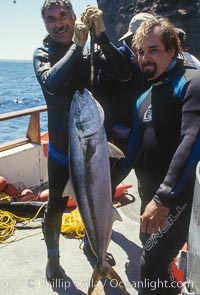
Spearfishing, Guadalupe Island, Mexico.
Location: Guadalupe Island (Isla Guadalupe), Baja California, Mexico
Image ID: 36205
Location: Guadalupe Island (Isla Guadalupe), Baja California, Mexico
Image ID: 36205
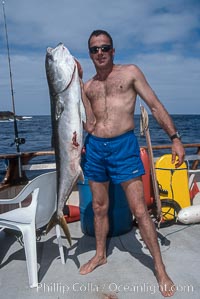
Spearfishing, Guadalupe Island, Mexico.
Location: Guadalupe Island (Isla Guadalupe), Baja California, Mexico
Image ID: 36206
Location: Guadalupe Island (Isla Guadalupe), Baja California, Mexico
Image ID: 36206
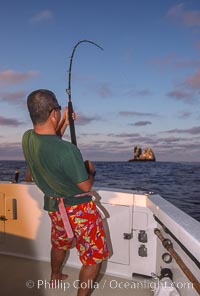
Fishing for giant yellowfin tuna at Roca Partida in the Revillagigedos, Baja California, Mexico. This is a historical photo; the Revillagigedos Island group is now protected and fishing is not permitted at the islands.
Location: Socorro Island (Islas Revillagigedos), Baja California, Mexico
Image ID: 36212
Location: Socorro Island (Islas Revillagigedos), Baja California, Mexico
Image ID: 36212
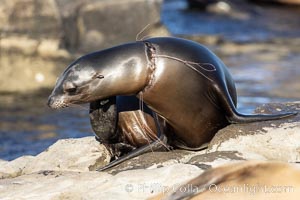
California sea lion entangled in fishing line, deep laceration around neck, Point La Jolla.
Species: California, California Sea Lion, Zalophus californianus
Location: La Jolla, California
Image ID: 37834
Species: California, California Sea Lion, Zalophus californianus
Location: La Jolla, California
Image ID: 37834
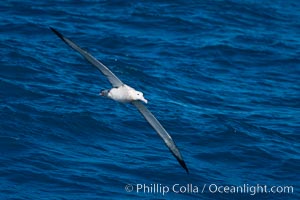
Wandering albatross in flight, over the open sea. The wandering albatross has the largest wingspan of any living bird, with the wingspan between, up to 12' from wingtip to wingtip. It can soar on the open ocean for hours at a time, riding the updrafts from individual swells, with a glide ratio of 22 units of distance for every unit of drop. The wandering albatross can live up to 23 years. They hunt at night on the open ocean for cephalopods, small fish, and crustaceans. The survival of the species is at risk due to mortality from long-line fishing gear.
Species: Wandering albatross, Diomedea exulans
Location: Southern Ocean
Image ID: 24088
Species: Wandering albatross, Diomedea exulans
Location: Southern Ocean
Image ID: 24088
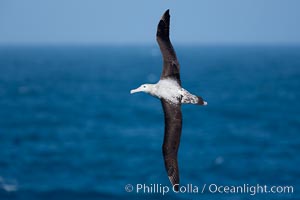
Wandering albatross in flight, over the open sea. The wandering albatross has the largest wingspan of any living bird, with the wingspan between, up to 12' from wingtip to wingtip. It can soar on the open ocean for hours at a time, riding the updrafts from individual swells, with a glide ratio of 22 units of distance for every unit of drop. The wandering albatross can live up to 23 years. They hunt at night on the open ocean for cephalopods, small fish, and crustaceans. The survival of the species is at risk due to mortality from long-line fishing gear.
Species: Wandering albatross, Diomedea exulans
Location: Southern Ocean
Image ID: 24089
Species: Wandering albatross, Diomedea exulans
Location: Southern Ocean
Image ID: 24089
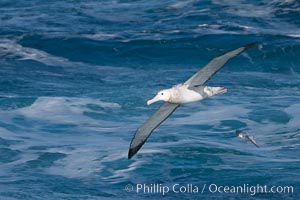
Wandering albatross in flight, over the open sea. The wandering albatross has the largest wingspan of any living bird, with the wingspan between, up to 12' from wingtip to wingtip. It can soar on the open ocean for hours at a time, riding the updrafts from individual swells, with a glide ratio of 22 units of distance for every unit of drop. The wandering albatross can live up to 23 years. They hunt at night on the open ocean for cephalopods, small fish, and crustaceans. The survival of the species is at risk due to mortality from long-line fishing gear.
Species: Wandering albatross, Diomedea exulans
Location: Southern Ocean
Image ID: 24090
Species: Wandering albatross, Diomedea exulans
Location: Southern Ocean
Image ID: 24090
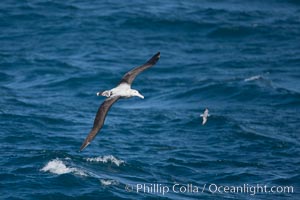
Wandering albatross in flight, over the open sea. The wandering albatross has the largest wingspan of any living bird, with the wingspan between, up to 12' from wingtip to wingtip. It can soar on the open ocean for hours at a time, riding the updrafts from individual swells, with a glide ratio of 22 units of distance for every unit of drop. The wandering albatross can live up to 23 years. They hunt at night on the open ocean for cephalopods, small fish, and crustaceans. The survival of the species is at risk due to mortality from long-line fishing gear.
Species: Wandering albatross, Diomedea exulans
Location: Southern Ocean
Image ID: 24133
Species: Wandering albatross, Diomedea exulans
Location: Southern Ocean
Image ID: 24133
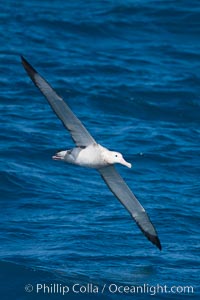
Wandering albatross in flight, over the open sea. The wandering albatross has the largest wingspan of any living bird, with the wingspan between, up to 12' from wingtip to wingtip. It can soar on the open ocean for hours at a time, riding the updrafts from individual swells, with a glide ratio of 22 units of distance for every unit of drop. The wandering albatross can live up to 23 years. They hunt at night on the open ocean for cephalopods, small fish, and crustaceans. The survival of the species is at risk due to mortality from long-line fishing gear.
Species: Wandering albatross, Diomedea exulans
Location: Southern Ocean
Image ID: 24169
Species: Wandering albatross, Diomedea exulans
Location: Southern Ocean
Image ID: 24169
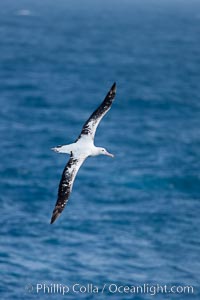
Wandering albatross in flight, over the open sea. The wandering albatross has the largest wingspan of any living bird, with the wingspan between, up to 12' from wingtip to wingtip. It can soar on the open ocean for hours at a time, riding the updrafts from individual swells, with a glide ratio of 22 units of distance for every unit of drop. The wandering albatross can live up to 23 years. They hunt at night on the open ocean for cephalopods, small fish, and crustaceans. The survival of the species is at risk due to mortality from long-line fishing gear.
Species: Wandering albatross, Diomedea exulans
Location: Southern Ocean
Image ID: 24170
Species: Wandering albatross, Diomedea exulans
Location: Southern Ocean
Image ID: 24170
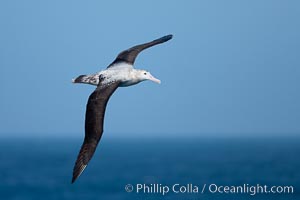
Wandering albatross in flight, over the open sea. The wandering albatross has the largest wingspan of any living bird, with the wingspan between, up to 12' from wingtip to wingtip. It can soar on the open ocean for hours at a time, riding the updrafts from individual swells, with a glide ratio of 22 units of distance for every unit of drop. The wandering albatross can live up to 23 years. They hunt at night on the open ocean for cephalopods, small fish, and crustaceans. The survival of the species is at risk due to mortality from long-line fishing gear.
Species: Wandering albatross, Diomedea exulans
Location: Southern Ocean
Image ID: 24171
Species: Wandering albatross, Diomedea exulans
Location: Southern Ocean
Image ID: 24171
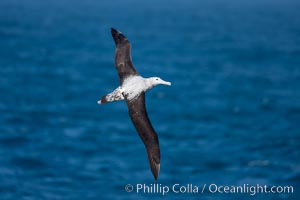
Wandering albatross in flight, over the open sea. The wandering albatross has the largest wingspan of any living bird, with the wingspan between, up to 12' from wingtip to wingtip. It can soar on the open ocean for hours at a time, riding the updrafts from individual swells, with a glide ratio of 22 units of distance for every unit of drop. The wandering albatross can live up to 23 years. They hunt at night on the open ocean for cephalopods, small fish, and crustaceans. The survival of the species is at risk due to mortality from long-line fishing gear.
Species: Wandering albatross, Diomedea exulans
Location: Southern Ocean
Image ID: 24172
Species: Wandering albatross, Diomedea exulans
Location: Southern Ocean
Image ID: 24172
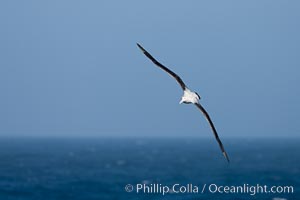
Wandering albatross in flight, over the open sea. The wandering albatross has the largest wingspan of any living bird, with the wingspan between, up to 12' from wingtip to wingtip. It can soar on the open ocean for hours at a time, riding the updrafts from individual swells, with a glide ratio of 22 units of distance for every unit of drop. The wandering albatross can live up to 23 years. They hunt at night on the open ocean for cephalopods, small fish, and crustaceans. The survival of the species is at risk due to mortality from long-line fishing gear.
Species: Wandering albatross, Diomedea exulans
Location: Southern Ocean
Image ID: 24173
Species: Wandering albatross, Diomedea exulans
Location: Southern Ocean
Image ID: 24173
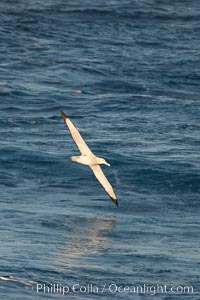
Wandering albatross in flight, over the open sea. The wandering albatross has the largest wingspan of any living bird, with the wingspan between, up to 12' from wingtip to wingtip. It can soar on the open ocean for hours at a time, riding the updrafts from individual swells, with a glide ratio of 22 units of distance for every unit of drop. The wandering albatross can live up to 23 years. They hunt at night on the open ocean for cephalopods, small fish, and crustaceans. The survival of the species is at risk due to mortality from long-line fishing gear.
Species: Wandering albatross, Diomedea exulans
Location: Southern Ocean
Image ID: 24174
Species: Wandering albatross, Diomedea exulans
Location: Southern Ocean
Image ID: 24174
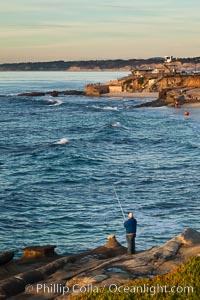
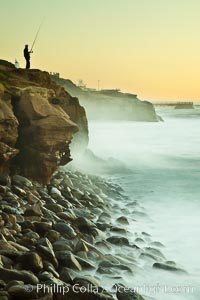
Fisherman at dawn along the La Jolla coastline, waves blur as they crash upon the Boomer Beach boulders.
Location: La Jolla, California
Image ID: 26447
Location: La Jolla, California
Image ID: 26447
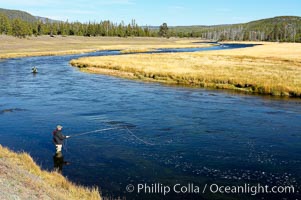
Fly fisherman wading in the Madison River, fall, autumn.
Location: Madison River, Yellowstone National Park, Wyoming
Image ID: 19590
Location: Madison River, Yellowstone National Park, Wyoming
Image ID: 19590
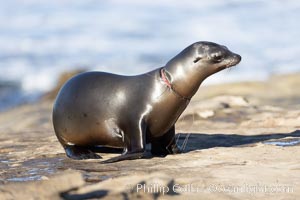
California sea lion entangled in fishing line, deep laceration around neck, Point La Jolla.
Species: California, California Sea Lion, Zalophus californianus
Location: La Jolla, California
Image ID: 37831
Species: California, California Sea Lion, Zalophus californianus
Location: La Jolla, California
Image ID: 37831
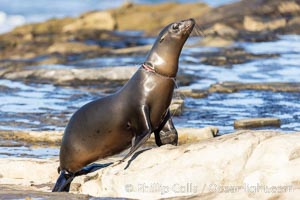
California sea lion entangled in fishing line, deep laceration around neck, Point La Jolla.
Species: California, California Sea Lion, Zalophus californianus
Location: La Jolla, California
Image ID: 37832
Species: California, California Sea Lion, Zalophus californianus
Location: La Jolla, California
Image ID: 37832
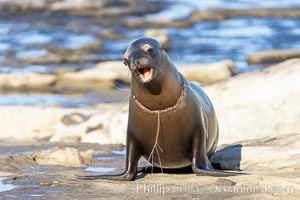
California sea lion entangled in fishing line, deep laceration around neck, Point La Jolla.
Species: California, California Sea Lion, Zalophus californianus
Location: La Jolla, California
Image ID: 37836
Species: California, California Sea Lion, Zalophus californianus
Location: La Jolla, California
Image ID: 37836
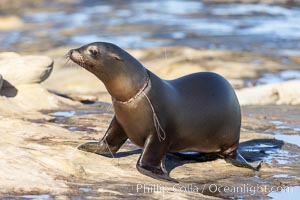
California sea lion entangled in fishing line, deep laceration around neck, Point La Jolla.
Species: California, California Sea Lion, Zalophus californianus
Location: La Jolla, California
Image ID: 37837
Species: California, California Sea Lion, Zalophus californianus
Location: La Jolla, California
Image ID: 37837
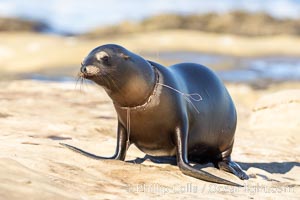
California sea lion entangled in fishing line, deep laceration around neck, Point La Jolla.
Species: California, California Sea Lion, Zalophus californianus
Location: La Jolla, California
Image ID: 37838
Species: California, California Sea Lion, Zalophus californianus
Location: La Jolla, California
Image ID: 37838