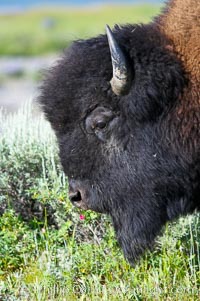
The bisons massive head is its most characteristic feature. Its forehead bulges because of its convex-shaped frontal bone. Its shoulder hump, dwindling bowlike to the haunches, is supported by unusually long spinal vertebrae. Over powerful neck and shoulder muscles grows a great shaggy coat of curly brown fur, and over the head, like an immense hood, grows a shock of black hair. Its forequarters are higher and much heavier than its haunches. A mature bull stands about 6 1/2 feet (2 meters) at the shoulder and weighs more than 2,000 pounds (900 kilograms). The bisons horns are short and black. In the male they are thick at the base and taper abruptly to sharp points as they curve outward and upward; the females horns are more slender.
Species: American bison, Bison bison
Location: Yellowstone National Park, Wyoming
Image ID: 13134
Species: American bison, Bison bison
Location: Yellowstone National Park, Wyoming
Image ID: 13134
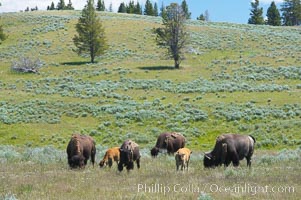
The Hayden herd of bison grazes, a mix of mature adults and young calves.
Species: American bison, Bison bison
Location: Hayden Valley, Yellowstone National Park, Wyoming
Image ID: 13141
Species: American bison, Bison bison
Location: Hayden Valley, Yellowstone National Park, Wyoming
Image ID: 13141
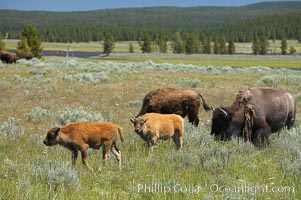
The Hayden herd of bison grazes, a mix of mature adults and young calves.
Species: American bison, Bison bison
Location: Hayden Valley, Yellowstone National Park, Wyoming
Image ID: 13142
Species: American bison, Bison bison
Location: Hayden Valley, Yellowstone National Park, Wyoming
Image ID: 13142
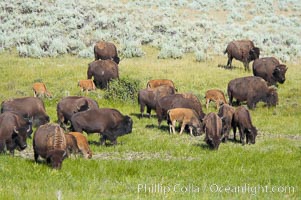
The Lamar herd of bison grazes, a mix of mature adults and young calves.
Species: American bison, Bison bison
Location: Lamar Valley, Yellowstone National Park, Wyoming
Image ID: 13148
Species: American bison, Bison bison
Location: Lamar Valley, Yellowstone National Park, Wyoming
Image ID: 13148
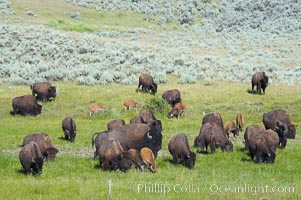
The Lamar herd of bison grazes, a mix of mature adults and young calves.
Species: American bison, Bison bison
Location: Lamar Valley, Yellowstone National Park, Wyoming
Image ID: 13149
Species: American bison, Bison bison
Location: Lamar Valley, Yellowstone National Park, Wyoming
Image ID: 13149
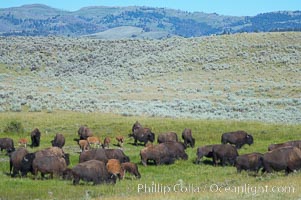
The Lamar herd of bison grazes, a mix of mature adults and young calves.
Species: American bison, Bison bison
Location: Lamar Valley, Yellowstone National Park, Wyoming
Image ID: 13150
Species: American bison, Bison bison
Location: Lamar Valley, Yellowstone National Park, Wyoming
Image ID: 13150
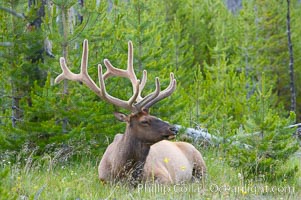
Bull elk, antlers bearing velvet, Gibbon Meadow. Elk are the most abundant large mammal found in Yellowstone National Park. More than 30,000 elk from 8 different herds summer in Yellowstone and approximately 15,000 to 22,000 winter in the park. Bulls grow antlers annually from the time they are nearly one year old. When mature, a bulls rack may have 6 to 8 points or tines on each side and weigh more than 30 pounds. The antlers are shed in March or April and begin regrowing in May, when the bony growth is nourished by blood vessels and covered by furry-looking velvet.
Species: Elk, Cervus canadensis
Location: Gibbon Meadows, Yellowstone National Park, Wyoming
Image ID: 13162
Species: Elk, Cervus canadensis
Location: Gibbon Meadows, Yellowstone National Park, Wyoming
Image ID: 13162
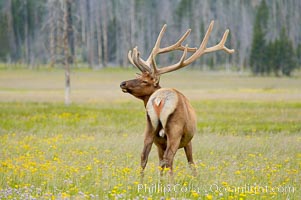
Bull elk, antlers bearing velvet, Gibbon Meadow. Elk are the most abundant large mammal found in Yellowstone National Park. More than 30,000 elk from 8 different herds summer in Yellowstone and approximately 15,000 to 22,000 winter in the park. Bulls grow antlers annually from the time they are nearly one year old. When mature, a bulls rack may have 6 to 8 points or tines on each side and weigh more than 30 pounds. The antlers are shed in March or April and begin regrowing in May, when the bony growth is nourished by blood vessels and covered by furry-looking velvet.
Species: Elk, Cervus canadensis
Location: Gibbon Meadows, Yellowstone National Park, Wyoming
Image ID: 13165
Species: Elk, Cervus canadensis
Location: Gibbon Meadows, Yellowstone National Park, Wyoming
Image ID: 13165
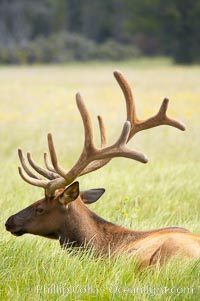
Bull elk, antlers bearing velvet, Gibbon Meadow. Elk are the most abundant large mammal found in Yellowstone National Park. More than 30,000 elk from 8 different herds summer in Yellowstone and approximately 15,000 to 22,000 winter in the park. Bulls grow antlers annually from the time they are nearly one year old. When mature, a bulls rack may have 6 to 8 points or tines on each side and weigh more than 30 pounds. The antlers are shed in March or April and begin regrowing in May, when the bony growth is nourished by blood vessels and covered by furry-looking velvet.
Species: Elk, Cervus canadensis
Location: Gibbon Meadows, Yellowstone National Park, Wyoming
Image ID: 13166
Species: Elk, Cervus canadensis
Location: Gibbon Meadows, Yellowstone National Park, Wyoming
Image ID: 13166
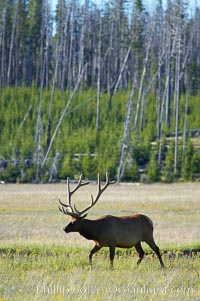
Bull elk, antlers bearing velvet, Gibbon Meadow. Elk are the most abundant large mammal found in Yellowstone National Park. More than 30,000 elk from 8 different herds summer in Yellowstone and approximately 15,000 to 22,000 winter in the park. Bulls grow antlers annually from the time they are nearly one year old. When mature, a bulls rack may have 6 to 8 points or tines on each side and weigh more than 30 pounds. The antlers are shed in March or April and begin regrowing in May, when the bony growth is nourished by blood vessels and covered by furry-looking velvet.
Species: Elk, Cervus canadensis
Location: Gibbon Meadows, Yellowstone National Park, Wyoming
Image ID: 13172
Species: Elk, Cervus canadensis
Location: Gibbon Meadows, Yellowstone National Park, Wyoming
Image ID: 13172
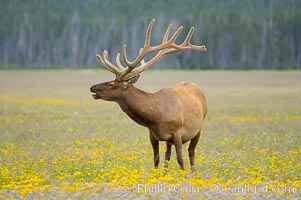
Bull elk, antlers bearing velvet, Gibbon Meadow. Elk are the most abundant large mammal found in Yellowstone National Park. More than 30,000 elk from 8 different herds summer in Yellowstone and approximately 15,000 to 22,000 winter in the park. Bulls grow antlers annually from the time they are nearly one year old. When mature, a bulls rack may have 6 to 8 points or tines on each side and weigh more than 30 pounds. The antlers are shed in March or April and begin regrowing in May, when the bony growth is nourished by blood vessels and covered by furry-looking velvet.
Species: Elk, Cervus canadensis
Location: Gibbon Meadows, Yellowstone National Park, Wyoming
Image ID: 13173
Species: Elk, Cervus canadensis
Location: Gibbon Meadows, Yellowstone National Park, Wyoming
Image ID: 13173
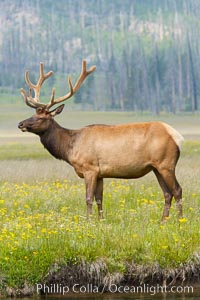
Bull elk, antlers bearing velvet, Gibbon Meadow. Elk are the most abundant large mammal found in Yellowstone National Park. More than 30,000 elk from 8 different herds summer in Yellowstone and approximately 15,000 to 22,000 winter in the park. Bulls grow antlers annually from the time they are nearly one year old. When mature, a bulls rack may have 6 to 8 points or tines on each side and weigh more than 30 pounds. The antlers are shed in March or April and begin regrowing in May, when the bony growth is nourished by blood vessels and covered by furry-looking velvet.
Species: Elk, Cervus canadensis
Location: Gibbon Meadows, Yellowstone National Park, Wyoming
Image ID: 13179
Species: Elk, Cervus canadensis
Location: Gibbon Meadows, Yellowstone National Park, Wyoming
Image ID: 13179
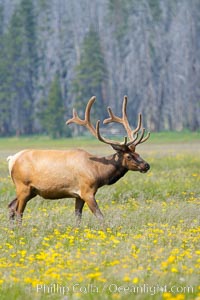
Bull elk, antlers bearing velvet, Gibbon Meadow. Elk are the most abundant large mammal found in Yellowstone National Park. More than 30,000 elk from 8 different herds summer in Yellowstone and approximately 15,000 to 22,000 winter in the park. Bulls grow antlers annually from the time they are nearly one year old. When mature, a bulls rack may have 6 to 8 points or tines on each side and weigh more than 30 pounds. The antlers are shed in March or April and begin regrowing in May, when the bony growth is nourished by blood vessels and covered by furry-looking velvet.
Species: Elk, Cervus canadensis
Location: Gibbon Meadows, Yellowstone National Park, Wyoming
Image ID: 13180
Species: Elk, Cervus canadensis
Location: Gibbon Meadows, Yellowstone National Park, Wyoming
Image ID: 13180
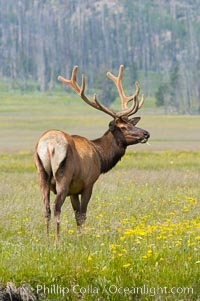
Bull elk, antlers bearing velvet, Gibbon Meadow. Elk are the most abundant large mammal found in Yellowstone National Park. More than 30,000 elk from 8 different herds summer in Yellowstone and approximately 15,000 to 22,000 winter in the park. Bulls grow antlers annually from the time they are nearly one year old. When mature, a bulls rack may have 6 to 8 points or tines on each side and weigh more than 30 pounds. The antlers are shed in March or April and begin regrowing in May, when the bony growth is nourished by blood vessels and covered by furry-looking velvet.
Species: Elk, Cervus canadensis
Location: Gibbon Meadows, Yellowstone National Park, Wyoming
Image ID: 13181
Species: Elk, Cervus canadensis
Location: Gibbon Meadows, Yellowstone National Park, Wyoming
Image ID: 13181
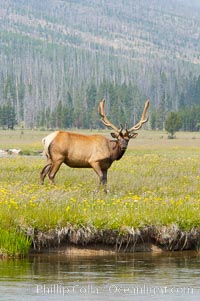
Bull elk, antlers bearing velvet, Gibbon Meadow. Elk are the most abundant large mammal found in Yellowstone National Park. More than 30,000 elk from 8 different herds summer in Yellowstone and approximately 15,000 to 22,000 winter in the park. Bulls grow antlers annually from the time they are nearly one year old. When mature, a bulls rack may have 6 to 8 points or tines on each side and weigh more than 30 pounds. The antlers are shed in March or April and begin regrowing in May, when the bony growth is nourished by blood vessels and covered by furry-looking velvet.
Species: Elk, Cervus canadensis
Location: Gibbon Meadows, Yellowstone National Park, Wyoming
Image ID: 13182
Species: Elk, Cervus canadensis
Location: Gibbon Meadows, Yellowstone National Park, Wyoming
Image ID: 13182
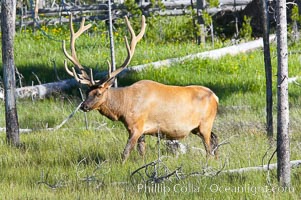
Bull elk, antlers bearing velvet, Gibbon Meadow. Elk are the most abundant large mammal found in Yellowstone National Park. More than 30,000 elk from 8 different herds summer in Yellowstone and approximately 15,000 to 22,000 winter in the park. Bulls grow antlers annually from the time they are nearly one year old. When mature, a bulls rack may have 6 to 8 points or tines on each side and weigh more than 30 pounds. The antlers are shed in March or April and begin regrowing in May, when the bony growth is nourished by blood vessels and covered by furry-looking velvet.
Species: Elk, Cervus canadensis
Location: Gibbon Meadows, Yellowstone National Park, Wyoming
Image ID: 13183
Species: Elk, Cervus canadensis
Location: Gibbon Meadows, Yellowstone National Park, Wyoming
Image ID: 13183
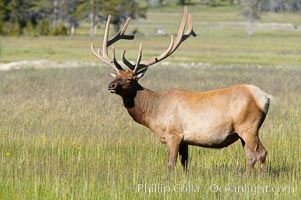
Bull elk, antlers bearing velvet, Gibbon Meadow. Elk are the most abundant large mammal found in Yellowstone National Park. More than 30,000 elk from 8 different herds summer in Yellowstone and approximately 15,000 to 22,000 winter in the park. Bulls grow antlers annually from the time they are nearly one year old. When mature, a bulls rack may have 6 to 8 points or tines on each side and weigh more than 30 pounds. The antlers are shed in March or April and begin regrowing in May, when the bony growth is nourished by blood vessels and covered by furry-looking velvet.
Species: Elk, Cervus canadensis
Location: Gibbon Meadows, Yellowstone National Park, Wyoming
Image ID: 13185
Species: Elk, Cervus canadensis
Location: Gibbon Meadows, Yellowstone National Park, Wyoming
Image ID: 13185
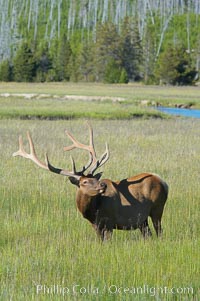
Bull elk, antlers bearing velvet, Gibbon Meadow. Elk are the most abundant large mammal found in Yellowstone National Park. More than 30,000 elk from 8 different herds summer in Yellowstone and approximately 15,000 to 22,000 winter in the park. Bulls grow antlers annually from the time they are nearly one year old. When mature, a bulls rack may have 6 to 8 points or tines on each side and weigh more than 30 pounds. The antlers are shed in March or April and begin regrowing in May, when the bony growth is nourished by blood vessels and covered by furry-looking velvet.
Species: Elk, Cervus canadensis
Location: Gibbon Meadows, Yellowstone National Park, Wyoming
Image ID: 13186
Species: Elk, Cervus canadensis
Location: Gibbon Meadows, Yellowstone National Park, Wyoming
Image ID: 13186
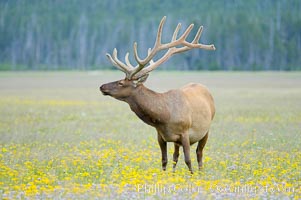
Bull elk, antlers bearing velvet, Gibbon Meadow. Elk are the most abundant large mammal found in Yellowstone National Park. More than 30,000 elk from 8 different herds summer in Yellowstone and approximately 15,000 to 22,000 winter in the park. Bulls grow antlers annually from the time they are nearly one year old. When mature, a bulls rack may have 6 to 8 points or tines on each side and weigh more than 30 pounds. The antlers are shed in March or April and begin regrowing in May, when the bony growth is nourished by blood vessels and covered by furry-looking velvet.
Species: Elk, Cervus canadensis
Location: Gibbon Meadows, Yellowstone National Park, Wyoming
Image ID: 13195
Species: Elk, Cervus canadensis
Location: Gibbon Meadows, Yellowstone National Park, Wyoming
Image ID: 13195
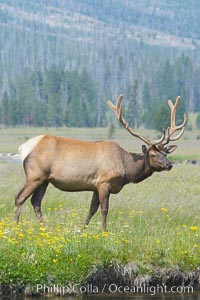
Bull elk, antlers bearing velvet, Gibbon Meadow. Elk are the most abundant large mammal found in Yellowstone National Park. More than 30,000 elk from 8 different herds summer in Yellowstone and approximately 15,000 to 22,000 winter in the park. Bulls grow antlers annually from the time they are nearly one year old. When mature, a bulls rack may have 6 to 8 points or tines on each side and weigh more than 30 pounds. The antlers are shed in March or April and begin regrowing in May, when the bony growth is nourished by blood vessels and covered by furry-looking velvet.
Species: Elk, Cervus canadensis
Location: Gibbon Meadows, Yellowstone National Park, Wyoming
Image ID: 13199
Species: Elk, Cervus canadensis
Location: Gibbon Meadows, Yellowstone National Park, Wyoming
Image ID: 13199
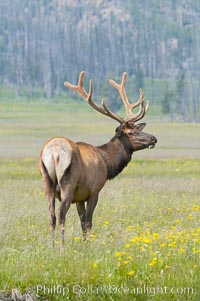
Bull elk, antlers bearing velvet, Gibbon Meadow. Elk are the most abundant large mammal found in Yellowstone National Park. More than 30,000 elk from 8 different herds summer in Yellowstone and approximately 15,000 to 22,000 winter in the park. Bulls grow antlers annually from the time they are nearly one year old. When mature, a bulls rack may have 6 to 8 points or tines on each side and weigh more than 30 pounds. The antlers are shed in March or April and begin regrowing in May, when the bony growth is nourished by blood vessels and covered by furry-looking velvet.
Species: Elk, Cervus canadensis
Location: Gibbon Meadows, Yellowstone National Park, Wyoming
Image ID: 13200
Species: Elk, Cervus canadensis
Location: Gibbon Meadows, Yellowstone National Park, Wyoming
Image ID: 13200
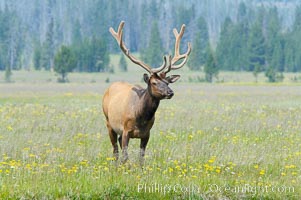
Bull elk, antlers bearing velvet, Gibbon Meadow. Elk are the most abundant large mammal found in Yellowstone National Park. More than 30,000 elk from 8 different herds summer in Yellowstone and approximately 15,000 to 22,000 winter in the park. Bulls grow antlers annually from the time they are nearly one year old. When mature, a bulls rack may have 6 to 8 points or tines on each side and weigh more than 30 pounds. The antlers are shed in March or April and begin regrowing in May, when the bony growth is nourished by blood vessels and covered by furry-looking velvet.
Species: Elk, Cervus canadensis
Location: Gibbon Meadows, Yellowstone National Park, Wyoming
Image ID: 13201
Species: Elk, Cervus canadensis
Location: Gibbon Meadows, Yellowstone National Park, Wyoming
Image ID: 13201
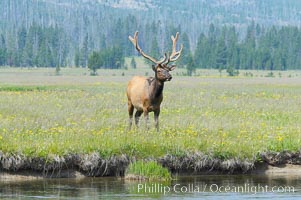
Bull elk, antlers bearing velvet, Gibbon Meadow. Elk are the most abundant large mammal found in Yellowstone National Park. More than 30,000 elk from 8 different herds summer in Yellowstone and approximately 15,000 to 22,000 winter in the park. Bulls grow antlers annually from the time they are nearly one year old. When mature, a bulls rack may have 6 to 8 points or tines on each side and weigh more than 30 pounds. The antlers are shed in March or April and begin regrowing in May, when the bony growth is nourished by blood vessels and covered by furry-looking velvet.
Species: Elk, Cervus canadensis
Location: Gibbon Meadows, Yellowstone National Park, Wyoming
Image ID: 13202
Species: Elk, Cervus canadensis
Location: Gibbon Meadows, Yellowstone National Park, Wyoming
Image ID: 13202
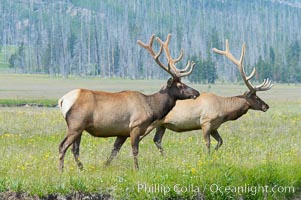
Bull elk, antlers bearing velvet, Gibbon Meadow. Elk are the most abundant large mammal found in Yellowstone National Park. More than 30,000 elk from 8 different herds summer in Yellowstone and approximately 15,000 to 22,000 winter in the park. Bulls grow antlers annually from the time they are nearly one year old. When mature, a bulls rack may have 6 to 8 points or tines on each side and weigh more than 30 pounds. The antlers are shed in March or April and begin regrowing in May, when the bony growth is nourished by blood vessels and covered by furry-looking velvet.
Species: Elk, Cervus canadensis
Location: Gibbon Meadows, Yellowstone National Park, Wyoming
Image ID: 13204
Species: Elk, Cervus canadensis
Location: Gibbon Meadows, Yellowstone National Park, Wyoming
Image ID: 13204
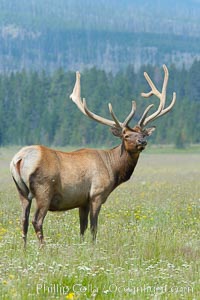
Bull elk, antlers bearing velvet, Gibbon Meadow. Elk are the most abundant large mammal found in Yellowstone National Park. More than 30,000 elk from 8 different herds summer in Yellowstone and approximately 15,000 to 22,000 winter in the park. Bulls grow antlers annually from the time they are nearly one year old. When mature, a bulls rack may have 6 to 8 points or tines on each side and weigh more than 30 pounds. The antlers are shed in March or April and begin regrowing in May, when the bony growth is nourished by blood vessels and covered by furry-looking velvet.
Species: Elk, Cervus canadensis
Location: Gibbon Meadows, Yellowstone National Park, Wyoming
Image ID: 13208
Species: Elk, Cervus canadensis
Location: Gibbon Meadows, Yellowstone National Park, Wyoming
Image ID: 13208
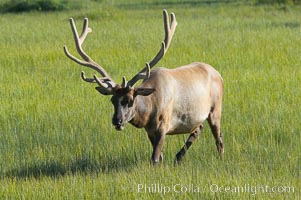
Bull elk, antlers bearing velvet, Gibbon Meadow. Elk are the most abundant large mammal found in Yellowstone National Park. More than 30,000 elk from 8 different herds summer in Yellowstone and approximately 15,000 to 22,000 winter in the park. Bulls grow antlers annually from the time they are nearly one year old. When mature, a bulls rack may have 6 to 8 points or tines on each side and weigh more than 30 pounds. The antlers are shed in March or April and begin regrowing in May, when the bony growth is nourished by blood vessels and covered by furry-looking velvet.
Species: Elk, Cervus canadensis
Location: Gibbon Meadows, Yellowstone National Park, Wyoming
Image ID: 13210
Species: Elk, Cervus canadensis
Location: Gibbon Meadows, Yellowstone National Park, Wyoming
Image ID: 13210
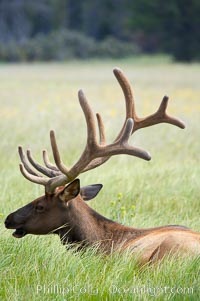
Bull elk, antlers bearing velvet, Gibbon Meadow. Elk are the most abundant large mammal found in Yellowstone National Park. More than 30,000 elk from 8 different herds summer in Yellowstone and approximately 15,000 to 22,000 winter in the park. Bulls grow antlers annually from the time they are nearly one year old. When mature, a bulls rack may have 6 to 8 points or tines on each side and weigh more than 30 pounds. The antlers are shed in March or April and begin regrowing in May, when the bony growth is nourished by blood vessels and covered by furry-looking velvet.
Species: Elk, Cervus canadensis
Location: Gibbon Meadows, Yellowstone National Park, Wyoming
Image ID: 13216
Species: Elk, Cervus canadensis
Location: Gibbon Meadows, Yellowstone National Park, Wyoming
Image ID: 13216
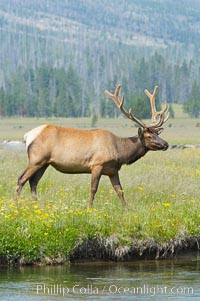
Bull elk, antlers bearing velvet, Gibbon Meadow. Elk are the most abundant large mammal found in Yellowstone National Park. More than 30,000 elk from 8 different herds summer in Yellowstone and approximately 15,000 to 22,000 winter in the park. Bulls grow antlers annually from the time they are nearly one year old. When mature, a bulls rack may have 6 to 8 points or tines on each side and weigh more than 30 pounds. The antlers are shed in March or April and begin regrowing in May, when the bony growth is nourished by blood vessels and covered by furry-looking velvet.
Species: Elk, Cervus canadensis
Location: Gibbon Meadows, Yellowstone National Park, Wyoming
Image ID: 13219
Species: Elk, Cervus canadensis
Location: Gibbon Meadows, Yellowstone National Park, Wyoming
Image ID: 13219
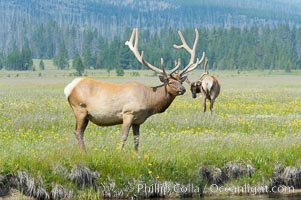
Bull elk, antlers bearing velvet, Gibbon Meadow. Elk are the most abundant large mammal found in Yellowstone National Park. More than 30,000 elk from 8 different herds summer in Yellowstone and approximately 15,000 to 22,000 winter in the park. Bulls grow antlers annually from the time they are nearly one year old. When mature, a bulls rack may have 6 to 8 points or tines on each side and weigh more than 30 pounds. The antlers are shed in March or April and begin regrowing in May, when the bony growth is nourished by blood vessels and covered by furry-looking velvet.
Species: Elk, Cervus canadensis
Location: Gibbon Meadows, Yellowstone National Park, Wyoming
Image ID: 13220
Species: Elk, Cervus canadensis
Location: Gibbon Meadows, Yellowstone National Park, Wyoming
Image ID: 13220
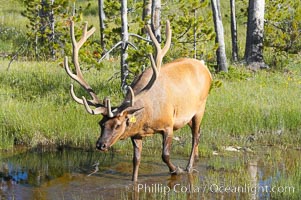
Bull elk, antlers bearing velvet, Gibbon Meadow. Elk are the most abundant large mammal found in Yellowstone National Park. More than 30,000 elk from 8 different herds summer in Yellowstone and approximately 15,000 to 22,000 winter in the park. Bulls grow antlers annually from the time they are nearly one year old. When mature, a bulls rack may have 6 to 8 points or tines on each side and weigh more than 30 pounds. The antlers are shed in March or April and begin regrowing in May, when the bony growth is nourished by blood vessels and covered by furry-looking velvet.
Species: Elk, Cervus canadensis
Location: Gibbon Meadows, Yellowstone National Park, Wyoming
Image ID: 13223
Species: Elk, Cervus canadensis
Location: Gibbon Meadows, Yellowstone National Park, Wyoming
Image ID: 13223