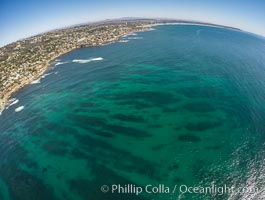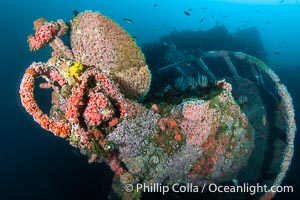
The Wreck of the HMCS Yukon in San Diego. Deliberately sunk in 2000 as part of San Diego's Wreck Alley to form an artifical reef, the HMCS Yukon is a 366-foot-long former Canadian destroyer. It is encrusted with a variety of invertebrate life, including Cornyactis anemones which provide much of the color seen here.
Location: San Diego, California
Image ID: 39478
Location: San Diego, California
Image ID: 39478
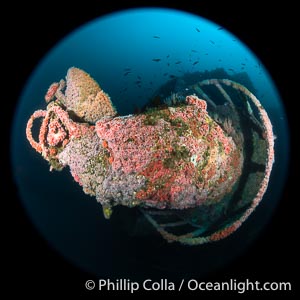
The Wreck of the HMCS Yukon in San Diego. Deliberately sunk in 2000 as part of San Diego's Wreck Alley to form an artifical reef, the HMCS Yukon is a 366-foot-long former Canadian destroyer. It is encrusted with a variety of invertebrate life, including Cornyactis anemones which provide much of the color seen here.
Location: San Diego, California
Image ID: 39479
Location: San Diego, California
Image ID: 39479
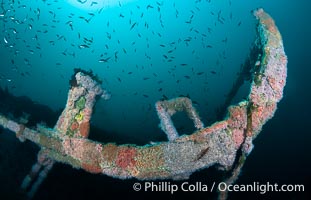
The Wreck of the HMCS Yukon in San Diego. Deliberately sunk in 2000 as part of San Diego's Wreck Alley to form an artifical reef, the HMCS Yukon is a 366-foot-long former Canadian destroyer. It is encrusted with a variety of invertebrate life, including Cornyactis anemones which provide much of the color seen here.
Location: San Diego, California
Image ID: 39480
Location: San Diego, California
Image ID: 39480
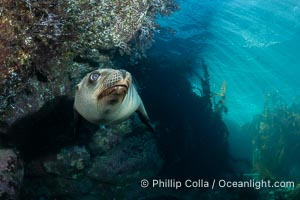
Young California Sea Lion Pup hovers along a rocky reef while early morning sunlight beams cut through the water behind it, in the Coronado Islands, Baja, Mexico.
Species: California sea lion, Zalophus californianus
Location: Coronado Islands (Islas Coronado), Baja California, Mexico
Image ID: 39979
Species: California sea lion, Zalophus californianus
Location: Coronado Islands (Islas Coronado), Baja California, Mexico
Image ID: 39979
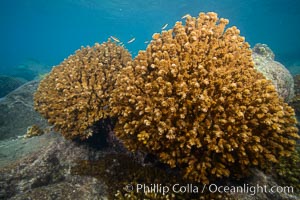
Hard Coral, Isla Espiritu Santo, Sea of Cortez, Baja California, Mexico.
Location: Sea of Cortez, Baja California, Mexico
Image ID: 31253
Location: Sea of Cortez, Baja California, Mexico
Image ID: 31253
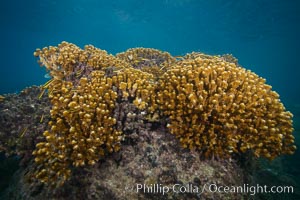
Hard Coral, Isla Espiritu Santo, Sea of Cortez, Baja California, Mexico.
Location: Sea of Cortez, Baja California, Mexico
Image ID: 31254
Location: Sea of Cortez, Baja California, Mexico
Image ID: 31254
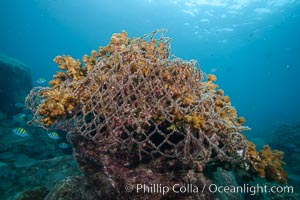
Monofiliment Fishing Net Covers Hard Coral, Isla Espiritu Santo, Sea of Cortez, Baja California, Mexico.
Location: Sea of Cortez, Baja California, Mexico
Image ID: 31255
Location: Sea of Cortez, Baja California, Mexico
Image ID: 31255
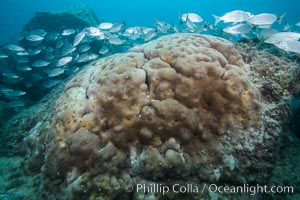
Hard Coral, Isla Espiritu Santo, Sea of Cortez, Baja California, Mexico.
Location: Sea of Cortez, Baja California, Mexico
Image ID: 31256
Location: Sea of Cortez, Baja California, Mexico
Image ID: 31256
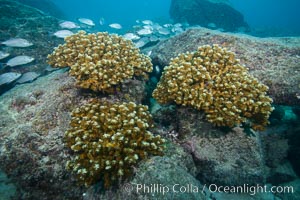
Hard Coral, Isla Espiritu Santo, Sea of Cortez, Baja California, Mexico.
Location: Sea of Cortez, Baja California, Mexico
Image ID: 31257
Location: Sea of Cortez, Baja California, Mexico
Image ID: 31257
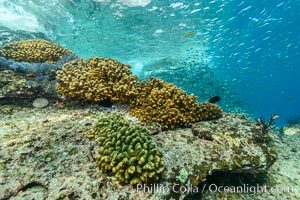
Hard Coral on Rocky Reef, Los Islotes, Baja California, Mexico.
Location: Sea of Cortez, Baja California, Mexico
Image ID: 31297
Location: Sea of Cortez, Baja California, Mexico
Image ID: 31297
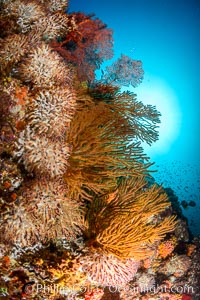
Underwater Reef with Invertebrates, Gorgonians, Coral Polyps, Sea of Cortez, Baja California.
Location: Mikes Reef, Baja California, Mexico
Image ID: 33494
Location: Mikes Reef, Baja California, Mexico
Image ID: 33494
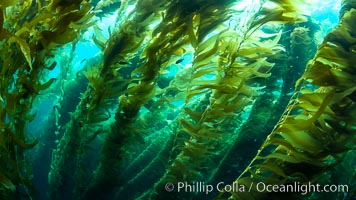
The Kelp Forest of San Clemente Island, California. A kelp forest. Giant kelp grows rapidly, up to 2' per day, from the rocky reef on the ocean bottom to which it is anchored, toward the ocean surface where it spreads to form a thick canopy. Myriad species of fishes, mammals and invertebrates form a rich community in the kelp forest. Lush forests of kelp are found throughout California's Southern Channel Islands.
Species: Giant kelp, Macrocystis pyrifera
Location: San Clemente Island, California
Image ID: 34609
Species: Giant kelp, Macrocystis pyrifera
Location: San Clemente Island, California
Image ID: 34609
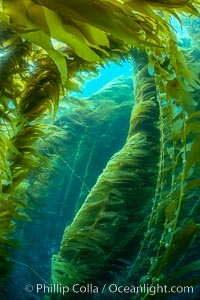
The Kelp Forest of San Clemente Island, California. A kelp forest. Giant kelp grows rapidly, up to 2' per day, from the rocky reef on the ocean bottom to which it is anchored, toward the ocean surface where it spreads to form a thick canopy. Myriad species of fishes, mammals and invertebrates form a rich community in the kelp forest. Lush forests of kelp are found throughout California's Southern Channel Islands.
Species: Giant kelp, Macrocystis pyrifera
Location: San Clemente Island, California
Image ID: 34610
Species: Giant kelp, Macrocystis pyrifera
Location: San Clemente Island, California
Image ID: 34610
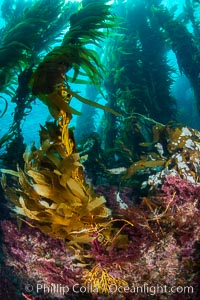
The Kelp Forest of San Clemente Island, California. A kelp forest. Giant kelp grows rapidly, up to 2' per day, from the rocky reef on the ocean bottom to which it is anchored, toward the ocean surface where it spreads to form a thick canopy. Myriad species of fishes, mammals and invertebrates form a rich community in the kelp forest. Lush forests of kelp are found throughout California's Southern Channel Islands.
Species: Giant kelp, Macrocystis pyrifera
Location: San Clemente Island, California
Image ID: 34611
Species: Giant kelp, Macrocystis pyrifera
Location: San Clemente Island, California
Image ID: 34611
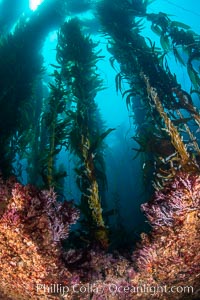
The Kelp Forest of San Clemente Island, California. A kelp forest. Giant kelp grows rapidly, up to 2' per day, from the rocky reef on the ocean bottom to which it is anchored, toward the ocean surface where it spreads to form a thick canopy. Myriad species of fishes, mammals and invertebrates form a rich community in the kelp forest. Lush forests of kelp are found throughout California's Southern Channel Islands.
Species: Giant kelp, Macrocystis pyrifera
Location: San Clemente Island, California
Image ID: 34612
Species: Giant kelp, Macrocystis pyrifera
Location: San Clemente Island, California
Image ID: 34612
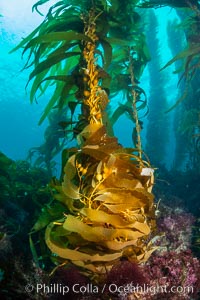
The Kelp Forest of San Clemente Island, California. A kelp forest. Giant kelp grows rapidly, up to 2' per day, from the rocky reef on the ocean bottom to which it is anchored, toward the ocean surface where it spreads to form a thick canopy. Myriad species of fishes, mammals and invertebrates form a rich community in the kelp forest. Lush forests of kelp are found throughout California's Southern Channel Islands.
Species: Giant kelp, Macrocystis pyrifera
Location: San Clemente Island, California
Image ID: 34613
Species: Giant kelp, Macrocystis pyrifera
Location: San Clemente Island, California
Image ID: 34613
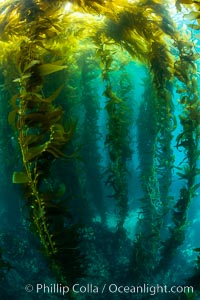
The Kelp Forest of San Clemente Island, California. A kelp forest. Giant kelp grows rapidly, up to 2' per day, from the rocky reef on the ocean bottom to which it is anchored, toward the ocean surface where it spreads to form a thick canopy. Myriad species of fishes, mammals and invertebrates form a rich community in the kelp forest. Lush forests of kelp are found throughout California's Southern Channel Islands.
Species: Giant kelp, Macrocystis pyrifera
Location: San Clemente Island, California
Image ID: 34614
Species: Giant kelp, Macrocystis pyrifera
Location: San Clemente Island, California
Image ID: 34614
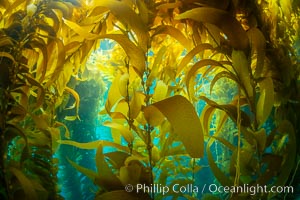
The Kelp Forest of San Clemente Island, California. A kelp forest. Giant kelp grows rapidly, up to 2' per day, from the rocky reef on the ocean bottom to which it is anchored, toward the ocean surface where it spreads to form a thick canopy. Myriad species of fishes, mammals and invertebrates form a rich community in the kelp forest. Lush forests of kelp are found throughout California's Southern Channel Islands.
Species: Giant kelp, Macrocystis pyrifera
Location: San Clemente Island, California
Image ID: 34615
Species: Giant kelp, Macrocystis pyrifera
Location: San Clemente Island, California
Image ID: 34615
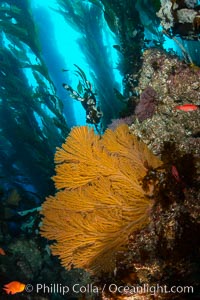
California golden gorgonian on underwater rocky reef, Catalina Island. The golden gorgonian is a filter-feeding temperate colonial species that lives on the rocky bottom at depths between 50 to 200 feet deep. Each individual polyp is a distinct animal, together they secrete calcium that forms the structure of the colony. Gorgonians are oriented at right angles to prevailing water currents to capture plankton drifting by. Catalina Island, California, USA.
Species: California Golden Gorgonian, Garibaldi, Muricea californica, Hypsypops rubicundus
Location: Catalina Island, California
Image ID: 34622
Species: California Golden Gorgonian, Garibaldi, Muricea californica, Hypsypops rubicundus
Location: Catalina Island, California
Image ID: 34622
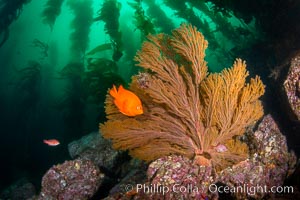
California golden gorgonian on underwater rocky reef, Catalina Island. The golden gorgonian is a filter-feeding temperate colonial species that lives on the rocky bottom at depths between 50 to 200 feet deep. Each individual polyp is a distinct animal, together they secrete calcium that forms the structure of the colony. Gorgonians are oriented at right angles to prevailing water currents to capture plankton drifting by. Catalina Island, California, USA.
Species: California Golden Gorgonian, Garibaldi, Muricea californica, Hypsypops rubicundus
Location: Catalina Island, California
Image ID: 34624
Species: California Golden Gorgonian, Garibaldi, Muricea californica, Hypsypops rubicundus
Location: Catalina Island, California
Image ID: 34624
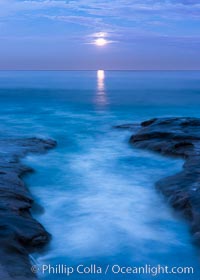
Breaking waves crash upon a rocky reef under the light of a full moon.
Location: La Jolla, California
Image ID: 28870
Location: La Jolla, California
Image ID: 28870
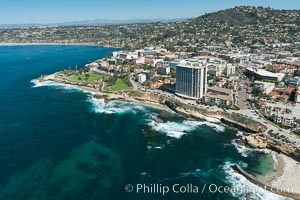
Aerial Photo of La Jolla coastline, showing underwater reefs and Mount Soledad.
Location: La Jolla, California
Image ID: 30676
Location: La Jolla, California
Image ID: 30676
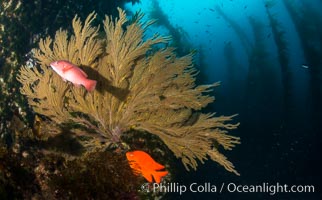
California golden gorgonian, Garibaldi and Sheephead wrasse fishes on rocky reef, below kelp forest, underwater. The golden gorgonian is a filter-feeding temperate colonial species that lives on the rocky bottom at depths between 50 to 200 feet deep. Each individual polyp is a distinct animal, together they secrete calcium that forms the structure of the colony. Gorgonians are oriented at right angles to prevailing water currents to capture plankton drifting by.
Species: California golden gorgonian, California sheephead wrasse, Garibaldi, Hypsypops rubicundus, Muricea californica, Semicossyphus pulcher
Location: San Clemente Island, California
Image ID: 30922
Species: California golden gorgonian, California sheephead wrasse, Garibaldi, Hypsypops rubicundus, Muricea californica, Semicossyphus pulcher
Location: San Clemente Island, California
Image ID: 30922
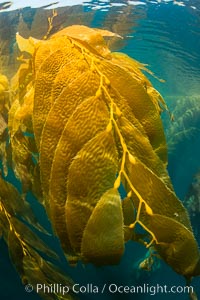
The Kelp Forest offshore of La Jolla, California. A kelp forest. Giant kelp grows rapidly, up to 2' per day, from the rocky reef on the ocean bottom to which it is anchored, toward the ocean surface where it spreads to form a thick canopy. Myriad species of fishes, mammals and invertebrates form a rich community in the kelp forest. Lush forests of kelp are found throughout California's Southern Channel Islands.
Species: Giant kelp, Macrocystis pyrifera
Location: La Jolla, California
Image ID: 30989
Species: Giant kelp, Macrocystis pyrifera
Location: La Jolla, California
Image ID: 30989
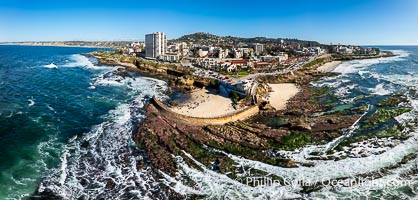
Childrens Pool Reef Exposed at Extreme Low Tide, Casa Cove, La Jolla, California. Aerial panoramic photograph.
Location: Children's Pool, La Jolla, California
Image ID: 40234
Panorama dimensions: 5612 x 11740
Location: Children's Pool, La Jolla, California
Image ID: 40234
Panorama dimensions: 5612 x 11740
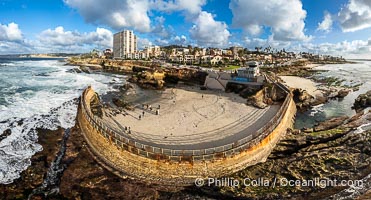
Children's Pool Reef Exposed at Extreme Low King Tide, La Jolla, California. Aerial panoramic photograph.
Location: Children's Pool, La Jolla, California
Image ID: 40718
Panorama dimensions: 6238 x 11571
Location: Children's Pool, La Jolla, California
Image ID: 40718
Panorama dimensions: 6238 x 11571
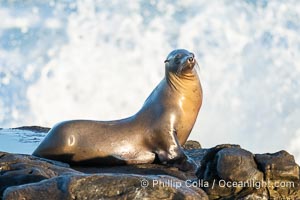
California Sea Lion Resting in the Sun, on rocky reef.
Species: California sea lion, Zalophus californianus
Location: La Jolla, California
Image ID: 40487
Species: California sea lion, Zalophus californianus
Location: La Jolla, California
Image ID: 40487
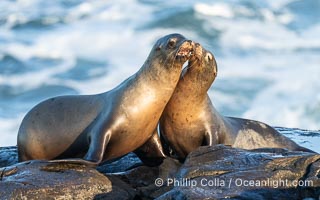
California Sea Lions Resting in the Sun, on rocky reef.
Species: California sea lion, Zalophus californianus
Location: La Jolla, California
Image ID: 40490
Species: California sea lion, Zalophus californianus
Location: La Jolla, California
Image ID: 40490