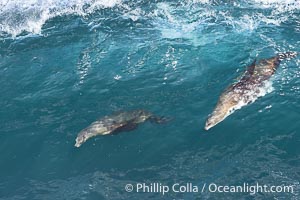
Two California sea lions bodysurfing side by side, seemingly suspended in the face of a wave, La Jolla.
Species: California Sea Lion, Zalophus californianus
Location: La Jolla, California
Image ID: 39018
Species: California Sea Lion, Zalophus californianus
Location: La Jolla, California
Image ID: 39018
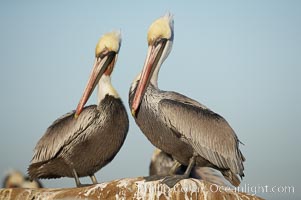
Brown pelicans preening. After wiping its long beak on the uropygial gland near the base of its tail, the pelican spreads the preen oil on feathers about its body, helping to keep them water resistant, an important protection for a bird that spends much of its life diving in the ocean for prey. Adult winter non-breeding plumage showing white hindneck.
Species: Brown Pelican, Pelecanus occidentalis, Pelecanus occidentalis californicus
Location: La Jolla, California
Image ID: 20089
Species: Brown Pelican, Pelecanus occidentalis, Pelecanus occidentalis californicus
Location: La Jolla, California
Image ID: 20089
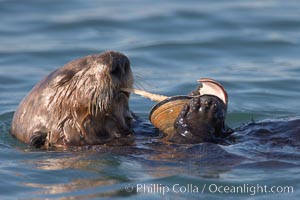
A sea otter eats a clam that it has taken from the shallow sandy bottom of Elkhorn Slough. Because sea otters have such a high metabolic rate, they eat up to 30% of their body weight each day in the form of clams, mussels, urchins, crabs and abalone. Sea otters are the only known tool-using marine mammal, using a stone or old shell to open the shells of their prey as they float on their backs.
Species: Sea otter, Enhydra lutris
Location: Elkhorn Slough National Estuarine Research Reserve, Moss Landing, California
Image ID: 21612
Species: Sea otter, Enhydra lutris
Location: Elkhorn Slough National Estuarine Research Reserve, Moss Landing, California
Image ID: 21612
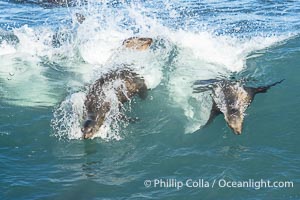
California Sea Lions Bodysurfing in Big Waves at Boomer Beach in La Jolla.
Species: California Sea Lion, Zalophus californianus
Location: La Jolla, California
Image ID: 40056
Species: California Sea Lion, Zalophus californianus
Location: La Jolla, California
Image ID: 40056
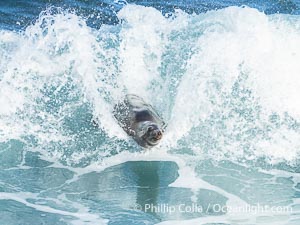
A California Sea Lion Bodysurfing on a Big Wave at Boomer Beach in La Jolla.
Species: California Sea Lion, Zalophus californianus
Location: La Jolla, California
Image ID: 40058
Species: California Sea Lion, Zalophus californianus
Location: La Jolla, California
Image ID: 40058
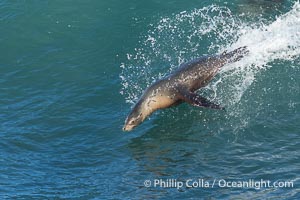
A California Sea Lion Bodysurfing on a Big Wave at Boomer Beach in La Jolla.
Species: California Sea Lion, Zalophus californianus
Location: La Jolla, California
Image ID: 40060
Species: California Sea Lion, Zalophus californianus
Location: La Jolla, California
Image ID: 40060
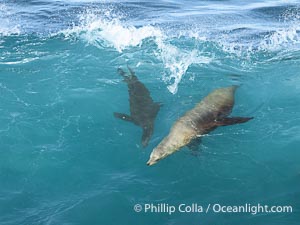
Mother sea lion teaches her young pup to bodysurf on waves.
Species: California Sea Lion, Zalophus californianus
Location: La Jolla, California
Image ID: 40174
Species: California Sea Lion, Zalophus californianus
Location: La Jolla, California
Image ID: 40174
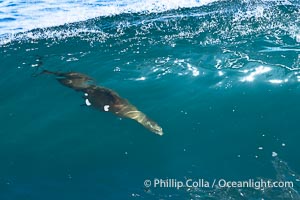
California sea lion bodysurfing at La Jolla Cove and Boomer Beach in La Jolla.
Species: California Sea Lion, Zalophus californianus
Location: La Jolla, California
Image ID: 40237
Species: California Sea Lion, Zalophus californianus
Location: La Jolla, California
Image ID: 40237
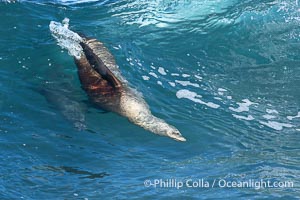
California sea lion bodysurfing at La Jolla Cove and Boomer Beach in La Jolla.
Species: California Sea Lion, Zalophus californianus
Location: La Jolla, California
Image ID: 40238
Species: California Sea Lion, Zalophus californianus
Location: La Jolla, California
Image ID: 40238
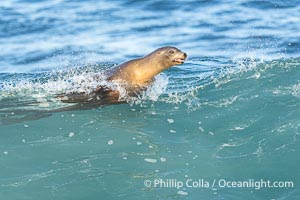
California Sea Lion Surfing Waves at La Jolla Cove and Boomer Beach, San Diego.
Species: California Sea Lion, Zalophus californianus
Location: La Jolla, California
Image ID: 40268
Species: California Sea Lion, Zalophus californianus
Location: La Jolla, California
Image ID: 40268
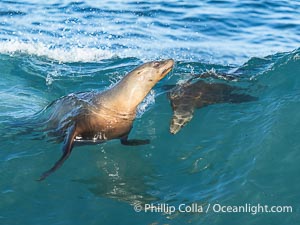
California Sea Lion Surfing Waves at La Jolla Cove and Boomer Beach, San Diego.
Species: California Sea Lion, Zalophus californianus
Location: La Jolla, California
Image ID: 40269
Species: California Sea Lion, Zalophus californianus
Location: La Jolla, California
Image ID: 40269
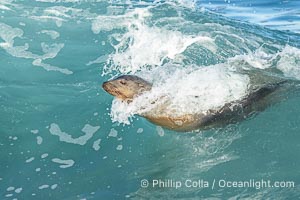
A California Sea Lion Surfing a Big Wave at La Jolla Cove, San Diego.
Species: California Sea Lion, Zalophus californianus
Location: La Jolla, California
Image ID: 40283
Species: California Sea Lion, Zalophus californianus
Location: La Jolla, California
Image ID: 40283
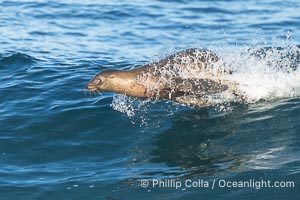
California Sea Lions Surfing Waves at La Jolla Cove, San Diego.
Species: California Sea Lion, Zalophus californianus
Location: La Jolla, California
Image ID: 40284
Species: California Sea Lion, Zalophus californianus
Location: La Jolla, California
Image ID: 40284
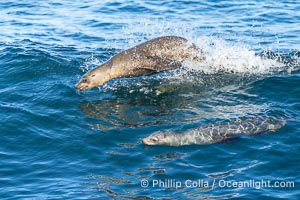
California sea lions surfing in a wave at La Jolla Cove, San Diego.
Species: California sea lion, Zalophus californianus
Location: La Jolla, California
Image ID: 40491
Species: California sea lion, Zalophus californianus
Location: La Jolla, California
Image ID: 40491
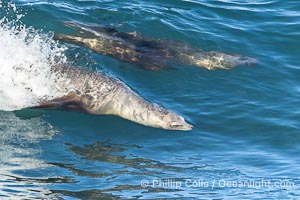
California sea lions surfing in a wave at La Jolla Cove, San Diego.
Species: California sea lion, Zalophus californianus
Location: La Jolla, California
Image ID: 40492
Species: California sea lion, Zalophus californianus
Location: La Jolla, California
Image ID: 40492
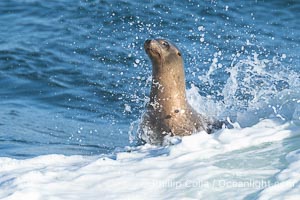
California sea lion surfing in a wave at La Jolla Cove, San Diego.
Species: California sea lion, Zalophus californianus
Location: La Jolla, California
Image ID: 40496
Species: California sea lion, Zalophus californianus
Location: La Jolla, California
Image ID: 40496
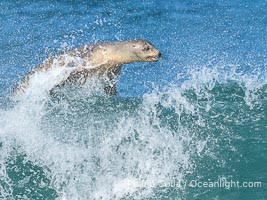
California sea lion surfing in a wave at La Jolla Cove, San Diego.
Species: California sea lion, Zalophus californianus
Location: La Jolla, California
Image ID: 40500
Species: California sea lion, Zalophus californianus
Location: La Jolla, California
Image ID: 40500
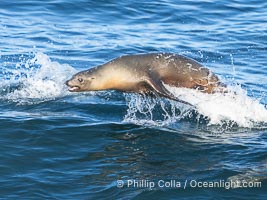
California sea lion bodysurfing in La Jolla, surfing waves close to shore at Boomer Beach.
Species: California sea lion, Zalophus californianus
Location: La Jolla, California
Image ID: 40701
Species: California sea lion, Zalophus californianus
Location: La Jolla, California
Image ID: 40701
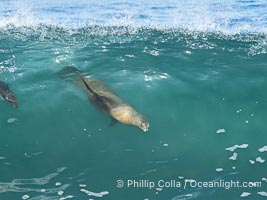
A California Sea Lion Bodysurfing on a Big Wave at Boomer Beach in La Jolla.
Species: California Sea Lion, Zalophus californianus
Location: La Jolla, California
Image ID: 40824
Species: California Sea Lion, Zalophus californianus
Location: La Jolla, California
Image ID: 40824
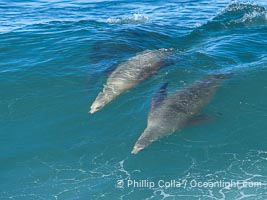
Mother sea lion teaches her young pup to bodysurf on waves.
Species: California Sea Lion, Zalophus californianus
Location: La Jolla, California
Image ID: 40825
Species: California Sea Lion, Zalophus californianus
Location: La Jolla, California
Image ID: 40825
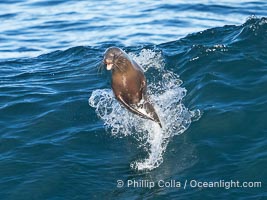
A California sea lions leap high out of the water, jumping clear of a wave while bodysurfing at Boomer Beach in La Jolla.
Species: California Sea Lion, Zalophus californianus
Location: La Jolla, California
Image ID: 40829
Species: California Sea Lion, Zalophus californianus
Location: La Jolla, California
Image ID: 40829
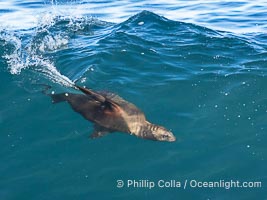
A California Sea Lion Bodysurfing on a Big Wave at Boomer Beach in La Jolla.
Species: California Sea Lion, Zalophus californianus
Location: La Jolla, California
Image ID: 40830
Species: California Sea Lion, Zalophus californianus
Location: La Jolla, California
Image ID: 40830
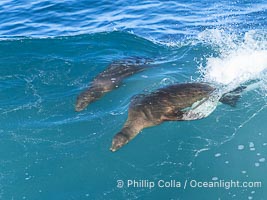
Mother sea lion teaches her young pup to bodysurf on waves.
Species: California Sea Lion, Zalophus californianus
Location: La Jolla, California
Image ID: 40831
Species: California Sea Lion, Zalophus californianus
Location: La Jolla, California
Image ID: 40831
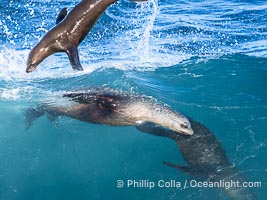
California sea lions bodysurf together, suspended in the face of a big wave, Boomer Beach, La Jolla.
Species: California Sea Lion, Zalophus californianus
Location: La Jolla, California
Image ID: 40833
Species: California Sea Lion, Zalophus californianus
Location: La Jolla, California
Image ID: 40833
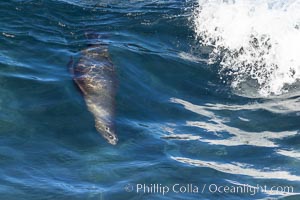
California sea lion body surfing on large waves, shorebreak, La Jolla.
Species: California Sea Lion, Zalophus californianus
Location: La Jolla, California
Image ID: 37535
Species: California Sea Lion, Zalophus californianus
Location: La Jolla, California
Image ID: 37535
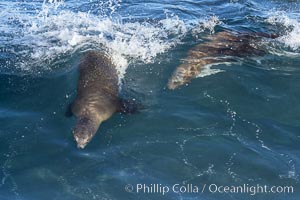
California sea lions body surfing on large waves, shorebreak, La Jolla.
Species: California Sea Lion, Zalophus californianus
Location: La Jolla, California
Image ID: 37536
Species: California Sea Lion, Zalophus californianus
Location: La Jolla, California
Image ID: 37536
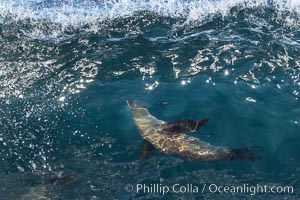
California sea lion body surfing on large waves, shorebreak, La Jolla.
Species: California Sea Lion, Zalophus californianus
Location: La Jolla, California
Image ID: 37538
Species: California Sea Lion, Zalophus californianus
Location: La Jolla, California
Image ID: 37538
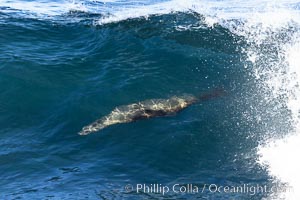
California sea lion body surfing on large waves, shorebreak, La Jolla.
Species: California Sea Lion, Zalophus californianus
Location: La Jolla, California
Image ID: 37539
Species: California Sea Lion, Zalophus californianus
Location: La Jolla, California
Image ID: 37539
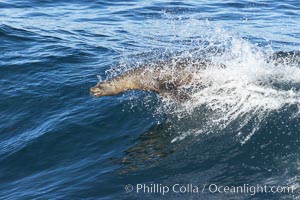
California sea lion body surfing on large waves, shorebreak, La Jolla.
Species: California Sea Lion, Zalophus californianus
Location: La Jolla, California
Image ID: 37541
Species: California Sea Lion, Zalophus californianus
Location: La Jolla, California
Image ID: 37541
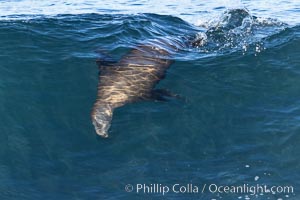
California sea lion body surfing on large waves, shorebreak, La Jolla.
Species: California Sea Lion, Zalophus californianus
Location: La Jolla, California
Image ID: 37543
Species: California Sea Lion, Zalophus californianus
Location: La Jolla, California
Image ID: 37543