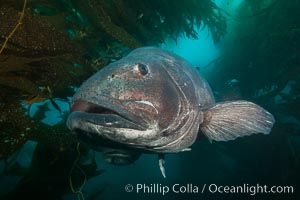
A giant black sea bass is an endangered species that can reach up to 8 feet in length and 500 pounds, often found amid the giant kelp forest, Once nearly fished to extinction and now thought to be at risk of a genetic bottleneck, the giant sea bass is slowly recovering and can be seen in summer months in California's kelp forests.
Species: Giant black sea bass, Stereolepis gigas
Location: Catalina Island, California
Image ID: 33363
Species: Giant black sea bass, Stereolepis gigas
Location: Catalina Island, California
Image ID: 33363
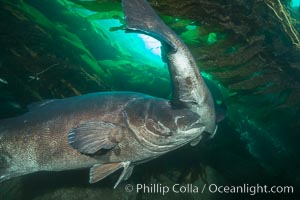
A male giant sea bass nudges a female giant sea bass to encourage spawning as they swim in a tight circle. This courting pair of giant sea bass is deep in the kelp forest at Catalina Island. In summer months, giant sea bass gather in kelp forests in California to form courtship and mating aggregations, eventually leading to spawning.
Species: Giant black sea bass, Stereolepis gigas
Location: Catalina Island, California
Image ID: 33364
Species: Giant black sea bass, Stereolepis gigas
Location: Catalina Island, California
Image ID: 33364
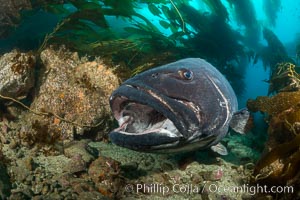
Giant black sea bass, endangered species, reaching up to 8' in length and 500 lbs, amid giant kelp forest.
Species: Giant black sea bass, Stereolepis gigas
Location: Catalina Island, California
Image ID: 33378
Species: Giant black sea bass, Stereolepis gigas
Location: Catalina Island, California
Image ID: 33378
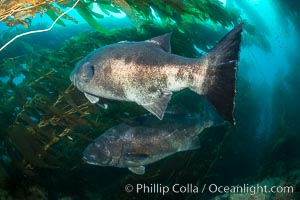
Giant black sea bass, gathering in a mating - courtship aggregation amid kelp forest, Catalina Island.
Species: Giant black sea bass, Stereolepis gigas
Location: Catalina Island, California
Image ID: 33379
Species: Giant black sea bass, Stereolepis gigas
Location: Catalina Island, California
Image ID: 33379
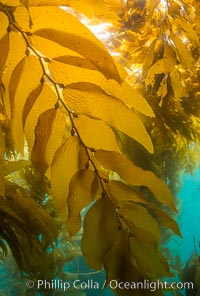
Giant kelp frond showing pneumatocysts. Small gas bladders -- pneumatocysts -- connect the kelp's stipes ("stems") to its blades ("leaves"). These bladders help elevate the kelp plant from the bottom, towards sunlight and the water's surface.
Species: Giant kelp, Macrocystis pyrifera
Location: Catalina Island, California
Image ID: 33439
Species: Giant kelp, Macrocystis pyrifera
Location: Catalina Island, California
Image ID: 33439
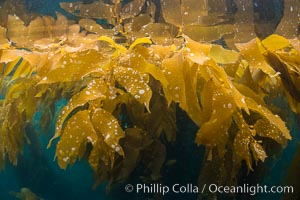
Giant kelp frond showing pneumatocysts. Small gas bladders -- pneumatocysts -- connect the kelp's stipes ("stems") to its blades ("leaves"). These bladders help elevate the kelp plant from the bottom, towards sunlight and the water's surface.
Species: Giant kelp, Macrocystis pyrifera
Location: Catalina Island, California
Image ID: 33440
Species: Giant kelp, Macrocystis pyrifera
Location: Catalina Island, California
Image ID: 33440
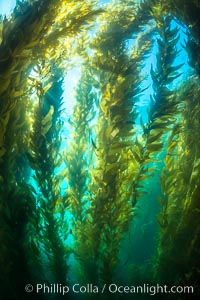
Sunlight streams through giant kelp forest. Giant kelp, the fastest growing plant on Earth, reaches from the rocky reef to the ocean's surface like a submarine forest.
Species: Giant kelp, Macrocystis pyrifera
Location: Catalina Island, California
Image ID: 33441
Species: Giant kelp, Macrocystis pyrifera
Location: Catalina Island, California
Image ID: 33441
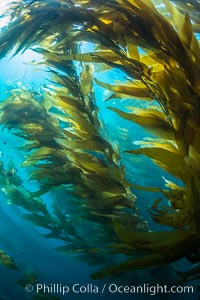
Sunlight streams through giant kelp forest. Giant kelp, the fastest growing plant on Earth, reaches from the rocky reef to the ocean's surface like a submarine forest.
Species: Giant kelp, Macrocystis pyrifera
Location: Catalina Island, California
Image ID: 33442
Species: Giant kelp, Macrocystis pyrifera
Location: Catalina Island, California
Image ID: 33442
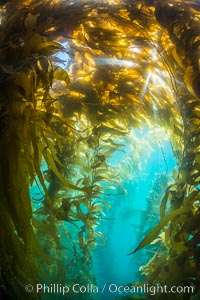
Sunlight streams through giant kelp forest. Giant kelp, the fastest growing plant on Earth, reaches from the rocky reef to the ocean's surface like a submarine forest.
Species: Giant kelp, Macrocystis pyrifera
Location: Catalina Island, California
Image ID: 33443
Species: Giant kelp, Macrocystis pyrifera
Location: Catalina Island, California
Image ID: 33443
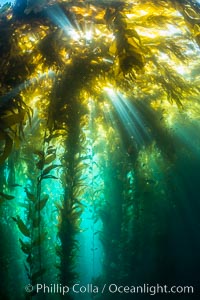
Sunlight streams through giant kelp forest. Giant kelp, the fastest growing plant on Earth, reaches from the rocky reef to the ocean's surface like a submarine forest.
Species: Giant kelp, Macrocystis pyrifera
Location: Catalina Island, California
Image ID: 33444
Species: Giant kelp, Macrocystis pyrifera
Location: Catalina Island, California
Image ID: 33444
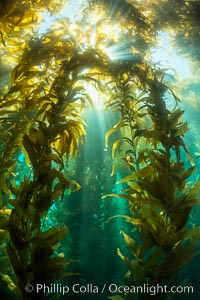
Sunlight streams through giant kelp forest. Giant kelp, the fastest growing plant on Earth, reaches from the rocky reef to the ocean's surface like a submarine forest.
Species: Giant kelp, Macrocystis pyrifera
Location: Catalina Island, California
Image ID: 33445
Species: Giant kelp, Macrocystis pyrifera
Location: Catalina Island, California
Image ID: 33445
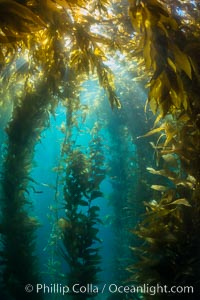
Sunlight streams through giant kelp forest. Giant kelp, the fastest growing plant on Earth, reaches from the rocky reef to the ocean's surface like a submarine forest.
Species: Giant kelp, Macrocystis pyrifera
Location: Catalina Island, California
Image ID: 33446
Species: Giant kelp, Macrocystis pyrifera
Location: Catalina Island, California
Image ID: 33446
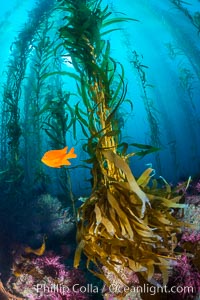
Kelp holdfast attaches the plant to the rocky reef on the oceans bottom. Kelp blades are visible above the holdfast, swaying in the current.
Species: Giant Kelp, Macrocystis pyrifera
Location: Catalina Island, California
Image ID: 34212
Species: Giant Kelp, Macrocystis pyrifera
Location: Catalina Island, California
Image ID: 34212
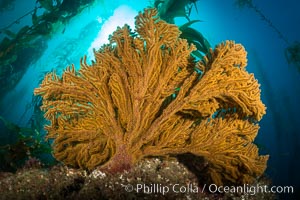
Golden gorgonian on underwater rocky reef, amid kelp forest, Catalina Island. The golden gorgonian is a filter-feeding temperate colonial species that lives on the rocky bottom at depths between 50 to 200 feet deep. Each individual polyp is a distinct animal, together they secrete calcium that forms the structure of the colony. Gorgonians are oriented at right angles to prevailing water currents to capture plankton drifting by.
Species: California golden gorgonian, Muricea californica
Location: Catalina Island, California
Image ID: 34219
Species: California golden gorgonian, Muricea californica
Location: Catalina Island, California
Image ID: 34219
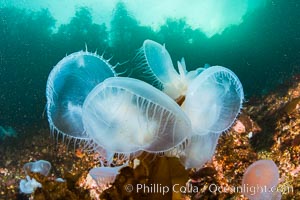
Hooded Nudibranch Melibe leonina on kelp and rocky reef, Browning Pass, Vancouver Island, Canada.
Species: Hooded nudibranch, Melibe leonina
Location: British Columbia, Canada
Image ID: 34353
Species: Hooded nudibranch, Melibe leonina
Location: British Columbia, Canada
Image ID: 34353
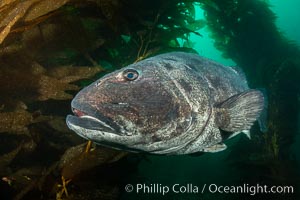
A giant black sea bass is an endangered species that can reach up to 8 feet in length and 500 pounds, often found amid the giant kelp forest, Once nearly fished to extinction and now thought to be at risk of a genetic bottleneck, the giant sea bass is slowly recovering and can be seen in summer months in California's kelp forests.
Species: Giant black sea bass, Stereolepis gigas
Location: Catalina Island, California
Image ID: 34616
Species: Giant black sea bass, Stereolepis gigas
Location: Catalina Island, California
Image ID: 34616
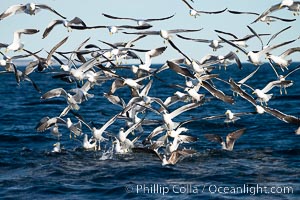
Kelp gull, Larus dominicanus, Dominican gull, large flock in flight over the ocean, Patagonia.
Location: Puerto Piramides, Chubut, Argentina
Image ID: 38285
Location: Puerto Piramides, Chubut, Argentina
Image ID: 38285
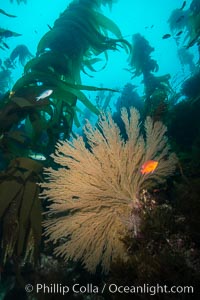
Garibaldi and California golden gorgonian on underwater rocky reef, San Clemente Island. The golden gorgonian is a filter-feeding temperate colonial species that lives on the rocky bottom at depths between 50 to 200 feet deep. Each individual polyp is a distinct animal, together they secrete calcium that forms the structure of the colony. Gorgonians are oriented at right angles to prevailing water currents to capture plankton drifting by.
Species: California golden gorgonian, Garibaldi, Hypsypops rubicundus, Muricea californica
Location: San Clemente Island, California
Image ID: 30864
Species: California golden gorgonian, Garibaldi, Hypsypops rubicundus, Muricea californica
Location: San Clemente Island, California
Image ID: 30864
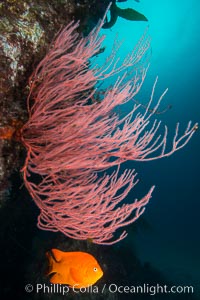
Garibaldi and red gorgonian on rocky reef, below kelp forest, underwater. The red gorgonian is a filter-feeding temperate colonial species that lives on the rocky bottom at depths between 50 to 200 feet deep. Gorgonians are oriented at right angles to prevailing water currents to capture plankton drifting by.
Species: Garibaldi, Red gorgonian, Hypsypops rubicundus, Leptogorgia chilensischilensis, Lophogorgia chilensis
Location: San Clemente Island, California
Image ID: 30870
Species: Garibaldi, Red gorgonian, Hypsypops rubicundus, Leptogorgia chilensischilensis, Lophogorgia chilensis
Location: San Clemente Island, California
Image ID: 30870
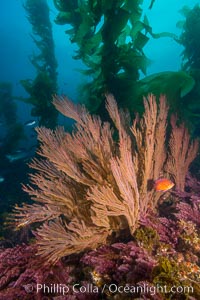
California golden gorgonian on underwater rocky reef below kelp forest, San Clemente Island. The golden gorgonian is a filter-feeding temperate colonial species that lives on the rocky bottom at depths between 50 to 200 feet deep. Each individual polyp is a distinct animal, together they secrete calcium that forms the structure of the colony. Gorgonians are oriented at right angles to prevailing water currents to capture plankton drifting by, San Clemente Island.
Species: California golden gorgonian, Muricea californica
Location: San Clemente Island, California
Image ID: 30909
Species: California golden gorgonian, Muricea californica
Location: San Clemente Island, California
Image ID: 30909
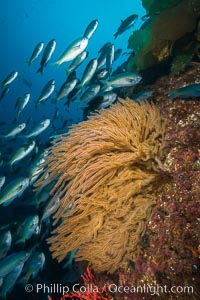
Blacksmith Chromis and California golden gorgonian on underwater rocky reef, San Clemente Island. The golden gorgonian is a filter-feeding temperate colonial species that lives on the rocky bottom at depths between 50 to 200 feet deep. Each individual polyp is a distinct animal, together they secrete calcium that forms the structure of the colony. Gorgonians are oriented at right angles to prevailing water currents to capture plankton drifting by.
Species: Blacksmith, California golden gorgonian, Chromis punctipinnis, Muricea californica
Location: San Clemente Island, California
Image ID: 30956
Species: Blacksmith, California golden gorgonian, Chromis punctipinnis, Muricea californica
Location: San Clemente Island, California
Image ID: 30956
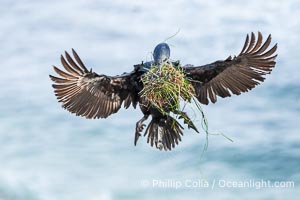
Brandt's Cormorant in flight carrying surfgrass for nest building, ocean background.
Species: Brandt's Cormorant, Phalacrocorax penicillatus
Location: La Jolla, California
Image ID: 40872
Species: Brandt's Cormorant, Phalacrocorax penicillatus
Location: La Jolla, California
Image ID: 40872
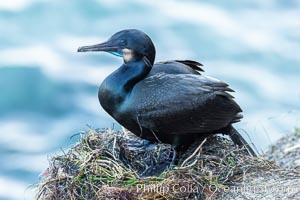
Brandt's Cormorant on the nest, nesting material composed of kelp and sea weed, La Jolla.
Species: Brandt's cormorant, Phalacrocorax penicillatus
Image ID: 36793
Species: Brandt's cormorant, Phalacrocorax penicillatus
Image ID: 36793
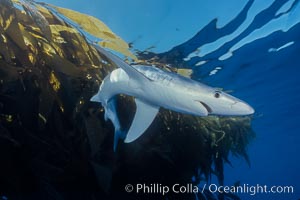
Blue shark and offshore drift kelp paddy, open ocean.
Species: Blue shark, Prionace glauca
Location: Baja California, Mexico
Image ID: 04879
Species: Blue shark, Prionace glauca
Location: Baja California, Mexico
Image ID: 04879
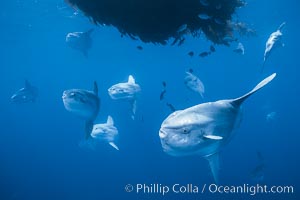
Ocean sunfish schooling near drift kelp, soliciting cleaner fishes, open ocean, Baja California.
Species: Ocean sunfish, Mola mola
Image ID: 06311
Species: Ocean sunfish, Mola mola
Image ID: 06311
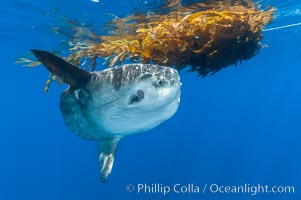
Ocean sunfish hovers near drift kelp to recruite juvenile fish to remove parasites, open ocean.
Species: Ocean sunfish, Mola mola
Location: San Diego, California
Image ID: 10001
Species: Ocean sunfish, Mola mola
Location: San Diego, California
Image ID: 10001
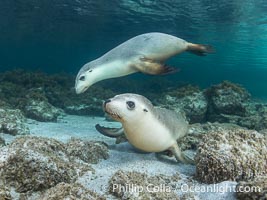
Australian Sea Lions in Kelp, Grindal Island. Australian sea lions are the only endemic pinniped in Australia, and are found along the coastlines and islands of south and west Australia.
Species: Australian Sea Lion, Neophoca cinearea
Location: Grindal Island, South Australia
Image ID: 39162
Species: Australian Sea Lion, Neophoca cinearea
Location: Grindal Island, South Australia
Image ID: 39162
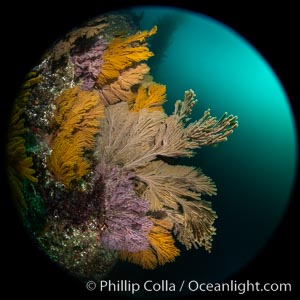
Brown gorgonian and California golden gorgonian on underwater rocky reef below kelp forest, Catalina Island. Gorgonians are filter-feeding temperate colonial species that lives on the rocky bottom at depths between 50 to 200 feet deep. Each individual polyp is a distinct animal, together they secrete calcium that forms the structure of the colony. Gorgonians are oriented at right angles to prevailing water currents to capture plankton drifting by.
Species: Brown gorgonian, California golden gorgonian, Muricea californica, Muricea fruticosa
Location: Catalina Island, California
Image ID: 37292
Species: Brown gorgonian, California golden gorgonian, Muricea californica, Muricea fruticosa
Location: Catalina Island, California
Image ID: 37292
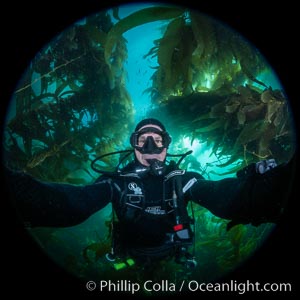
Selfie, giant kelp forest, Catalina Island.
Species: Giant kelp, Macrocystis pyrifera
Location: Catalina Island, California
Image ID: 37296
Species: Giant kelp, Macrocystis pyrifera
Location: Catalina Island, California
Image ID: 37296
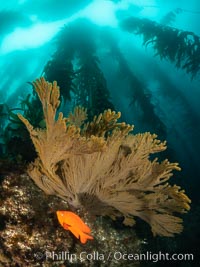
Garibaldi and golden gorgonian, with a underwater forest of giant kelp rising in the background, underwater.
Species: California golden gorgonian, Garibaldi, Hypsypops rubicundus, Muricea californica
Location: San Clemente Island, California
Image ID: 37097
Species: California golden gorgonian, Garibaldi, Hypsypops rubicundus, Muricea californica
Location: San Clemente Island, California
Image ID: 37097