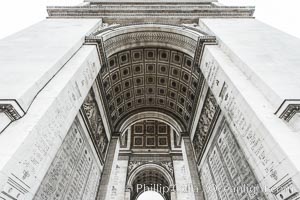
Arc de Triomphe. The Arc de Triomphe (Arc de Triomphe de l'Etoile) is one of the most famous monuments in Paris. It stands in the centre of the Place Charles de Gaulle (originally named Place de l'Etoile), at the western end of the Champs-Elysees. The Arc de Triomphe (in English: "Triumphal Arch") honors those who fought and died for France in the French Revolutionary and the Napoleonic Wars, with the names of all French victories and generals inscribed on its inner and outer surfaces. Beneath its vault lies the Tomb of the Unknown Soldier from World War I. The monument was designed by Jean Chalgrin in 1806, and its iconographic program pitted heroically nude French youths against bearded Germanic warriors in chain mail. It set the tone for public monuments, with triumphant patriotic messages. The monument stands 50 metres (164 ft) in height, 45 m (148 ft) wide and 22 m (72 ft) deep.
Location: Arc de Triomphe, Paris, France
Image ID: 28086
Location: Arc de Triomphe, Paris, France
Image ID: 28086
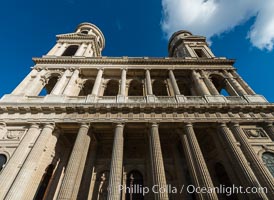
Eglise Saint-Sulpice. Saint-Sulpice is a Roman Catholic church in Paris, France, on the east side of the Place Saint-Sulpice, in the Luxembourg Quarter of the VIe arrondissement. At 113 metres long, 58 metres in width and 34 metres tall, it is only slightly smaller than Notre-Dame and thus the second largest church in the city.
Location: Eglise Saint-Sulpice, Paris, France
Image ID: 28263
Location: Eglise Saint-Sulpice, Paris, France
Image ID: 28263
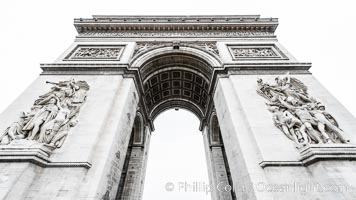
Arc de Triomphe. The Arc de Triomphe (Arc de Triomphe de l'Etoile) is one of the most famous monuments in Paris. It stands in the centre of the Place Charles de Gaulle (originally named Place de l'Etoile), at the western end of the Champs-Elysees. The Arc de Triomphe (in English: "Triumphal Arch") honors those who fought and died for France in the French Revolutionary and the Napoleonic Wars, with the names of all French victories and generals inscribed on its inner and outer surfaces. Beneath its vault lies the Tomb of the Unknown Soldier from World War I. The monument was designed by Jean Chalgrin in 1806, and its iconographic program pitted heroically nude French youths against bearded Germanic warriors in chain mail. It set the tone for public monuments, with triumphant patriotic messages. The monument stands 50 metres (164 ft) in height, 45 m (148 ft) wide and 22 m (72 ft) deep.
Location: Arc de Triomphe, Paris, France
Image ID: 28265
Location: Arc de Triomphe, Paris, France
Image ID: 28265
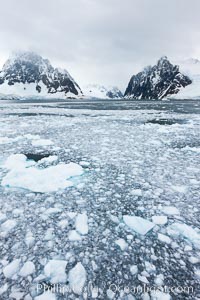
Lemaire Channel: mountains, sea, ice and clouds,Antarctica. The Lemaire Channel, one of the most scenic places on the Antarctic Peninsula, is a straight 11 km long and only 1.6 km wide at its narrowest point.
Location: Lemaire Channel, Antarctic Peninsula, Antarctica
Image ID: 25639
Location: Lemaire Channel, Antarctic Peninsula, Antarctica
Image ID: 25639
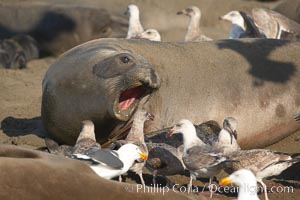
Having just given birth moments before, a mother elephant seal barks at seagulls that are feasting on the placenta and birth tissues. The pup is unharmed; the interaction is a common one between elephant seals and gulls. Winter, Central California.
Species: Elephant seal, Mirounga angustirostris
Location: Piedras Blancas, San Simeon, California
Image ID: 15481
Species: Elephant seal, Mirounga angustirostris
Location: Piedras Blancas, San Simeon, California
Image ID: 15481
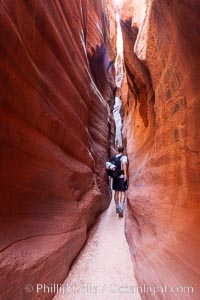
A hiker walking through the Wire Pass narrows. This exceedingly narrow slot canyon, in some places only two feet wide, is formed by water erosion which cuts slots deep into the surrounding sandstone plateau.
Location: Wire Pass, Paria Canyon-Vermilion Cliffs Wilderness, Arizona
Image ID: 20715
Location: Wire Pass, Paria Canyon-Vermilion Cliffs Wilderness, Arizona
Image ID: 20715
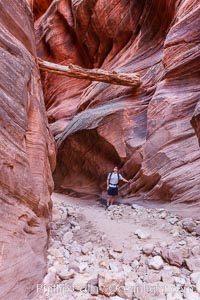
Suspended log in Buckskin Gulch. A hiker considers a heavy log stuck between the narrow walls of Buckskin Gulch, placed there by a flash flood some time in the past. Buckskin Gulch is the world's longest accessible slot canyon, forged by centuries of erosion through sandstone. Flash flooding is a serious danger in the narrows where there is no escape.
Location: Buckskin Gulch, Paria Canyon-Vermilion Cliffs Wilderness, Arizona
Image ID: 20717
Location: Buckskin Gulch, Paria Canyon-Vermilion Cliffs Wilderness, Arizona
Image ID: 20717
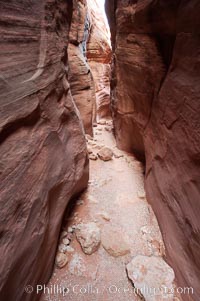
The Wire Pass narrows. This exceedingly narrow slot canyon, in some places only two feet wide, is formed by water erosion which cuts slots deep into the surrounding sandstone plateau.
Location: Wire Pass, Paria Canyon-Vermilion Cliffs Wilderness, Arizona
Image ID: 20720
Location: Wire Pass, Paria Canyon-Vermilion Cliffs Wilderness, Arizona
Image ID: 20720
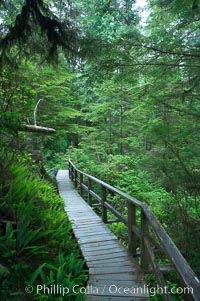
Rainforest Trail in Pacific Rim NP, one of the best places along the Pacific Coast to experience an old-growth rain forest, complete with western hemlock, red cedar and amabilis fir trees. Moss gardens hang from tree crevices, forming a base for many ferns and conifer seedlings.
Location: Rainforest Trail, Pacific Rim National Park, British Columbia, Canada
Image ID: 21051
Location: Rainforest Trail, Pacific Rim National Park, British Columbia, Canada
Image ID: 21051
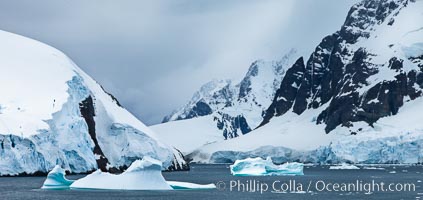
Lemaire Channel: mountains, sea, ice and clouds,Antarctica. The Lemaire Channel, one of the most scenic places on the Antarctic Peninsula, is a straight 11 km long and only 1.6 km wide at its narrowest point.
Location: Lemaire Channel, Antarctic Peninsula, Antarctica
Image ID: 25614
Location: Lemaire Channel, Antarctic Peninsula, Antarctica
Image ID: 25614
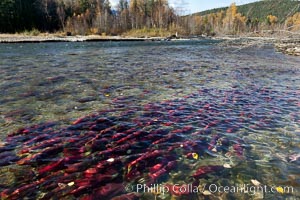
Sockeye salmon, swim upstream in the Adams River, traveling to reach the place where they hatched four years earlier in order to spawn a new generation of salmon eggs.
Species: Sockeye salmon, Oncorhynchus nerka
Location: Adams River, Roderick Haig-Brown Provincial Park, British Columbia, Canada
Image ID: 26181
Species: Sockeye salmon, Oncorhynchus nerka
Location: Adams River, Roderick Haig-Brown Provincial Park, British Columbia, Canada
Image ID: 26181
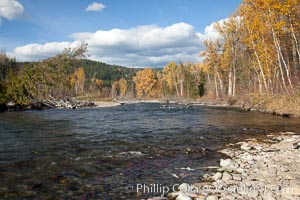
Sockeye salmon, swim upstream in the Adams River, traveling to reach the place where they hatched four years earlier in order to spawn a new generation of salmon eggs.
Species: Sockeye salmon, Oncorhynchus nerka
Location: Adams River, Roderick Haig-Brown Provincial Park, British Columbia, Canada
Image ID: 26189
Species: Sockeye salmon, Oncorhynchus nerka
Location: Adams River, Roderick Haig-Brown Provincial Park, British Columbia, Canada
Image ID: 26189
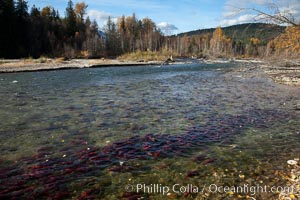
Sockeye salmon, swim upstream in the Adams River, traveling to reach the place where they hatched four years earlier in order to spawn a new generation of salmon eggs.
Species: Sockeye salmon, Oncorhynchus nerka
Location: Adams River, Roderick Haig-Brown Provincial Park, British Columbia, Canada
Image ID: 26190
Species: Sockeye salmon, Oncorhynchus nerka
Location: Adams River, Roderick Haig-Brown Provincial Park, British Columbia, Canada
Image ID: 26190
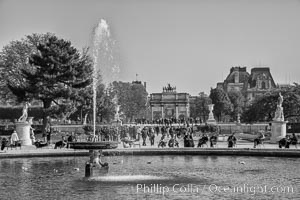
Jardin des Tuileries. The Tuileries Garden is a public garden located between the Louvre Museum and the Place de la Concorde in the 1st arrondissement of Paris. created by Catherine de Medicis as the garden of the Tuileries Palace in 1564.
Location: Jardin des Tuileries, Paris, France
Image ID: 28229
Location: Jardin des Tuileries, Paris, France
Image ID: 28229
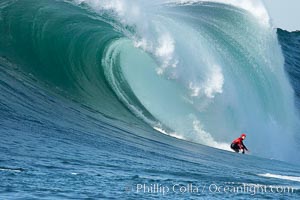
Tyler Smith, final round, Mavericks surf contest (second place), February 7, 2006.
Location: Mavericks, Half Moon Bay, California
Image ID: 15301
Location: Mavericks, Half Moon Bay, California
Image ID: 15301
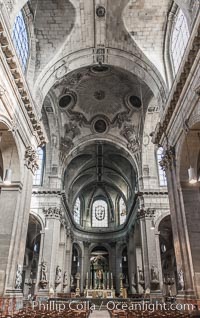
Eglise Saint-Sulpice. Saint-Sulpice is a Roman Catholic church in Paris, France, on the east side of the Place Saint-Sulpice, in the Luxembourg Quarter of the VIe arrondissement. At 113 metres long, 58 metres in width and 34 metres tall, it is only slightly smaller than Notre-Dame and thus the second largest church in the city.
Location: Eglise Saint-Sulpice, Paris, France
Image ID: 28264
Location: Eglise Saint-Sulpice, Paris, France
Image ID: 28264
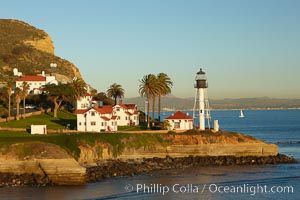
New Point Loma Lighthouse, situated on the tip of Point Loma Peninsula, marks the entrance to San Diego Bay. The lighthouse rises 70' and was built in 1891 to replace the "old" Point Loma Lighthouse which was often shrouded in fog.
Location: San Diego, California
Image ID: 22347
Location: San Diego, California
Image ID: 22347
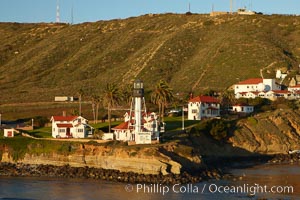
New Point Loma Lighthouse, situated on the tip of Point Loma Peninsula, marks the entrance to San Diego Bay. The lighthouse rises 70' and was built in 1891 to replace the "old" Point Loma Lighthouse which was often shrouded in fog.
Location: San Diego, California
Image ID: 22372
Location: San Diego, California
Image ID: 22372
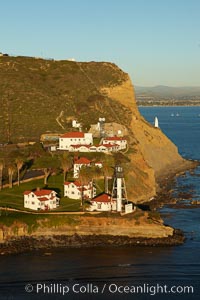
New Point Loma Lighthouse, situated on the tip of Point Loma Peninsula, marks the entrance to San Diego Bay. The lighthouse rises 70' and was built in 1891 to replace the "old" Point Loma Lighthouse which was often shrouded in fog.
Location: San Diego, California
Image ID: 22398
Location: San Diego, California
Image ID: 22398
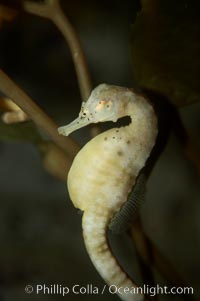
Pot-bellied seahorse, male, carrying eggs. The developing embryos are nourished by individual yolk sacs, and oxygen is supplied through a placenta-like attachment to the male. Two to six weeks after fertilization, the male gives birth. The babies must then fend for themselves, and few survive to adulthood.
Species: Pot-bellied seahorse, Hippocampus abdominalis
Image ID: 11027
Species: Pot-bellied seahorse, Hippocampus abdominalis
Image ID: 11027
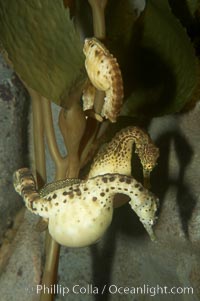
Pot-bellied seahorse, male, carrying eggs. The developing embryos are nourished by individual yolk sacs, and oxygen is supplied through a placenta-like attachment to the male. Two to six weeks after fertilization, the male gives birth. The babies must then fend for themselves, and few survive to adulthood.
Species: Pot-bellied seahorse, Hippocampus abdominalis
Image ID: 11031
Species: Pot-bellied seahorse, Hippocampus abdominalis
Image ID: 11031
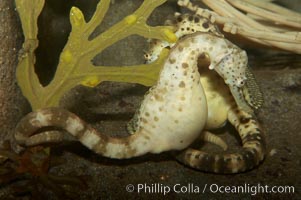
Pot-bellied seahorse, male, carrying eggs. The developing embryos are nourished by individual yolk sacs, and oxygen is supplied through a placenta-like attachment to the male. Two to six weeks after fertilization, the male gives birth. The babies must then fend for themselves, and few survive to adulthood.
Species: Pot-bellied seahorse, Hippocampus abdominalis
Image ID: 11032
Species: Pot-bellied seahorse, Hippocampus abdominalis
Image ID: 11032
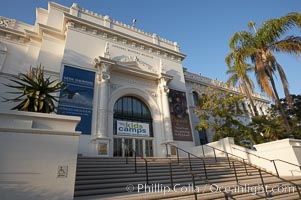
The San Diego Museum of Natural History, Balboa Park, San Diego. Located next to the main fountain in Balboa Park, the San Diego Natural History Museum is the place to find dinosaur bones and get a close up look at insects, birds and organic matter that make our outside world so interesting. Renovated in 2001, a new wing has doubled the museums original 65,000 square feet of floor space to about 150,000 square feet.
Location: Balboa Park, San Diego, California
Image ID: 11270
Location: Balboa Park, San Diego, California
Image ID: 11270
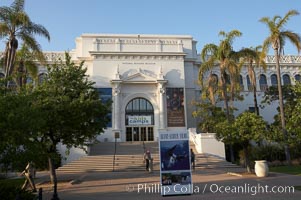
The San Diego Museum of Natural History, Balboa Park, San Diego. Located next to the main fountain in Balboa Park, the San Diego Natural History Museum is the place to find dinosaur bones and get a close up look at insects, birds and organic matter that make our outside world so interesting. Renovated in 2001, a new wing has doubled the museums original 65,000 square feet of floor space to about 150,000 square feet.
Location: Balboa Park, San Diego, California
Image ID: 11271
Location: Balboa Park, San Diego, California
Image ID: 11271
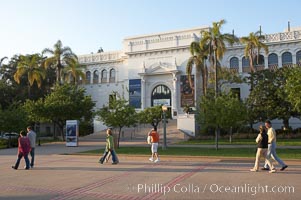
The San Diego Museum of Natural History, Balboa Park, San Diego. Located next to the main fountain in Balboa Park, the San Diego Natural History Museum is the place to find dinosaur bones and get a close up look at insects, birds and organic matter that make our outside world so interesting. Renovated in 2001, a new wing has doubled the museums original 65,000 square feet of floor space to about 150,000 square feet.
Location: Balboa Park, San Diego, California
Image ID: 11272
Location: Balboa Park, San Diego, California
Image ID: 11272
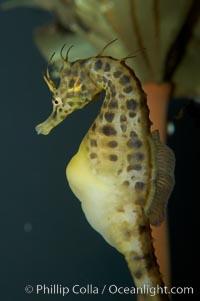
Pot-bellied seahorse, male, carrying eggs. The developing embryos are nourished by individual yolk sacs, and oxygen is supplied through a placenta-like attachment to the male. Two to six weeks after fertilization, the male gives birth. The babies must then fend for themselves, and few survive to adulthood.
Species: Pot-bellied seahorse, Hippocampus abdominalis
Image ID: 11897
Species: Pot-bellied seahorse, Hippocampus abdominalis
Image ID: 11897
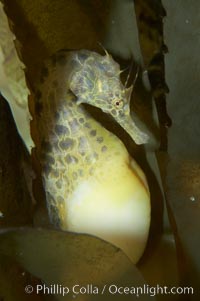
Pot-bellied seahorse, male, carrying eggs. The developing embryos are nourished by individual yolk sacs, and oxygen is supplied through a placenta-like attachment to the male. Two to six weeks after fertilization, the male gives birth. The babies must then fend for themselves, and few survive to adulthood.
Species: Pot-bellied seahorse, Hippocampus abdominalis
Image ID: 11898
Species: Pot-bellied seahorse, Hippocampus abdominalis
Image ID: 11898
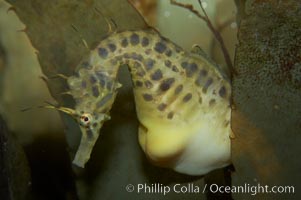
Pot-bellied seahorse, male, carrying eggs. The developing embryos are nourished by individual yolk sacs, and oxygen is supplied through a placenta-like attachment to the male. Two to six weeks after fertilization, the male gives birth. The babies must then fend for themselves, and few survive to adulthood.
Species: Pot-bellied seahorse, Hippocampus abdominalis
Image ID: 11900
Species: Pot-bellied seahorse, Hippocampus abdominalis
Image ID: 11900
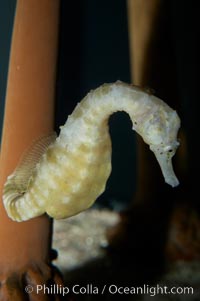
Pot-bellied seahorse, male, carrying eggs. The developing embryos are nourished by individual yolk sacs, and oxygen is supplied through a placenta-like attachment to the male. Two to six weeks after fertilization, the male gives birth. The babies must then fend for themselves, and few survive to adulthood.
Species: Pot-bellied seahorse, Hippocampus abdominalis
Image ID: 11901
Species: Pot-bellied seahorse, Hippocampus abdominalis
Image ID: 11901
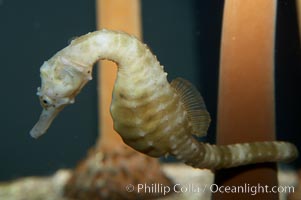
Pot-bellied seahorse, male, carrying eggs. The developing embryos are nourished by individual yolk sacs, and oxygen is supplied through a placenta-like attachment to the male. Two to six weeks after fertilization, the male gives birth. The babies must then fend for themselves, and few survive to adulthood.
Species: Pot-bellied seahorse, Hippocampus abdominalis
Image ID: 11902
Species: Pot-bellied seahorse, Hippocampus abdominalis
Image ID: 11902