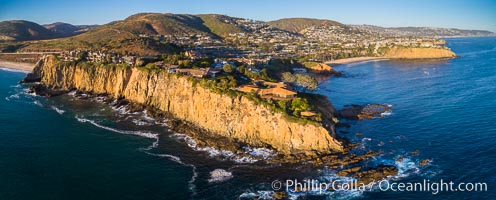
Abalone Point and Cameo Cove, Laguna Beach, Aerial Photo.
Location: Laguna Beach, California
Image ID: 38146
Location: Laguna Beach, California
Image ID: 38146
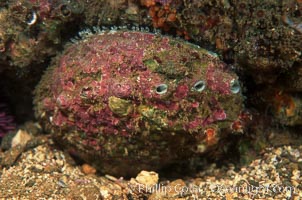
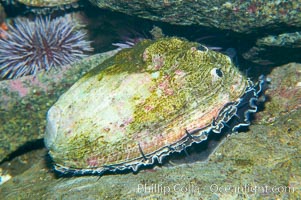
Pink abalone.
Species: Green abalone, Haliotis corrugata
Location: San Clemente Island, California
Image ID: 01058
Species: Green abalone, Haliotis corrugata
Location: San Clemente Island, California
Image ID: 01058
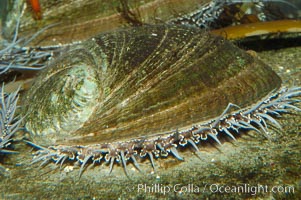
Green abalone with mantle fringe visible extending outside shell.
Species: Green abalone, Haliotis fulgens
Image ID: 09242
Species: Green abalone, Haliotis fulgens
Image ID: 09242
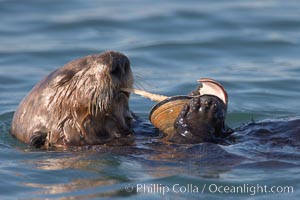
A sea otter eats a clam that it has taken from the shallow sandy bottom of Elkhorn Slough. Because sea otters have such a high metabolic rate, they eat up to 30% of their body weight each day in the form of clams, mussels, urchins, crabs and abalone. Sea otters are the only known tool-using marine mammal, using a stone or old shell to open the shells of their prey as they float on their backs.
Species: Sea otter, Enhydra lutris
Location: Elkhorn Slough National Estuarine Research Reserve, Moss Landing, California
Image ID: 21612
Species: Sea otter, Enhydra lutris
Location: Elkhorn Slough National Estuarine Research Reserve, Moss Landing, California
Image ID: 21612
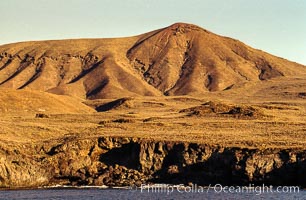
Island geology, near Abalone Point, Guadalupe Island, Mexico.
Location: Guadalupe Island (Isla Guadalupe), Baja California, Mexico
Image ID: 36233
Location: Guadalupe Island (Isla Guadalupe), Baja California, Mexico
Image ID: 36233
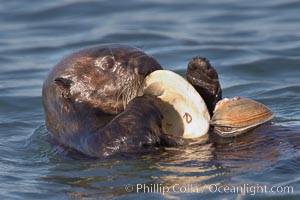
A sea otter eats a clam that it has taken from the shallow sandy bottom of Elkhorn Slough. Because sea otters have such a high metabolic rate, they eat up to 30% of their body weight each day in the form of clams, mussels, urchins, crabs and abalone. Sea otters are the only known tool-using marine mammal, using a stone or old shell to open the shells of their prey as they float on their backs.
Species: Sea otter, Enhydra lutris
Location: Elkhorn Slough National Estuarine Research Reserve, Moss Landing, California
Image ID: 21609
Species: Sea otter, Enhydra lutris
Location: Elkhorn Slough National Estuarine Research Reserve, Moss Landing, California
Image ID: 21609
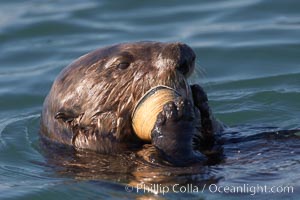
A sea otter eats a clam that it has taken from the shallow sandy bottom of Elkhorn Slough. Because sea otters have such a high metabolic rate, they eat up to 30% of their body weight each day in the form of clams, mussels, urchins, crabs and abalone. Sea otters are the only known tool-using marine mammal, using a stone or old shell to open the shells of their prey as they float on their backs.
Species: Sea otter, Enhydra lutris
Location: Elkhorn Slough National Estuarine Research Reserve, Moss Landing, California
Image ID: 21622
Species: Sea otter, Enhydra lutris
Location: Elkhorn Slough National Estuarine Research Reserve, Moss Landing, California
Image ID: 21622
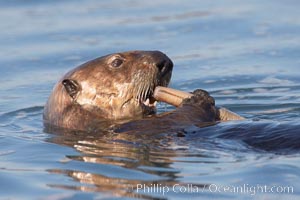
A sea otter eats a clam that it has taken from the shallow sandy bottom of Elkhorn Slough. Because sea otters have such a high metabolic rate, they eat up to 30% of their body weight each day in the form of clams, mussels, urchins, crabs and abalone. Sea otters are the only known tool-using marine mammal, using a stone or old shell to open the shells of their prey as they float on their backs.
Species: Sea otter, Enhydra lutris
Location: Elkhorn Slough National Estuarine Research Reserve, Moss Landing, California
Image ID: 21640
Species: Sea otter, Enhydra lutris
Location: Elkhorn Slough National Estuarine Research Reserve, Moss Landing, California
Image ID: 21640
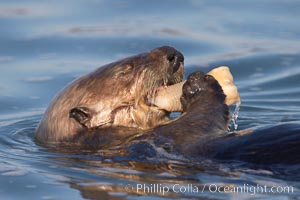
A sea otter eats a clam that it has taken from the shallow sandy bottom of Elkhorn Slough. Because sea otters have such a high metabolic rate, they eat up to 30% of their body weight each day in the form of clams, mussels, urchins, crabs and abalone. Sea otters are the only known tool-using marine mammal, using a stone or old shell to open the shells of their prey as they float on their backs.
Species: Sea otter, Enhydra lutris
Location: Elkhorn Slough National Estuarine Research Reserve, Moss Landing, California
Image ID: 21652
Species: Sea otter, Enhydra lutris
Location: Elkhorn Slough National Estuarine Research Reserve, Moss Landing, California
Image ID: 21652
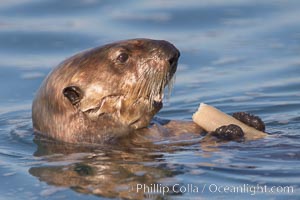
A sea otter eats a clam that it has taken from the shallow sandy bottom of Elkhorn Slough. Because sea otters have such a high metabolic rate, they eat up to 30% of their body weight each day in the form of clams, mussels, urchins, crabs and abalone. Sea otters are the only known tool-using marine mammal, using a stone or old shell to open the shells of their prey as they float on their backs.
Species: Sea otter, Enhydra lutris
Location: Elkhorn Slough National Estuarine Research Reserve, Moss Landing, California
Image ID: 21660
Species: Sea otter, Enhydra lutris
Location: Elkhorn Slough National Estuarine Research Reserve, Moss Landing, California
Image ID: 21660
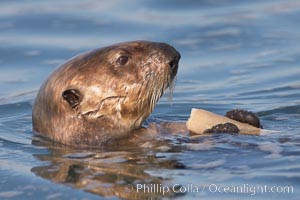
A sea otter eats a clam that it has taken from the shallow sandy bottom of Elkhorn Slough. Because sea otters have such a high metabolic rate, they eat up to 30% of their body weight each day in the form of clams, mussels, urchins, crabs and abalone. Sea otters are the only known tool-using marine mammal, using a stone or old shell to open the shells of their prey as they float on their backs.
Species: Sea otter, Enhydra lutris
Location: Elkhorn Slough National Estuarine Research Reserve, Moss Landing, California
Image ID: 21661
Species: Sea otter, Enhydra lutris
Location: Elkhorn Slough National Estuarine Research Reserve, Moss Landing, California
Image ID: 21661
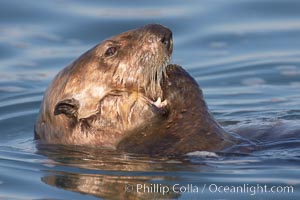
A sea otter eats a clam that it has taken from the shallow sandy bottom of Elkhorn Slough. Because sea otters have such a high metabolic rate, they eat up to 30% of their body weight each day in the form of clams, mussels, urchins, crabs and abalone. Sea otters are the only known tool-using marine mammal, using a stone or old shell to open the shells of their prey as they float on their backs.
Species: Sea otter, Enhydra lutris
Location: Elkhorn Slough National Estuarine Research Reserve, Moss Landing, California
Image ID: 21662
Species: Sea otter, Enhydra lutris
Location: Elkhorn Slough National Estuarine Research Reserve, Moss Landing, California
Image ID: 21662
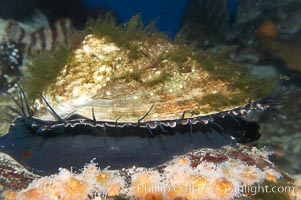
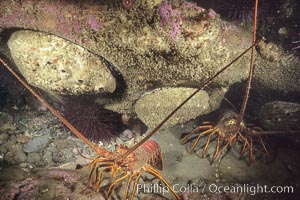
Spiny lobster and several abalone.
Species: Spiny lobster, Panulirus interruptus
Location: San Clemente Island, California
Image ID: 05375
Species: Spiny lobster, Panulirus interruptus
Location: San Clemente Island, California
Image ID: 05375
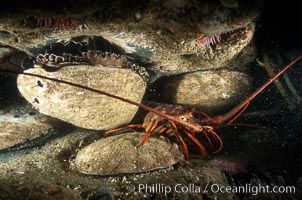
A California spiny lobster sits amid four red abalone on a shale reef shelf.
Species: Spiny lobster, Haliotis rufescens, Panulirus interruptus
Location: San Diego, California
Image ID: 02546
Species: Spiny lobster, Haliotis rufescens, Panulirus interruptus
Location: San Diego, California
Image ID: 02546
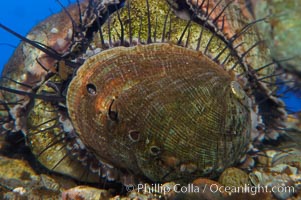
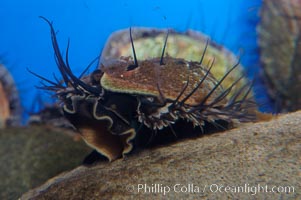
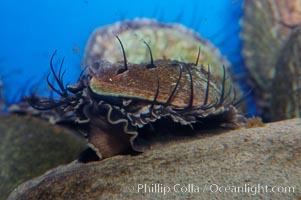
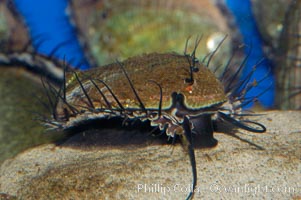
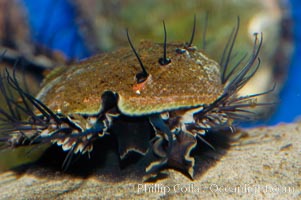
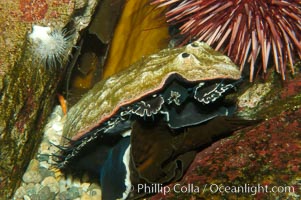
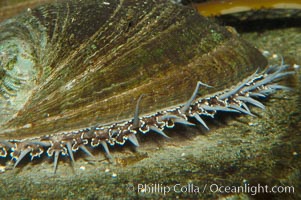
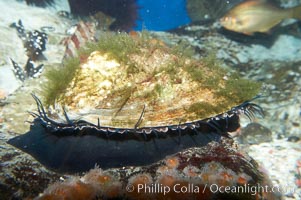
Green abalone with mantle fringe visible extending outside shell.
Species: Green abalone, Haliotis fulgens
Image ID: 09243
Species: Green abalone, Haliotis fulgens
Image ID: 09243
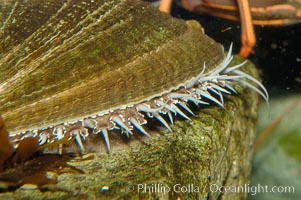
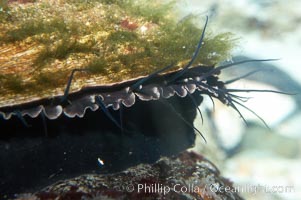
Green abalone, mantle and sight organs visible around edge of shell.
Species: Green abalone, Haliotis fulgens
Image ID: 09430
Species: Green abalone, Haliotis fulgens
Image ID: 09430
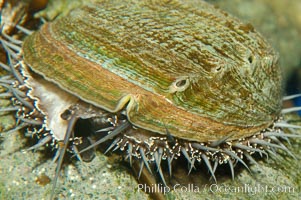
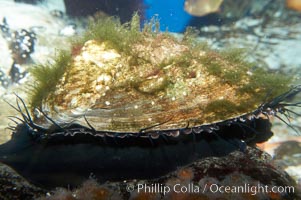
Green abalone, mantle and sight organs visible around edge of shell.
Species: Green abalone, Haliotis fulgens
Image ID: 09431
Species: Green abalone, Haliotis fulgens
Image ID: 09431
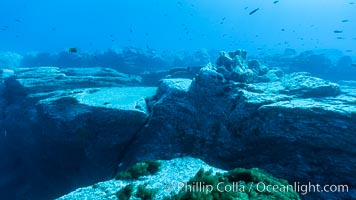
Granite structures form the underwater reef at Abalone Point.
Location: Guadalupe Island (Isla Guadalupe), Baja California, Mexico
Image ID: 09541
Location: Guadalupe Island (Isla Guadalupe), Baja California, Mexico
Image ID: 09541
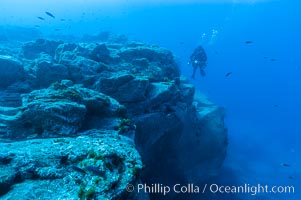
Granite structures form the underwater reef at Abalone Point.
Location: Guadalupe Island (Isla Guadalupe), Baja California, Mexico
Image ID: 09542
Location: Guadalupe Island (Isla Guadalupe), Baja California, Mexico
Image ID: 09542