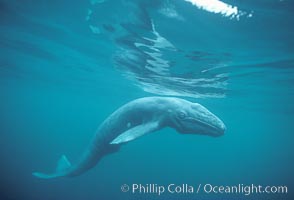
A neonate gray whale calf, born just hours before, still exhbiting embryonic folds in the skin along its side. This baby gray whale was born in the cold waters of Big Sur, far to the north of the Mexican lagoons of Baja California where most gray whale births take place.
Species: Gray whale, Eschrichtius robustus
Location: Monterey, California
Image ID: 01135
Species: Gray whale, Eschrichtius robustus
Location: Monterey, California
Image ID: 01135
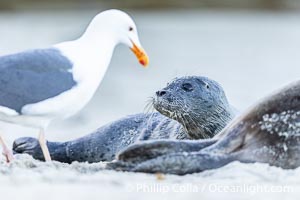
Newborn harbor seal pup watches a Western seagull approach. The gull is trying to pick at placenta on the sandy beach as the seal pup, born just moments before, watches and tries to understand what is going on. Within an hour of being born, this pup had learned to nurse and had entered the ocean for its first swim.
Species: Pacific harbor seal, Phoca vitulina richardsi
Location: La Jolla, California
Image ID: 39076
Species: Pacific harbor seal, Phoca vitulina richardsi
Location: La Jolla, California
Image ID: 39076
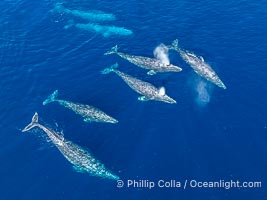
Large Seven Animal Gray Whale Courtship Group, Aerial Photo, San Diego. Courtship during the southern migration, far to the north of the Mexican lagoons of Baja California where most gray whale births take place.
Species: Gray whale, Eschrichtius robustus
Image ID: 41521
Species: Gray whale, Eschrichtius robustus
Image ID: 41521
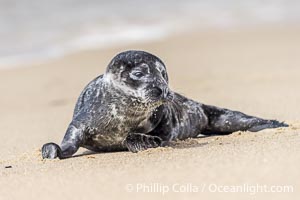
A small harbor seal pup only a few hours old, resting on a sand beach in San Diego between episodes of nursing on its mother. Over 50 harbor seal pups were born in La Jolla during the 2023 birthing season.
Species: Pacific harbor seal, Phoca vitulina richardsi
Location: La Jolla, California
Image ID: 39067
Species: Pacific harbor seal, Phoca vitulina richardsi
Location: La Jolla, California
Image ID: 39067
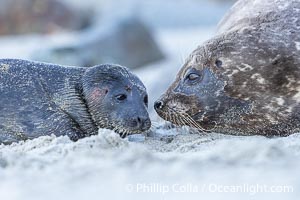
A newborn harbor seal pup, only a few minutes old, is nuzzled by its mother shortly after birth. Blood is still on the tiny pups fur coat. The pair will nuzzle frequently to solidify the bond they must maintain as the pup is nearly helpless. In just four to six weeks the pup will be weaned off its mothers milk and must forage for its own food.
Species: Pacific harbor seal, Phoca vitulina richardsi
Location: La Jolla, California
Image ID: 39073
Species: Pacific harbor seal, Phoca vitulina richardsi
Location: La Jolla, California
Image ID: 39073
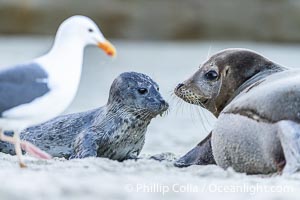
Newborn harbor seal pup is protected by its mother from a seagull. The seagull most likely wants to feed on the placenta, but it may also peck at and injure the pup. The seal mother does a good job of keeping birds off its newborn pup. Within an hour of being born, this pup had learned to nurse and had entered the ocean for its first swim.
Species: Pacific harbor seal, Phoca vitulina richardsi
Location: La Jolla, California
Image ID: 39075
Species: Pacific harbor seal, Phoca vitulina richardsi
Location: La Jolla, California
Image ID: 39075
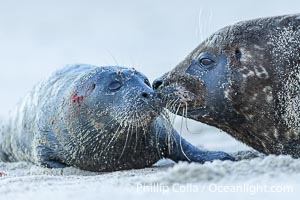
A newborn harbor seal pup in La Jolla, only a few minutes old, is nuzzled by its mother shortly after birth. Blood is still on the tiny pups fur coat. The pair will nuzzle frequently to solidify the bond they must maintain as the pup is nearly helpless. In just four to six weeks the pup will be weaned off its mothers milk and must forage for its own food.
Species: Pacific harbor seal, Phoca vitulina richardsi
Location: La Jolla, California
Image ID: 39077
Species: Pacific harbor seal, Phoca vitulina richardsi
Location: La Jolla, California
Image ID: 39077
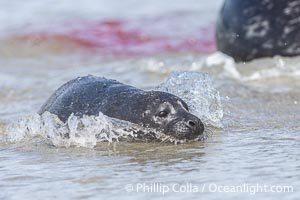
A newborn harbor seal pup in the water at the oceans edge, born just moments before in the ocean and immediately able to swim ashore. The pups placenta and mother are seen in the background.
Species: Pacific harbor seal, Phoca vitulina richardsi
Location: La Jolla, California
Image ID: 39101
Species: Pacific harbor seal, Phoca vitulina richardsi
Location: La Jolla, California
Image ID: 39101
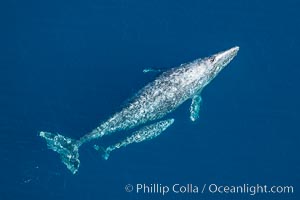
Aerial photo of gray whale calf and mother. This baby gray whale was born during the southern migration, far to the north of the Mexican lagoons of Baja California where most gray whale births take place.
Species: Gray whale, Eschrichtius robustus
Location: San Clemente, California
Image ID: 29017
Species: Gray whale, Eschrichtius robustus
Location: San Clemente, California
Image ID: 29017
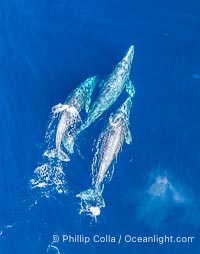
Courting Trio of Gray Whales, Aerial Photo, San Diego. Courtship during the southern migration, far to the north of the Mexican lagoons of Baja California where most gray whale births take place.
Species: Gray whale, Eschrichtius robustus
Image ID: 41518
Species: Gray whale, Eschrichtius robustus
Image ID: 41518
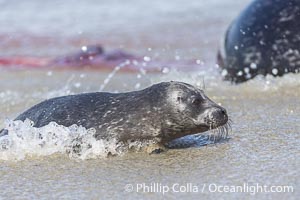
A newborn harbor seal pup in the water at the oceans edge, born just moments before in the ocean and immediately able to swim ashore. The pups placenta and mother are seen in the background.
Species: Pacific harbor seal, Phoca vitulina richardsi
Location: La Jolla, California
Image ID: 39100
Species: Pacific harbor seal, Phoca vitulina richardsi
Location: La Jolla, California
Image ID: 39100
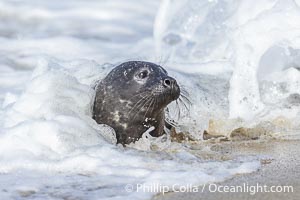
Newborn harbor seal pup just a few minutes old, has already taken to the water to learn to swim and forage. Here it is coming ashore on a sand beach, splashed by small wave as it emerges from the ocean.
Species: Pacific harbor seal, Phoca vitulina richardsi
Location: La Jolla, California
Image ID: 39102
Species: Pacific harbor seal, Phoca vitulina richardsi
Location: La Jolla, California
Image ID: 39102
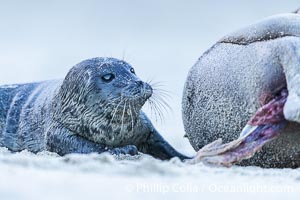
A newborn harbor seal pup rests alongside its mother, as placenta is born from the mother just a few moments after the pup was born. Within an hour of being born, this pup had learned to nurse and had entered the ocean for its first swim.
Species: Pacific harbor seal, Phoca vitulina richardsi
Location: La Jolla, California
Image ID: 39110
Species: Pacific harbor seal, Phoca vitulina richardsi
Location: La Jolla, California
Image ID: 39110
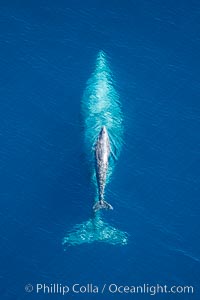
Aerial photo of gray whale calf and mother. This baby gray whale was born during the southern migration, far to the north of the Mexican lagoons of Baja California where most gray whale births take place.
Species: Gray whale, Eschrichtius robustus
Location: San Clemente, California
Image ID: 29001
Species: Gray whale, Eschrichtius robustus
Location: San Clemente, California
Image ID: 29001
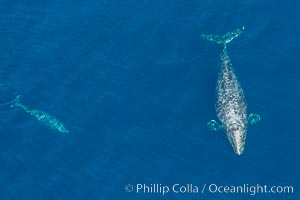
Aerial photo of gray whale calf and mother. This baby gray whale was born during the southern migration, far to the north of the Mexican lagoons of Baja California where most gray whale births take place.
Species: Gray whale, Eschrichtius robustus
Location: San Clemente, California
Image ID: 29031
Species: Gray whale, Eschrichtius robustus
Location: San Clemente, California
Image ID: 29031
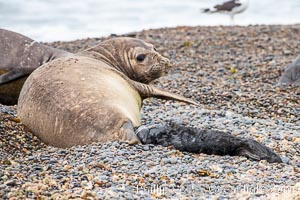
Southern elephant seal pup being born, birth, Mirounga leonina, Valdes Peninsula.
Species: Southern elephant seal, Mirounga leonina
Location: Puerto Piramides, Chubut, Argentina
Image ID: 38419
Species: Southern elephant seal, Mirounga leonina
Location: Puerto Piramides, Chubut, Argentina
Image ID: 38419
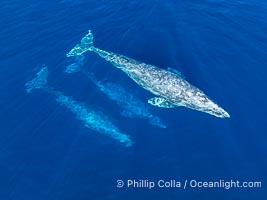
Courting Trio of Gray Whales, Aerial Photo, San Diego. Courtship during the southern migration, far to the north of the Mexican lagoons of Baja California where most gray whale births take place.
Species: Gray whale, Eschrichtius robustus
Image ID: 41516
Species: Gray whale, Eschrichtius robustus
Image ID: 41516
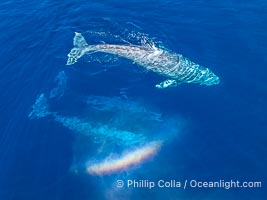
Gray Whale Courtship Group, Aerial Photo, San Diego. Courtship during the southern migration, far to the north of the Mexican lagoons of Baja California where most gray whale births take place.
Species: Gray whale, Eschrichtius robustus
Image ID: 41517
Species: Gray whale, Eschrichtius robustus
Image ID: 41517
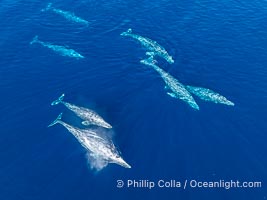
Large Seven Animal Gray Whale Courtship Group, Aerial Photo, San Diego. Courtship during the southern migration, far to the north of the Mexican lagoons of Baja California where most gray whale births take place.
Species: Gray whale, Eschrichtius robustus
Image ID: 41519
Species: Gray whale, Eschrichtius robustus
Image ID: 41519
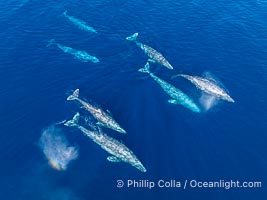
Large Seven Animal Gray Whale Courtship Group, Aerial Photo, San Diego. Courtship during the southern migration, far to the north of the Mexican lagoons of Baja California where most gray whale births take place.
Species: Gray whale, Eschrichtius robustus
Image ID: 41520
Species: Gray whale, Eschrichtius robustus
Image ID: 41520
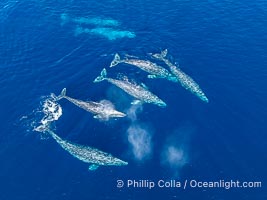
Large Seven Animal Gray Whale Courtship Group, Aerial Photo, San Diego. Courtship during the southern migration, far to the north of the Mexican lagoons of Baja California where most gray whale births take place.
Species: Gray whale, Eschrichtius robustus
Image ID: 41522
Species: Gray whale, Eschrichtius robustus
Image ID: 41522
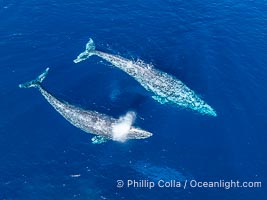
Courting Pair of Gray Whales, Aerial Photo, San Diego. Courtship during the southern migration, far to the north of the Mexican lagoons of Baja California where most gray whale births take place.
Species: Gray whale, Eschrichtius robustus
Image ID: 41523
Species: Gray whale, Eschrichtius robustus
Image ID: 41523
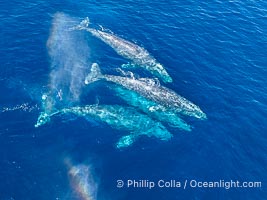
Gray Whale Courtship Group, Aerial Photo, San Diego. Courtship during the southern migration, far to the north of the Mexican lagoons of Baja California where most gray whale births take place.
Species: Gray whale, Eschrichtius robustus
Image ID: 41524
Species: Gray whale, Eschrichtius robustus
Image ID: 41524
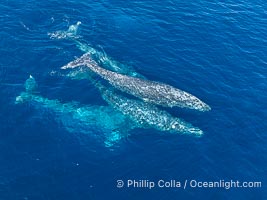
Gray Whale Courtship Group, Aerial Photo, San Diego. Courtship during the southern migration, far to the north of the Mexican lagoons of Baja California where most gray whale births take place.
Species: Gray whale, Eschrichtius robustus
Image ID: 41525
Species: Gray whale, Eschrichtius robustus
Image ID: 41525
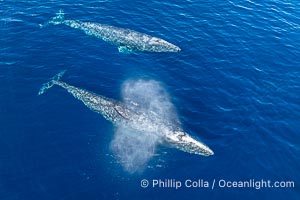
Courting Pair of Gray Whales, Aerial Photo, San Diego. Courtship during the southern migration, far to the north of the Mexican lagoons of Baja California where most gray whale births take place.
Species: Gray whale, Eschrichtius robustus
Image ID: 41526
Species: Gray whale, Eschrichtius robustus
Image ID: 41526
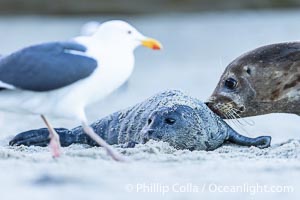
Newborn harbor seal pup is protected by its mother from a seagull. The seagull most likely wants to feed on the placenta, but it may also peck at and injure the pup. The seal mother does a good job of keeping birds off its newborn pup.
Species: Pacific harbor seal, Phoca vitulina richardsi
Location: La Jolla, California
Image ID: 39074
Species: Pacific harbor seal, Phoca vitulina richardsi
Location: La Jolla, California
Image ID: 39074
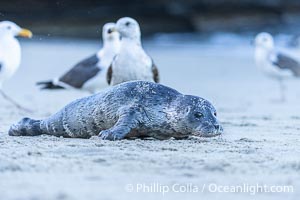
Newborn Harbor Seal Pup and Seagulls on Sand Beach. Seagulls sometimes pester young seal pups. The pup must stay close to its mother to receive protection, otherwise the young seal may be overwhelmed by a pack of gulls.
Species: Pacific harbor seal, Phoca vitulina richardsi
Location: La Jolla, California
Image ID: 39109
Species: Pacific harbor seal, Phoca vitulina richardsi
Location: La Jolla, California
Image ID: 39109
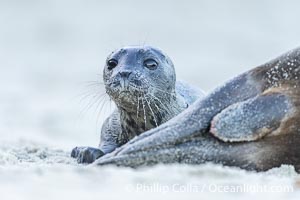
A newborn harbor seal pup, only a few minutes old, peeks over its mother who is resting after having just given birth. The pup is nuzzling and smelling its mothers belly, looking for mammary glands so that it can nurse. Within an hour of being born, this pup had learned to nurse and had entered the ocean for its first swim.
Species: Pacific harbor seal, Phoca vitulina richardsi
Location: La Jolla, California
Image ID: 39120
Species: Pacific harbor seal, Phoca vitulina richardsi
Location: La Jolla, California
Image ID: 39120
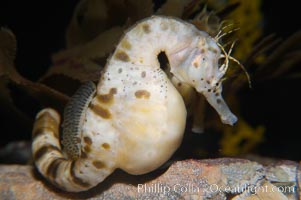
Pot-bellied seahorse, male, carrying eggs. The developing embryos are nourished by individual yolk sacs, and oxygen is supplied through a placenta-like attachment to the male. Two to six weeks after fertilization, the male gives birth. The babies must then fend for themselves, and few survive to adulthood.
Species: Pot-bellied seahorse, Hippocampus abdominalis
Image ID: 14472
Species: Pot-bellied seahorse, Hippocampus abdominalis
Image ID: 14472
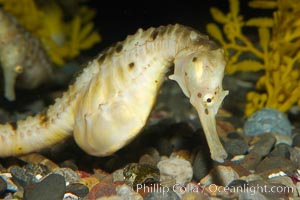
Pot-bellied seahorse, male, carrying eggs. The developing embryos are nourished by individual yolk sacs, and oxygen is supplied through a placenta-like attachment to the male. Two to six weeks after fertilization, the male gives birth. The babies must then fend for themselves, and few survive to adulthood.
Species: Pot-bellied seahorse, Hippocampus abdominalis
Image ID: 14558
Species: Pot-bellied seahorse, Hippocampus abdominalis
Image ID: 14558