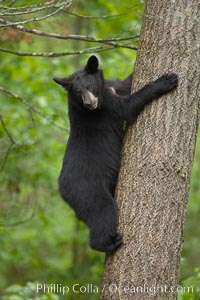
Black bear in a tree. Black bears are expert tree climbers and will ascend trees if they sense danger or the approach of larger bears, to seek a place to rest, or to get a view of their surroundings.
Species: American black bear, Ursus americanus
Location: Orr, Minnesota
Image ID: 18745
Species: American black bear, Ursus americanus
Location: Orr, Minnesota
Image ID: 18745
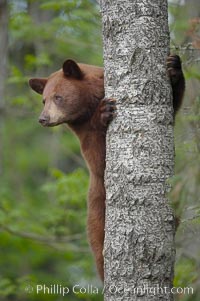
Black bear in a tree. Black bears are expert tree climbers and will ascend trees if they sense danger or the approach of larger bears, to seek a place to rest, or to get a view of their surroundings.
Species: American black bear, Ursus americanus
Location: Orr, Minnesota
Image ID: 18747
Species: American black bear, Ursus americanus
Location: Orr, Minnesota
Image ID: 18747
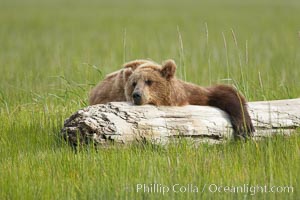
Lazy grizzly bear naps on a log, surrounding by the grass sedge grass that is typical of the coastal region of Lake Clark National Park.
Species: Brown bear, Ursus arctos
Location: Lake Clark National Park, Alaska
Image ID: 19160
Species: Brown bear, Ursus arctos
Location: Lake Clark National Park, Alaska
Image ID: 19160
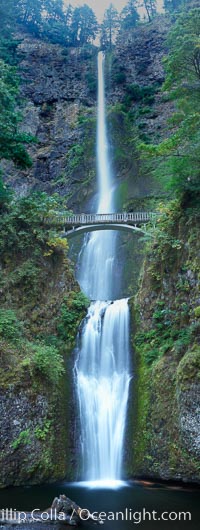
Multnomah Falls. Plummeting 620 feet from its origins on Larch Mountain, Multnomah Falls is the second highest year-round waterfall in the United States. Nearly two million visitors a year come to see this ancient waterfall making it Oregon's number one public destination.
Location: Multnomah Falls, Columbia River Gorge National Scenic Area, Oregon
Image ID: 19313
Panorama dimensions: 12453 x 4705
Location: Multnomah Falls, Columbia River Gorge National Scenic Area, Oregon
Image ID: 19313
Panorama dimensions: 12453 x 4705
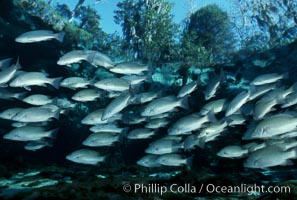
Mangrove snapper schooling in the clear waters of Crystal River, with trees in the background.
Species: Mangrove snapper, Lutjanus griseus
Location: Three Sisters Springs, Crystal River, Florida
Image ID: 02688
Species: Mangrove snapper, Lutjanus griseus
Location: Three Sisters Springs, Crystal River, Florida
Image ID: 02688
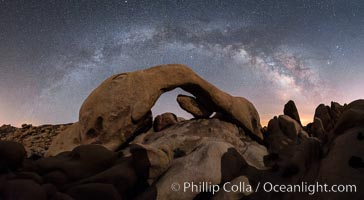
Milky Way during Full Lunar Eclipse over Arch Rock, Joshua Tree National Park, April 4 2015. The arch and surrounding landscape are illuminated by the faint light of the fully-eclipsed blood red moon. Light from the sun has passed obliquely through the Earth's thin atmosphere, taking on a red color, and is then reflected off the moon and reaches the Earth again to light the arch. The intensity of this light is so faint that the Milky Way can be seen clearly at the same time.
Location: Joshua Tree National Park, California
Image ID: 30717
Panorama dimensions: 8903 x 14184
Location: Joshua Tree National Park, California
Image ID: 30717
Panorama dimensions: 8903 x 14184
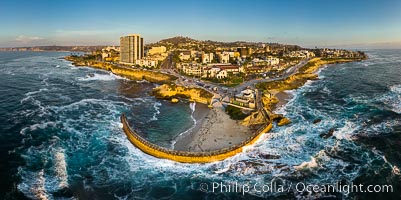
Childrens Pool Aerial Panoramic Photo at Sunset, people enjoying the sunset on the sea wall and the protected beach, Coast Boulevard in the foreground, Mount Soledad in the distance.
Location: Children's Pool, La Jolla, California
Image ID: 38208
Panorama dimensions: 5582 x 11191
Location: Children's Pool, La Jolla, California
Image ID: 38208
Panorama dimensions: 5582 x 11191
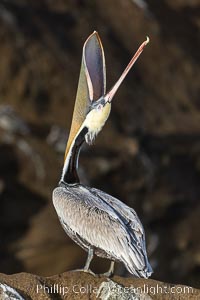
Brown Pelican Head Throw with Distant Cliffs in Background, partially side lit at sunrise.
Species: Brown Pelican, Pelecanus occidentalis, Pelecanus occidentalis californicus
Location: La Jolla, California
Image ID: 38866
Species: Brown Pelican, Pelecanus occidentalis, Pelecanus occidentalis californicus
Location: La Jolla, California
Image ID: 38866
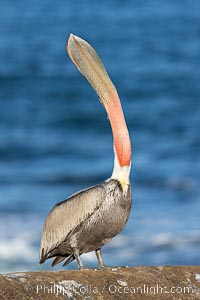
A perfect Brown Pelican Head Throw with Distant Ocean in Background, bending over backwards, stretching its neck and gular pouch, winter adult non-breeding plumage coloration.
Species: Brown Pelican, Pelecanus occidentalis, Pelecanus occidentalis californicus
Location: La Jolla, California
Image ID: 38937
Species: Brown Pelican, Pelecanus occidentalis, Pelecanus occidentalis californicus
Location: La Jolla, California
Image ID: 38937
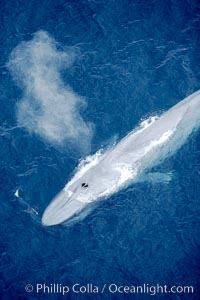
Blue whale, exhaling in a huge blow as it swims at the surface between deep dives. The blue whale's blow is a combination of water spray from around its blowhole and condensation from its warm breath.
Species: Blue whale, Balaenoptera musculus
Location: La Jolla, California
Image ID: 21253
Species: Blue whale, Balaenoptera musculus
Location: La Jolla, California
Image ID: 21253
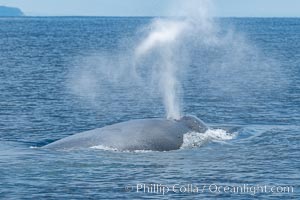
Blue whale, exhaling in a huge blow as it swims at the surface between deep dives. The blue whale's blow is a combination of water spray from around its blowhole and condensation from its warm breath.
Species: Blue whale, Balaenoptera musculus
Location: San Diego, California
Image ID: 34560
Species: Blue whale, Balaenoptera musculus
Location: San Diego, California
Image ID: 34560
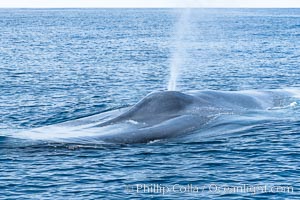
Blue whale, exhaling in a huge blow as it swims at the surface between deep dives. The blue whale's blow is a combination of water spray from around its blowhole and condensation from its warm breath.
Species: Blue whale, Balaenoptera musculus
Location: San Diego, California
Image ID: 34564
Species: Blue whale, Balaenoptera musculus
Location: San Diego, California
Image ID: 34564
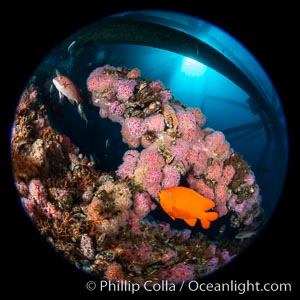
Oil Rig Ellen and Elly with invertebrate life growing on it and fish swimming around.
Species: Strawberry Anemone, Garibaldi, Corynactis californica, Hypsypops rubicundus
Location: Long Beach, California
Image ID: 34658
Species: Strawberry Anemone, Garibaldi, Corynactis californica, Hypsypops rubicundus
Location: Long Beach, California
Image ID: 34658
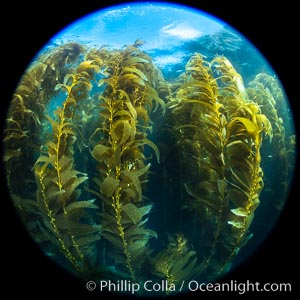
Giant Kelp Forest, West End Catalina Island, rendered in the round by a circular fisheye lens.
Species: Giant kelp, Macrocystis pyrifera
Location: Catalina Island, California
Image ID: 37279
Species: Giant kelp, Macrocystis pyrifera
Location: Catalina Island, California
Image ID: 37279
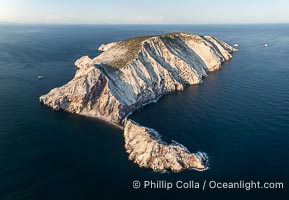
Isla San Pedro Martir at sunset with extensive forest of Cardon Cactus seen on the summit ridge of the island, aerial photo, Sea of Cortez, Mexico. San Pedro Martir Island and its marine life are, since 2002, part of the San Pedro Martir Biosphere Reserve, and is regarded as a natural laboratory of adaptive evolution, similar to that of the Galapagos Islands. It is home to 292 species of fauna and flora (both land-based and aquatic), with 42 species protected by Mexican law, and 30 listed on the Red List of Threatened Species. San Pedro Martir is also unique in the area for its year-round quantity of birds. The island is the only island in the area with a perpetually swirling cloud of sea birds. This is because the water around the island, has some of the most successful marine productivity in the world.
Location: Isla San Pedro Martir, Sonora, Mexico
Image ID: 40397
Location: Isla San Pedro Martir, Sonora, Mexico
Image ID: 40397
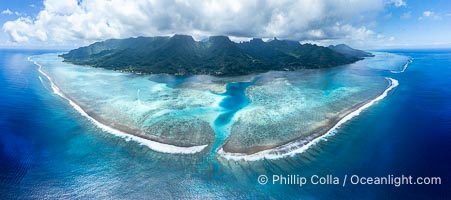
Barrier Reef around Moorea Island, French Polynesia. Nu'urua and Iumaru communities along the coast. The outer reef slope is seen adjacent to deep blue oceanic water with white waves breaking against the reef edge. Next, a wide shallow reef flat occurs dotted with coral bommies. Inside of that, a shallow protected lagoon is formed against the island. Tall, rugged, eroded mountains are seen hinting at the age of the ancient volcano that originally formed the island and that is now sinking back down, leaving the encircling reef behind.
Location: Moorea, French Polynesia, France
Image ID: 40666
Panorama dimensions: 5505 x 12416
Location: Moorea, French Polynesia, France
Image ID: 40666
Panorama dimensions: 5505 x 12416
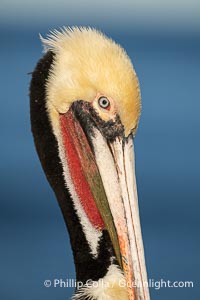
Study of a California brown pelican in winter breeding plumage, yellow head, red and olive throat, pink skin around the eye, brown hind neck with some white neck side detail.
Species: Brown Pelican, Pelecanus occidentalis, Pelecanus occidentalis californicus
Location: La Jolla, California
Image ID: 39871
Panorama dimensions: 8640 x 5760
Species: Brown Pelican, Pelecanus occidentalis, Pelecanus occidentalis californicus
Location: La Jolla, California
Image ID: 39871
Panorama dimensions: 8640 x 5760
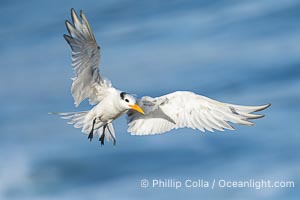
Royal tern in flight, Thalasseus maximus, adult nonbreeding plumage, ocean water in the background, La Jolla.
Species: Royal tern, Sterna maxima, Thalasseus maximus
Location: La Jolla, California
Image ID: 40687
Species: Royal tern, Sterna maxima, Thalasseus maximus
Location: La Jolla, California
Image ID: 40687
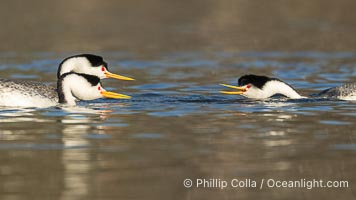
Clark's Grebes Ratchet Pointing, a courtship behavior in which the grebes assume a low facing position in the water, point beaks at one another and emit a ratchet-like sound. Coupled with dip-shaking, several rounds of ratchet pointing is often an immediate precursor to rushing.
Species: Clark's Grebe, Aechmophorus clarkii
Location: Lake Wohlford, Escondido, California
Image ID: 40891
Species: Clark's Grebe, Aechmophorus clarkii
Location: Lake Wohlford, Escondido, California
Image ID: 40891
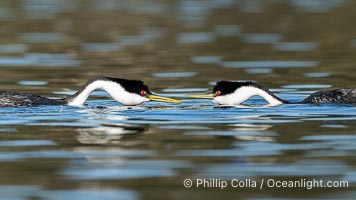
Western Grebes Ratchet Pointing, a courtship behavior in which the grebes assume a low facing position in the water, point beaks at one another and emit a ratchet-like sound. Coupled with dip-shaking, several rounds of ratchet pointing is often an immediate precursor to rushing.
Species: Western Grebe, Aechmophorus occidentalis
Location: Lake Wohlford, Escondido, California
Image ID: 40893
Species: Western Grebe, Aechmophorus occidentalis
Location: Lake Wohlford, Escondido, California
Image ID: 40893
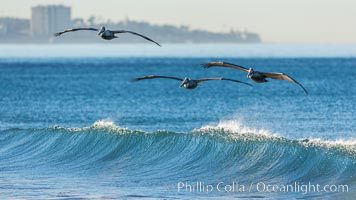
California Pelican flying on a wave, riding the updraft from the wave, La Jolla coastline in the distant background.
Species: Brown Pelican, Pelecanus occidentalis, Pelecanus occidentalis californicus
Image ID: 30262
Species: Brown Pelican, Pelecanus occidentalis, Pelecanus occidentalis californicus
Image ID: 30262
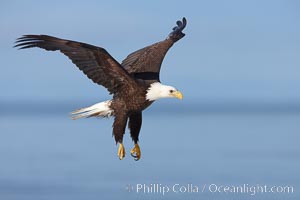
Bald eagle in flight, Kachemak Bay in background.
Species: Bald eagle, Haliaeetus leucocephalus, Haliaeetus leucocephalus washingtoniensis
Location: Kachemak Bay, Homer, Alaska
Image ID: 22594
Species: Bald eagle, Haliaeetus leucocephalus, Haliaeetus leucocephalus washingtoniensis
Location: Kachemak Bay, Homer, Alaska
Image ID: 22594
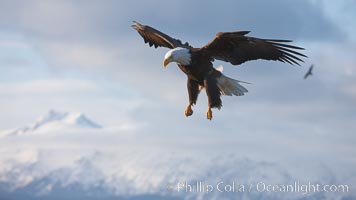
Bald eagle in flight, sidelit, cloudy sky and Kenai Mountains in the background.
Species: Bald eagle, Haliaeetus leucocephalus, Haliaeetus leucocephalus washingtoniensis
Location: Kachemak Bay, Homer, Alaska
Image ID: 22596
Species: Bald eagle, Haliaeetus leucocephalus, Haliaeetus leucocephalus washingtoniensis
Location: Kachemak Bay, Homer, Alaska
Image ID: 22596
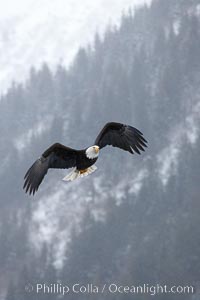
Bald eagle in flight, snow falling, trees and Kenai Mountains in background.
Species: Bald eagle, Haliaeetus leucocephalus, Haliaeetus leucocephalus washingtoniensis
Location: Kenai Peninsula, Alaska
Image ID: 22598
Species: Bald eagle, Haliaeetus leucocephalus, Haliaeetus leucocephalus washingtoniensis
Location: Kenai Peninsula, Alaska
Image ID: 22598
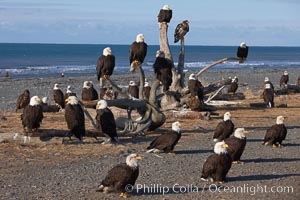
30 bald eagles, part of a group of several hundred, perch on driftwood and stand on the ground waiting to be fed frozen herring as part of the Homer "Eagle Lady's" winter eagle feeding program.
Species: Bald eagle, Haliaeetus leucocephalus, Haliaeetus leucocephalus washingtoniensis
Location: Kachemak Bay, Homer, Alaska
Image ID: 22600
Species: Bald eagle, Haliaeetus leucocephalus, Haliaeetus leucocephalus washingtoniensis
Location: Kachemak Bay, Homer, Alaska
Image ID: 22600
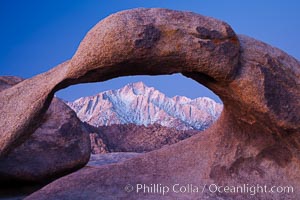
Mobius Arch at sunrise, framing snow dusted Lone Pine Peak and the Sierra Nevada Range in the background. Also known as Galen's Arch, Mobius Arch is found in the Alabama Hills Recreational Area near Lone Pine.
Location: Alabama Hills Recreational Area, California
Image ID: 27627
Location: Alabama Hills Recreational Area, California
Image ID: 27627
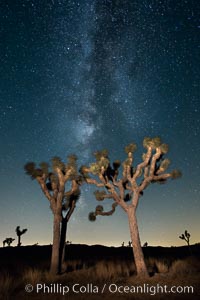
The Milky Way Galaxy shines in the night sky with a Joshua Tree silhouetted in the foreground.
Location: Joshua Tree National Park, California
Image ID: 27805
Location: Joshua Tree National Park, California
Image ID: 27805
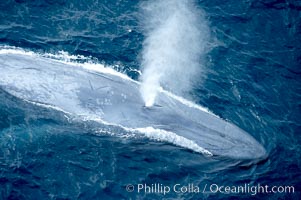
Blue whale, exhaling in a huge blow as it swims at the surface between deep dives. The blue whale's blow is a combination of water spray from around its blowhole and condensation from its warm breath.
Species: Blue whale, Balaenoptera musculus
Location: La Jolla, California
Image ID: 21249
Species: Blue whale, Balaenoptera musculus
Location: La Jolla, California
Image ID: 21249
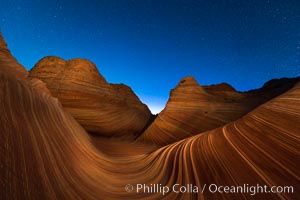
The Wave at Night, under a clear night sky full of stars. The Wave, an area of fantastic eroded sandstone featuring beautiful swirls, wild colors, countless striations, and bizarre shapes set amidst the dramatic surrounding North Coyote Buttes of Arizona and Utah. The sandstone formations of the North Coyote Buttes, including the Wave, date from the Jurassic period. Managed by the Bureau of Land Management, the Wave is located in the Paria Canyon-Vermilion Cliffs Wilderness and is accessible on foot by permit only.
Location: North Coyote Buttes, Paria Canyon-Vermilion Cliffs Wilderness, Arizona
Image ID: 28621
Location: North Coyote Buttes, Paria Canyon-Vermilion Cliffs Wilderness, Arizona
Image ID: 28621
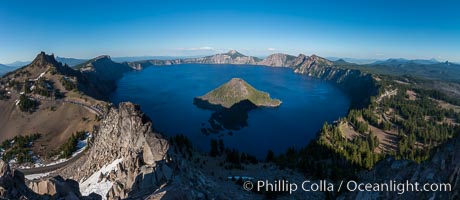
Panorama of Crater Lake from Watchman Lookout Station, panoramic picture. The Watchman Lookout Station No. 168 is one of two fire lookout towers in Crater Lake National Park in southern Oregon. For many years, National Park Service personnel used the lookout to watch for wildfires during the summer months. It is also a popular hiking destination because it offers an excellent view of Crater Lake and the surrounding area.
Location: Crater Lake National Park, Oregon
Image ID: 28633
Panorama dimensions: 4885 x 11229
Location: Crater Lake National Park, Oregon
Image ID: 28633
Panorama dimensions: 4885 x 11229