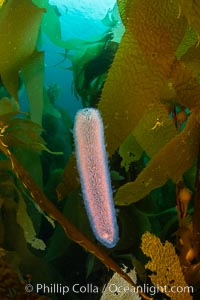
Pyrosome in Kelp Forest, Santa Barbara Island.
Species: Pyrosome, Giant Kelp, Pyrosoma, Macrocystis pyrifera
Location: Santa Barbara Island, California
Image ID: 35826
Species: Pyrosome, Giant Kelp, Pyrosoma, Macrocystis pyrifera
Location: Santa Barbara Island, California
Image ID: 35826
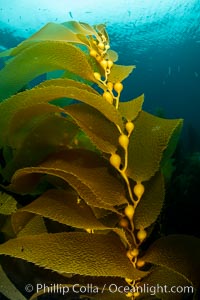
Kelp fronds showing pneumatocysts, bouyant gas-filled bubble-like structures which float the kelp plant off the ocean bottom toward the surface, where it will spread to form a roof-like canopy.
Species: Giant Kelp, Macrocystis pyrifera
Location: Santa Barbara Island, California
Image ID: 35827
Species: Giant Kelp, Macrocystis pyrifera
Location: Santa Barbara Island, California
Image ID: 35827
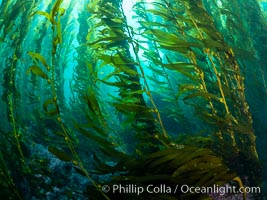
Kelp Forest, Santa Barbara Island.
Species: Giant Kelp, Macrocystis pyrifera
Location: Santa Barbara Island, California
Image ID: 35830
Species: Giant Kelp, Macrocystis pyrifera
Location: Santa Barbara Island, California
Image ID: 35830
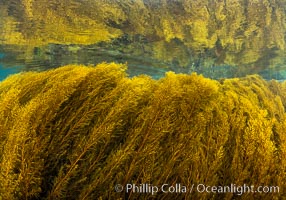
Stephanocystis dioica kelp algae on a shallow rocky reef, reflected underneath the surface of the ocean.
Species: Stephanocystis dioica
Location: San Clemente Island, California
Image ID: 37063
Species: Stephanocystis dioica
Location: San Clemente Island, California
Image ID: 37063
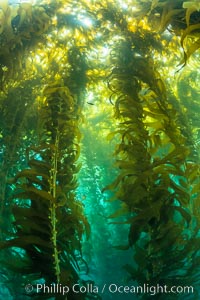
Sunlight glows throughout a giant kelp forest. Giant kelp, the fastest growing plant on Earth, reaches from the rocky reef to the ocean's surface like a submarine forest.
Species: Giant kelp, Macrocystis pyrifera
Location: San Clemente Island, California
Image ID: 37086
Species: Giant kelp, Macrocystis pyrifera
Location: San Clemente Island, California
Image ID: 37086
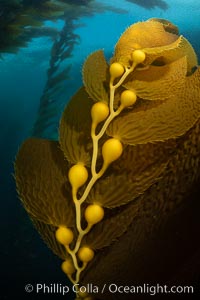
Kelp fronds and pneumatocysts. Pneumatocysts, gas-filled bladders, float the kelp plant off the ocean bottom toward the surface and sunlight, where the leaf-like blades and stipes of the kelp plant grow fastest. Giant kelp can grow up to 2' in a single day given optimal conditions. Epic submarine forests of kelp grow throughout California's Southern Channel Islands.
Species: Giant kelp, Macrocystis pyrifera
Location: San Clemente Island, California
Image ID: 37100
Species: Giant kelp, Macrocystis pyrifera
Location: San Clemente Island, California
Image ID: 37100
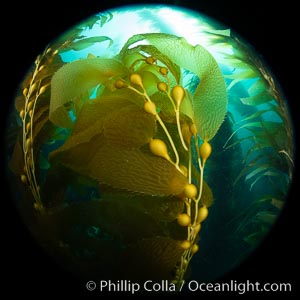
Kelp fronds and pneumatocysts. Pneumatocysts, gas-filled bladders, float the kelp off the ocean bottom toward the surface and sunlight, where the leaf-like blades and stipes of the kelp plant grow fastest.
Species: Giant kelp, Macrocystis pyrifera
Location: Catalina Island, California
Image ID: 37297
Species: Giant kelp, Macrocystis pyrifera
Location: Catalina Island, California
Image ID: 37297
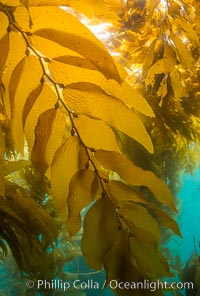
Giant kelp frond showing pneumatocysts. Small gas bladders -- pneumatocysts -- connect the kelp's stipes ("stems") to its blades ("leaves"). These bladders help elevate the kelp plant from the bottom, towards sunlight and the water's surface.
Species: Giant kelp, Macrocystis pyrifera
Location: Catalina Island, California
Image ID: 33439
Species: Giant kelp, Macrocystis pyrifera
Location: Catalina Island, California
Image ID: 33439
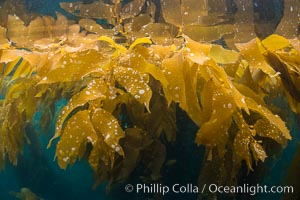
Giant kelp frond showing pneumatocysts. Small gas bladders -- pneumatocysts -- connect the kelp's stipes ("stems") to its blades ("leaves"). These bladders help elevate the kelp plant from the bottom, towards sunlight and the water's surface.
Species: Giant kelp, Macrocystis pyrifera
Location: Catalina Island, California
Image ID: 33440
Species: Giant kelp, Macrocystis pyrifera
Location: Catalina Island, California
Image ID: 33440
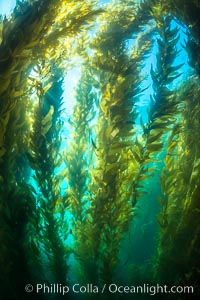
Sunlight streams through giant kelp forest. Giant kelp, the fastest growing plant on Earth, reaches from the rocky reef to the ocean's surface like a submarine forest.
Species: Giant kelp, Macrocystis pyrifera
Location: Catalina Island, California
Image ID: 33441
Species: Giant kelp, Macrocystis pyrifera
Location: Catalina Island, California
Image ID: 33441
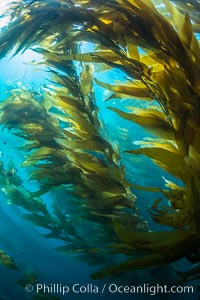
Sunlight streams through giant kelp forest. Giant kelp, the fastest growing plant on Earth, reaches from the rocky reef to the ocean's surface like a submarine forest.
Species: Giant kelp, Macrocystis pyrifera
Location: Catalina Island, California
Image ID: 33442
Species: Giant kelp, Macrocystis pyrifera
Location: Catalina Island, California
Image ID: 33442
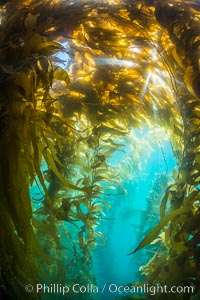
Sunlight streams through giant kelp forest. Giant kelp, the fastest growing plant on Earth, reaches from the rocky reef to the ocean's surface like a submarine forest.
Species: Giant kelp, Macrocystis pyrifera
Location: Catalina Island, California
Image ID: 33443
Species: Giant kelp, Macrocystis pyrifera
Location: Catalina Island, California
Image ID: 33443
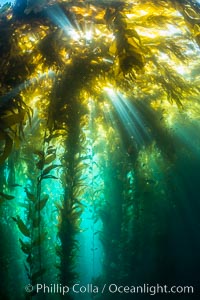
Sunlight streams through giant kelp forest. Giant kelp, the fastest growing plant on Earth, reaches from the rocky reef to the ocean's surface like a submarine forest.
Species: Giant kelp, Macrocystis pyrifera
Location: Catalina Island, California
Image ID: 33444
Species: Giant kelp, Macrocystis pyrifera
Location: Catalina Island, California
Image ID: 33444
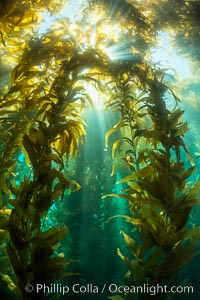
Sunlight streams through giant kelp forest. Giant kelp, the fastest growing plant on Earth, reaches from the rocky reef to the ocean's surface like a submarine forest.
Species: Giant kelp, Macrocystis pyrifera
Location: Catalina Island, California
Image ID: 33445
Species: Giant kelp, Macrocystis pyrifera
Location: Catalina Island, California
Image ID: 33445
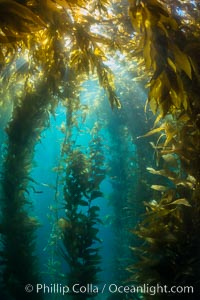
Sunlight streams through giant kelp forest. Giant kelp, the fastest growing plant on Earth, reaches from the rocky reef to the ocean's surface like a submarine forest.
Species: Giant kelp, Macrocystis pyrifera
Location: Catalina Island, California
Image ID: 33446
Species: Giant kelp, Macrocystis pyrifera
Location: Catalina Island, California
Image ID: 33446
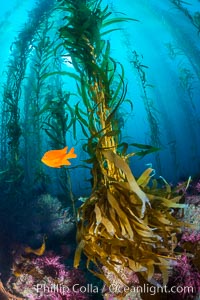
Kelp holdfast attaches the plant to the rocky reef on the oceans bottom. Kelp blades are visible above the holdfast, swaying in the current.
Species: Giant Kelp, Macrocystis pyrifera
Location: Catalina Island, California
Image ID: 34212
Species: Giant Kelp, Macrocystis pyrifera
Location: Catalina Island, California
Image ID: 34212
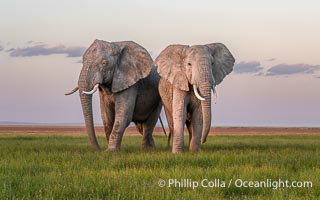
African elephants, small adult group grazing in grass, Amboseli National Park.
Species: African elephant, Loxodonta africana
Location: Amboseli National Park, Kenya
Image ID: 39597
Species: African elephant, Loxodonta africana
Location: Amboseli National Park, Kenya
Image ID: 39597
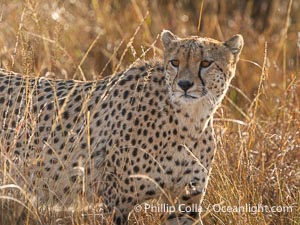
Cheetah in tall grass in the Masai Mara, Acinonyx jubatus, Kenya.
Species: Cheetah, Acinonyx jubatus
Location: Maasai Mara National Reserve, Kenya
Image ID: 39628
Species: Cheetah, Acinonyx jubatus
Location: Maasai Mara National Reserve, Kenya
Image ID: 39628
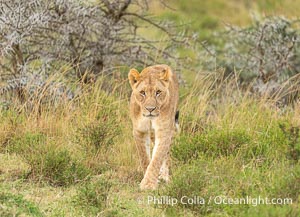
Portrait of Solitary Lion in Soft Light and Tall Grass, Greater Masai Mara, Kenya.
Species: African lion, Panthera leo
Location: Mara North Conservancy, Kenya
Image ID: 39727
Species: African lion, Panthera leo
Location: Mara North Conservancy, Kenya
Image ID: 39727
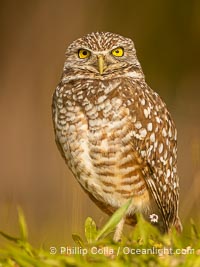
Burrowing owl, Cape Coral, Florida, subspecies Athene cunicularia floridana. This 10-inch-tall burrowing owl is standing beside its burrow. These burrows are usually created by squirrels, prairie dogs, or other rodents and even turtles, and only rarely dug by the owl itself.
Species: Burrowing Owl, Athene cunicularia floridana, Athene cunicularia
Location: Cape Coral, Florida
Image ID: 40586
Species: Burrowing Owl, Athene cunicularia floridana, Athene cunicularia
Location: Cape Coral, Florida
Image ID: 40586
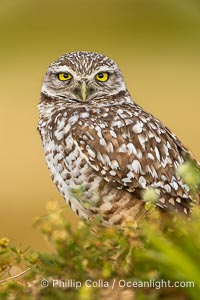
Burrowing owl, Cape Coral, Florida, subspecies Athene cunicularia floridana. This 10-inch-tall burrowing owl is standing beside its burrow. These burrows are usually created by squirrels, prairie dogs, or other rodents and even turtles, and only rarely dug by the owl itself.
Species: Burrowing Owl, Athene cunicularia floridana, Athene cunicularia
Location: Cape Coral, Florida
Image ID: 40587
Species: Burrowing Owl, Athene cunicularia floridana, Athene cunicularia
Location: Cape Coral, Florida
Image ID: 40587
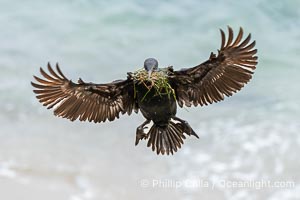
Brandt's Cormorant Flying Carrying Nesting Material, a clump of seaweed (marine algae) and surf grass, La Jolla.
Species: Brandt's Cormorant, Phalacrocorax penicillatus
Location: La Jolla, California
Image ID: 40812
Species: Brandt's Cormorant, Phalacrocorax penicillatus
Location: La Jolla, California
Image ID: 40812
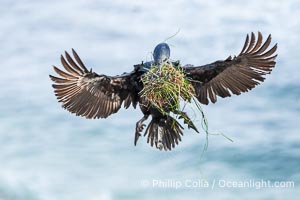
Brandt's Cormorant in flight carrying surfgrass for nest building, ocean background.
Species: Brandt's Cormorant, Phalacrocorax penicillatus
Location: La Jolla, California
Image ID: 40872
Species: Brandt's Cormorant, Phalacrocorax penicillatus
Location: La Jolla, California
Image ID: 40872
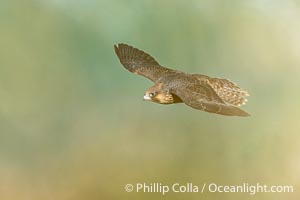
Peregrine Falcon in flight seen through tall grasses, Torrey Pines State Natural Reserve.
Species: Peregrine Falcon, Falco peregrinus
Location: Torrey Pines State Reserve, San Diego, California
Image ID: 39306
Species: Peregrine Falcon, Falco peregrinus
Location: Torrey Pines State Reserve, San Diego, California
Image ID: 39306
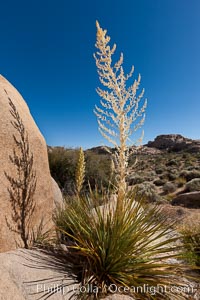
Parry's Nolina, or Giant Nolina, a flowering plant native to southern California and Arizona founds in deserts and mountains to 6200'. It can reach 6' in height with its flowering inflorescence reaching 12'.
Species: Parry's nolina, Nolina parryi
Location: Joshua Tree National Park, California
Image ID: 26725
Species: Parry's nolina, Nolina parryi
Location: Joshua Tree National Park, California
Image ID: 26725
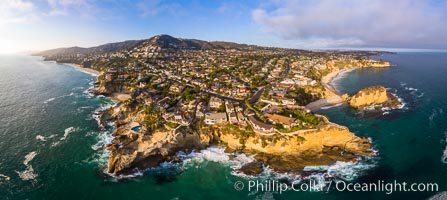
Laguna Beach Coastline including Views South to Three Arch Bay, Aerial Photo.
Location: Laguna Beach, California
Image ID: 37978
Panorama dimensions: 5975 x 13347
Location: Laguna Beach, California
Image ID: 37978
Panorama dimensions: 5975 x 13347
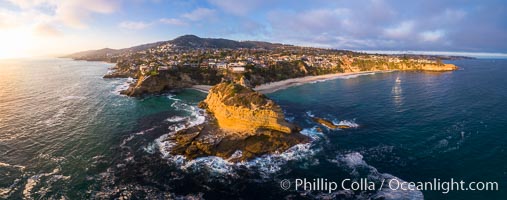
Three Arch Bay, Mussel Cove and Three Arch Rock, Laguna Beach Coastline, Aerial Photo. The Whale / Turtle Rock is front and center.
Location: Laguna Beach, California
Image ID: 38149
Panorama dimensions: 5292 x 13407
Location: Laguna Beach, California
Image ID: 38149
Panorama dimensions: 5292 x 13407
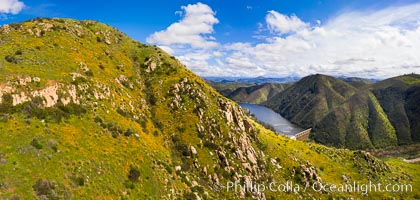
Spring Flowers and Grasses above Lake Hodges, aerial panoramic photo, Del Dios and Lake Hodges, San Diego.
Location: Del Dios, San Diego, California
Image ID: 38164
Panorama dimensions: 5142 x 10802
Location: Del Dios, San Diego, California
Image ID: 38164
Panorama dimensions: 5142 x 10802
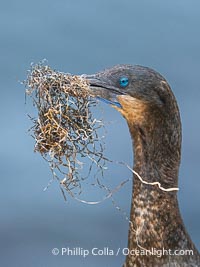
Brandt's Cormorant carrying surf grass nesting material, Phalacrocorax penicillatus.
Species: Brandt's cormorant, Phalacrocorax penicillatus
Location: La Jolla, California
Image ID: 39513
Species: Brandt's cormorant, Phalacrocorax penicillatus
Location: La Jolla, California
Image ID: 39513
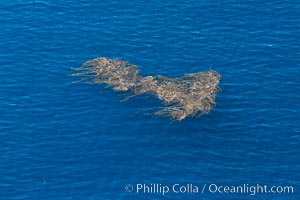
Drift kelp, a kelp paddy, floating patch of kelp on the open ocean which attracts marine life and forms of moving oasis of life, an open ocean habitat, aerial photo.
Species: Giant kelp, Macrocystis pyrifera
Location: California
Image ID: 29083
Species: Giant kelp, Macrocystis pyrifera
Location: California
Image ID: 29083