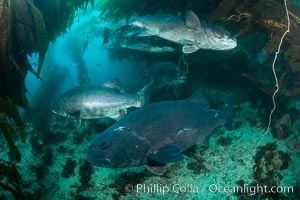
Five giant black sea bass in a mating and courtship aggregation in the kelp forest at Catalina Island. In summer months, black seabass gather in kelp forests in California to form mating aggregations leading to spawning. Courtship behaviors include circling of pairs of giant sea bass, production of booming sounds by presumed males, and nudging of females by males in what is though to be an effort to encourage spawning.
Species: Giant black sea bass, Stereolepis gigas
Location: Catalina Island, California
Image ID: 33361
Species: Giant black sea bass, Stereolepis gigas
Location: Catalina Island, California
Image ID: 33361
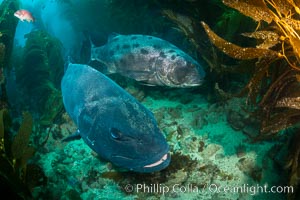
Two Giant sea bass comprise a courting pair as part of a larger mating aggregation amid the kelp forest at Catalina Island. In summer months, giant seabass gather in kelp forests in California to form mating aggregations leading to spawning. Courtship behaviors include circling of pairs of giant sea bass, production of booming sounds by presumed males, and nudging of females by males in what is though to be an effort to encourage spawning.
Species: Giant black sea bass, Stereolepis gigas
Location: Catalina Island, California
Image ID: 33362
Species: Giant black sea bass, Stereolepis gigas
Location: Catalina Island, California
Image ID: 33362
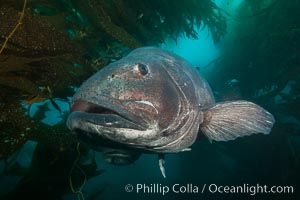
A giant black sea bass is an endangered species that can reach up to 8 feet in length and 500 pounds, often found amid the giant kelp forest, Once nearly fished to extinction and now thought to be at risk of a genetic bottleneck, the giant sea bass is slowly recovering and can be seen in summer months in California's kelp forests.
Species: Giant black sea bass, Stereolepis gigas
Location: Catalina Island, California
Image ID: 33363
Species: Giant black sea bass, Stereolepis gigas
Location: Catalina Island, California
Image ID: 33363
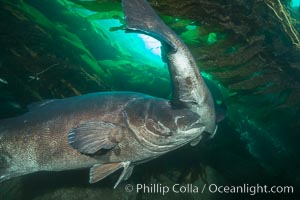
A male giant sea bass nudges a female giant sea bass to encourage spawning as they swim in a tight circle. This courting pair of giant sea bass is deep in the kelp forest at Catalina Island. In summer months, giant sea bass gather in kelp forests in California to form courtship and mating aggregations, eventually leading to spawning.
Species: Giant black sea bass, Stereolepis gigas
Location: Catalina Island, California
Image ID: 33364
Species: Giant black sea bass, Stereolepis gigas
Location: Catalina Island, California
Image ID: 33364
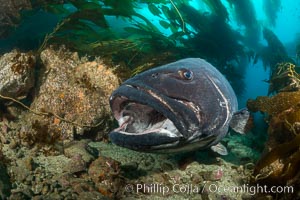
Giant black sea bass, endangered species, reaching up to 8' in length and 500 lbs, amid giant kelp forest.
Species: Giant black sea bass, Stereolepis gigas
Location: Catalina Island, California
Image ID: 33378
Species: Giant black sea bass, Stereolepis gigas
Location: Catalina Island, California
Image ID: 33378
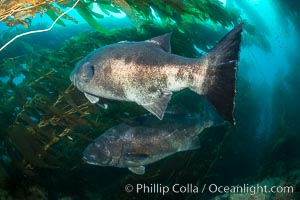
Giant black sea bass, gathering in a mating - courtship aggregation amid kelp forest, Catalina Island.
Species: Giant black sea bass, Stereolepis gigas
Location: Catalina Island, California
Image ID: 33379
Species: Giant black sea bass, Stereolepis gigas
Location: Catalina Island, California
Image ID: 33379
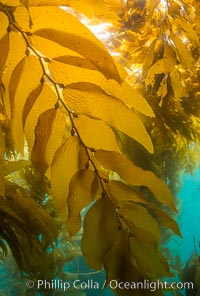
Giant kelp frond showing pneumatocysts. Small gas bladders -- pneumatocysts -- connect the kelp's stipes ("stems") to its blades ("leaves"). These bladders help elevate the kelp plant from the bottom, towards sunlight and the water's surface.
Species: Giant kelp, Macrocystis pyrifera
Location: Catalina Island, California
Image ID: 33439
Species: Giant kelp, Macrocystis pyrifera
Location: Catalina Island, California
Image ID: 33439
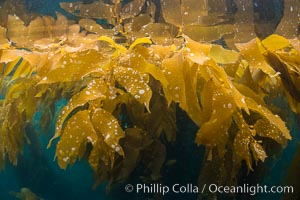
Giant kelp frond showing pneumatocysts. Small gas bladders -- pneumatocysts -- connect the kelp's stipes ("stems") to its blades ("leaves"). These bladders help elevate the kelp plant from the bottom, towards sunlight and the water's surface.
Species: Giant kelp, Macrocystis pyrifera
Location: Catalina Island, California
Image ID: 33440
Species: Giant kelp, Macrocystis pyrifera
Location: Catalina Island, California
Image ID: 33440
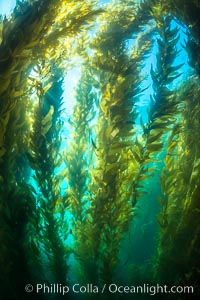
Sunlight streams through giant kelp forest. Giant kelp, the fastest growing plant on Earth, reaches from the rocky reef to the ocean's surface like a submarine forest.
Species: Giant kelp, Macrocystis pyrifera
Location: Catalina Island, California
Image ID: 33441
Species: Giant kelp, Macrocystis pyrifera
Location: Catalina Island, California
Image ID: 33441
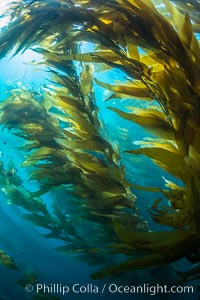
Sunlight streams through giant kelp forest. Giant kelp, the fastest growing plant on Earth, reaches from the rocky reef to the ocean's surface like a submarine forest.
Species: Giant kelp, Macrocystis pyrifera
Location: Catalina Island, California
Image ID: 33442
Species: Giant kelp, Macrocystis pyrifera
Location: Catalina Island, California
Image ID: 33442
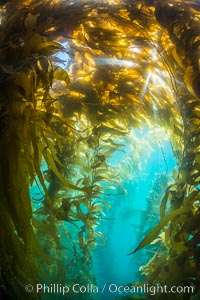
Sunlight streams through giant kelp forest. Giant kelp, the fastest growing plant on Earth, reaches from the rocky reef to the ocean's surface like a submarine forest.
Species: Giant kelp, Macrocystis pyrifera
Location: Catalina Island, California
Image ID: 33443
Species: Giant kelp, Macrocystis pyrifera
Location: Catalina Island, California
Image ID: 33443
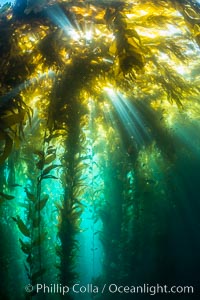
Sunlight streams through giant kelp forest. Giant kelp, the fastest growing plant on Earth, reaches from the rocky reef to the ocean's surface like a submarine forest.
Species: Giant kelp, Macrocystis pyrifera
Location: Catalina Island, California
Image ID: 33444
Species: Giant kelp, Macrocystis pyrifera
Location: Catalina Island, California
Image ID: 33444
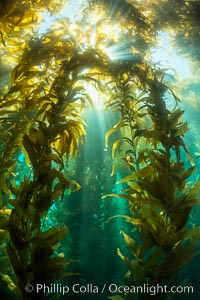
Sunlight streams through giant kelp forest. Giant kelp, the fastest growing plant on Earth, reaches from the rocky reef to the ocean's surface like a submarine forest.
Species: Giant kelp, Macrocystis pyrifera
Location: Catalina Island, California
Image ID: 33445
Species: Giant kelp, Macrocystis pyrifera
Location: Catalina Island, California
Image ID: 33445
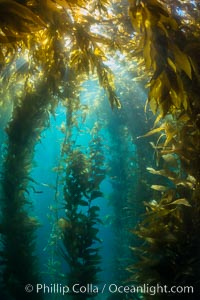
Sunlight streams through giant kelp forest. Giant kelp, the fastest growing plant on Earth, reaches from the rocky reef to the ocean's surface like a submarine forest.
Species: Giant kelp, Macrocystis pyrifera
Location: Catalina Island, California
Image ID: 33446
Species: Giant kelp, Macrocystis pyrifera
Location: Catalina Island, California
Image ID: 33446
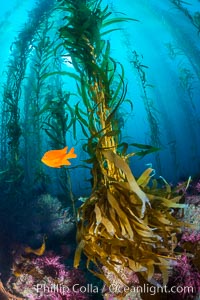
Kelp holdfast attaches the plant to the rocky reef on the oceans bottom. Kelp blades are visible above the holdfast, swaying in the current.
Species: Giant Kelp, Macrocystis pyrifera
Location: Catalina Island, California
Image ID: 34212
Species: Giant Kelp, Macrocystis pyrifera
Location: Catalina Island, California
Image ID: 34212
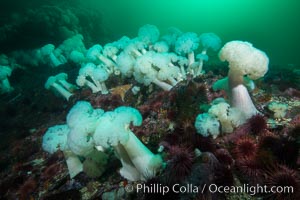
Giant Plumose Anemones cover underwater reef, Browning Pass, northern Vancouver Island, Canada.
Species: Giant plumose anemone, Metridium farcimen
Location: British Columbia, Canada
Image ID: 34344
Species: Giant plumose anemone, Metridium farcimen
Location: British Columbia, Canada
Image ID: 34344
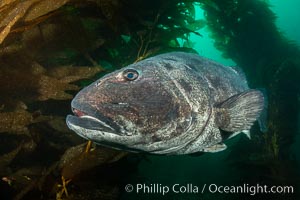
A giant black sea bass is an endangered species that can reach up to 8 feet in length and 500 pounds, often found amid the giant kelp forest, Once nearly fished to extinction and now thought to be at risk of a genetic bottleneck, the giant sea bass is slowly recovering and can be seen in summer months in California's kelp forests.
Species: Giant black sea bass, Stereolepis gigas
Location: Catalina Island, California
Image ID: 34616
Species: Giant black sea bass, Stereolepis gigas
Location: Catalina Island, California
Image ID: 34616
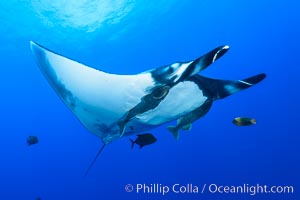
Giant Manta Ray at San Benedicto Island, Revillagigedos, Mexico.
Species: Giant manta ray, Manta birostris
Location: San Benedicto Island (Islas Revillagigedos), Baja California, Mexico
Image ID: 33281
Species: Giant manta ray, Manta birostris
Location: San Benedicto Island (Islas Revillagigedos), Baja California, Mexico
Image ID: 33281
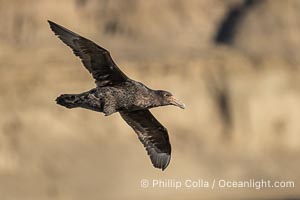
Southern giant petrel in flight, Macronectes giganteus, Peninsula Valdes, Argentina. This large seabird has a wingspan up to 80" from wing-tip to wing-tip. By permission of the Government of Argentina, Chubut, permit # 51 / 2025-SsCyA.
Species: Southern giant petrel, Macronectes giganteus
Location: Puerto Piramides, Chubut, Argentina
Image ID: 41206
Species: Southern giant petrel, Macronectes giganteus
Location: Puerto Piramides, Chubut, Argentina
Image ID: 41206
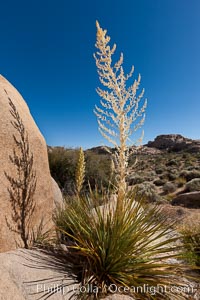
Parry's Nolina, or Giant Nolina, a flowering plant native to southern California and Arizona founds in deserts and mountains to 6200'. It can reach 6' in height with its flowering inflorescence reaching 12'.
Species: Parry's nolina, Nolina parryi
Location: Joshua Tree National Park, California
Image ID: 26725
Species: Parry's nolina, Nolina parryi
Location: Joshua Tree National Park, California
Image ID: 26725
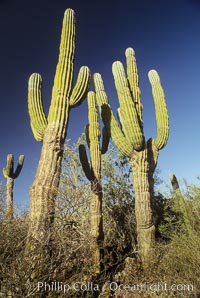
Cardon cactus, near La Paz, Baja California, Mexico. Known as the elephant cactus or Mexican giant cactus, cardon is largest cactus in the world and is endemic to the deserts of the Baja California peninsula. Some specimens of cardon have been measured over 21m (70) high. These slow-growing plants live up to 300 years and can weigh 25 tons. Cardon is often mistaken for the superficially similar saguaro of Arizona and Sonora, but the saguaro does not occupy Baja California.
Species: Cardon cactus, Elephant cactus, Pachycereus pringlei
Location: La Paz, Baja California, Mexico
Image ID: 05498
Species: Cardon cactus, Elephant cactus, Pachycereus pringlei
Location: La Paz, Baja California, Mexico
Image ID: 05498
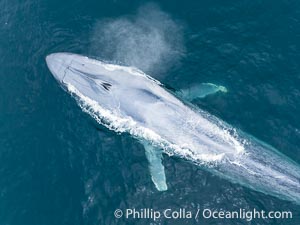
Aerial photo of blue whale exhalilng with a giant blow at the ocean surface near San Diego. This enormous blue whale glides at the surface of the ocean, resting and breathing before it dives to feed on subsurface krill.
Species: Blue whale, Balaenoptera musculus
Location: San Diego, California
Image ID: 39424
Species: Blue whale, Balaenoptera musculus
Location: San Diego, California
Image ID: 39424
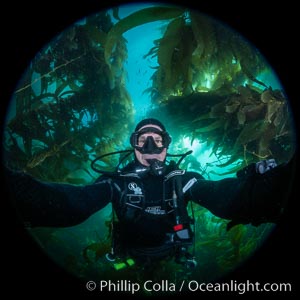
Selfie, giant kelp forest, Catalina Island.
Species: Giant kelp, Macrocystis pyrifera
Location: Catalina Island, California
Image ID: 37296
Species: Giant kelp, Macrocystis pyrifera
Location: Catalina Island, California
Image ID: 37296
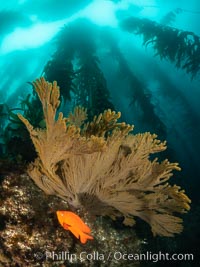
Garibaldi and golden gorgonian, with a underwater forest of giant kelp rising in the background, underwater.
Species: California golden gorgonian, Garibaldi, Hypsypops rubicundus, Muricea californica
Location: San Clemente Island, California
Image ID: 37097
Species: California golden gorgonian, Garibaldi, Hypsypops rubicundus, Muricea californica
Location: San Clemente Island, California
Image ID: 37097
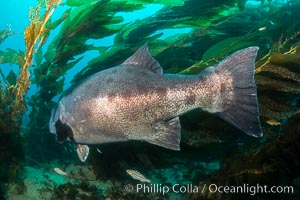
Giant black sea bass, endangered species, reaching up to 8' in length and 500 lbs, amid giant kelp forest.
Species: Giant black sea bass, Stereolepis gigas
Location: Catalina Island, California
Image ID: 33370
Species: Giant black sea bass, Stereolepis gigas
Location: Catalina Island, California
Image ID: 33370
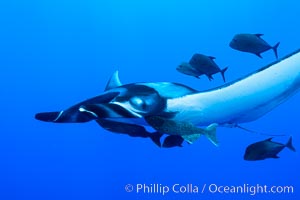
Giant Manta Ray at San Benedicto Island, Revillagigedos, Mexico.
Species: Giant manta ray, Manta birostris
Location: San Benedicto Island (Islas Revillagigedos), Baja California, Mexico
Image ID: 33277
Species: Giant manta ray, Manta birostris
Location: San Benedicto Island (Islas Revillagigedos), Baja California, Mexico
Image ID: 33277
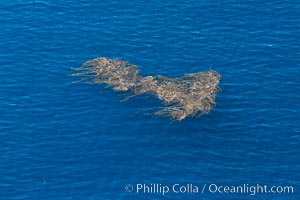
Drift kelp, a kelp paddy, floating patch of kelp on the open ocean which attracts marine life and forms of moving oasis of life, an open ocean habitat, aerial photo.
Species: Giant kelp, Macrocystis pyrifera
Location: California
Image ID: 29083
Species: Giant kelp, Macrocystis pyrifera
Location: California
Image ID: 29083
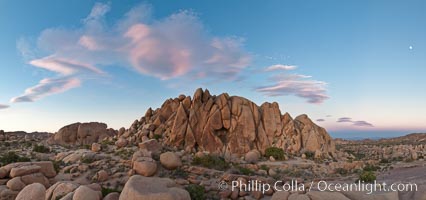
Sunset and boulders, Joshua Tree National Park. Sunset lights the giant boulders and rock formations near Jumbo Rocks in Joshua Tree N.P.
Location: Joshua Tree National Park, California
Image ID: 26734
Panorama dimensions: 5431 x 11571
Location: Joshua Tree National Park, California
Image ID: 26734
Panorama dimensions: 5431 x 11571
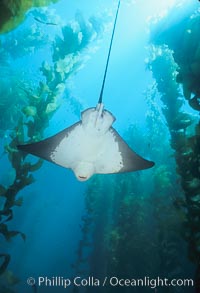
California bat ray in kelp forest.
Species: California Bat Ray, Giant Kelp, Macrocystis pyrifera, Myliobatis californica
Location: San Clemente Island, California
Image ID: 00267
Species: California Bat Ray, Giant Kelp, Macrocystis pyrifera, Myliobatis californica
Location: San Clemente Island, California
Image ID: 00267
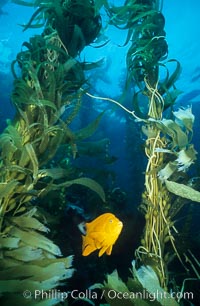
Garibaldi in kelp forest.
Species: Garibaldi, Giant Kelp, Hypsypops rubicundus, Macrocystis pyrifera
Location: San Clemente Island, California
Image ID: 01055
Species: Garibaldi, Giant Kelp, Hypsypops rubicundus, Macrocystis pyrifera
Location: San Clemente Island, California
Image ID: 01055