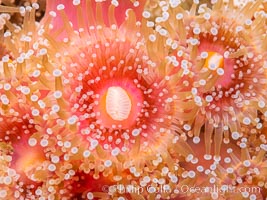
The corallimorph Corynactis californica, similar to both stony corals and anemones, is typified by a wide oral disk and short tentacles that radiate from the mouth. The tentacles grasp food passing by in ocean currents.
Species: Strawberry anemone, Corynactis californica
Location: San Diego, California
Image ID: 37211
Species: Strawberry anemone, Corynactis californica
Location: San Diego, California
Image ID: 37211
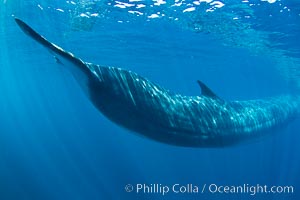
Fin whale underwater. The fin whale is the second longest and sixth most massive animal ever, reaching lengths of 88 feet.
Species: Fin whale, Balaenoptera physalus
Location: La Jolla, California
Image ID: 27113
Species: Fin whale, Balaenoptera physalus
Location: La Jolla, California
Image ID: 27113

Arc de Triomphe. The Arc de Triomphe (Arc de Triomphe de l'Etoile) is one of the most famous monuments in Paris. It stands in the centre of the Place Charles de Gaulle (originally named Place de l'Etoile), at the western end of the Champs-Elysees. The Arc de Triomphe (in English: "Triumphal Arch") honors those who fought and died for France in the French Revolutionary and the Napoleonic Wars, with the names of all French victories and generals inscribed on its inner and outer surfaces. Beneath its vault lies the Tomb of the Unknown Soldier from World War I. The monument was designed by Jean Chalgrin in 1806, and its iconographic program pitted heroically nude French youths against bearded Germanic warriors in chain mail. It set the tone for public monuments, with triumphant patriotic messages. The monument stands 50 metres (164 ft) in height, 45 m (148 ft) wide and 22 m (72 ft) deep.
Location: Arc de Triomphe, Paris, France
Image ID: 28083
Location: Arc de Triomphe, Paris, France
Image ID: 28083
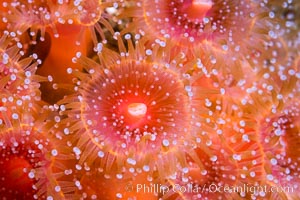
The corallimorph Corynactis californica, similar to both stony corals and anemones, is typified by a wide oral disk and short tentacles that radiate from the mouth. The tentacles grasp food passing by in ocean currents.
Species: Strawberry anemone, Corynactis californica
Location: San Diego, California
Image ID: 37200
Species: Strawberry anemone, Corynactis californica
Location: San Diego, California
Image ID: 37200
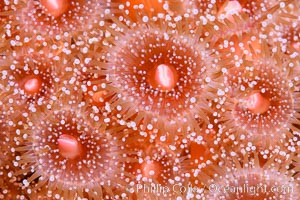
Corynactis anemone polyp, a corallimorph, extends its arms into passing ocean currents to catch food.
Species: Strawberry anemone, Corynactis californica
Location: San Diego, California
Image ID: 33477
Species: Strawberry anemone, Corynactis californica
Location: San Diego, California
Image ID: 33477
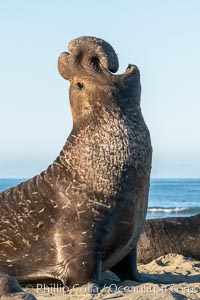
Bull elephant seal, adult male, bellowing. Its huge proboscis is characteristic of male elephant seals. Scarring from combat with other males.
Species: Elephant seal, Mirounga angustirostris
Location: Piedras Blancas, San Simeon, California
Image ID: 35147
Species: Elephant seal, Mirounga angustirostris
Location: Piedras Blancas, San Simeon, California
Image ID: 35147
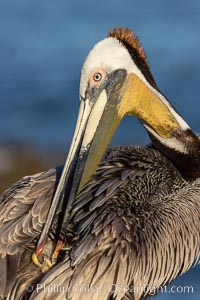
A brown pelican preening, reaching with its beak to the uropygial gland (preen gland) near the base of its tail. Preen oil from the uropygial gland is spread by the pelican's beak and back of its head to all other feathers on the pelican, helping to keep them water resistant and dry. Note the yellow throat of this individual, different than the more typical red throat.
Species: Brown Pelican, Pelecanus occidentalis, Pelecanus occidentalis californicus
Location: La Jolla, California
Image ID: 36844
Species: Brown Pelican, Pelecanus occidentalis, Pelecanus occidentalis californicus
Location: La Jolla, California
Image ID: 36844
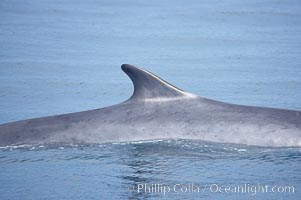
Fin whale dorsal fin. The fin whale is named for its tall, falcate dorsal fin. Mariners often refer to them as finback whales. Coronado Islands, Mexico (northern Baja California, near San Diego).
Species: Fin whale, Balaenoptera physalus
Location: Coronado Islands (Islas Coronado), Baja California, Mexico
Image ID: 12769
Species: Fin whale, Balaenoptera physalus
Location: Coronado Islands (Islas Coronado), Baja California, Mexico
Image ID: 12769
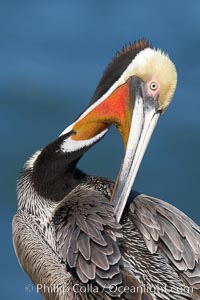
A brown pelican preening, reaching with its beak to the uropygial gland (preen gland) near the base of its tail. Preen oil from the uropygial gland is spread by the pelican's beak and back of its head to all other feathers on the pelican, helping to keep them water resistant and dry. Note adult winter breeding plumage in display, with brown neck, red gular throat pouch and yellow and white head.
Species: Brown Pelican, Pelecanus occidentalis, Pelecanus occidentalis californicus
Location: La Jolla, California
Image ID: 20295
Species: Brown Pelican, Pelecanus occidentalis, Pelecanus occidentalis californicus
Location: La Jolla, California
Image ID: 20295
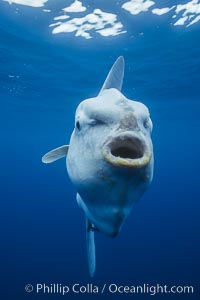
Ocean sunfish (Mola mola) with mouth wide open for slurping zooplankton, open ocean.
Species: Ocean sunfish, Mola mola
Location: San Diego, California
Image ID: 03319
Species: Ocean sunfish, Mola mola
Location: San Diego, California
Image ID: 03319
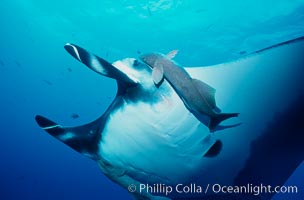
Manta ray and remora.
Species: Giant manta ray, Manta birostris, Remora
Location: San Benedicto Island (Islas Revillagigedos), Baja California, Mexico
Image ID: 02456
Species: Giant manta ray, Manta birostris, Remora
Location: San Benedicto Island (Islas Revillagigedos), Baja California, Mexico
Image ID: 02456
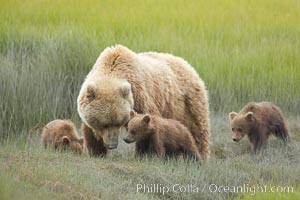
Brown bear female sow with spring cubs. These three cubs were born earlier in the spring and will remain with their mother for almost two years, relying on her completely for their survival.
Species: Brown bear, Ursus arctos
Location: Lake Clark National Park, Alaska
Image ID: 19181
Species: Brown bear, Ursus arctos
Location: Lake Clark National Park, Alaska
Image ID: 19181
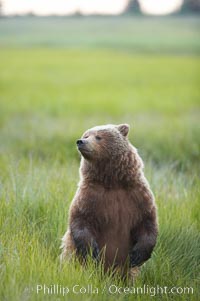
Young brown bear stands in tall sedge grass to get a better view of other approaching bears.
Species: Brown bear, Ursus arctos
Location: Lake Clark National Park, Alaska
Image ID: 19212
Species: Brown bear, Ursus arctos
Location: Lake Clark National Park, Alaska
Image ID: 19212
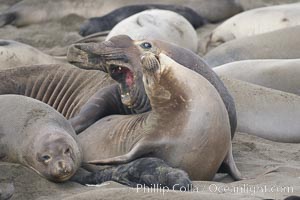
A bull elephant seal forceably mates (copulates) with a much smaller female, often biting her into submission and using his weight to keep her from fleeing. Males may up to 5000 lbs, triple the size of females. Sandy beach rookery, winter, Central California.
Species: Elephant seal, Mirounga angustirostris
Location: Piedras Blancas, San Simeon, California
Image ID: 20388
Species: Elephant seal, Mirounga angustirostris
Location: Piedras Blancas, San Simeon, California
Image ID: 20388
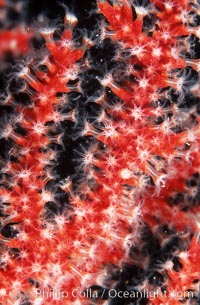
Red gorgonian polyps. The red gorgonian is a colonial organism composed of thousands of tiny polyps. Each polyp secretes calcium which accumulates to form the structure of the colony. The fan-shaped gorgonian is oriented perpendicular to prevailing ocean currents to better enable to filter-feeding polyps to capture passing plankton and detritus passing by.
Species: Red gorgonian, Leptogorgia chilensis, Lophogorgia chilensis
Location: San Clemente Island, California
Image ID: 03480
Species: Red gorgonian, Leptogorgia chilensis, Lophogorgia chilensis
Location: San Clemente Island, California
Image ID: 03480
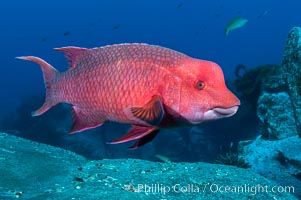
Mexican hogfish, adult male showing fleshy bump on head.
Species: Mexican hogfish, Bodianus diplotaenia
Location: Guadalupe Island (Isla Guadalupe), Baja California, Mexico
Image ID: 09606
Species: Mexican hogfish, Bodianus diplotaenia
Location: Guadalupe Island (Isla Guadalupe), Baja California, Mexico
Image ID: 09606
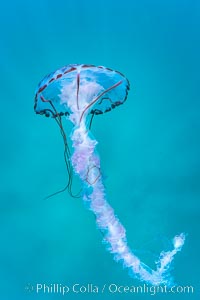
Purple-striped jellyfish, Coronado Islands, Mexico.
Species: Purple-striped Jellyfish, Chrysaora colorata
Location: Coronado Islands (Islas Coronado), Baja California, Mexico
Image ID: 37050
Species: Purple-striped Jellyfish, Chrysaora colorata
Location: Coronado Islands (Islas Coronado), Baja California, Mexico
Image ID: 37050
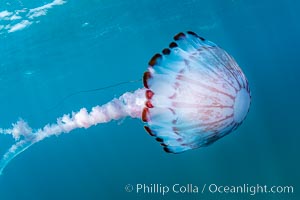
Purple-striped jellyfish, Coronado Islands, Mexico.
Species: Purple-striped Jellyfish, Chrysaora colorata
Location: Coronado Islands (Islas Coronado), Baja California, Mexico
Image ID: 37051
Species: Purple-striped Jellyfish, Chrysaora colorata
Location: Coronado Islands (Islas Coronado), Baja California, Mexico
Image ID: 37051
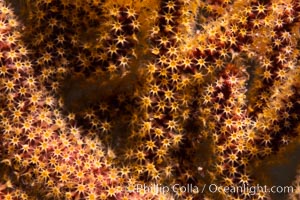
California Golden gorgonian polyps. The golden gorgonian is a colonial organism composed of thousands of tiny polyps. Each polyp secretes calcium which accumulates to form the structure of the colony. The fan-shaped gorgonian is oriented perpendicular to prevailing ocean currents to better enable to filter-feeding polyps to capture passing plankton and detritus passing by.
Species: California Golden Gorgonian, Muricea californica
Location: San Diego, California
Image ID: 37205
Species: California Golden Gorgonian, Muricea californica
Location: San Diego, California
Image ID: 37205
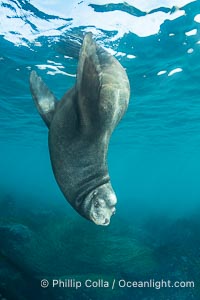
Huge California Sea Lion Male Underwater, a bull, patrolling his breeding harem and territory, Coronado Islands, Mexico. His sagittal crest, the bony bump on his head that distinguishes adult male sea lions, is clearly seen. This particular sea lion bears an orange tag on his left foreflipper, probably as a result of rescue and release as a young sea lion years earlier.
Species: California sea lion, Zalophus californianus
Location: Coronado Islands (Islas Coronado), Baja California, Mexico
Image ID: 38650
Species: California sea lion, Zalophus californianus
Location: Coronado Islands (Islas Coronado), Baja California, Mexico
Image ID: 38650
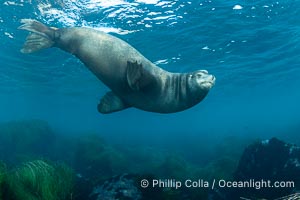
Huge California Sea Lion Male Underwater, a bull, patrolling his breeding harem and territory, Coronado Islands, Mexico. His sagittal crest, the bony bump on his head that distinguishes adult male sea lions, is clearly seen. This particular sea lion bears an orange tag on his left foreflipper, probably as a result of rescue and release as a young sea lion years earlier.
Species: California sea lion, Zalophus californianus
Location: Coronado Islands (Islas Coronado), Baja California, Mexico
Image ID: 38651
Species: California sea lion, Zalophus californianus
Location: Coronado Islands (Islas Coronado), Baja California, Mexico
Image ID: 38651
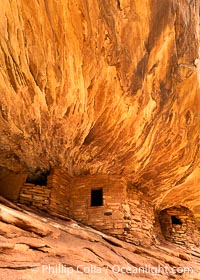
House on Fire Ruin in Mule Canyon, Utah. Part of the Bears Ears National Monument, House on Fire Ruin is an ancestral Puebloan ruin that appears to burst into flames when reflected sunlight hits the ceiling above the ruin.
Location: Bears Ears National Monument, Utah
Image ID: 39372
Location: Bears Ears National Monument, Utah
Image ID: 39372
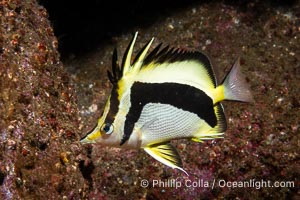
Scythe-mark butterflyfish, Prognathodes falcifer, Catalina Island.
Species: Scythe-mark butterflyfish, Prognathodes falcifer
Location: Catalina Island, California
Image ID: 40517
Species: Scythe-mark butterflyfish, Prognathodes falcifer
Location: Catalina Island, California
Image ID: 40517
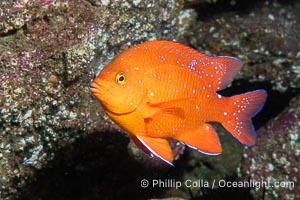
Juvenile garibaldi, vibrant spots distinguish it from pure orange adult form.
Species: Garibaldi, Hypsypops rubicundus
Location: Catalina Island, California
Image ID: 40528
Species: Garibaldi, Hypsypops rubicundus
Location: Catalina Island, California
Image ID: 40528
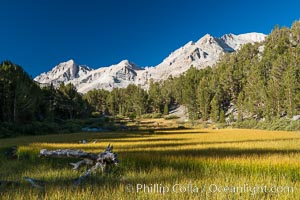
Meadow and Sierra Nevada peak Bear Creek Spire at sunrise, Little Lakes Valley, John Muir Wilderness, Inyo National Forest.
Location: Little Lakes Valley, Inyo National Forest, California
Image ID: 31176
Location: Little Lakes Valley, Inyo National Forest, California
Image ID: 31176
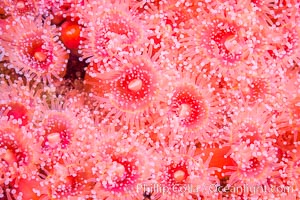
A corynactis anemone polyp, Corynactis californica is a corallimorph found in genetically identical clusters, club-tipped anemone.
Species: Strawberry anemone, Corynactis californica
Location: San Diego, California
Image ID: 33457
Species: Strawberry anemone, Corynactis californica
Location: San Diego, California
Image ID: 33457
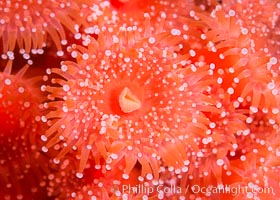
A corynactis anemone polyp, Corynactis californica is a corallimorph found in genetically identical clusters, club-tipped anemone.
Species: Strawberry anemone, Corynactis californica
Location: San Diego, California
Image ID: 33461
Species: Strawberry anemone, Corynactis californica
Location: San Diego, California
Image ID: 33461
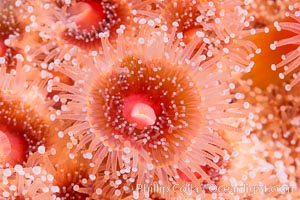
A corynactis anemone polyp, Corynactis californica is a corallimorph found in genetically identical clusters, club-tipped anemone.
Species: Strawberry anemone, Corynactis californica
Location: San Diego, California
Image ID: 33462
Species: Strawberry anemone, Corynactis californica
Location: San Diego, California
Image ID: 33462
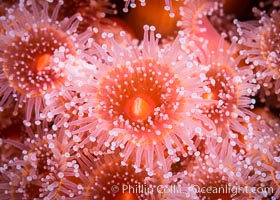
A corynactis anemone polyp, Corynactis californica is a corallimorph found in genetically identical clusters, club-tipped anemone.
Species: Strawberry anemone, Corynactis californica
Location: San Diego, California
Image ID: 33463
Species: Strawberry anemone, Corynactis californica
Location: San Diego, California
Image ID: 33463
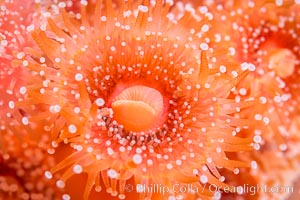
A corynactis anemone polyp, Corynactis californica is a corallimorph found in genetically identical clusters, club-tipped anemone.
Species: Strawberry anemone, Corynactis californica
Location: San Diego, California
Image ID: 33464
Species: Strawberry anemone, Corynactis californica
Location: San Diego, California
Image ID: 33464