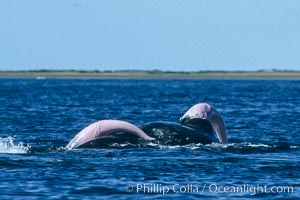
Gray whales, two males both with extended penis during courtship socialization, Laguna San Ignacio.
Species: Gray whale, Eschrichtius robustus
Location: San Ignacio Lagoon, Baja California, Mexico
Image ID: 06431
Species: Gray whale, Eschrichtius robustus
Location: San Ignacio Lagoon, Baja California, Mexico
Image ID: 06431
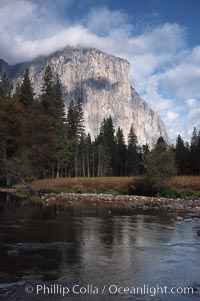
El Capitan and Merced River, Yosemite Valley.
Location: El Capitan, Yosemite National Park, California
Image ID: 05413
Location: El Capitan, Yosemite National Park, California
Image ID: 05413
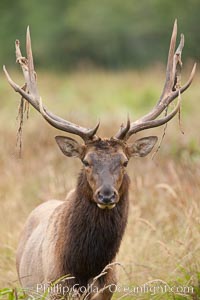
Roosevelt elk, adult bull male with large antlers. This bull elk has recently shed the velvet that covers its antlers. While an antler is growing, it is covered with highly vascular skin called velvet, which supplies oxygen and nutrients to the growing bone; once the antler has achieved its full size, the velvet is lost and the antler's bone dies. This dead bone structure is the mature antler, which is itself shed after each mating season. Roosevelt elk grow to 10' and 1300 lb, eating grasses, sedges and various berries, inhabiting the coastal rainforests of the Pacific Northwest.
Species: Roosevelt elk, Cervus canadensis roosevelti
Location: Redwood National Park, California
Image ID: 25890
Species: Roosevelt elk, Cervus canadensis roosevelti
Location: Redwood National Park, California
Image ID: 25890
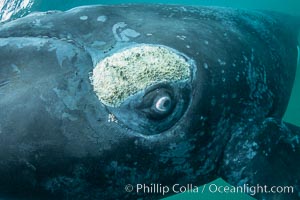
Southern right whale underwater, Eubalaena australis, Argentina.
Species: Southern right whale, Eubalaena australis
Location: Puerto Piramides, Chubut, Argentina
Image ID: 35917
Species: Southern right whale, Eubalaena australis
Location: Puerto Piramides, Chubut, Argentina
Image ID: 35917
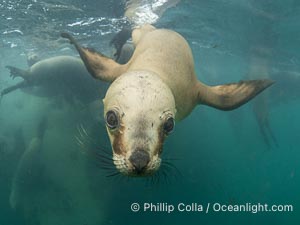
South American sea lion underwater, Otaria flavescens, Patagonia, Argentina. By permission of the Government of Argentina, Chubut, permit # 51 / 2025-SsCyA.
Species: South American Sea Lion, Otaria flavescens
Location: Puerto Piramides, Chubut, Argentina
Image ID: 41229
Species: South American Sea Lion, Otaria flavescens
Location: Puerto Piramides, Chubut, Argentina
Image ID: 41229
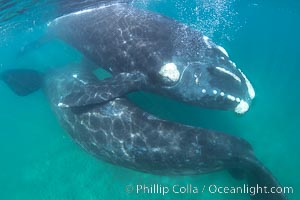
Courting pair of southern right whales underwater, Eubalaena australis. In this image, the male is below and inverted (belly up) and the female is at the surface. While the posture in this photo isn't quite mating, it is a courting behavior that often precedes mating.
Species: Southern Right Whale, Eubalaena australis
Location: Puerto Piramides, Chubut, Argentina
Image ID: 38295
Species: Southern Right Whale, Eubalaena australis
Location: Puerto Piramides, Chubut, Argentina
Image ID: 38295
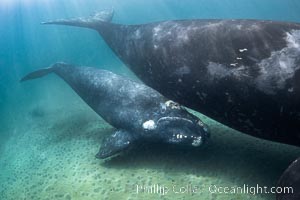
Southern right whale mother and calf underwater, Eubalaena australis.
Species: Southern Right Whale, Eubalaena australis
Location: Puerto Piramides, Chubut, Argentina
Image ID: 38305
Species: Southern Right Whale, Eubalaena australis
Location: Puerto Piramides, Chubut, Argentina
Image ID: 38305

Yosemite Valley and stars lit by full moon, evening.
Location: Yosemite National Park, California
Image ID: 28697
Location: Yosemite National Park, California
Image ID: 28697

Yosemite Valley and stars lit by full moon, evening.
Location: Yosemite National Park, California
Image ID: 28702
Location: Yosemite National Park, California
Image ID: 28702
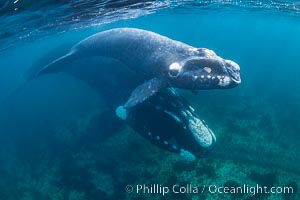
Southern right whale mother and calf underwater, Eubalaena australis.
Species: Southern Right Whale, Eubalaena australis
Location: Puerto Piramides, Chubut, Argentina
Image ID: 38310
Species: Southern Right Whale, Eubalaena australis
Location: Puerto Piramides, Chubut, Argentina
Image ID: 38310
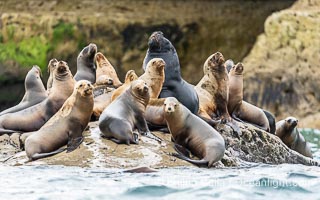
South American Sea Lion, Otaria flavescens, Golfo Nuevo, Peninsula Valdes, Chubut, Argentina. By permission of the Government of Argentina, Chubut, permit # 51 / 2025-SsCyA.
Species: South American Sea Lion, Otaria flavescens
Location: Puerto Piramides, Chubut, Argentina
Image ID: 41208
Species: South American Sea Lion, Otaria flavescens
Location: Puerto Piramides, Chubut, Argentina
Image ID: 41208
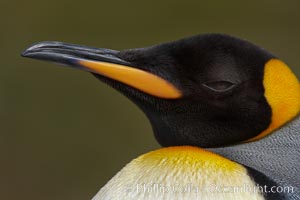
King penguin, showing ornate and distinctive neck, breast and head plumage and orange beak.
Species: King penguin, Aptenodytes patagonicus
Location: Fortuna Bay, South Georgia Island
Image ID: 24581
Species: King penguin, Aptenodytes patagonicus
Location: Fortuna Bay, South Georgia Island
Image ID: 24581
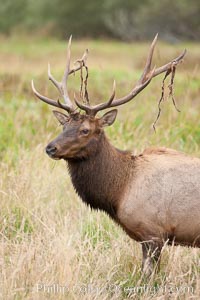
Roosevelt elk, adult bull male with large antlers. This bull elk has recently shed the velvet that covers its antlers. While an antler is growing, it is covered with highly vascular skin called velvet, which supplies oxygen and nutrients to the growing bone; once the antler has achieved its full size, the velvet is lost and the antler's bone dies. This dead bone structure is the mature antler, which is itself shed after each mating season. Roosevelt elk grow to 10' and 1300 lb, eating grasses, sedges and various berries, inhabiting the coastal rainforests of the Pacific Northwest.
Species: Roosevelt elk, Cervus canadensis roosevelti
Location: Redwood National Park, California
Image ID: 25878
Species: Roosevelt elk, Cervus canadensis roosevelti
Location: Redwood National Park, California
Image ID: 25878
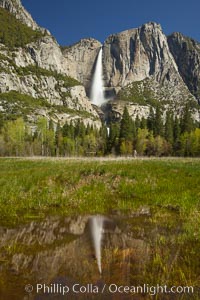
Yosemite Falls reflected in a meadow pool, spring.
Location: Yosemite Falls, Yosemite National Park, California
Image ID: 27745
Location: Yosemite Falls, Yosemite National Park, California
Image ID: 27745
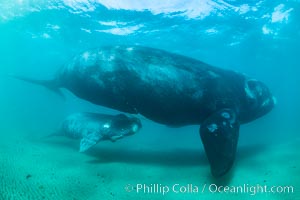
Southern right whale mother and calf, Eubalaena australis, Argentina.
Species: Southern right whale, Eubalaena australis
Location: Puerto Piramides, Chubut, Argentina
Image ID: 35918
Species: Southern right whale, Eubalaena australis
Location: Puerto Piramides, Chubut, Argentina
Image ID: 35918
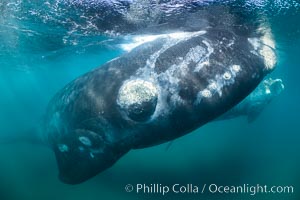
Inquisitive southern right whale underwater, Eubalaena australis, closely approaches cameraman, Argentina.
Species: Southern right whale, Eubalaena australis
Location: Puerto Piramides, Chubut, Argentina
Image ID: 35951
Species: Southern right whale, Eubalaena australis
Location: Puerto Piramides, Chubut, Argentina
Image ID: 35951
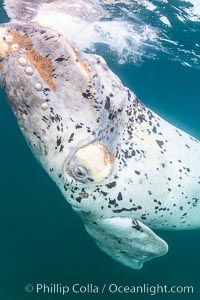
White southern right whale calf underwater, Eubalaena australis, Argentina.
Species: Southern right whale, Eubalaena australis
Location: Puerto Piramides, Chubut, Argentina
Image ID: 35952
Species: Southern right whale, Eubalaena australis
Location: Puerto Piramides, Chubut, Argentina
Image ID: 35952
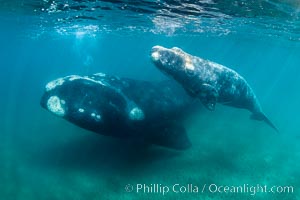
Southern right whale mother and calf underwater, Eubalaena australis, Argentina.
Species: Southern right whale, Eubalaena australis
Location: Puerto Piramides, Chubut, Argentina
Image ID: 35953
Species: Southern right whale, Eubalaena australis
Location: Puerto Piramides, Chubut, Argentina
Image ID: 35953
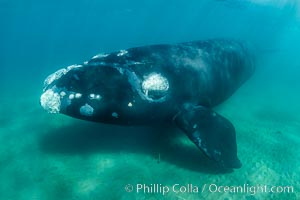
Inquisitive southern right whale underwater, Eubalaena australis, closely approaches cameraman, Argentina.
Species: Southern right whale, Eubalaena australis
Location: Puerto Piramides, Chubut, Argentina
Image ID: 35954
Species: Southern right whale, Eubalaena australis
Location: Puerto Piramides, Chubut, Argentina
Image ID: 35954
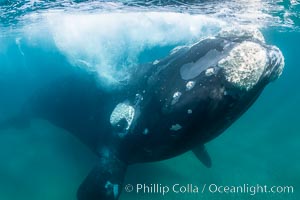
Inquisitive southern right whale underwater, Eubalaena australis, closely approaches cameraman, Argentina.
Species: Southern right whale, Eubalaena australis
Location: Puerto Piramides, Chubut, Argentina
Image ID: 35955
Species: Southern right whale, Eubalaena australis
Location: Puerto Piramides, Chubut, Argentina
Image ID: 35955
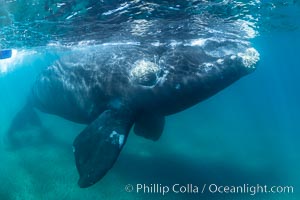
Inquisitive southern right whale underwater, Eubalaena australis, closely approaches cameraman, Argentina.
Species: Southern right whale, Eubalaena australis
Location: Puerto Piramides, Chubut, Argentina
Image ID: 35956
Species: Southern right whale, Eubalaena australis
Location: Puerto Piramides, Chubut, Argentina
Image ID: 35956
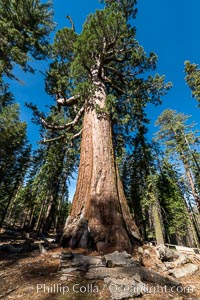
The Grizzly Giant Sequoia Tree in Yosemite. Giant sequoia trees (Sequoiadendron giganteum), roots spreading outward at the base of each massive tree, rise from the shaded forest floor. Mariposa Grove, Yosemite National Park.
Location: Mariposa Grove, Yosemite National Park, California
Image ID: 36401
Location: Mariposa Grove, Yosemite National Park, California
Image ID: 36401
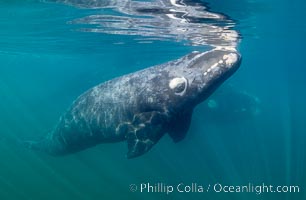
Southern right whale calf underwater, Eubalaena australis.
Species: Southern Right Whale, Eubalaena australis
Location: Puerto Piramides, Chubut, Argentina
Image ID: 38260
Species: Southern Right Whale, Eubalaena australis
Location: Puerto Piramides, Chubut, Argentina
Image ID: 38260
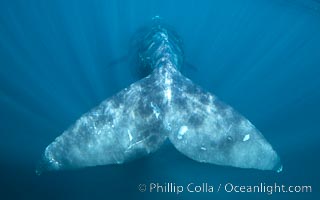
Southern right whale fluke tail, underwater.
Species: Southern Right Whale, Eubalaena australis
Location: Puerto Piramides, Chubut, Argentina
Image ID: 38262
Species: Southern Right Whale, Eubalaena australis
Location: Puerto Piramides, Chubut, Argentina
Image ID: 38262
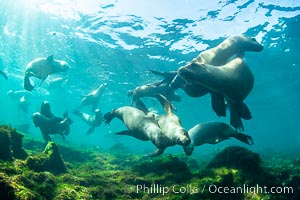
South American sea lions underwater, Otaria flavescens, Patagonia, Argentina.
Species: South American Sea Lion, Otaria flavescens
Location: Puerto Piramides, Chubut, Argentina
Image ID: 38267
Species: South American Sea Lion, Otaria flavescens
Location: Puerto Piramides, Chubut, Argentina
Image ID: 38267
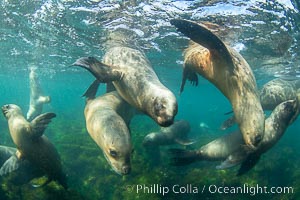
South American sea lions underwater, Otaria flavescens, Patagonia, Argentina.
Species: South American Sea Lion, Otaria flavescens
Location: Puerto Piramides, Chubut, Argentina
Image ID: 38268
Species: South American Sea Lion, Otaria flavescens
Location: Puerto Piramides, Chubut, Argentina
Image ID: 38268
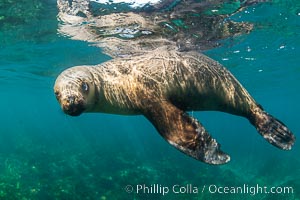
South American sea lion underwater, Otaria flavescens, Patagonia, Argentina.
Species: South American Sea Lion, Otaria flavescens
Location: Puerto Piramides, Chubut, Argentina
Image ID: 38271
Species: South American Sea Lion, Otaria flavescens
Location: Puerto Piramides, Chubut, Argentina
Image ID: 38271
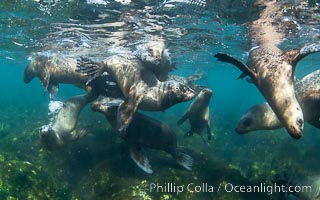
South American sea lions underwater, Otaria flavescens, Patagonia, Argentina.
Species: South American Sea Lion, Otaria flavescens
Location: Puerto Piramides, Chubut, Argentina
Image ID: 38272
Species: South American Sea Lion, Otaria flavescens
Location: Puerto Piramides, Chubut, Argentina
Image ID: 38272
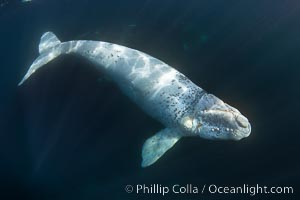
White southern right whale calf underwater, Eubalaena australis. About five per cent of southern right whales are born white due to a condition known as grey morphism and will gradually turn dark as they age. They are not albino (which is a complete lack of pigmentation). Sometimes referred to as "brindled", the white coloration is a recessive genetic trait and only lasts a few months. Typically, but not always, white calves will become much darker as they mature but will still be somewhat lighter than normal even as adults.
Species: Southern Right Whale, Eubalaena australis
Location: Puerto Piramides, Chubut, Argentina
Image ID: 38276
Species: Southern Right Whale, Eubalaena australis
Location: Puerto Piramides, Chubut, Argentina
Image ID: 38276
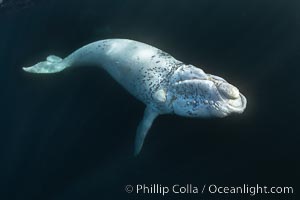
White southern right whale calf underwater, Eubalaena australis. About five per cent of southern right whales are born white due to a condition known as grey morphism and will gradually turn dark as they age. They are not albino (which is a complete lack of pigmentation). Sometimes referred to as "brindled", the white coloration is a recessive genetic trait and only lasts a few months. Typically, but not always, white calves will become much darker as they mature but will still be somewhat lighter than normal even as adults.
Species: Southern Right Whale, Eubalaena australis
Location: Puerto Piramides, Chubut, Argentina
Image ID: 38277
Species: Southern Right Whale, Eubalaena australis
Location: Puerto Piramides, Chubut, Argentina
Image ID: 38277