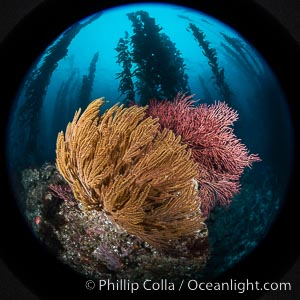
Garibaldi and California golden gorgonian on underwater rocky reef, San Clemente Island. The golden gorgonian is a filter-feeding temperate colonial species that lives on the rocky bottom at depths between 50 to 200 feet deep. Each individual polyp is a distinct animal, together they secrete calcium that forms the structure of the colony. Gorgonians are oriented at right angles to prevailing water currents to capture plankton drifting by.
Species: California Golden Gorgonian, Giant Kelp, Garibaldi, Muricea californica, Macrocystis pyrifera, Hypsypops rubicundus
Location: San Clemente Island, California
Image ID: 38504
Species: California Golden Gorgonian, Giant Kelp, Garibaldi, Muricea californica, Macrocystis pyrifera, Hypsypops rubicundus
Location: San Clemente Island, California
Image ID: 38504
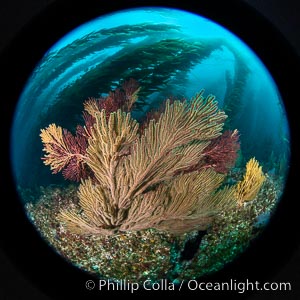
Garibaldi and California golden gorgonian on underwater rocky reef, San Clemente Island. The golden gorgonian is a filter-feeding temperate colonial species that lives on the rocky bottom at depths between 50 to 200 feet deep. Each individual polyp is a distinct animal, together they secrete calcium that forms the structure of the colony. Gorgonians are oriented at right angles to prevailing water currents to capture plankton drifting by.
Species: California Golden Gorgonian, Giant Kelp, Garibaldi, Muricea californica, Macrocystis pyrifera, Hypsypops rubicundus
Location: San Clemente Island, California
Image ID: 38509
Species: California Golden Gorgonian, Giant Kelp, Garibaldi, Muricea californica, Macrocystis pyrifera, Hypsypops rubicundus
Location: San Clemente Island, California
Image ID: 38509
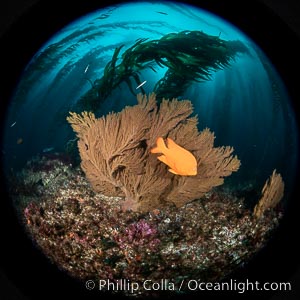
Garibaldi and California golden gorgonian on underwater rocky reef, San Clemente Island. The golden gorgonian is a filter-feeding temperate colonial species that lives on the rocky bottom at depths between 50 to 200 feet deep. Each individual polyp is a distinct animal, together they secrete calcium that forms the structure of the colony. Gorgonians are oriented at right angles to prevailing water currents to capture plankton drifting by.
Species: California golden gorgonian, Giant kelp, Garibaldi, Muricea californica, Macrocystis pyrifera, Hypsypops rubicundus
Location: San Clemente Island, California
Image ID: 38510
Species: California golden gorgonian, Giant kelp, Garibaldi, Muricea californica, Macrocystis pyrifera, Hypsypops rubicundus
Location: San Clemente Island, California
Image ID: 38510
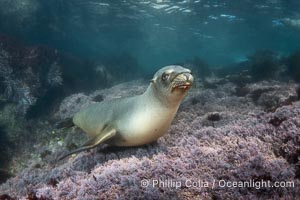
A beautiful golden-brown female California Sea Lion at the Coronado Islands, posing on a carpet of purple marine algae, Baja California, Mexico.
Species: California sea lion, Zalophus californianus
Location: Coronado Islands (Islas Coronado), Baja California, Mexico
Image ID: 38566
Species: California sea lion, Zalophus californianus
Location: Coronado Islands (Islas Coronado), Baja California, Mexico
Image ID: 38566
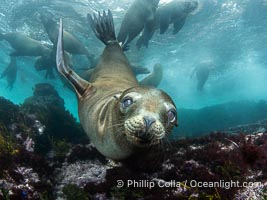
Inquisitive young California sea lion underwater, this is a pup-of-the-year born in June and only about five months old, Coronado Islands near San Diego, Baja California, Mexico.
Species: California sea lion, Zalophus californianus
Location: Coronado Islands (Islas Coronado), Baja California, Mexico
Image ID: 40681
Species: California sea lion, Zalophus californianus
Location: Coronado Islands (Islas Coronado), Baja California, Mexico
Image ID: 40681
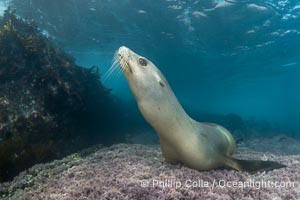
A beautiful golden-brown female California Sea Lion at the Coronado Islands, posing on a carpet of purple marine algae, Baja California, Mexico.
Species: California sea lion, Zalophus californianus
Location: Coronado Islands (Islas Coronado), Baja California, Mexico
Image ID: 40740
Species: California sea lion, Zalophus californianus
Location: Coronado Islands (Islas Coronado), Baja California, Mexico
Image ID: 40740
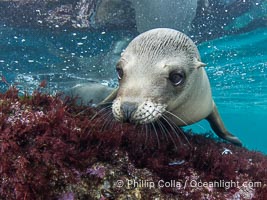
Inquisitive young California sea lion underwater, this is a pup-of-the-year born in June and only about five months old, Coronado Islands near San Diego, Baja California, Mexico.
Species: California sea lion, Zalophus californianus
Location: Coronado Islands (Islas Coronado), Baja California, Mexico
Image ID: 40765
Species: California sea lion, Zalophus californianus
Location: Coronado Islands (Islas Coronado), Baja California, Mexico
Image ID: 40765
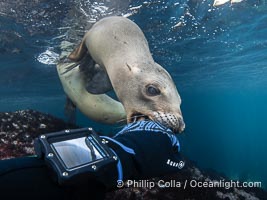
Inquisitive young California sea lion underwater inspects my glove by gently mouthing it. This is a pup-of-the-year born in June and only about five months old. Sea lions are tactile creatures and learn about objects and their surroundings by biting on them. Coronado Islands near San Diego, Baja California, Mexico.
Species: California sea lion, Zalophus californianus
Location: Coronado Islands (Islas Coronado), Baja California, Mexico
Image ID: 40767
Species: California sea lion, Zalophus californianus
Location: Coronado Islands (Islas Coronado), Baja California, Mexico
Image ID: 40767
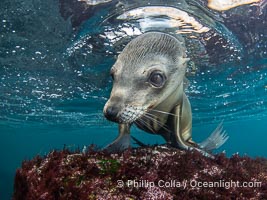
Inquisitive young California sea lion underwater, this is a pup-of-the-year born in June and only about five months old, Coronado Islands near San Diego, Baja California, Mexico.
Species: California sea lion, Zalophus californianus
Location: Coronado Islands (Islas Coronado), Baja California, Mexico
Image ID: 40770
Species: California sea lion, Zalophus californianus
Location: Coronado Islands (Islas Coronado), Baja California, Mexico
Image ID: 40770
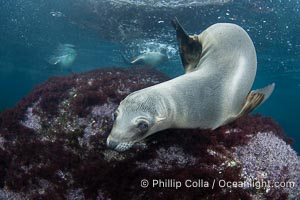
Inquisitive young California sea lion underwater, this is a pup-of-the-year born in June and only about five months old, Coronado Islands near San Diego, Baja California, Mexico.
Species: California sea lion, Zalophus californianus
Location: Coronado Islands (Islas Coronado), Baja California, Mexico
Image ID: 40772
Species: California sea lion, Zalophus californianus
Location: Coronado Islands (Islas Coronado), Baja California, Mexico
Image ID: 40772
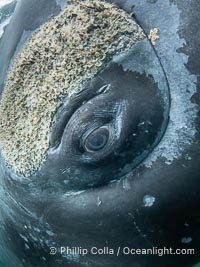
Closeup underwater view of a Southern right whale eyeball, Eubalaena australis. Whale lice can be seen clearly in the folds and crevices around the whales eye and lip groove. By permission of the Government of Argentina, Chubut, permit # 51 / 2025-SsCyA.
Species: Southern Right Whale, Eubalaena australis
Location: Puerto Piramides, Chubut, Argentina
Image ID: 41216
Species: Southern Right Whale, Eubalaena australis
Location: Puerto Piramides, Chubut, Argentina
Image ID: 41216
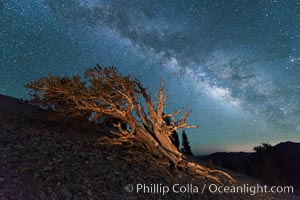
Milky Way over Ancient Bristlecone Pine Trees, Inyo National Forest.
Species: Bristlecone pine, Pinus longaeva
Location: Ancient Bristlecone Pine Forest, White Mountains, Inyo National Forest, California
Image ID: 29319
Species: Bristlecone pine, Pinus longaeva
Location: Ancient Bristlecone Pine Forest, White Mountains, Inyo National Forest, California
Image ID: 29319
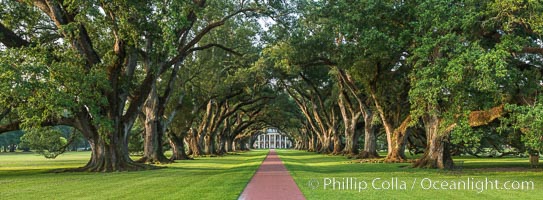
Oak Alley Plantation and its famous shaded tunnel of 300-year-old southern live oak trees (Quercus virginiana). The plantation is now designated as a National Historic Landmark.
Species: Southern live oak, Quercus virginiana
Location: Oak Alley Plantation, Vacherie, Louisiana
Image ID: 31018
Panorama dimensions: 6564 x 17803
Species: Southern live oak, Quercus virginiana
Location: Oak Alley Plantation, Vacherie, Louisiana
Image ID: 31018
Panorama dimensions: 6564 x 17803
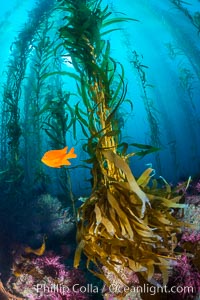
Kelp holdfast attaches the plant to the rocky reef on the oceans bottom. Kelp blades are visible above the holdfast, swaying in the current.
Species: Giant Kelp, Macrocystis pyrifera
Location: Catalina Island, California
Image ID: 34212
Species: Giant Kelp, Macrocystis pyrifera
Location: Catalina Island, California
Image ID: 34212
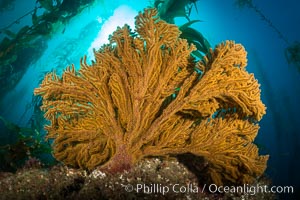
Golden gorgonian on underwater rocky reef, amid kelp forest, Catalina Island. The golden gorgonian is a filter-feeding temperate colonial species that lives on the rocky bottom at depths between 50 to 200 feet deep. Each individual polyp is a distinct animal, together they secrete calcium that forms the structure of the colony. Gorgonians are oriented at right angles to prevailing water currents to capture plankton drifting by.
Species: California golden gorgonian, Muricea californica
Location: Catalina Island, California
Image ID: 34219
Species: California golden gorgonian, Muricea californica
Location: Catalina Island, California
Image ID: 34219
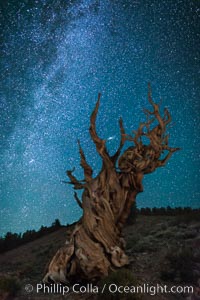
Milky Way over Ancient Bristlecone Pine Trees, Inyo National Forest.
Species: Bristlecone pine, Pinus longaeva
Location: Ancient Bristlecone Pine Forest, White Mountains, Inyo National Forest, California
Image ID: 29325
Species: Bristlecone pine, Pinus longaeva
Location: Ancient Bristlecone Pine Forest, White Mountains, Inyo National Forest, California
Image ID: 29325
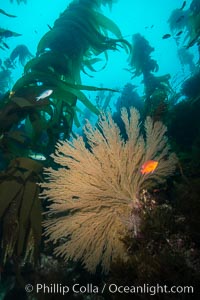
Garibaldi and California golden gorgonian on underwater rocky reef, San Clemente Island. The golden gorgonian is a filter-feeding temperate colonial species that lives on the rocky bottom at depths between 50 to 200 feet deep. Each individual polyp is a distinct animal, together they secrete calcium that forms the structure of the colony. Gorgonians are oriented at right angles to prevailing water currents to capture plankton drifting by.
Species: California golden gorgonian, Garibaldi, Hypsypops rubicundus, Muricea californica
Location: San Clemente Island, California
Image ID: 30864
Species: California golden gorgonian, Garibaldi, Hypsypops rubicundus, Muricea californica
Location: San Clemente Island, California
Image ID: 30864
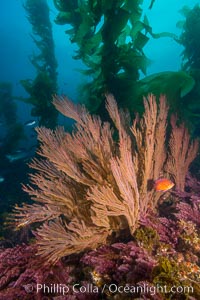
California golden gorgonian on underwater rocky reef below kelp forest, San Clemente Island. The golden gorgonian is a filter-feeding temperate colonial species that lives on the rocky bottom at depths between 50 to 200 feet deep. Each individual polyp is a distinct animal, together they secrete calcium that forms the structure of the colony. Gorgonians are oriented at right angles to prevailing water currents to capture plankton drifting by, San Clemente Island.
Species: California golden gorgonian, Muricea californica
Location: San Clemente Island, California
Image ID: 30909
Species: California golden gorgonian, Muricea californica
Location: San Clemente Island, California
Image ID: 30909
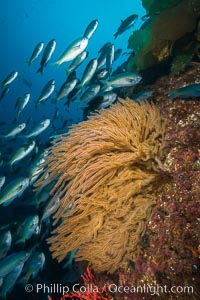
Blacksmith Chromis and California golden gorgonian on underwater rocky reef, San Clemente Island. The golden gorgonian is a filter-feeding temperate colonial species that lives on the rocky bottom at depths between 50 to 200 feet deep. Each individual polyp is a distinct animal, together they secrete calcium that forms the structure of the colony. Gorgonians are oriented at right angles to prevailing water currents to capture plankton drifting by.
Species: Blacksmith, California golden gorgonian, Chromis punctipinnis, Muricea californica
Location: San Clemente Island, California
Image ID: 30956
Species: Blacksmith, California golden gorgonian, Chromis punctipinnis, Muricea californica
Location: San Clemente Island, California
Image ID: 30956
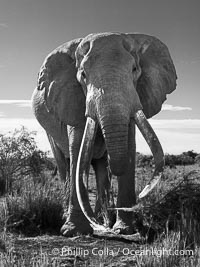
Craig, the Famous Old Male Tusker Elephant with the World's Largest Tusks, Amboseli National Park, Kenya.
Species: African elephant, Loxodonta africana
Location: Amboseli National Park, Kenya
Image ID: 39556
Species: African elephant, Loxodonta africana
Location: Amboseli National Park, Kenya
Image ID: 39556
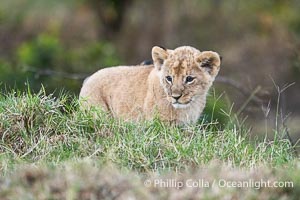
Lion Cub Eight Weeks Old, Mara North Conservancy, Kenya.
Species: African lion, Panthera leo
Location: Mara North Conservancy, Kenya
Image ID: 39656
Species: African lion, Panthera leo
Location: Mara North Conservancy, Kenya
Image ID: 39656
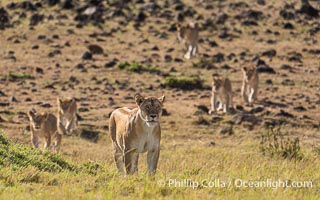
Pride of lions traveling, older lioness leading younger lions, Mara North Conservancy, Kenya.
Species: African lion, Panthera leo
Location: Mara North Conservancy, Kenya
Image ID: 39664
Species: African lion, Panthera leo
Location: Mara North Conservancy, Kenya
Image ID: 39664
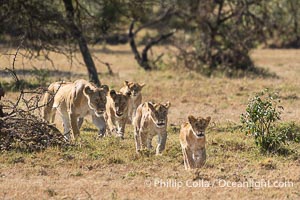
Pride of lions traveling, older lioness leading younger lions, Mara North Conservancy, Kenya.
Species: African lion, Panthera leo
Location: Mara North Conservancy, Kenya
Image ID: 39667
Species: African lion, Panthera leo
Location: Mara North Conservancy, Kenya
Image ID: 39667
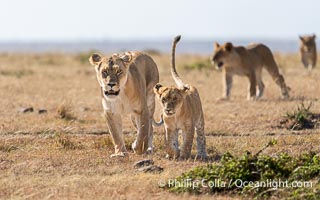
Pride of lions traveling, older lioness leading younger lions, Mara North Conservancy, Kenya.
Species: African lion, Panthera leo
Location: Mara North Conservancy, Kenya
Image ID: 39672
Species: African lion, Panthera leo
Location: Mara North Conservancy, Kenya
Image ID: 39672
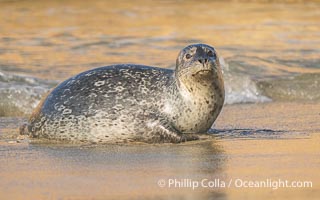
Chonky Pacific harbor seal on wet gold-colored sandy beach in La Jolla.
Location: La Jolla, California
Image ID: 39833
Location: La Jolla, California
Image ID: 39833
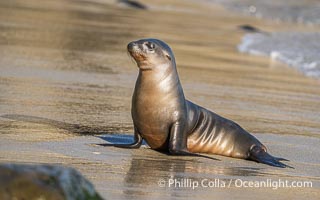
California Sea Lion on Golden Sand Beach La Jolla Cove, San Diego.
Species: California sea lion, Zalophus californianus
Location: La Jolla, California
Image ID: 39852
Species: California sea lion, Zalophus californianus
Location: La Jolla, California
Image ID: 39852
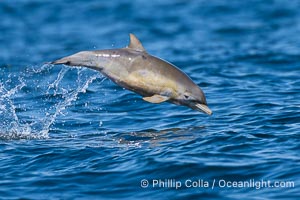
Newborn Baby Common Dolphin Leaping. This tiny newborn dolphin is so young embryonic folds are still visible on its sides.
Species: Common dolphin, Delphinus delphis
Location: San Diego, California
Image ID: 40606
Species: Common dolphin, Delphinus delphis
Location: San Diego, California
Image ID: 40606
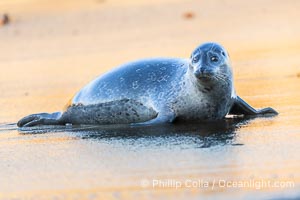
Pacific harbor seal profile portrait on wet gold-colored sandy beach at sunrise in La Jolla.
Location: La Jolla, California
Image ID: 40818
Location: La Jolla, California
Image ID: 40818
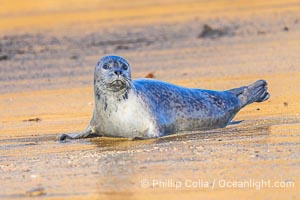
Pacific harbor seal profile portrait on wet gold-colored sandy beach at sunrise in La Jolla.
Location: La Jolla, California
Image ID: 40820
Location: La Jolla, California
Image ID: 40820
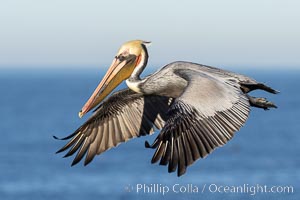
California Brown pelican in flight, soaring along sea cliffs above the ocean in La Jolla, California. The wingspan of the brown pelican is over 7 feet wide. The California race of the brown pelican holds endangered species status.
Species: Brown Pelican, Pelecanus occidentalis, Pelecanus occidentalis californicus
Image ID: 37415
Species: Brown Pelican, Pelecanus occidentalis, Pelecanus occidentalis californicus
Image ID: 37415