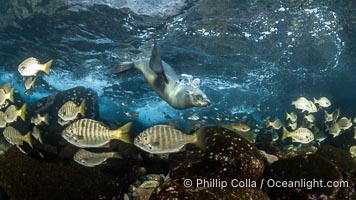
California Sea Lion hunting Zebra Perch, Underwater, Coronado Islands, Baja California, Mexico.
Species: California sea lion, Zebra perch, Hermosilla azurea, Zalophus californianus
Location: Coronado Islands (Islas Coronado), Baja California, Mexico
Image ID: 36484
Species: California sea lion, Zebra perch, Hermosilla azurea, Zalophus californianus
Location: Coronado Islands (Islas Coronado), Baja California, Mexico
Image ID: 36484
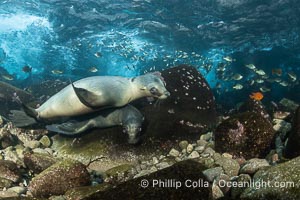
California Sea Lion hunting zebra perch, Coronado Islands, Baja California, Mexico.
Species: California sea lion, Zebra perch, Hermosilla azurea, Zalophus californianus
Location: Coronado Islands (Islas Coronado), Baja California, Mexico
Image ID: 36476
Species: California sea lion, Zebra perch, Hermosilla azurea, Zalophus californianus
Location: Coronado Islands (Islas Coronado), Baja California, Mexico
Image ID: 36476
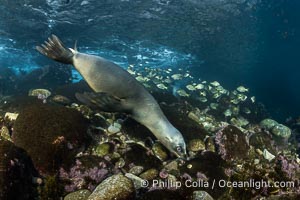
California Sea Lions hunting Zebra Perch, Underwater, Coronado Islands, Baja California, Mexico.
Species: California sea lion, Zebra perch, Hermosilla azurea, Zalophus californianus
Location: Coronado Islands (Islas Coronado), Baja California, Mexico
Image ID: 36483
Species: California sea lion, Zebra perch, Hermosilla azurea, Zalophus californianus
Location: Coronado Islands (Islas Coronado), Baja California, Mexico
Image ID: 36483
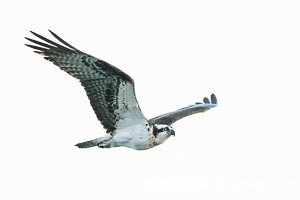
Osprey in Flight in La Jolla.
Species: Osprey, Pandion haliaetus
Location: La Jolla, California
Image ID: 39854
Species: Osprey, Pandion haliaetus
Location: La Jolla, California
Image ID: 39854
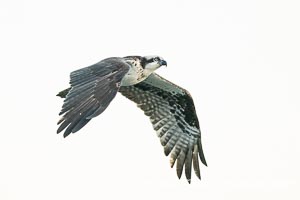
Osprey in Flight in La Jolla.
Species: Osprey, Pandion haliaetus
Location: La Jolla, California
Image ID: 39855
Species: Osprey, Pandion haliaetus
Location: La Jolla, California
Image ID: 39855
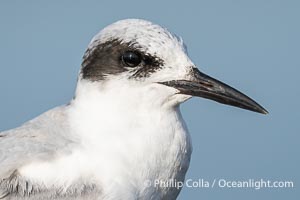
Forster's Tern Head and Beak Detail, Sterna forsteri, Bolsa Chica Ecological Reserve.
Species: Forsters Tern, Sterna forsteri
Location: Bolsa Chica State Ecological Reserve, Huntington Beach
Image ID: 39875
Species: Forsters Tern, Sterna forsteri
Location: Bolsa Chica State Ecological Reserve, Huntington Beach
Image ID: 39875
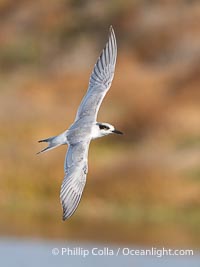
Forster's Tern in Flight, Sterna forsteri, Bolsa Chica Ecological Reserve.
Species: Forsters Tern, Sterna forsteri
Location: Bolsa Chica State Ecological Reserve, Huntington Beach
Image ID: 39876
Species: Forsters Tern, Sterna forsteri
Location: Bolsa Chica State Ecological Reserve, Huntington Beach
Image ID: 39876
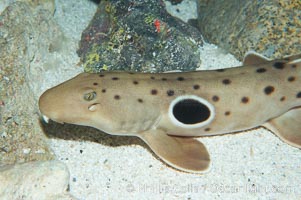
Epaulette shark. The epaulette shark is primarily nocturnal, hunting for crabs, worms and invertebrates by crawling across the bottom on its overlarge fins.
Species: Epaulette shark, Hemiscyllium ocellatum
Image ID: 14958
Species: Epaulette shark, Hemiscyllium ocellatum
Image ID: 14958

Ghost lobster trap, abandoned lobster trap, San Clemente Island.
Location: San Clemente Island, California
Image ID: 30872
Location: San Clemente Island, California
Image ID: 30872
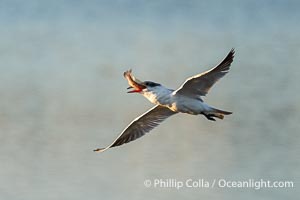
Forster's Tern in Flight with Prey, Sterna forsteri.
Species: Forsters Tern, Sterna forsteri
Location: Bolsa Chica State Ecological Reserve, Huntington Beach, California
Image ID: 40029
Species: Forsters Tern, Sterna forsteri
Location: Bolsa Chica State Ecological Reserve, Huntington Beach, California
Image ID: 40029
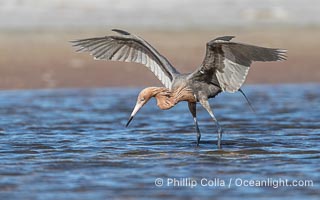
Reddish Egret, Egretta rufescens, hunting fish by spreading its wings and creating a shadow in the water around its legs, Fort De Soto, Florida.
Species: Reddish Egret, Egretta rufescens
Location: Fort De Soto Park, St. Petersburg, Florida
Image ID: 40579
Species: Reddish Egret, Egretta rufescens
Location: Fort De Soto Park, St. Petersburg, Florida
Image ID: 40579
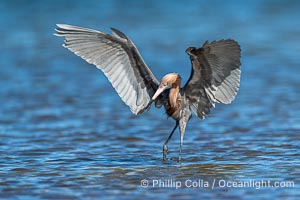
Reddish Egret, Egretta rufescens, hunting fish by spreading its wings and creating a shadow in the water around its legs, Fort De Soto, Florida.
Species: Reddish Egret, Egretta rufescens
Location: Fort De Soto Park, St. Petersburg, Florida
Image ID: 40580
Species: Reddish Egret, Egretta rufescens
Location: Fort De Soto Park, St. Petersburg, Florida
Image ID: 40580
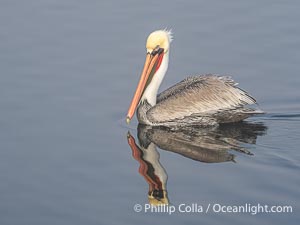
Endangered Brown Pelican at Bolsa Chica Ecological Reserve.
Species: Brown Pelican, Pelecanus occidentalis, Pelecanus occidentalis californicus
Location: Bolsa Chica State Ecological Reserve, Huntington Beach, California
Image ID: 39838
Species: Brown Pelican, Pelecanus occidentalis, Pelecanus occidentalis californicus
Location: Bolsa Chica State Ecological Reserve, Huntington Beach, California
Image ID: 39838
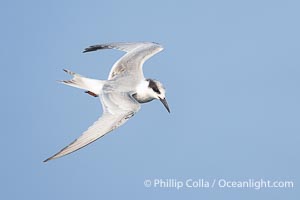
Forster's Tern in Flight, Sterna forsteri, Bolsa Chica Ecological Reserve.
Species: Forsters tern, Sterna forsteri
Location: Bolsa Chica State Ecological Reserve, Huntington Beach, California
Image ID: 39843
Species: Forsters tern, Sterna forsteri
Location: Bolsa Chica State Ecological Reserve, Huntington Beach, California
Image ID: 39843
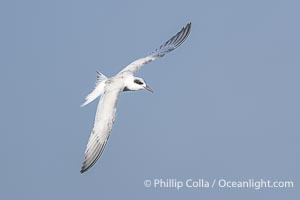
Forster's Tern in Flight, Sterna forsteri, Bolsa Chica Ecological Reserve.
Species: Forsters tern, Sterna forsteri
Location: Bolsa Chica State Ecological Reserve, Huntington Beach, California
Image ID: 39844
Species: Forsters tern, Sterna forsteri
Location: Bolsa Chica State Ecological Reserve, Huntington Beach, California
Image ID: 39844
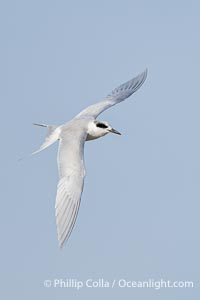
Forster's Tern in Flight, Sterna forsteri, Bolsa Chica Ecological Reserve.
Species: Forsters Tern, Sterna forsteri
Location: Bolsa Chica State Ecological Reserve, Huntington Beach
Image ID: 39877
Species: Forsters Tern, Sterna forsteri
Location: Bolsa Chica State Ecological Reserve, Huntington Beach
Image ID: 39877
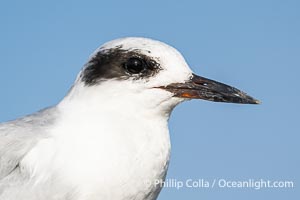
Forster's Tern Head and Beak Detail, Sterna forsteri, Bolsa Chica Ecological Reserve.
Species: Forsters Tern, Sterna forsteri
Location: Bolsa Chica State Ecological Reserve, Huntington Beach
Image ID: 39878
Species: Forsters Tern, Sterna forsteri
Location: Bolsa Chica State Ecological Reserve, Huntington Beach
Image ID: 39878
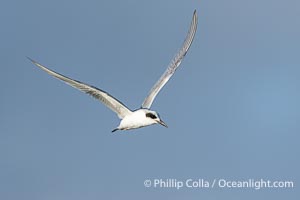
Forster's Tern in Flight, Sterna forsteri.
Species: Forsters Tern, Sterna forsteri
Location: Bolsa Chica State Ecological Reserve, Huntington Beach, California
Image ID: 40033
Species: Forsters Tern, Sterna forsteri
Location: Bolsa Chica State Ecological Reserve, Huntington Beach, California
Image ID: 40033
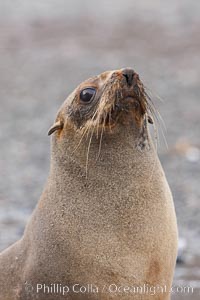
Antarctic fur seal, portrait showing long whiskers and large eyes effective for nocturnal foraging and hunting underwater.
Species: Antarctic fur seal, Arctocephalus gazella
Location: Right Whale Bay, South Georgia Island
Image ID: 24355
Species: Antarctic fur seal, Arctocephalus gazella
Location: Right Whale Bay, South Georgia Island
Image ID: 24355
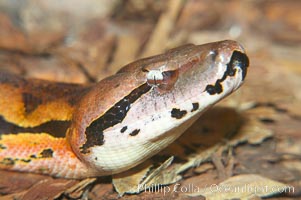
Malagasy ground boa. The ground boa is the largest boa species in Madagascar, reaching 10 feet (3m) in length. Its coloration provides excellent camouflage amid rocks, logs and bushy thickets. It is mainly nocturnal, hunting birds and small mammals.
Species: Malagasy ground boa, Acrantophis madagascariensis
Image ID: 12594
Species: Malagasy ground boa, Acrantophis madagascariensis
Image ID: 12594
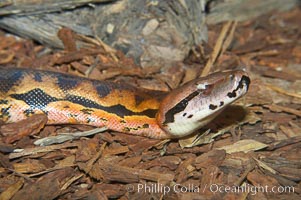
Malagasy ground boa. The ground boa is the largest boa species in Madagascar, reaching 10 feet (3m) in length. Its coloration provides excellent camouflage amid rocks, logs and bushy thickets. It is mainly nocturnal, hunting birds and small mammals.
Species: Malagasy ground boa, Acrantophis madagascariensis
Image ID: 12595
Species: Malagasy ground boa, Acrantophis madagascariensis
Image ID: 12595
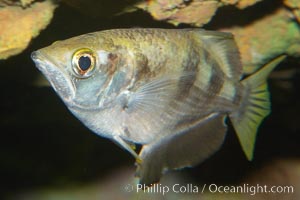
Banded archerfish. The banded archerfish is known for its ability to shoot down resting insects by spitting a jet of water. Large archerfishes can hit a target 2-3m away. Archerfishes have adaptations to the mouth which enable spitting. When a banded archerfish shoots a jet of water, it raises its tongue against the roof of the mouth forming a tube. The gill covers quickly close forcing water along the tube. This species mostly lives in mangrove and estuarine habitats throughout much of the Indo-Pacific.
Species: Banded archerfish, Toxotes jaculatrix
Image ID: 12902
Species: Banded archerfish, Toxotes jaculatrix
Image ID: 12902
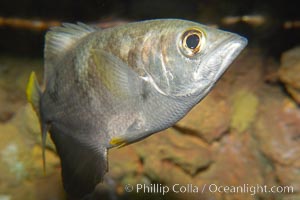
Banded archerfish. The banded archerfish is known for its ability to shoot down resting insects by spitting a jet of water. Large archerfishes can hit a target 2-3m away. Archerfishes have adaptations to the mouth which enable spitting. When a banded archerfish shoots a jet of water, it raises its tongue against the roof of the mouth forming a tube. The gill covers quickly close forcing water along the tube. This species mostly lives in mangrove and estuarine habitats throughout much of the Indo-Pacific.
Species: Banded archerfish, Toxotes jaculatrix
Image ID: 12903
Species: Banded archerfish, Toxotes jaculatrix
Image ID: 12903
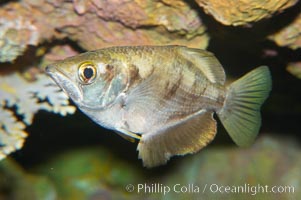
Banded archerfish. The banded archerfish is known for its ability to shoot down resting insects by spitting a jet of water. Large archerfishes can hit a target 2-3m away. Archerfishes have adaptations to the mouth which enable spitting. When a banded archerfish shoots a jet of water, it raises its tongue against the roof of the mouth forming a tube. The gill covers quickly close forcing water along the tube. This species mostly lives in mangrove and estuarine habitats throughout much of the Indo-Pacific.
Species: Banded archerfish, Toxotes jaculatrix
Image ID: 12904
Species: Banded archerfish, Toxotes jaculatrix
Image ID: 12904
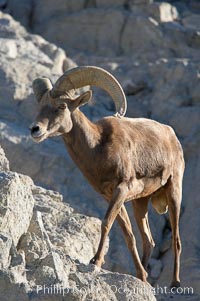
Desert bighorn sheep, male ram. The desert bighorn sheep occupies dry, rocky mountain ranges in the Mojave and Sonoran desert regions of California, Nevada and Mexico. The desert bighorn sheep is highly endangered in the United States, having a population of only about 4000 individuals, and is under survival pressure due to habitat loss, disease, over-hunting, competition with livestock, and human encroachment.
Species: Desert bighorn sheep, Ovis canadensis nelsoni
Image ID: 14651
Species: Desert bighorn sheep, Ovis canadensis nelsoni
Image ID: 14651
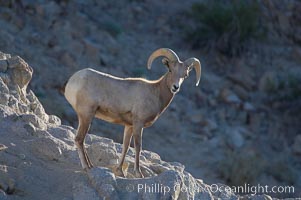
Desert bighorn sheep, young/immature male ram. The desert bighorn sheep occupies dry, rocky mountain ranges in the Mojave and Sonoran desert regions of California, Nevada and Mexico. The desert bighorn sheep is highly endangered in the United States, having a population of only about 4000 individuals, and is under survival pressure due to habitat loss, disease, over-hunting, competition with livestock, and human encroachment.
Species: Desert bighorn sheep, Ovis canadensis nelsoni
Image ID: 14652
Species: Desert bighorn sheep, Ovis canadensis nelsoni
Image ID: 14652
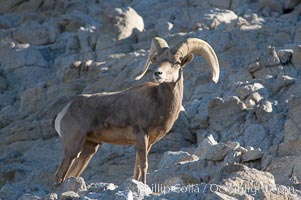
Desert bighorn sheep, male ram. The desert bighorn sheep occupies dry, rocky mountain ranges in the Mojave and Sonoran desert regions of California, Nevada and Mexico. The desert bighorn sheep is highly endangered in the United States, having a population of only about 4000 individuals, and is under survival pressure due to habitat loss, disease, over-hunting, competition with livestock, and human encroachment.
Species: Desert bighorn sheep, Ovis canadensis nelsoni
Image ID: 14653
Species: Desert bighorn sheep, Ovis canadensis nelsoni
Image ID: 14653
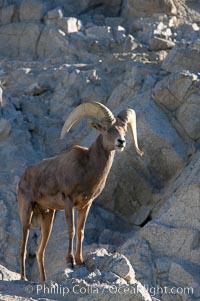
Desert bighorn sheep, male ram. The desert bighorn sheep occupies dry, rocky mountain ranges in the Mojave and Sonoran desert regions of California, Nevada and Mexico. The desert bighorn sheep is highly endangered in the United States, having a population of only about 4000 individuals, and is under survival pressure due to habitat loss, disease, over-hunting, competition with livestock, and human encroachment.
Species: Desert bighorn sheep, Ovis canadensis nelsoni
Image ID: 14654
Species: Desert bighorn sheep, Ovis canadensis nelsoni
Image ID: 14654
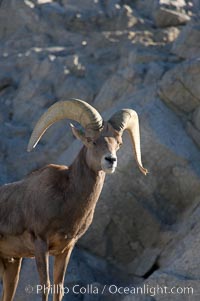
Desert bighorn sheep, male ram. The desert bighorn sheep occupies dry, rocky mountain ranges in the Mojave and Sonoran desert regions of California, Nevada and Mexico. The desert bighorn sheep is highly endangered in the United States, having a population of only about 4000 individuals, and is under survival pressure due to habitat loss, disease, over-hunting, competition with livestock, and human encroachment.
Species: Desert bighorn sheep, Ovis canadensis nelsoni
Image ID: 14655
Species: Desert bighorn sheep, Ovis canadensis nelsoni
Image ID: 14655
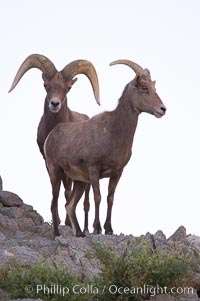
Desert bighorn sheep, male ram and female ewe. The desert bighorn sheep occupies dry, rocky mountain ranges in the Mojave and Sonoran desert regions of California, Nevada and Mexico. The desert bighorn sheep is highly endangered in the United States, having a population of only about 4000 individuals, and is under survival pressure due to habitat loss, disease, over-hunting, competition with livestock, and human encroachment.
Species: Desert bighorn sheep, Ovis canadensis nelsoni
Image ID: 14656
Species: Desert bighorn sheep, Ovis canadensis nelsoni
Image ID: 14656