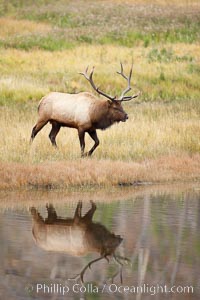
Male elk bugling during the fall rut. Large male elk are known as bulls. Male elk have large antlers which are shed each year. Male elk engage in competitive mating behaviors during the rut, including posturing, antler wrestling and bugling, a loud series of screams which is intended to establish dominance over other males and attract females.
Species: Elk, Cervus canadensis
Location: Madison River, Yellowstone National Park, Wyoming
Image ID: 19697
Species: Elk, Cervus canadensis
Location: Madison River, Yellowstone National Park, Wyoming
Image ID: 19697
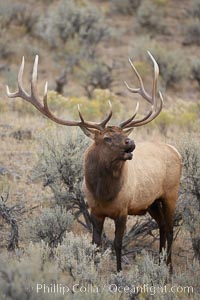
Male elk bugling during the fall rut. Large male elk are known as bulls. Male elk have large antlers which are shed each year. Male elk engage in competitive mating behaviors during the rut, including posturing, antler wrestling and bugling, a loud series of screams which is intended to establish dominance over other males and attract females.
Species: Elk, Cervus canadensis
Location: Mammoth Hot Springs, Yellowstone National Park, Wyoming
Image ID: 19698
Species: Elk, Cervus canadensis
Location: Mammoth Hot Springs, Yellowstone National Park, Wyoming
Image ID: 19698
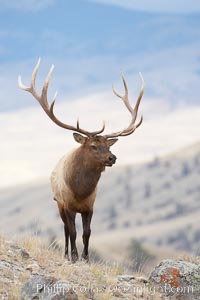
Elk, bull elk, adult male elk with large set of antlers. By September, this bull elk's antlers have reached their full size and the velvet has fallen off. This bull elk has sparred with other bulls for access to herds of females in estrous and ready to mate.
Species: Elk, Cervus canadensis
Location: Mammoth Hot Springs, Yellowstone National Park, Wyoming
Image ID: 19721
Species: Elk, Cervus canadensis
Location: Mammoth Hot Springs, Yellowstone National Park, Wyoming
Image ID: 19721
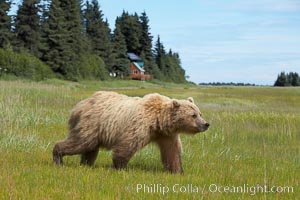
Coastal brown bear (grizzly bear) walks sedge grass meadow near Silver Salmon Creek.
Species: Brown bear, Ursus arctos
Location: Lake Clark National Park, Alaska
Image ID: 19145
Species: Brown bear, Ursus arctos
Location: Lake Clark National Park, Alaska
Image ID: 19145
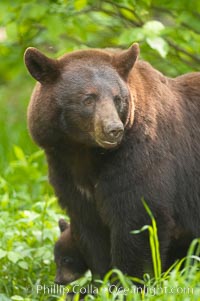
Black bear portrait. American black bears range in color from deepest black to chocolate and cinnamon brown. They prefer forested and meadow environments. This bear still has its thick, full winter coat, which will be shed soon with the approach of summer.
Species: American black bear, Ursus americanus
Location: Orr, Minnesota
Image ID: 18742
Species: American black bear, Ursus americanus
Location: Orr, Minnesota
Image ID: 18742
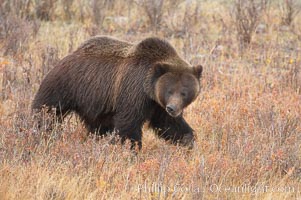
Grizzly bear in Yellowstone National Park in autumn, fall, walking through brown grasses.
Species: Grizzly bear, Ursus arctos horribilis
Location: Lamar Valley, Yellowstone National Park, Wyoming
Image ID: 19614
Species: Grizzly bear, Ursus arctos horribilis
Location: Lamar Valley, Yellowstone National Park, Wyoming
Image ID: 19614
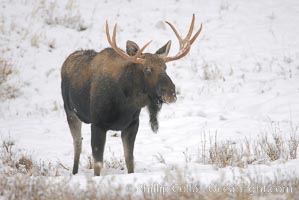
A male moose, bull moose, on snow covered field, near Cooke City.
Species: Moose, Alces alces
Location: Yellowstone National Park, Wyoming
Image ID: 19680
Species: Moose, Alces alces
Location: Yellowstone National Park, Wyoming
Image ID: 19680
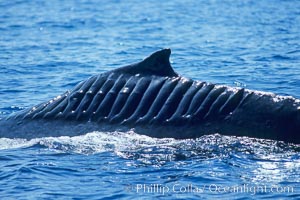
North Pacific humpback whale showing extensive scarring, almost certainly from a boat propeller, on dorsal ridge. This female North Pacific humpback whale was first seen with the depicted lacerations near the island of Maui in the Hawaiian Islands in the mid-90s, and is the original humpback to bear the name 'Blade Runner'. This female has apparently recovered, as evidenced the calf she was observed nurturing. A South Pacific humpback whale endured a similar injury in Sydney Australia in 2001, and bears a remarkably similar scar pattern to the above-pictured whale.
Species: Humpback whale, Megaptera novaeangliae
Location: Maui, Hawaii
Image ID: 05909
Species: Humpback whale, Megaptera novaeangliae
Location: Maui, Hawaii
Image ID: 05909
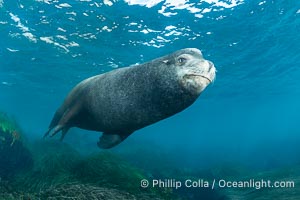
Huge California Sea Lion Male Underwater, a bull, patrolling his breeding harem and territory, Coronado Islands, Mexico. His sagittal crest, the bony bump on his head that distinguishes adult male sea lions, is clearly seen. This particular sea lion bears an orange tag on his left foreflipper, probably as a result of rescue and release as a young sea lion years earlier.
Species: California sea lion, Zalophus californianus
Location: Coronado Islands (Islas Coronado), Baja California, Mexico
Image ID: 38652
Species: California sea lion, Zalophus californianus
Location: Coronado Islands (Islas Coronado), Baja California, Mexico
Image ID: 38652
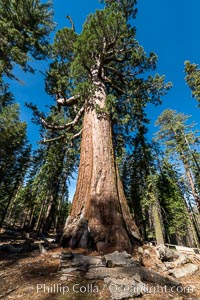
The Grizzly Giant Sequoia Tree in Yosemite. Giant sequoia trees (Sequoiadendron giganteum), roots spreading outward at the base of each massive tree, rise from the shaded forest floor. Mariposa Grove, Yosemite National Park.
Location: Mariposa Grove, Yosemite National Park, California
Image ID: 36401
Location: Mariposa Grove, Yosemite National Park, California
Image ID: 36401
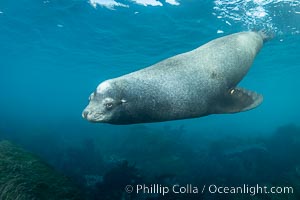
Huge California Sea Lion Male Underwater, a bull, patrolling his breeding harem and territory, Coronado Islands, Mexico. His sagittal crest, the bony bump on his head that distinguishes adult male sea lions, is clearly seen. This particular sea lion bears an orange tag on his left foreflipper, probably as a result of rescue and release as a young sea lion years earlier.
Species: California sea lion, Zalophus californianus
Location: Coronado Islands (Islas Coronado), Baja California, Mexico
Image ID: 38653
Species: California sea lion, Zalophus californianus
Location: Coronado Islands (Islas Coronado), Baja California, Mexico
Image ID: 38653
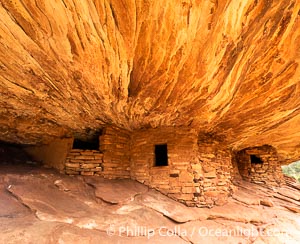
House on Fire Ruin in Mule Canyon, Utah. Part of the Bears Ears National Monument, House on Fire Ruin is an ancestral Puebloan ruin that appears to burst into flames when reflected sunlight hits the ceiling above the ruin.
Location: Bears Ears National Monument, Utah
Image ID: 39373
Location: Bears Ears National Monument, Utah
Image ID: 39373
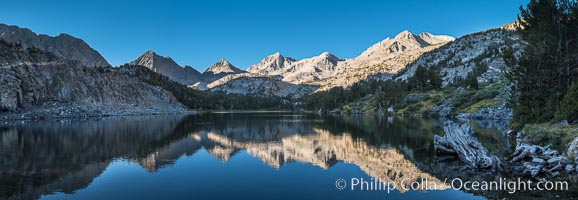
Panorama of Bear Creek Spire over Long Lake at Sunrise, Little Lakes Valley, John Muir Wilderness, Inyo National Forest.
Location: Little Lakes Valley, Inyo National Forest, California
Image ID: 31173
Panorama dimensions: 5473 x 15812
Location: Little Lakes Valley, Inyo National Forest, California
Image ID: 31173
Panorama dimensions: 5473 x 15812
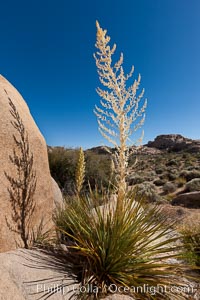
Parry's Nolina, or Giant Nolina, a flowering plant native to southern California and Arizona founds in deserts and mountains to 6200'. It can reach 6' in height with its flowering inflorescence reaching 12'.
Species: Parry's nolina, Nolina parryi
Location: Joshua Tree National Park, California
Image ID: 26725
Species: Parry's nolina, Nolina parryi
Location: Joshua Tree National Park, California
Image ID: 26725
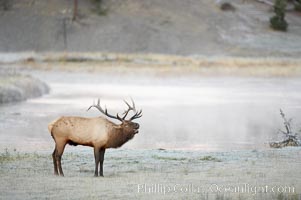
Male elk bugling during the fall rut. Large male elk are known as bulls. Male elk have large antlers which are shed each year. Male elk engage in competitive mating behaviors during the rut, including posturing, antler wrestling and bugling, a loud series of screams which is intended to establish dominance over other males and attract females.
Species: Elk, Cervus canadensis
Location: Madison River, Yellowstone National Park, Wyoming
Image ID: 19700
Species: Elk, Cervus canadensis
Location: Madison River, Yellowstone National Park, Wyoming
Image ID: 19700
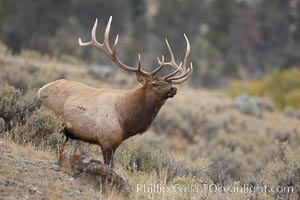
Bull elk in sage brush with large rack of antlers during the fall rut (mating season). This bull elk has sparred with other bulls to establish his harem of females with which he hopes to mate.
Species: Elk, Cervus canadensis
Location: Mammoth Hot Springs, Yellowstone National Park, Wyoming
Image ID: 19718
Species: Elk, Cervus canadensis
Location: Mammoth Hot Springs, Yellowstone National Park, Wyoming
Image ID: 19718
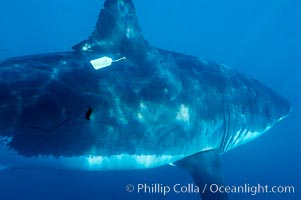
A great white shark bearing a white plastic researcher's identification ID tag near its dorsal fin swims through the clear waters of Isla Guadalupe, far offshore of the Pacific Coast of Baja California. Guadalupe Island is host to a concentration of large great white sharks, which visit the island to feed on pinnipeds and tuna.
Species: Great white shark, Carcharodon carcharias
Location: Guadalupe Island (Isla Guadalupe), Baja California, Mexico
Image ID: 07739
Species: Great white shark, Carcharodon carcharias
Location: Guadalupe Island (Isla Guadalupe), Baja California, Mexico
Image ID: 07739
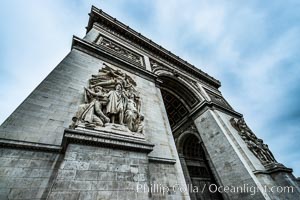
Arc de Triomphe. The Arc de Triomphe (Arc de Triomphe de l'Etoile) is one of the most famous monuments in Paris. It stands in the centre of the Place Charles de Gaulle (originally named Place de l'Etoile), at the western end of the Champs-Elysees. The Arc de Triomphe (in English: "Triumphal Arch") honors those who fought and died for France in the French Revolutionary and the Napoleonic Wars, with the names of all French victories and generals inscribed on its inner and outer surfaces. Beneath its vault lies the Tomb of the Unknown Soldier from World War I. The monument was designed by Jean Chalgrin in 1806, and its iconographic program pitted heroically nude French youths against bearded Germanic warriors in chain mail. It set the tone for public monuments, with triumphant patriotic messages. The monument stands 50 metres (164 ft) in height, 45 m (148 ft) wide and 22 m (72 ft) deep.
Location: Arc de Triomphe, Paris, France
Image ID: 28083
Location: Arc de Triomphe, Paris, France
Image ID: 28083
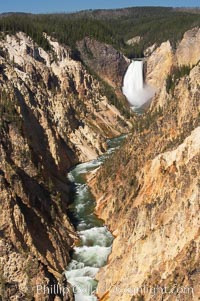
The Lower Falls of the Yellowstone River drops 308 feet at the head of the Grand Canyon of the Yellowstone. A long exposure blurs the fast-flowing water. The canyon is approximately 10,000 years old, 20 miles long, 1000 ft deep, and 2500 ft wide. Its yellow, orange and red-colored walls are due to oxidation of the various iron compounds in the soil, and to a lesser degree, sulfur content.
Location: Grand Canyon of the Yellowstone, Yellowstone National Park, Wyoming
Image ID: 13338
Location: Grand Canyon of the Yellowstone, Yellowstone National Park, Wyoming
Image ID: 13338
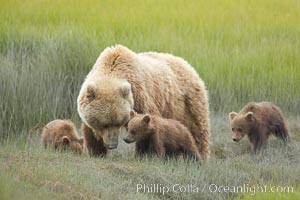
Brown bear female sow with spring cubs. These three cubs were born earlier in the spring and will remain with their mother for almost two years, relying on her completely for their survival.
Species: Brown bear, Ursus arctos
Location: Lake Clark National Park, Alaska
Image ID: 19181
Species: Brown bear, Ursus arctos
Location: Lake Clark National Park, Alaska
Image ID: 19181
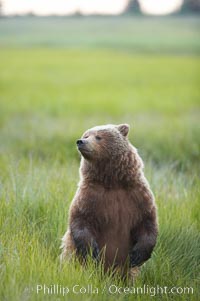
Young brown bear stands in tall sedge grass to get a better view of other approaching bears.
Species: Brown bear, Ursus arctos
Location: Lake Clark National Park, Alaska
Image ID: 19212
Species: Brown bear, Ursus arctos
Location: Lake Clark National Park, Alaska
Image ID: 19212
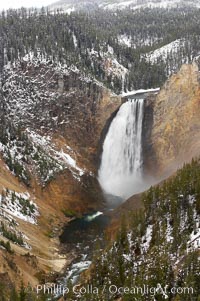
Snow covers the rocks and cliffs around Lower Yellowstone Falls in winter. At 308 feet, the Lower Falls of the Yellowstone River is the tallest fall in the park. This view is from Lookout Point on the North side of the Grand Canyon of the Yellowstone.
Location: Grand Canyon of the Yellowstone, Yellowstone National Park, Wyoming
Image ID: 19572
Location: Grand Canyon of the Yellowstone, Yellowstone National Park, Wyoming
Image ID: 19572
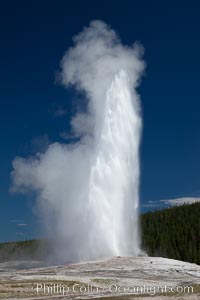
Old Faithful geyser. Reaching up to 185' in height and lasting up to 5 minutes, Old Faithful geyser is the most famous geyser in the world and the first geyser in Yellowstone to be named.
Location: Upper Geyser Basin, Yellowstone National Park, Wyoming
Image ID: 26945
Location: Upper Geyser Basin, Yellowstone National Park, Wyoming
Image ID: 26945
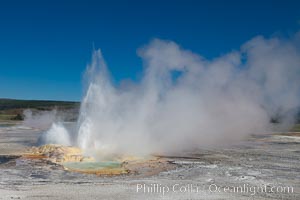
Clepsydra Geyser, a geyser which is almost continually erupting. A member of the Fountain Group of geothermal features.
Location: Lower Geyser Basin, Yellowstone National Park, Wyoming
Image ID: 26947
Location: Lower Geyser Basin, Yellowstone National Park, Wyoming
Image ID: 26947
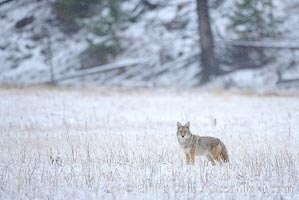
Coyote in snow covered field along the Madison River.
Species: Coyote, Canis latrans
Location: Yellowstone National Park, Wyoming
Image ID: 19635
Species: Coyote, Canis latrans
Location: Yellowstone National Park, Wyoming
Image ID: 19635
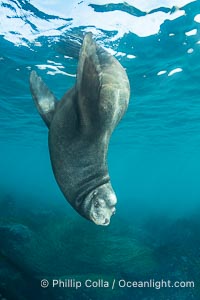
Huge California Sea Lion Male Underwater, a bull, patrolling his breeding harem and territory, Coronado Islands, Mexico. His sagittal crest, the bony bump on his head that distinguishes adult male sea lions, is clearly seen. This particular sea lion bears an orange tag on his left foreflipper, probably as a result of rescue and release as a young sea lion years earlier.
Species: California sea lion, Zalophus californianus
Location: Coronado Islands (Islas Coronado), Baja California, Mexico
Image ID: 38650
Species: California sea lion, Zalophus californianus
Location: Coronado Islands (Islas Coronado), Baja California, Mexico
Image ID: 38650
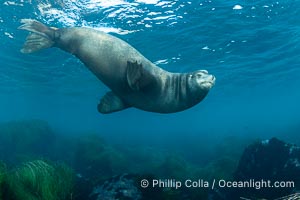
Huge California Sea Lion Male Underwater, a bull, patrolling his breeding harem and territory, Coronado Islands, Mexico. His sagittal crest, the bony bump on his head that distinguishes adult male sea lions, is clearly seen. This particular sea lion bears an orange tag on his left foreflipper, probably as a result of rescue and release as a young sea lion years earlier.
Species: California sea lion, Zalophus californianus
Location: Coronado Islands (Islas Coronado), Baja California, Mexico
Image ID: 38651
Species: California sea lion, Zalophus californianus
Location: Coronado Islands (Islas Coronado), Baja California, Mexico
Image ID: 38651
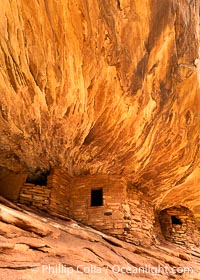
House on Fire Ruin in Mule Canyon, Utah. Part of the Bears Ears National Monument, House on Fire Ruin is an ancestral Puebloan ruin that appears to burst into flames when reflected sunlight hits the ceiling above the ruin.
Location: Bears Ears National Monument, Utah
Image ID: 39372
Location: Bears Ears National Monument, Utah
Image ID: 39372
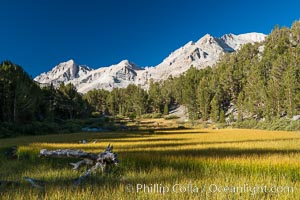
Meadow and Sierra Nevada peak Bear Creek Spire at sunrise, Little Lakes Valley, John Muir Wilderness, Inyo National Forest.
Location: Little Lakes Valley, Inyo National Forest, California
Image ID: 31176
Location: Little Lakes Valley, Inyo National Forest, California
Image ID: 31176
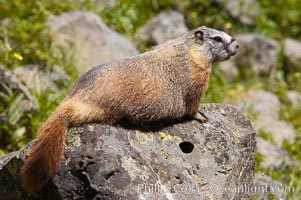
Yellow-bellied marmots can often be found on rocky slopes, perched atop boulders.
Species: Yellow-bellied marmot, Marmota flaviventris
Location: Yellowstone National Park, Wyoming
Image ID: 13055
Species: Yellow-bellied marmot, Marmota flaviventris
Location: Yellowstone National Park, Wyoming
Image ID: 13055