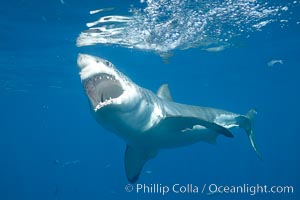
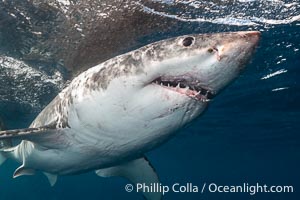
A great white shark opens it mouth just before it attacks its prey with a crippling, powerful bite. After the prey has been disabled, the shark will often wait for it to weaken from blood loss before resuming the attack. If the shark looses a tooth in the course of the bite, a replacement just behind it will move forward to take its place.
Species: Great white shark, Carcharodon carcharias
Location: Guadalupe Island (Isla Guadalupe), Baja California, Mexico
Image ID: 19452
Species: Great white shark, Carcharodon carcharias
Location: Guadalupe Island (Isla Guadalupe), Baja California, Mexico
Image ID: 19452
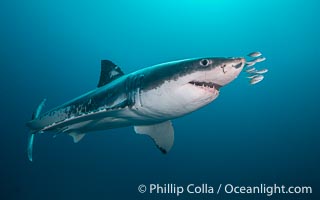
Great White Shark, South Neptune Islands, South Australia.
Species: Great white shark, Carcharodon carcharias
Location: South Neptune Islands, South Australia
Image ID: 39139
Species: Great white shark, Carcharodon carcharias
Location: South Neptune Islands, South Australia
Image ID: 39139
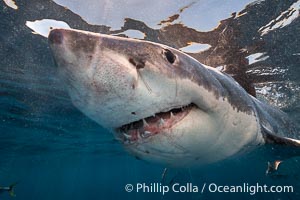
Great White Shark, South Neptune Islands, South Australia.
Species: Great white shark, Carcharodon carcharias
Location: South Neptune Islands, South Australia
Image ID: 39140
Species: Great white shark, Carcharodon carcharias
Location: South Neptune Islands, South Australia
Image ID: 39140
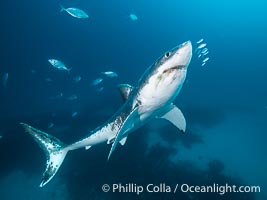
Great White Shark, South Neptune Islands, South Australia.
Species: Great white shark, Carcharodon carcharias
Location: South Neptune Islands, South Australia
Image ID: 39141
Species: Great white shark, Carcharodon carcharias
Location: South Neptune Islands, South Australia
Image ID: 39141
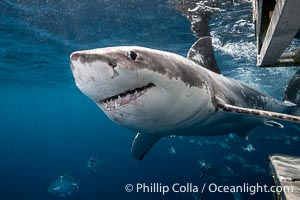
Great White Shark, South Neptune Islands, South Australia.
Species: Great white shark, Carcharodon carcharias
Location: South Neptune Islands, South Australia
Image ID: 39142
Species: Great white shark, Carcharodon carcharias
Location: South Neptune Islands, South Australia
Image ID: 39142
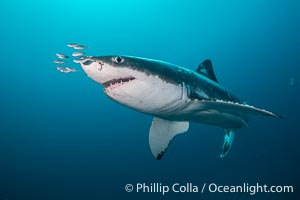
Great White Shark, South Neptune Islands, South Australia.
Species: Great white shark, Carcharodon carcharias
Location: South Neptune Islands, South Australia
Image ID: 39143
Species: Great white shark, Carcharodon carcharias
Location: South Neptune Islands, South Australia
Image ID: 39143
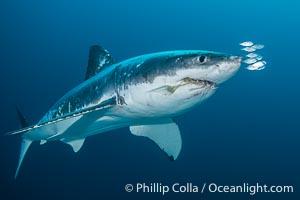
Great White Shark, South Neptune Islands, South Australia.
Species: Great white shark, Carcharodon carcharias
Location: South Neptune Islands, South Australia
Image ID: 39144
Species: Great white shark, Carcharodon carcharias
Location: South Neptune Islands, South Australia
Image ID: 39144
Great White Shark, South Neptune Islands, South Australia.
Species: Great white shark, Carcharodon carcharias
Location: South Neptune Islands, South Australia
Image ID: 39145
Species: Great white shark, Carcharodon carcharias
Location: South Neptune Islands, South Australia
Image ID: 39145
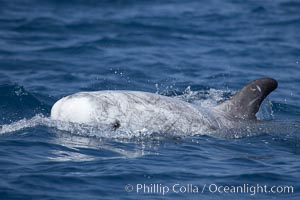
Rissos dolphin. Note distinguishing and highly variable skin and dorsal fin patterns, characteristic of this species. White scarring, likely caused by other Risso dolphins teeth, accumulates during the dolphins life so that adult Rissos dolphins are usually almost entirely white.
Species: Risso's dolphin, Grampus griseus
Location: San Diego, California
Image ID: 12792
Species: Risso's dolphin, Grampus griseus
Location: San Diego, California
Image ID: 12792
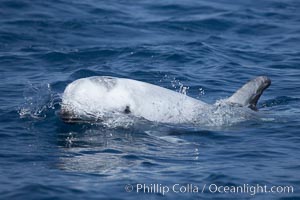
Rissos dolphin. Note distinguishing and highly variable skin and dorsal fin patterns, characteristic of this species. White scarring, likely caused by other Risso dolphins teeth, accumulates during the dolphins life so that adult Rissos dolphins are usually almost entirely white.
Species: Risso's dolphin, Grampus griseus
Location: San Diego, California
Image ID: 12799
Species: Risso's dolphin, Grampus griseus
Location: San Diego, California
Image ID: 12799
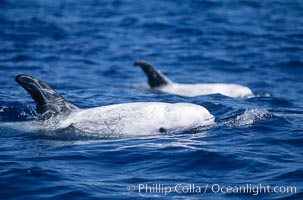
Rissos dolphin surfacing with eye showing. Note distinguishing and highly variable skin and dorsal fin patterns, characteristic of this species. White scarring, likely caused by other Risso dolphins teeth, accumulates during the dolphins life so that adult Rissos dolphins are almost entirely white. San Diego.
Species: Risso's dolphin, Grampus griseus
Location: San Diego, California
Image ID: 02314
Species: Risso's dolphin, Grampus griseus
Location: San Diego, California
Image ID: 02314
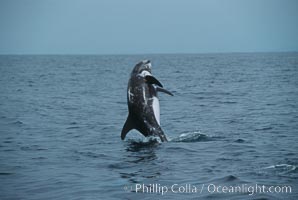
Rissos dolphin, breaching. Note distinguishing and highly variable skin and dorsal fin patterns, characteristic of this species. White scarring, likely caused by other Risso dolphins teeth, accumulates during the dolphins life so that adult Rissos dolphins are almost entirely white. San Diego.
Species: Risso's dolphin, Grampus griseus
Location: San Diego, California
Image ID: 00983
Species: Risso's dolphin, Grampus griseus
Location: San Diego, California
Image ID: 00983
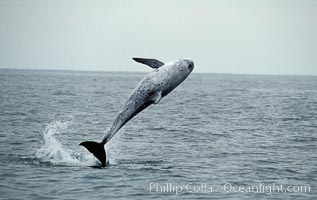
A Rissos dolphin leaps from the ocean in a full breach. Note distinguishing and highly variable skin and dorsal fin patterns, characteristic of this species. White scarring, likely caused by other Risso dolphins teeth, accumulates during the dolphins life so that adult Rissos dolphins are almost entirely white. Offshore near San Diego.
Species: Risso's dolphin, Grampus griseus
Location: San Diego, California
Image ID: 07597
Species: Risso's dolphin, Grampus griseus
Location: San Diego, California
Image ID: 07597
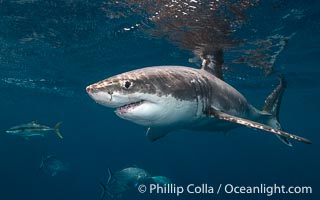
Great White Shark, South Neptune Islands, South Australia.
Species: Great white shark, Carcharodon carcharias
Location: South Neptune Islands, South Australia
Image ID: 39146
Species: Great white shark, Carcharodon carcharias
Location: South Neptune Islands, South Australia
Image ID: 39146
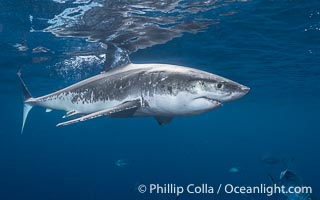
Great White Shark, South Neptune Islands, South Australia.
Species: Great white shark, Carcharodon carcharias
Location: South Neptune Islands, South Australia
Image ID: 39147
Species: Great white shark, Carcharodon carcharias
Location: South Neptune Islands, South Australia
Image ID: 39147
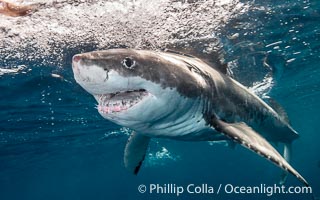
Great White Shark, South Neptune Islands, South Australia.
Species: Great white shark, Carcharodon carcharias
Location: South Neptune Islands, South Australia
Image ID: 39148
Species: Great white shark, Carcharodon carcharias
Location: South Neptune Islands, South Australia
Image ID: 39148
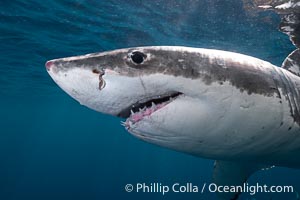
Great White Shark, South Neptune Islands, South Australia.
Species: Great white shark, Carcharodon carcharias
Location: South Neptune Islands, South Australia
Image ID: 39149
Species: Great white shark, Carcharodon carcharias
Location: South Neptune Islands, South Australia
Image ID: 39149
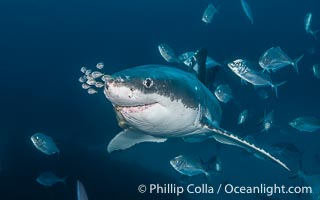
Great White Shark, South Neptune Islands, South Australia.
Species: Great white shark, Carcharodon carcharias
Location: South Neptune Islands, South Australia
Image ID: 39150
Species: Great white shark, Carcharodon carcharias
Location: South Neptune Islands, South Australia
Image ID: 39150
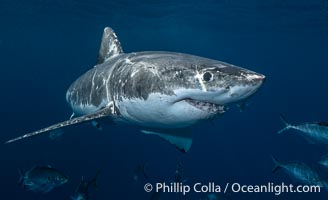
Great White Shark, South Neptune Islands, South Australia.
Species: Great white shark, Carcharodon carcharias
Location: South Neptune Islands, South Australia
Image ID: 39151
Species: Great white shark, Carcharodon carcharias
Location: South Neptune Islands, South Australia
Image ID: 39151
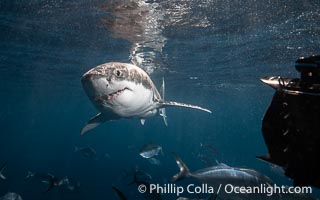
Great White Shark, South Neptune Islands, South Australia.
Species: Great white shark, Carcharodon carcharias
Location: South Neptune Islands, South Australia
Image ID: 39152
Species: Great white shark, Carcharodon carcharias
Location: South Neptune Islands, South Australia
Image ID: 39152
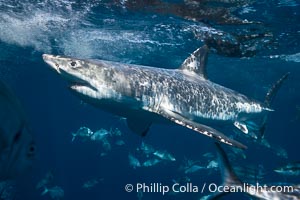
Great White Shark, South Neptune Islands, South Australia.
Species: Great white shark, Carcharodon carcharias
Location: South Neptune Islands, South Australia
Image ID: 39153
Species: Great white shark, Carcharodon carcharias
Location: South Neptune Islands, South Australia
Image ID: 39153
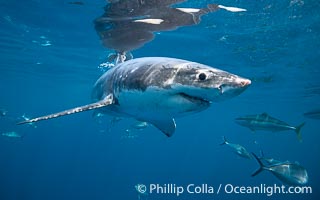
Great White Shark, South Neptune Islands, South Australia.
Species: Great white shark, Carcharodon carcharias
Location: South Neptune Islands, South Australia
Image ID: 39154
Species: Great white shark, Carcharodon carcharias
Location: South Neptune Islands, South Australia
Image ID: 39154
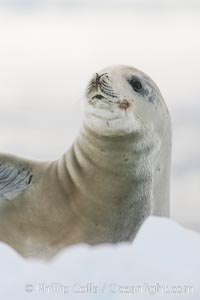
A crabeater seal, hauled out on pack ice to rest. Crabeater seals reach 2m and 200kg in size, with females being slightly larger than males. Crabeaters are the most abundant species of seal in the world, with as many as 75 million individuals. Despite its name, 80% the crabeater seal's diet consists of Antarctic krill. They have specially adapted teeth to strain the small krill from the water.
Species: Crabeater seal, Lobodon carcinophagus
Location: Neko Harbor, Antarctic Peninsula, Antarctica
Image ID: 25663
Species: Crabeater seal, Lobodon carcinophagus
Location: Neko Harbor, Antarctic Peninsula, Antarctica
Image ID: 25663
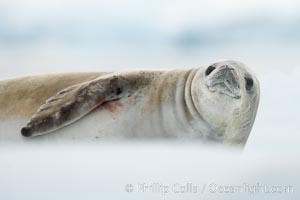
A crabeater seal, hauled out on pack ice to rest. Crabeater seals reach 2m and 200kg in size, with females being slightly larger than males. Crabeaters are the most abundant species of seal in the world, with as many as 75 million individuals. Despite its name, 80% the crabeater seal's diet consists of Antarctic krill. They have specially adapted teeth to strain the small krill from the water.
Species: Crabeater seal, Lobodon carcinophagus
Location: Neko Harbor, Antarctic Peninsula, Antarctica
Image ID: 25665
Species: Crabeater seal, Lobodon carcinophagus
Location: Neko Harbor, Antarctic Peninsula, Antarctica
Image ID: 25665
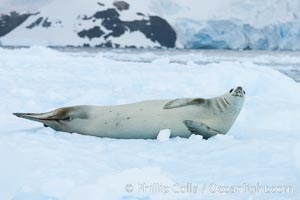
A crabeater seal, hauled out on pack ice to rest. Crabeater seals reach 2m and 200kg in size, with females being slightly larger than males. Crabeaters are the most abundant species of seal in the world, with as many as 75 million individuals. Despite its name, 80% the crabeater seal's diet consists of Antarctic krill. They have specially adapted teeth to strain the small krill from the water.
Species: Crabeater seal, Lobodon carcinophagus
Location: Cierva Cove, Antarctic Peninsula, Antarctica
Image ID: 25576
Species: Crabeater seal, Lobodon carcinophagus
Location: Cierva Cove, Antarctic Peninsula, Antarctica
Image ID: 25576
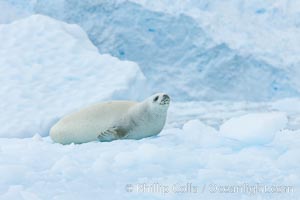
A crabeater seal, hauled out on pack ice to rest. Crabeater seals reach 2m and 200kg in size, with females being slightly larger than males. Crabeaters are the most abundant species of seal in the world, with as many as 75 million individuals. Despite its name, 80% the crabeater seal's diet consists of Antarctic krill. They have specially adapted teeth to strain the small krill from the water.
Species: Crabeater seal, Lobodon carcinophagus
Location: Cierva Cove, Antarctic Peninsula, Antarctica
Image ID: 25525
Species: Crabeater seal, Lobodon carcinophagus
Location: Cierva Cove, Antarctic Peninsula, Antarctica
Image ID: 25525
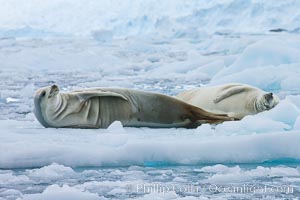
Crabeater seal resting on pack ice. Crabeater seals reach 2m and 200kg in size, with females being slightly larger than males. Crabeaters are the most abundant species of seal in the world, with as many as 75 million individuals. Despite its name, 80% the crabeater seal's diet consists of Antarctic krill. They have specially adapted teeth to strain the small krill from the water.
Species: Crabeater seal, Lobodon carcinophagus
Location: Cierva Cove, Antarctic Peninsula, Antarctica
Image ID: 25530
Species: Crabeater seal, Lobodon carcinophagus
Location: Cierva Cove, Antarctic Peninsula, Antarctica
Image ID: 25530
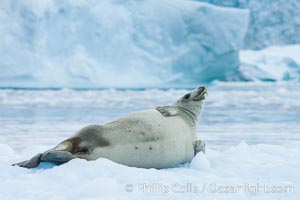
A crabeater seal, hauled out on pack ice to rest. Crabeater seals reach 2m and 200kg in size, with females being slightly larger than males. Crabeaters are the most abundant species of seal in the world, with as many as 75 million individuals. Despite its name, 80% the crabeater seal's diet consists of Antarctic krill. They have specially adapted teeth to strain the small krill from the water.
Species: Crabeater seal, Lobodon carcinophagus
Location: Cierva Cove, Antarctic Peninsula, Antarctica
Image ID: 25577
Species: Crabeater seal, Lobodon carcinophagus
Location: Cierva Cove, Antarctic Peninsula, Antarctica
Image ID: 25577
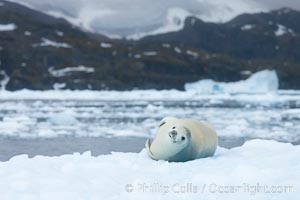
Crabeater seal resting on pack ice. Crabeater seals reach 2m and 200kg in size, with females being slightly larger than males. Crabeaters are the most abundant species of seal in the world, with as many as 75 million individuals. Despite its name, 80% the crabeater seal's diet consists of Antarctic krill. They have specially adapted teeth to strain the small krill from the water.
Species: Crabeater seal, Lobodon carcinophagus
Location: Cierva Cove, Antarctic Peninsula, Antarctica
Image ID: 25579
Species: Crabeater seal, Lobodon carcinophagus
Location: Cierva Cove, Antarctic Peninsula, Antarctica
Image ID: 25579
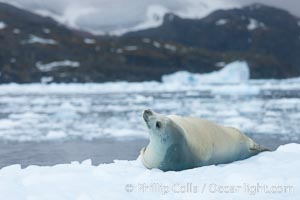
Crabeater seal resting on pack ice. Crabeater seals reach 2m and 200kg in size, with females being slightly larger than males. Crabeaters are the most abundant species of seal in the world, with as many as 75 million individuals. Despite its name, 80% the crabeater seal's diet consists of Antarctic krill. They have specially adapted teeth to strain the small krill from the water.
Species: Crabeater seal, Lobodon carcinophagus
Location: Cierva Cove, Antarctic Peninsula, Antarctica
Image ID: 25580
Species: Crabeater seal, Lobodon carcinophagus
Location: Cierva Cove, Antarctic Peninsula, Antarctica
Image ID: 25580