|
 |
 |
 |
 |
 |
 |
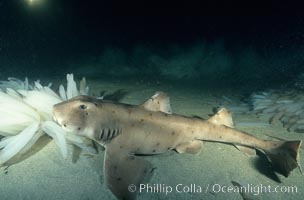
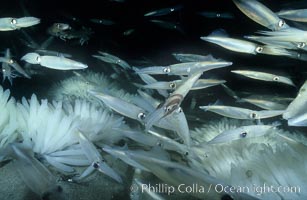
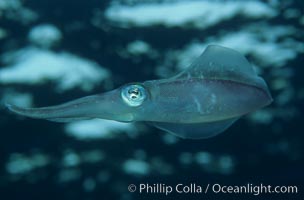
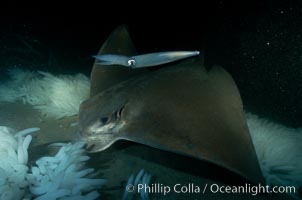
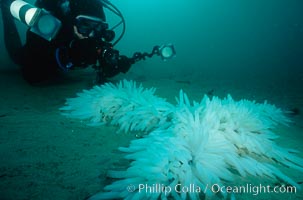
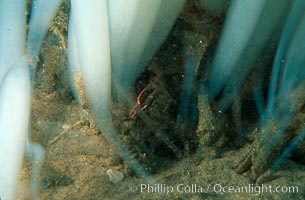
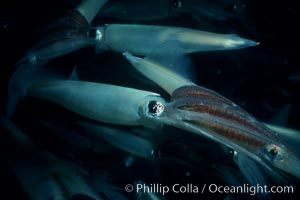
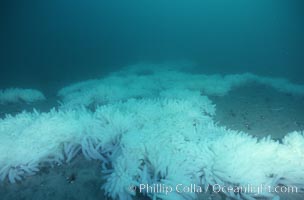
| top left and center: The squid Loligo opalescens congregates in vast numbers to mate and lay eggs. Each egg cluster is adhered to the sandy bottom (above left), where they form large clumps (top right). After mating and laying eggs, the squids soon die. They, and their eggs, become food for other animals, such as the bat ray (Myliobatis californica) and horn shark (Heterodontus francisci). |
 |
| Squid, Roatan, Honduras |
| Keywords: cephalopod, squid, loligo opalescens, mating, egg laying, egg, opalescent, squid, marine, ocean, invertebrate, invertebrates, photograph, photographs, nudibranch, mollusk |
|
Bookmark this page
|
HOME |
Online Image Search |
Photo of the Day |
Keywords |
Contact / Bio |
Licensing/Pricing |
Prints |
Stock List |
Image Hierarchy |
List of Log Entries |
Site Map |
Blue Whale |
Cetaceans |
Pinnipeds |
Sharks |
Rays |
Fishes |
Kelp Forest |
Sea Birds |
Inverts |
Man & Animal |
Man & Ocean |
Ocean & Light |
Ocean & Motion |
Portraits |
About Color and Monitor Calibration |
Copyright Statement |
Buzz |
Surf Photos |
Great White Shark Photo |
Blue Whale Photo |
All text and photographs copyright © Phillip Colla Natural History Photography
All rights reserved worldwide. The content of this site is made available for purposes of researching images offered for license by Phillip Colla Natural History Photography. No image is to be copied, duplicated, modified or redistributed in whole or part without the prior written permission of Phillip Colla Natural History Photography. Whale logo is a trademark of Phillip Colla Natural History Photography,
7302 Azalea Place, Carlsbad, CA 92011, USA. (760) 804-0731.
Email: oceanlight@OceanLight.com Web: www.OceanLight.com
Portfolios: www.Gygis.com
Updated: May 9, 2008 This epic website is created by The Scientific Programming Group
|
|