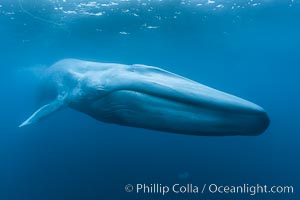
Blue whale underwater closeup photo. This picture of a blue whale, the largest animal ever to inhabit earth, shows it swimming through the open ocean, a rare underwater view. Since this blue whale was approximately 80-90' long and just a few feet from the camera, an extremely wide lens was used to photograph the entire enormous whale.
Species: Blue whale, Balaenoptera musculus
Location: California
Image ID: 27299
Species: Blue whale, Balaenoptera musculus
Location: California
Image ID: 27299
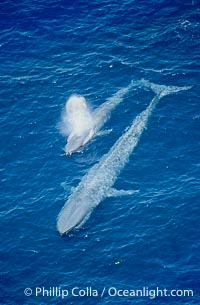
Two blue whales, a mother and her calf, swim through the open ocean in this aerial photograph. The calf is blowing (spouting, exhaling) with a powerful column of spray. The blue whale is the largest animal ever to live on Earth.
Species: Blue whale, Balaenoptera musculus
Location: San Diego, California
Image ID: 02304
Species: Blue whale, Balaenoptera musculus
Location: San Diego, California
Image ID: 02304
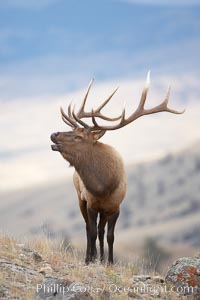
Male elk bugling during the fall rut. Large male elk are known as bulls. Male elk have large antlers which are shed each year. Male elk engage in competitive mating behaviors during the rut, including posturing, antler wrestling and bugling, a loud series of screams which is intended to establish dominance over other males and attract females.
Species: Elk, Cervus canadensis
Location: Mammoth Hot Springs, Yellowstone National Park, Wyoming
Image ID: 19693
Species: Elk, Cervus canadensis
Location: Mammoth Hot Springs, Yellowstone National Park, Wyoming
Image ID: 19693
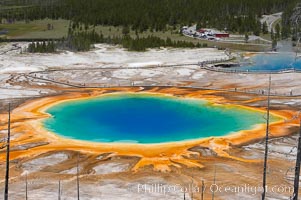
Grand Prismatic Spring (left) and Excelsior Geyser (right). Grand Prismatic Spring displays a stunning rainbow of colors created by species of thermophilac (heat-loving) bacteria that thrive in narrow temperature ranges. The blue water in the center is too hot to support any bacterial life, while the outer orange rings are the coolest water. Grand Prismatic Spring is the largest spring in the United States and the third-largest in the world. Midway Geyser Basin.
Location: Midway Geyser Basin, Yellowstone National Park, Wyoming
Image ID: 13571
Location: Midway Geyser Basin, Yellowstone National Park, Wyoming
Image ID: 13571
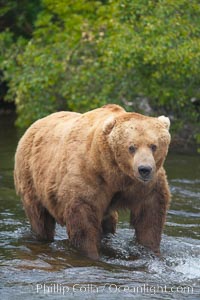
A large, old brown bear (grizzly bear) wades across Brooks River. Coastal and near-coastal brown bears in Alaska can live to 25 years of age, weigh up to 1400 lbs and stand over 9 feet tall.
Species: Brown bear, Ursus arctos
Location: Brooks River, Katmai National Park, Alaska
Image ID: 17039
Species: Brown bear, Ursus arctos
Location: Brooks River, Katmai National Park, Alaska
Image ID: 17039
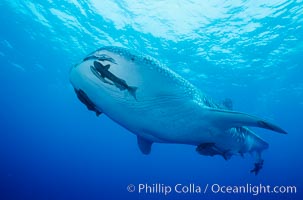
A whale shark swims through the open ocean in the Galapagos Islands. The whale shark is the largest shark on Earth, but is harmless eating plankton and small fish.
Species: Whale shark, Rhincodon typus
Location: Darwin Island, Galapagos Islands, Ecuador
Image ID: 01520
Species: Whale shark, Rhincodon typus
Location: Darwin Island, Galapagos Islands, Ecuador
Image ID: 01520
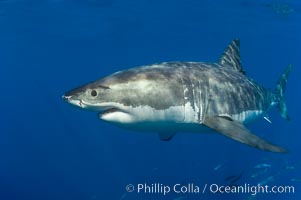
A great white shark swims through the clear waters of Isla Guadalupe, far offshore of the Pacific Coast of Baja California. Guadalupe Island is host to a concentration of large great white sharks, which visit the island to feed on pinnipeds and tuna.
Species: Great white shark, Carcharodon carcharias
Location: Guadalupe Island (Isla Guadalupe), Baja California, Mexico
Image ID: 07666
Species: Great white shark, Carcharodon carcharias
Location: Guadalupe Island (Isla Guadalupe), Baja California, Mexico
Image ID: 07666
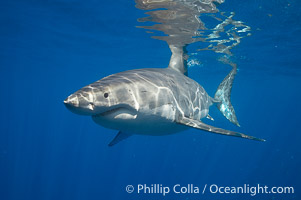
A great white shark swims through the clear waters of Isla Guadalupe, far offshore of the Pacific Coast of Mexico's Baja California. Guadalupe Island is host to a concentration of large great white sharks, which visit the island to feed on pinnipeds and use it as a staging area before journeying farther into the Pacific ocean.
Species: Great white shark, Carcharodon carcharias
Location: Guadalupe Island (Isla Guadalupe), Baja California, Mexico
Image ID: 19465
Species: Great white shark, Carcharodon carcharias
Location: Guadalupe Island (Isla Guadalupe), Baja California, Mexico
Image ID: 19465
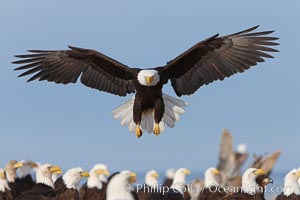
Bald eagle spreads its wings to land amid a large group of bald eagles.
Species: Bald eagle, Haliaeetus leucocephalus, Haliaeetus leucocephalus washingtoniensis
Location: Kachemak Bay, Homer, Alaska
Image ID: 22588
Species: Bald eagle, Haliaeetus leucocephalus, Haliaeetus leucocephalus washingtoniensis
Location: Kachemak Bay, Homer, Alaska
Image ID: 22588
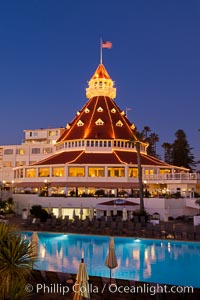
Hotel del Coronado with holiday Christmas night lights, known affectionately as the Hotel Del. It was once the largest hotel in the world, and is one of the few remaining wooden Victorian beach resorts. It sits on the beach on Coronado Island, seen here with downtown San Diego in the distance. It is widely considered to be one of Americas most beautiful and classic hotels. Built in 1888, it was designated a National Historic Landmark in 1977.
Location: San Diego, California
Image ID: 27396
Location: San Diego, California
Image ID: 27396
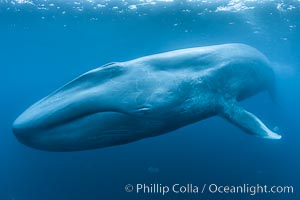
Blue whale underwater photo showing entire whale head (rostrum) to tail (fluke). This picture of a blue whale shows it swimming through the open ocean, a rare underwater view. Specialized underwater camera gear, including an extremely wide lens, was used to capture the entire enormous whale in a single photograph.
Species: Blue whale, Balaenoptera musculus
Location: California
Image ID: 27300
Species: Blue whale, Balaenoptera musculus
Location: California
Image ID: 27300
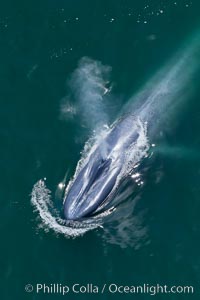
Enormous blue whale, exhaling as it surfaces from a dive, aerial photo. The blue whale is the largest animal ever to have lived on Earth, exceeding 100' in length and 200 tons in weight.
Species: Blue whale, Balaenoptera musculus
Location: Redondo Beach, California
Image ID: 25950
Species: Blue whale, Balaenoptera musculus
Location: Redondo Beach, California
Image ID: 25950
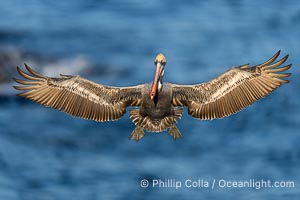
A California Brown Pelican flying over the Pacific Ocean, spreads its large wings wide to slow down as it slows to land on seacliffs in La Jolla. Adult winter breeding plumage with yellow head, red throat and brown hindneck.
Species: Brown Pelican, Pelecanus occidentalis, Pelecanus occidentalis californicus
Location: La Jolla, California
Image ID: 40806
Species: Brown Pelican, Pelecanus occidentalis, Pelecanus occidentalis californicus
Location: La Jolla, California
Image ID: 40806
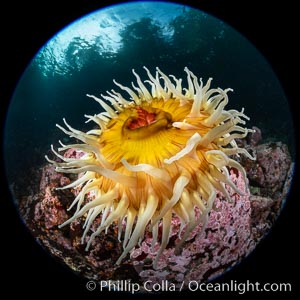
The Fish Eating Anemone Urticina piscivora, a large colorful anemone found on the rocky underwater reefs of Vancouver Island, British Columbia.
Species: Fish-eating anemone, Urticina piscivora
Location: British Columbia, Canada
Image ID: 35255
Species: Fish-eating anemone, Urticina piscivora
Location: British Columbia, Canada
Image ID: 35255
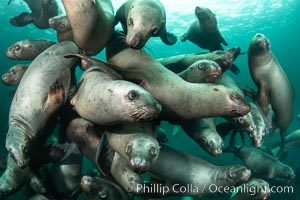
A large group of Steller sea lions underwater, Norris Rocks, Hornby Island, British Columbia, Canada.
Species: Steller sea lion, Eumetopias jubatus
Location: Hornby Island, British Columbia
Image ID: 36052
Species: Steller sea lion, Eumetopias jubatus
Location: Hornby Island, British Columbia
Image ID: 36052
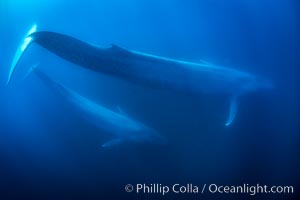
Blue whales, adult and juvenile (likely mother and calf), swimming together side by side underwater in the open ocean.
Species: Blue whale, Balaenoptera musculus
Location: San Diego, California
Image ID: 34568
Species: Blue whale, Balaenoptera musculus
Location: San Diego, California
Image ID: 34568
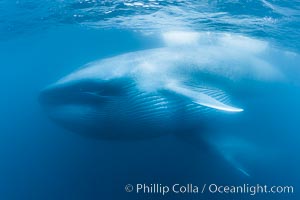
Blue whales feeding on krill underwater closeup photo. A picture of a blue whale with its throat pleats inflated with a mouthful of krill. A calf swims behind and below the adult. Over 80' long and just a few feet from the camera, an extremely wide lens was used to photograph the entire enormous whale.
Species: Blue whale, Balaenoptera musculus
Location: California
Image ID: 27314
Species: Blue whale, Balaenoptera musculus
Location: California
Image ID: 27314
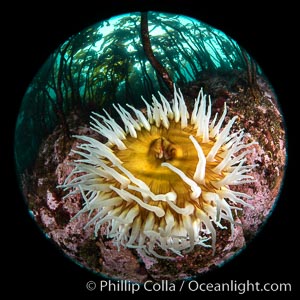
The Fish Eating Anemone Urticina piscivora, a large colorful anemone found on the rocky underwater reefs of Vancouver Island, British Columbia.
Species: Fish-eating anemone, Urticina piscivora
Location: British Columbia, Canada
Image ID: 35249
Species: Fish-eating anemone, Urticina piscivora
Location: British Columbia, Canada
Image ID: 35249
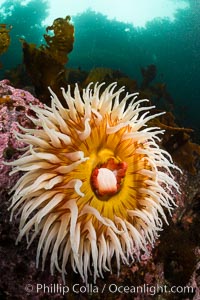
The Fish Eating Anemone Urticina piscivora, a large colorful anemone found on the rocky underwater reefs of Vancouver Island, British Columbia.
Species: Fish-eating anemone, Urticina piscivora
Location: British Columbia, Canada
Image ID: 34327
Species: Fish-eating anemone, Urticina piscivora
Location: British Columbia, Canada
Image ID: 34327
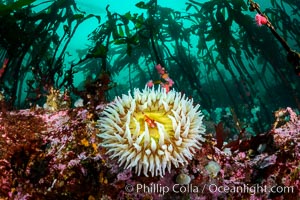
The Fish Eating Anemone Urticina piscivora, a large colorful anemone found on the rocky underwater reefs of Vancouver Island, British Columbia.
Species: Fish-eating anemone, Urticina piscivora
Location: British Columbia, Canada
Image ID: 34331
Species: Fish-eating anemone, Urticina piscivora
Location: British Columbia, Canada
Image ID: 34331
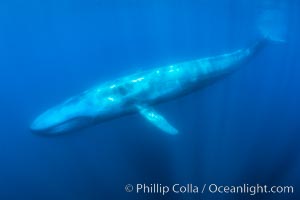
A huge blue whale swims through the open ocean in this underwater photograph. The blue whale is the largest animal ever to live on Earth.
Species: Blue whale, Balaenoptera musculus
Location: San Diego, California
Image ID: 34567
Species: Blue whale, Balaenoptera musculus
Location: San Diego, California
Image ID: 34567
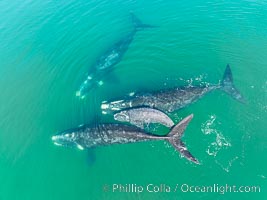
Mother and calf southern right whales are seen here as part of a larger courtship group, with adult males interested in mating with the mother. The calf has no choice but to stay by her mother's side during the courting activities.
Species: Southern Right Whale, Eubalaena australis
Location: Puerto Piramides, Chubut, Argentina
Image ID: 38381
Species: Southern Right Whale, Eubalaena australis
Location: Puerto Piramides, Chubut, Argentina
Image ID: 38381
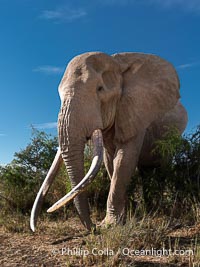
Craig the Famous Old Male Tusker Elephant with the World's Largest Tusks, Amboseli National Park, Kenya.
Species: African elephant, Loxodonta africana
Location: Amboseli National Park, Kenya
Image ID: 39557
Species: African elephant, Loxodonta africana
Location: Amboseli National Park, Kenya
Image ID: 39557
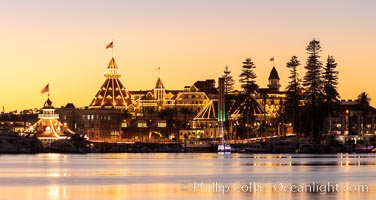
Hotel del Coronado with holiday Christmas night lights, known affectionately as the Hotel Del. It was once the largest hotel in the world, and is one of the few remaining wooden Victorian beach resorts. The Hotel Del is widely considered to be one of Americas most beautiful and classic hotels. Built in 1888, it was designated a National Historic Landmark in 1977.
Image ID: 36617
Panorama dimensions: 5437 x 10212
Image ID: 36617
Panorama dimensions: 5437 x 10212
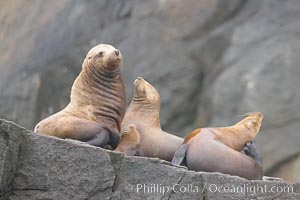
Steller sea lions (Northern sea lions) gather on rocks. Steller sea lions are the largest members of the Otariid (eared seal) family. Males can weigh up to 2400 lb., females up to 770 lb.
Species: Steller sea lion, Eumetopias jubatus
Location: Chiswell Islands, Kenai Fjords National Park, Alaska
Image ID: 16977
Species: Steller sea lion, Eumetopias jubatus
Location: Chiswell Islands, Kenai Fjords National Park, Alaska
Image ID: 16977
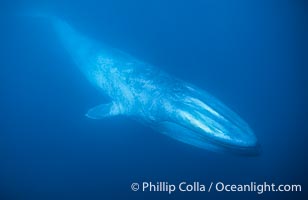
A huge blue whale swims through the open ocean in this underwater photograph. The blue whale is the largest animal ever to live on Earth.
Species: Blue whale, Balaenoptera musculus
Image ID: 03027
Species: Blue whale, Balaenoptera musculus
Image ID: 03027
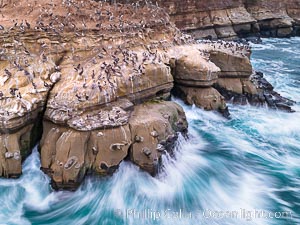
Brown Pelicans on Goldfish Point in La Jolla, time exposure blurs the large waves, aerial photograph. In the summer we used to jump off the cliff (the "Clam") in front of the twin cave entrances seen at middle-right.
Species: Brown Pelican, Pelecanus occidentalis, Pelecanus occidentalis californicus
Location: La Jolla, California
Image ID: 38865
Species: Brown Pelican, Pelecanus occidentalis, Pelecanus occidentalis californicus
Location: La Jolla, California
Image ID: 38865
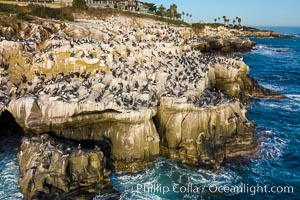
Brown Pelicans gather in large numbers on coastal cliffs, Goldfish Point near the Clam in La Jolla. Aerial photograph.
Species: Brown Pelican, Pelecanus occidentalis, Pelecanus occidentalis californicus
Location: La Jolla, California
Image ID: 37954
Species: Brown Pelican, Pelecanus occidentalis, Pelecanus occidentalis californicus
Location: La Jolla, California
Image ID: 37954
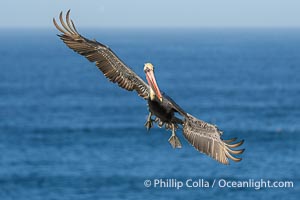
A California Brown Pelican flying over the Pacific Ocean, spreads its large wings wide to slow down as it banks, turns in midair, to land on seacliffs in La Jolla. Winter adult non-breeding plumage.
Species: Brown Pelican, Pelecanus occidentalis californicus, Pelecanus occidentalis
Location: La Jolla, California
Image ID: 39791
Species: Brown Pelican, Pelecanus occidentalis californicus, Pelecanus occidentalis
Location: La Jolla, California
Image ID: 39791
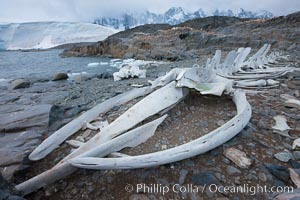
Blue whale skeleton in Antarctica, on the shore at Port Lockroy, Antarctica. This skeleton is composed primarily of blue whale bones, but there are believed to be bones of other baleen whales included in the skeleton as well.
Species: Blue whale, Balaenoptera musculus
Location: Port Lockroy, Antarctic Peninsula, Antarctica
Image ID: 25604
Species: Blue whale, Balaenoptera musculus
Location: Port Lockroy, Antarctic Peninsula, Antarctica
Image ID: 25604