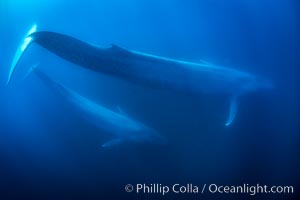
Blue whales, adult and juvenile (likely mother and calf), swimming together side by side underwater in the open ocean.
Species: Blue whale, Balaenoptera musculus
Location: San Diego, California
Image ID: 34568
Species: Blue whale, Balaenoptera musculus
Location: San Diego, California
Image ID: 34568
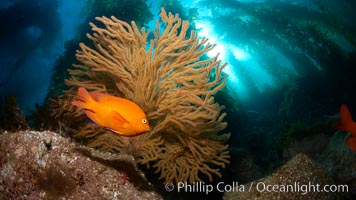
Garibaldi and golden gorgonian, with a underwater forest of giant kelp rising in the background, underwater.
Species: California golden gorgonian, Garibaldi, Hypsypops rubicundus, Muricea californica
Location: Catalina Island, California
Image ID: 23432
Species: California golden gorgonian, Garibaldi, Hypsypops rubicundus, Muricea californica
Location: Catalina Island, California
Image ID: 23432
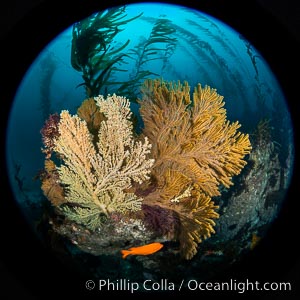
Parasitic zoanthid anemones cover, encrust and overwhelm a golden gorgonian. The gorgonian on the left has been completely parasitized by zoanthid anemones, while the gorgonian to the right remains free of zoanthids (for now). A garibaldi swims below the two sea fans. The golden gorgonian is a filter-feeding temperate colonial species that lives on the rocky bottom at depths between 50 to 200 feet deep. Each individual polyp is a distinct animal, together they secrete calcium that forms the structure of the colony. Gorgonians are oriented at right angles to prevailing water currents to capture plankton drifting by.
Species: California Golden Gorgonian, Luminescent Parazoanthid, Zoanthid Anemone, Giant Kelp, Garibaldi, Muricea californica, Parazoanthus lucificum, Savalia lucifica, Macrocystis pyrifera, Hypsypops rubicundus
Location: San Clemente Island, California
Image ID: 38493
Species: California Golden Gorgonian, Luminescent Parazoanthid, Zoanthid Anemone, Giant Kelp, Garibaldi, Muricea californica, Parazoanthus lucificum, Savalia lucifica, Macrocystis pyrifera, Hypsypops rubicundus
Location: San Clemente Island, California
Image ID: 38493
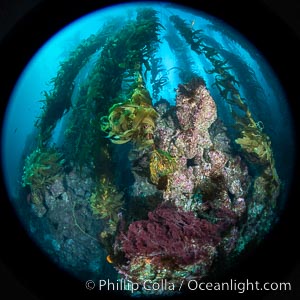
The Kelp Forest and Rocky Reef of San Clemente Island. Giant kelp grows rapidly, up to 2' per day, from the rocky reef on the ocean bottom to which it is anchored, toward the ocean surface where it spreads to form a thick canopy. Myriad species of fishes, mammals and invertebrates form a rich community in the kelp forest. Lush forests of kelp are found throughout California's Southern Channel Islands.
Species: Giant kelp, Macrocystis pyrifera
Location: San Clemente Island, California
Image ID: 38494
Species: Giant kelp, Macrocystis pyrifera
Location: San Clemente Island, California
Image ID: 38494
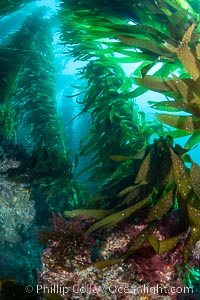
The Kelp Forest and Rocky Reef of San Clemente Island. Giant kelp grows rapidly, up to 2' per day, from the rocky reef on the ocean bottom to which it is anchored, toward the ocean surface where it spreads to form a thick canopy. Myriad species of fishes, mammals and invertebrates form a rich community in the kelp forest. Lush forests of kelp are found throughout California's Southern Channel Islands.
Species: Giant kelp, Macrocystis pyrifera
Location: San Clemente Island, California
Image ID: 38495
Species: Giant kelp, Macrocystis pyrifera
Location: San Clemente Island, California
Image ID: 38495
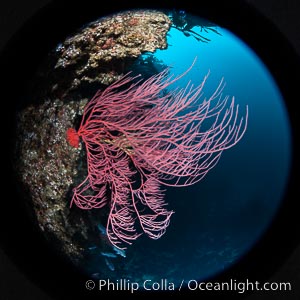
Red gorgonian on rocky reef, below kelp forest, underwater. The red gorgonian is a filter-feeding temperate colonial species that lives on the rocky bottom at depths between 50 to 200 feet deep. Gorgonians are typically oriented at right angles to prevailing water currents to capture plankton drifting by.
Species: Red gorgonian, Leptogorgia chilensis, Lophogorgia chilensis
Location: San Clemente Island, California
Image ID: 38496
Species: Red gorgonian, Leptogorgia chilensis, Lophogorgia chilensis
Location: San Clemente Island, California
Image ID: 38496
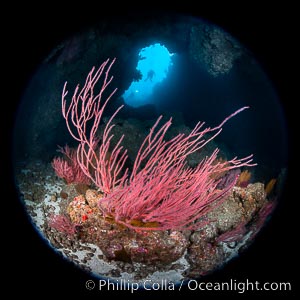
Red Gorgonians form a lush colorful garden below a submarine arch, while two scuba divers pass through the opening to the cavern.
Species: Red gorgonian, Leptogorgia chilensis, Lophogorgia chilensis
Location: San Clemente Island, California
Image ID: 38497
Species: Red gorgonian, Leptogorgia chilensis, Lophogorgia chilensis
Location: San Clemente Island, California
Image ID: 38497
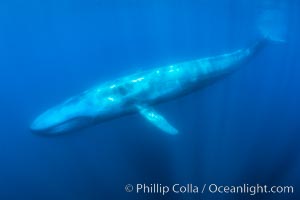
A huge blue whale swims through the open ocean in this underwater photograph. The blue whale is the largest animal ever to live on Earth.
Species: Blue whale, Balaenoptera musculus
Location: San Diego, California
Image ID: 34567
Species: Blue whale, Balaenoptera musculus
Location: San Diego, California
Image ID: 34567
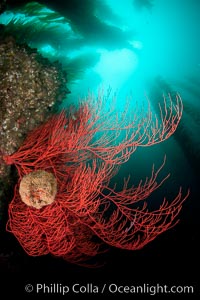
Bryozoan grows on a red gorgonian on rocky reef, below kelp forest, underwater. The red gorgonian is a filter-feeding temperate colonial species that lives on the rocky bottom at depths between 50 to 200 feet deep. Gorgonians are oriented at right angles to prevailing water currents to capture plankton drifting by.
Species: Red gorgonian, Leptogorgia chilensis, Lophogorgia chilensis
Location: San Clemente Island, California
Image ID: 25395
Species: Red gorgonian, Leptogorgia chilensis, Lophogorgia chilensis
Location: San Clemente Island, California
Image ID: 25395
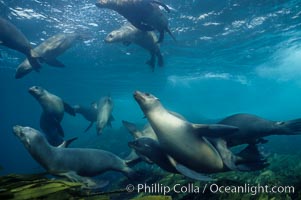
California sea lions swim and socialize over a kelp-covered rocky reef, underwater at San Clemente Island in California's southern Channel Islands.
Species: California sea lion, Zalophus californianus
Location: San Clemente Island, California
Image ID: 02158
Species: California sea lion, Zalophus californianus
Location: San Clemente Island, California
Image ID: 02158
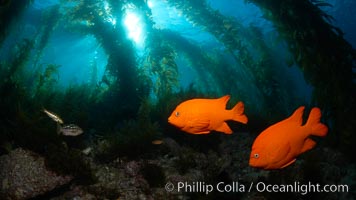
Garibaldi swims in the kelp forest, sunlight filters through towering giant kelp plants rising from the ocean bottom to the surface, underwater.
Species: Garibaldi, Hypsypops rubicundus
Location: Catalina Island, California
Image ID: 23419
Species: Garibaldi, Hypsypops rubicundus
Location: Catalina Island, California
Image ID: 23419
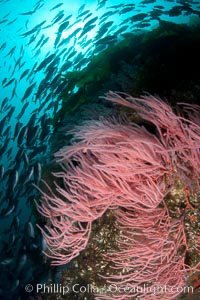
Red gorgonian on rocky reef, below kelp forest, underwater. The red gorgonian is a filter-feeding temperate colonial species that lives on the rocky bottom at depths between 50 to 200 feet deep. Gorgonians are oriented at right angles to prevailing water currents to capture plankton drifting by.
Species: Red gorgonian, Leptogorgia chilensis, Lophogorgia chilensis
Location: San Clemente Island, California
Image ID: 25393
Species: Red gorgonian, Leptogorgia chilensis, Lophogorgia chilensis
Location: San Clemente Island, California
Image ID: 25393
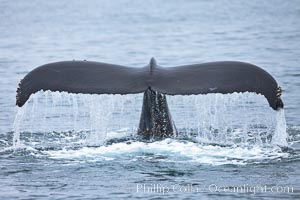
Water falling from the fluke (tail) of a humpback whale as the whale dives to forage for food in the Santa Barbara Channel.
Species: Humpback whale, Megaptera novaeangliae
Location: Santa Rosa Island, California
Image ID: 27029
Species: Humpback whale, Megaptera novaeangliae
Location: Santa Rosa Island, California
Image ID: 27029
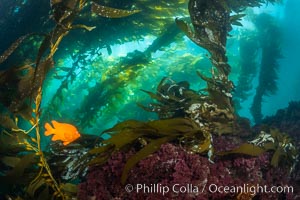
Garibaldi swims in the kelp forest, sunlight filters through towering giant kelp plants rising from the ocean bottom to the surface, underwater.
Species: Garibaldi, Hypsypops rubicundus
Location: San Clemente Island, California
Image ID: 37091
Species: Garibaldi, Hypsypops rubicundus
Location: San Clemente Island, California
Image ID: 37091
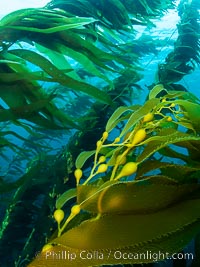
Kelp fronds showing pneumatocysts, bouyant gas-filled bubble-like structures which float the kelp plant off the ocean bottom toward the surface, where it will spread to form a roof-like canopy.
Species: Giant kelp, Macrocystis pyrifera
Location: San Clemente Island, California
Image ID: 38498
Species: Giant kelp, Macrocystis pyrifera
Location: San Clemente Island, California
Image ID: 38498
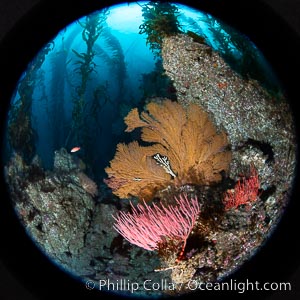
Red gorgonian and California golden gorgonian on underwater rocky reef, San Clemente Island. The golden gorgonian is a filter-feeding temperate colonial species that lives on the rocky bottom at depths between 50 to 200 feet deep. Each individual polyp is a distinct animal, together they secrete calcium that forms the structure of the colony. Gorgonians are oriented at right angles to prevailing water currents to capture plankton drifting by.
Species: Red Gorgonian, California Golden Gorgonian, Garibaldi, Leptogorgia chilensis, Lophogorgia chilensis, Muricea californica, Hypsypops rubicundus
Location: San Clemente Island, California
Image ID: 38499
Species: Red Gorgonian, California Golden Gorgonian, Garibaldi, Leptogorgia chilensis, Lophogorgia chilensis, Muricea californica, Hypsypops rubicundus
Location: San Clemente Island, California
Image ID: 38499
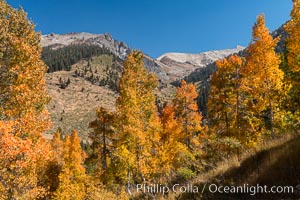
Aspens show fall colors in Mineral King Valley, part of Sequoia National Park in the southern Sierra Nevada, California.
Location: Mineral King, Sequoia National Park, California
Image ID: 32298
Location: Mineral King, Sequoia National Park, California
Image ID: 32298

Sunset at San Clemente Island, south end showing Pyramid Head. Panoramic photo.
Location: San Clemente Island, California
Image ID: 38500
Panorama dimensions: 4489 x 35871
Location: San Clemente Island, California
Image ID: 38500
Panorama dimensions: 4489 x 35871
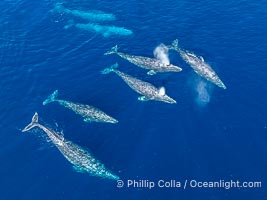
Large Seven Animal Gray Whale Courtship Group, Aerial Photo, San Diego. Courtship during the southern migration, far to the north of the Mexican lagoons of Baja California where most gray whale births take place.
Species: Gray whale, Eschrichtius robustus
Image ID: 41521
Species: Gray whale, Eschrichtius robustus
Image ID: 41521
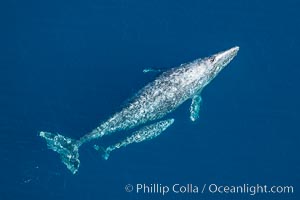
Aerial photo of gray whale calf and mother. This baby gray whale was born during the southern migration, far to the north of the Mexican lagoons of Baja California where most gray whale births take place.
Species: Gray whale, Eschrichtius robustus
Location: San Clemente, California
Image ID: 29017
Species: Gray whale, Eschrichtius robustus
Location: San Clemente, California
Image ID: 29017
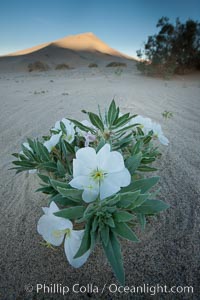
Eureka Valley Dune Evening Primrose. A federally endangered plant, Oenothera californica eurekensis is a perennial herb that produces white flowers from April to June. These flowers turn red as they age. The Eureka Dunes evening-primrose is found only in the southern portion of Eureka Valley Sand Dunes system in Indigo County, California.
Species: Eureka valley dune evening primrose, Oenothera californica eurekensis, Oenothera deltoides
Location: Eureka Dunes, Death Valley National Park, California
Image ID: 25237
Species: Eureka valley dune evening primrose, Oenothera californica eurekensis, Oenothera deltoides
Location: Eureka Dunes, Death Valley National Park, California
Image ID: 25237
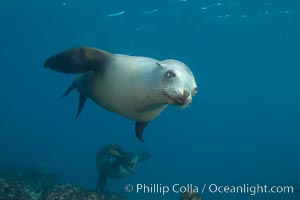
California sea lion, underwater at Santa Barbara Island. Santa Barbara Island, 38 miles off the coast of southern California, is part of the Channel Islands National Marine Sanctuary and Channel Islands National Park. It is home to a large population of sea lions.
Species: California sea lion, Zalophus californianus
Location: Santa Barbara Island, California
Image ID: 23418
Species: California sea lion, Zalophus californianus
Location: Santa Barbara Island, California
Image ID: 23418
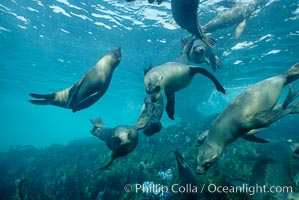
California sea lions swim and socialize over a kelp-covered rocky reef, underwater at San Clemente Island in California's southern Channel Islands.
Species: California sea lion, Zalophus californianus
Location: San Clemente Island, California
Image ID: 02031
Species: California sea lion, Zalophus californianus
Location: San Clemente Island, California
Image ID: 02031
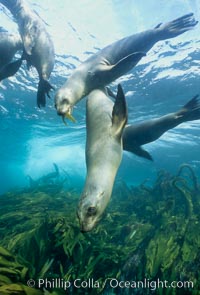
California sea lions swim and socialize over a kelp-covered rocky reef, underwater at San Clemente Island in California's southern Channel Islands.
Species: California sea lion, Zalophus californianus
Location: San Clemente Island, California
Image ID: 02159
Species: California sea lion, Zalophus californianus
Location: San Clemente Island, California
Image ID: 02159
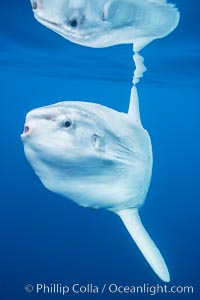
Ocean sunfish reflected on a glassy surface in bluewater, open ocean, southern California.
Species: Ocean sunfish, Mola mola
Location: San Diego, California
Image ID: 02413
Species: Ocean sunfish, Mola mola
Location: San Diego, California
Image ID: 02413
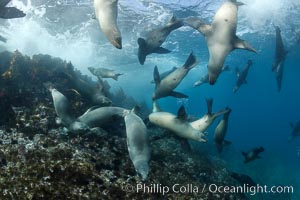
California sea lions, underwater at Santa Barbara Island. Santa Barbara Island, 38 miles off the coast of southern California, is part of the Channel Islands National Marine Sanctuary and Channel Islands National Park. It is home to a large population of sea lions.
Species: California sea lion, Zalophus californianus
Location: Santa Barbara Island, California
Image ID: 23429
Species: California sea lion, Zalophus californianus
Location: Santa Barbara Island, California
Image ID: 23429
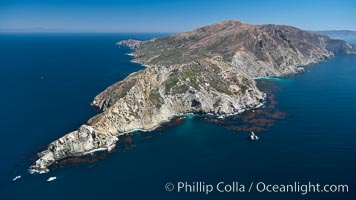
Aerial photo of the West End of Catalina Island.
Location: Catalina Island, California
Image ID: 25978
Location: Catalina Island, California
Image ID: 25978
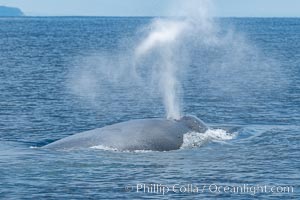
Blue whale, exhaling in a huge blow as it swims at the surface between deep dives. The blue whale's blow is a combination of water spray from around its blowhole and condensation from its warm breath.
Species: Blue whale, Balaenoptera musculus
Location: San Diego, California
Image ID: 34560
Species: Blue whale, Balaenoptera musculus
Location: San Diego, California
Image ID: 34560
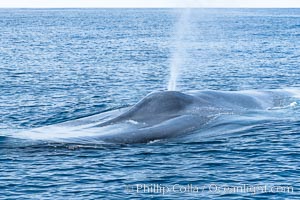
Blue whale, exhaling in a huge blow as it swims at the surface between deep dives. The blue whale's blow is a combination of water spray from around its blowhole and condensation from its warm breath.
Species: Blue whale, Balaenoptera musculus
Location: San Diego, California
Image ID: 34564
Species: Blue whale, Balaenoptera musculus
Location: San Diego, California
Image ID: 34564
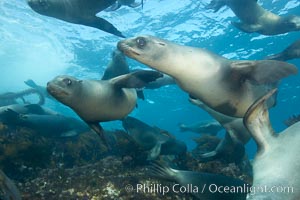
California sea lions, underwater at Santa Barbara Island. Santa Barbara Island, 38 miles off the coast of southern California, is part of the Channel Islands National Marine Sanctuary and Channel Islands National Park. It is home to a large population of sea lions.
Species: California sea lion, Zalophus californianus
Location: Santa Barbara Island, California
Image ID: 23422
Species: California sea lion, Zalophus californianus
Location: Santa Barbara Island, California
Image ID: 23422