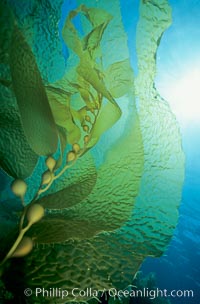
Kelp frond showing pneumatocysts.
Species: Giant kelp, Macrocystis pyrifera
Location: San Clemente Island, California
Image ID: 00627
Species: Giant kelp, Macrocystis pyrifera
Location: San Clemente Island, California
Image ID: 00627
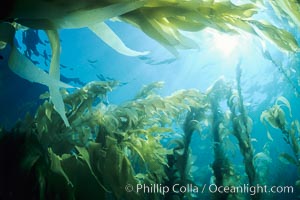
A kelp forest, with sunbeams passing through kelp fronds. Giant kelp, the fastest growing plant on Earth, reaches from the rocky bottom to the ocean's surface like a submarine forest.
Species: Giant kelp, Macrocystis pyrifera
Location: San Clemente Island, California
Image ID: 02411
Species: Giant kelp, Macrocystis pyrifera
Location: San Clemente Island, California
Image ID: 02411
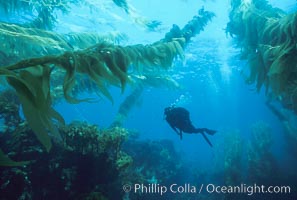
A SCUBA diver swims through a giant kelp forest which is tilted back by strong ocean currents. Giant kelp, the fastest plant on Earth, reaches from the rocky bottom to the ocean's surface like a submarine forest.
Species: Giant kelp, Macrocystis pyrifera
Location: San Clemente Island, California
Image ID: 01107
Species: Giant kelp, Macrocystis pyrifera
Location: San Clemente Island, California
Image ID: 01107
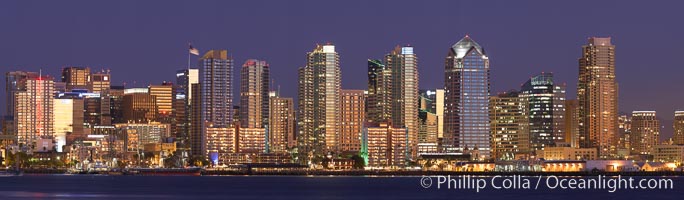
San Diego city skyline at sunset, showing the buildings of downtown San Diego rising above San Diego Harbor, viewed from Harbor Island. A panoramic photograph, composite of thirteen separate images.
Location: San Diego, California
Image ID: 22255
Panorama dimensions: 4759 x 15430
Location: San Diego, California
Image ID: 22255
Panorama dimensions: 4759 x 15430
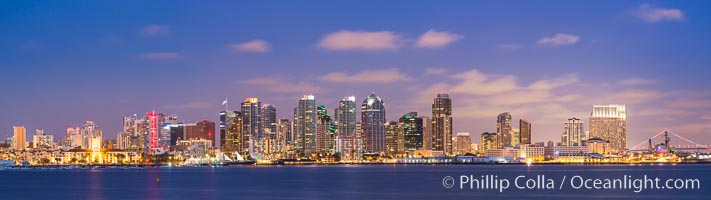
San Diego city skyline at sunrise, showing the buildings of downtown San Diego rising above San Diego Harbor, viewed from Harbor Island.
Location: San Diego, California
Image ID: 27889
Panorama dimensions: 3497 x 12426
Location: San Diego, California
Image ID: 27889
Panorama dimensions: 3497 x 12426
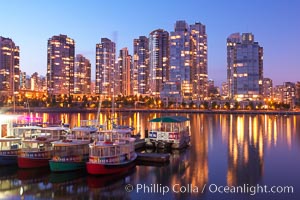
Yaletown section of Vancouver at night, viewed from Granville Island.
Location: Granville Island, Vancouver, British Columbia, Canada
Image ID: 21165
Location: Granville Island, Vancouver, British Columbia, Canada
Image ID: 21165
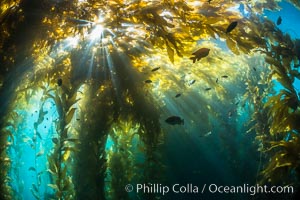
Sunlight streams through giant kelp forest. Giant kelp, the fastest growing plant on Earth, reaches from the rocky reef to the ocean's surface like a submarine forest.
Species: Giant kelp, Macrocystis pyrifera
Location: Catalina Island, California
Image ID: 33433
Species: Giant kelp, Macrocystis pyrifera
Location: Catalina Island, California
Image ID: 33433
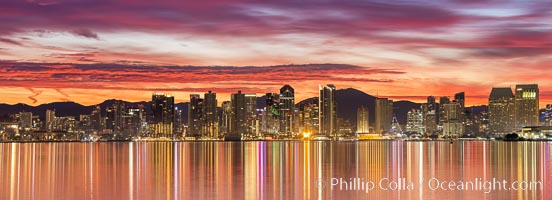
San Diego Bay and Downtown City Skyline at Dawn, spectacular clouds light up over the city. Mount San Miguel in the distance.
Location: San Diego, California
Image ID: 37636
Panorama dimensions: 5305 x 14631
Location: San Diego, California
Image ID: 37636
Panorama dimensions: 5305 x 14631
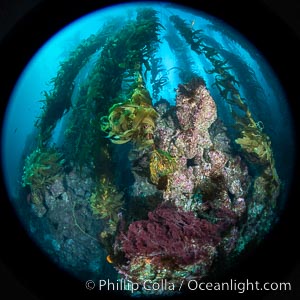
The Kelp Forest and Rocky Reef of San Clemente Island. Giant kelp grows rapidly, up to 2' per day, from the rocky reef on the ocean bottom to which it is anchored, toward the ocean surface where it spreads to form a thick canopy. Myriad species of fishes, mammals and invertebrates form a rich community in the kelp forest. Lush forests of kelp are found throughout California's Southern Channel Islands.
Species: Giant kelp, Macrocystis pyrifera
Location: San Clemente Island, California
Image ID: 38494
Species: Giant kelp, Macrocystis pyrifera
Location: San Clemente Island, California
Image ID: 38494
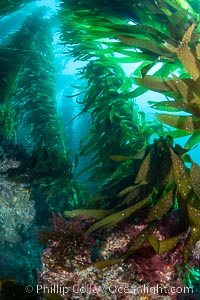
The Kelp Forest and Rocky Reef of San Clemente Island. Giant kelp grows rapidly, up to 2' per day, from the rocky reef on the ocean bottom to which it is anchored, toward the ocean surface where it spreads to form a thick canopy. Myriad species of fishes, mammals and invertebrates form a rich community in the kelp forest. Lush forests of kelp are found throughout California's Southern Channel Islands.
Species: Giant kelp, Macrocystis pyrifera
Location: San Clemente Island, California
Image ID: 38495
Species: Giant kelp, Macrocystis pyrifera
Location: San Clemente Island, California
Image ID: 38495
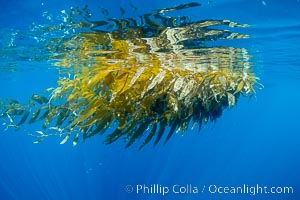
Drift kelp paddy floating on the ocean surface, San Diego.
Species: Giant kelp, Macrocystis pyrifera
Location: San Diego, California
Image ID: 38533
Species: Giant kelp, Macrocystis pyrifera
Location: San Diego, California
Image ID: 38533
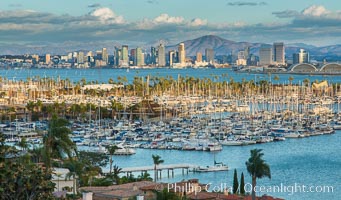
San Diego city skyline, dusk, clearing storm clouds.
Location: San Diego, California
Image ID: 28005
Location: San Diego, California
Image ID: 28005
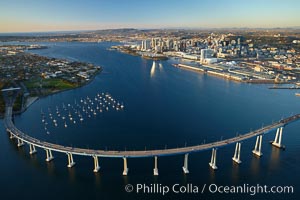
San Diego Coronado Bridge, known locally as the Coronado Bridge, links San Diego with Coronado, California. The bridge was completed in 1969 and was a toll bridge until 2002. It is 2.1 miles long and reaches a height of 200 feet above San Diego Bay. Coronado Island is to the left, and downtown San Diego is to the right in this view looking north.
Location: San Diego, California
Image ID: 22288
Location: San Diego, California
Image ID: 22288
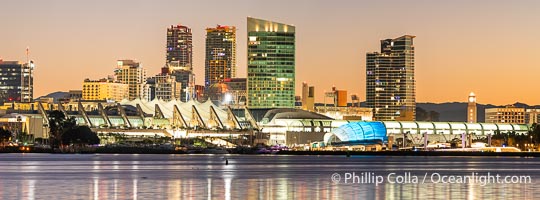
San Diego Convention Center Skyline and Waterfront at Sunrise. San Diego Convention Center, located in the Marina District of downtown San Diego. Built in 1989, the San Diego Convention Center offers 525,700 square feet of exhibit space. It is noted for its distinctive "sails" made of Teflon-coated fiberglass suspended over the central exhibition hall, aptly named Sails Pavilion.
Location: San Diego, California
Image ID: 40046
Panorama dimensions: 5186 x 13999
Location: San Diego, California
Image ID: 40046
Panorama dimensions: 5186 x 13999
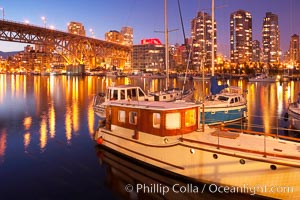
Yaletown section of Vancouver at night, including Granville Island bridge (left), viewed from Granville Island with sailboat in the foreground.
Location: Granville Island, Vancouver, British Columbia, Canada
Image ID: 21169
Location: Granville Island, Vancouver, British Columbia, Canada
Image ID: 21169
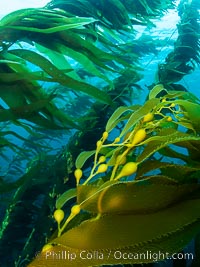
Kelp fronds showing pneumatocysts, bouyant gas-filled bubble-like structures which float the kelp plant off the ocean bottom toward the surface, where it will spread to form a roof-like canopy.
Species: Giant kelp, Macrocystis pyrifera
Location: San Clemente Island, California
Image ID: 38498
Species: Giant kelp, Macrocystis pyrifera
Location: San Clemente Island, California
Image ID: 38498
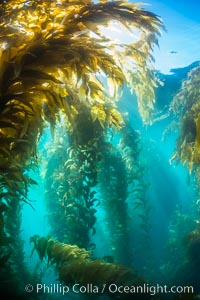
Sunlight streams through giant kelp forest. Giant kelp, the fastest growing plant on Earth, reaches from the rocky reef to the ocean's surface like a submarine forest.
Species: Giant kelp, Macrocystis pyrifera
Location: Catalina Island, California
Image ID: 33434
Species: Giant kelp, Macrocystis pyrifera
Location: Catalina Island, California
Image ID: 33434
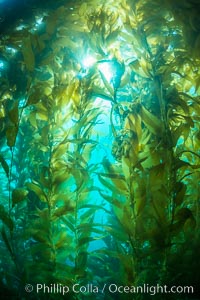
Sunlight streams through giant kelp forest. Giant kelp, the fastest growing plant on Earth, reaches from the rocky reef to the ocean's surface like a submarine forest.
Species: Giant kelp, Macrocystis pyrifera
Location: Catalina Island, California
Image ID: 33435
Species: Giant kelp, Macrocystis pyrifera
Location: Catalina Island, California
Image ID: 33435
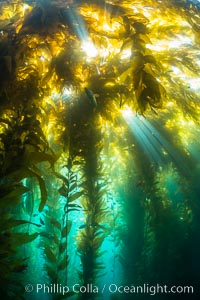
Sunlight streams through giant kelp forest. Giant kelp, the fastest growing plant on Earth, reaches from the rocky reef to the ocean's surface like a submarine forest.
Species: Giant kelp, Macrocystis pyrifera
Location: Catalina Island, California
Image ID: 33436
Species: Giant kelp, Macrocystis pyrifera
Location: Catalina Island, California
Image ID: 33436
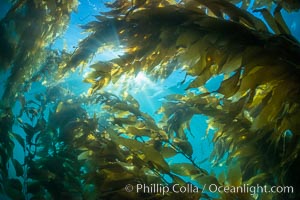
Sunlight streams through giant kelp forest. Giant kelp, the fastest growing plant on Earth, reaches from the rocky reef to the ocean's surface like a submarine forest.
Species: Giant kelp, Macrocystis pyrifera
Location: Catalina Island, California
Image ID: 33437
Species: Giant kelp, Macrocystis pyrifera
Location: Catalina Island, California
Image ID: 33437
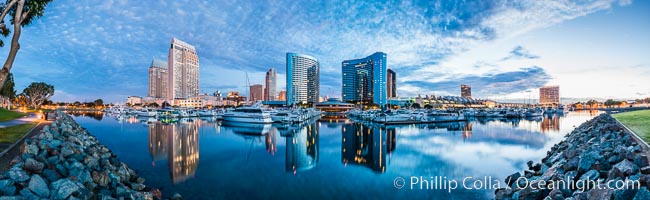
San Diego Marriott Hotel and Marina, and Manchester Grand Hyatt Hotel (left) viewed from the San Diego Embarcadero Marine Park, sunrise.
Location: San Diego, California
Image ID: 28820
Panorama dimensions: 5720 x 18590
Location: San Diego, California
Image ID: 28820
Panorama dimensions: 5720 x 18590
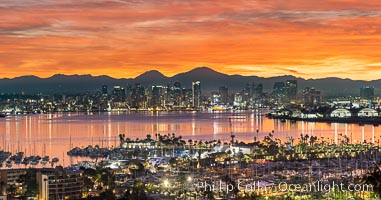
Spectacular Sunrise over San Diego Bay and Downtown San Diego. Mount San Miguel and Mount Lyons in the distance. Shelter Island in the foreground. Viewed from Point Loma.
Image ID: 38892
Panorama dimensions: 8187 x 15600
Image ID: 38892
Panorama dimensions: 8187 x 15600
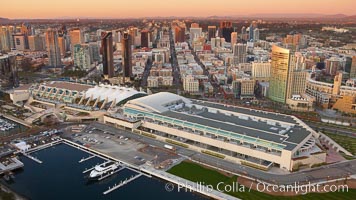
San Diego Convention Center, located in the Marina District of downtown San Diego. Built in 1989, the San Diego Convention Center offers 525,700 square feet of exhibit space. It is noted for its distinctive "sails" made of Teflon-coated fiberglass suspended over the central exhibition hall, aptly named Sails Pavilion.
Location: San Diego, California
Image ID: 22290
Location: San Diego, California
Image ID: 22290
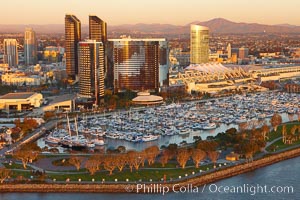
Marriott Hotel towers, rising above the Embarcadero Marine Park and yacht marina.
Location: San Diego, California
Image ID: 22291
Location: San Diego, California
Image ID: 22291
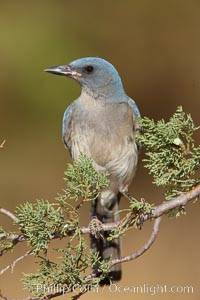
Mexican jay.
Species: Mexican jay, Aphelocoma ultramarina
Location: Madera Canyon Recreation Area, Green Valley, Arizona
Image ID: 22959
Species: Mexican jay, Aphelocoma ultramarina
Location: Madera Canyon Recreation Area, Green Valley, Arizona
Image ID: 22959
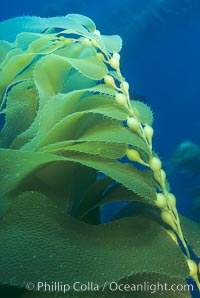
Kelp frond showing pneumatocysts.
Species: Giant kelp, Macrocystis pyrifera
Location: Santa Barbara Island, California
Image ID: 02435
Species: Giant kelp, Macrocystis pyrifera
Location: Santa Barbara Island, California
Image ID: 02435
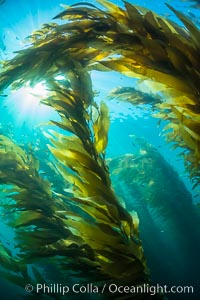
Sunlight streams through giant kelp forest. Giant kelp, the fastest growing plant on Earth, reaches from the rocky reef to the ocean's surface like a submarine forest.
Species: Giant kelp, Macrocystis pyrifera
Location: Catalina Island, California
Image ID: 33438
Species: Giant kelp, Macrocystis pyrifera
Location: Catalina Island, California
Image ID: 33438
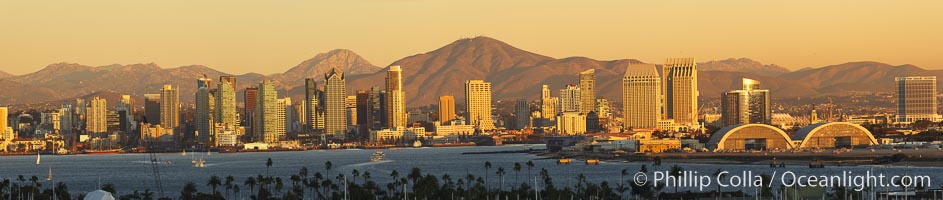
San Diego city skyline, showing the buildings of downtown San Diego rising above San Diego Harbor, viewed from Point Loma at sunset, with mountains of the Cleveland National Forest rising in the distance. A panoramic photograph, composite of six separate images. Mount San Miguel is on right and Lyons Peak to the left.
Location: San Diego, California
Image ID: 22252
Panorama dimensions: 3144 x 16621
Location: San Diego, California
Image ID: 22252
Panorama dimensions: 3144 x 16621
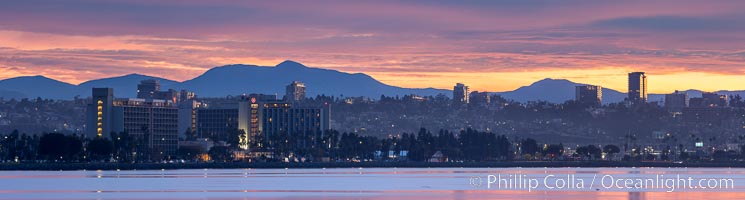
San Diego Sheraton Hotel on San Diego Bay, at dawn.
Location: San Diego, California
Image ID: 37637
Panorama dimensions: 6696 x 24935
Location: San Diego, California
Image ID: 37637
Panorama dimensions: 6696 x 24935
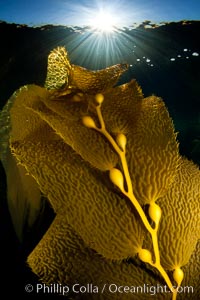
Kelp fronds and pneumatocysts. Pneumatocysts, gas-filled bladders, float the kelp plant off the ocean bottom toward the surface and sunlight, where the leaf-like blades and stipes of the kelp plant grow fastest. Giant kelp can grow up to 2' in a single day given optimal conditions. Epic submarine forests of kelp grow throughout California's Southern Channel Islands.
Species: Giant kelp, Macrocystis pyrifera
Location: San Clemente Island, California
Image ID: 25396
Species: Giant kelp, Macrocystis pyrifera
Location: San Clemente Island, California
Image ID: 25396